
Digital trust: The missing foundation of Vietnam’s manufacturing transformation

From electronics and automotive suppliers to emerging semiconductor and high-tech manufacturers, digital tools such as simulation, cloud collaboration, and data-driven design are becoming essential to improving competitiveness and meeting international standards.
 |
| Darren Tsai, director of Licence Compliance Asia, Dassault Systèmes |
As Vietnam strengthens its position as a regional manufacturing hub and attracts growing investment from global technology companies, one thing is increasingly clear: the future of manufacturing will be digital.
Yet one critical risk remains under-discussed: software licence compliance.
For many years, unlicensed engineering software has often been viewed as a legal or cost issue. Today, that perspective is increasingly outdated. In a connected, data-driven manufacturing environment, software compliance is fundamentally about trust, security, and the integrity of the product development process.
Through my work with manufacturers across Asia, I continue to encounter organisations that associate compliance primarily with audits and enforcement. However, non-compliant software represents a real business risk - one that can quietly undermine product quality, cybersecurity resilience, and access to global markets.
The first risk concerns data integrity.
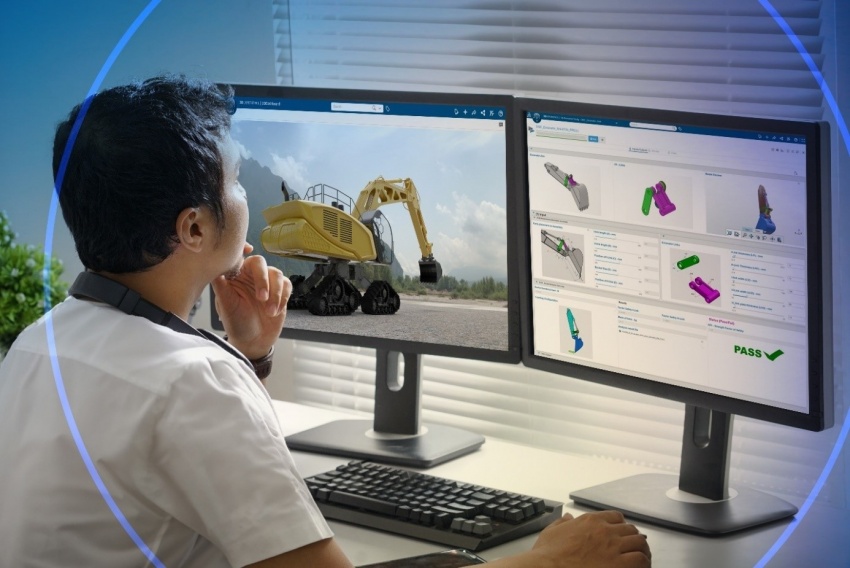
Modern manufacturing depends on engineering simulations, digital models, and design tools that increasingly serve as the single source of truth across product development, production, and supply chains. Unlicensed software often lacks critical updates, security patches, and validation mechanisms, increasing the risk of inaccurate simulations, corrupted design files, or inconsistent engineering outputs.
In sectors such as automotive, electronics, aerospace, and medical devices, even minor discrepancies can have significant downstream consequences. If the tools generating engineering outputs cannot be fully verified, neither can the outputs themselves. That has direct implications for product quality, reliability, and safety.
 |
The second risk is cybersecurity.
Unofficial or pirated software frequently bypasses standard security controls, making systems more vulnerable to malware, ransomware, and external intrusion. Manufacturing ecosystems today are deeply interconnected, linking suppliers, partners, and customers across multiple countries.
A single compromised system can create vulnerabilities across an entire supply chain. Unlicensed software does not simply create an internal risk; it introduces uncertainty into an ecosystem that depends on security, transparency, and operational control.
The third risk is market access.
Global Original Equipment Manufacturers are raising the bar on supplier standards. Increasingly, they require auditable and compliant engineering processes as a condition of doing business. Software governance, traceability, and cybersecurity are becoming essential components of supplier qualification.
Companies that cannot demonstrate proper software governance risk being excluded from high-value contracts and international supply chains. By contrast, organisations that can demonstrate compliance and transparency are often better positioned to win new business and strengthen customer relationships.
This challenge is particularly relevant for Vietnam.
Vietnam has emerged as one of Asia’s most dynamic manufacturing destinations, attracting investment in electronics, automotive components, renewable energy technologies, and increasingly, semiconductor-related industries. As multinational companies expand operations and diversify supply chains, Vietnamese manufacturers are under growing pressure to meet international standards for quality, cybersecurity, intellectual property protection, and governance.
At the same time, Vietnam is pursuing an ambitious industrial transformation agenda, with initiatives promoting digital transformation, Industry 4.0 adoption, and advanced manufacturing capabilities. However, upgrading technology without ensuring compliance is like building on an unstable foundation. Adopting new technologies is only half the equation. Using them securely, compliantly, and sustainably is the other.
This is where digital trust becomes essential.
Digital trust means having confidence that the data, tools, and processes underpinning product development are accurate, secure, and reliable. It forms the foundation for advanced capabilities such as virtual twins, AI-driven design, predictive simulation, and real-time collaboration.
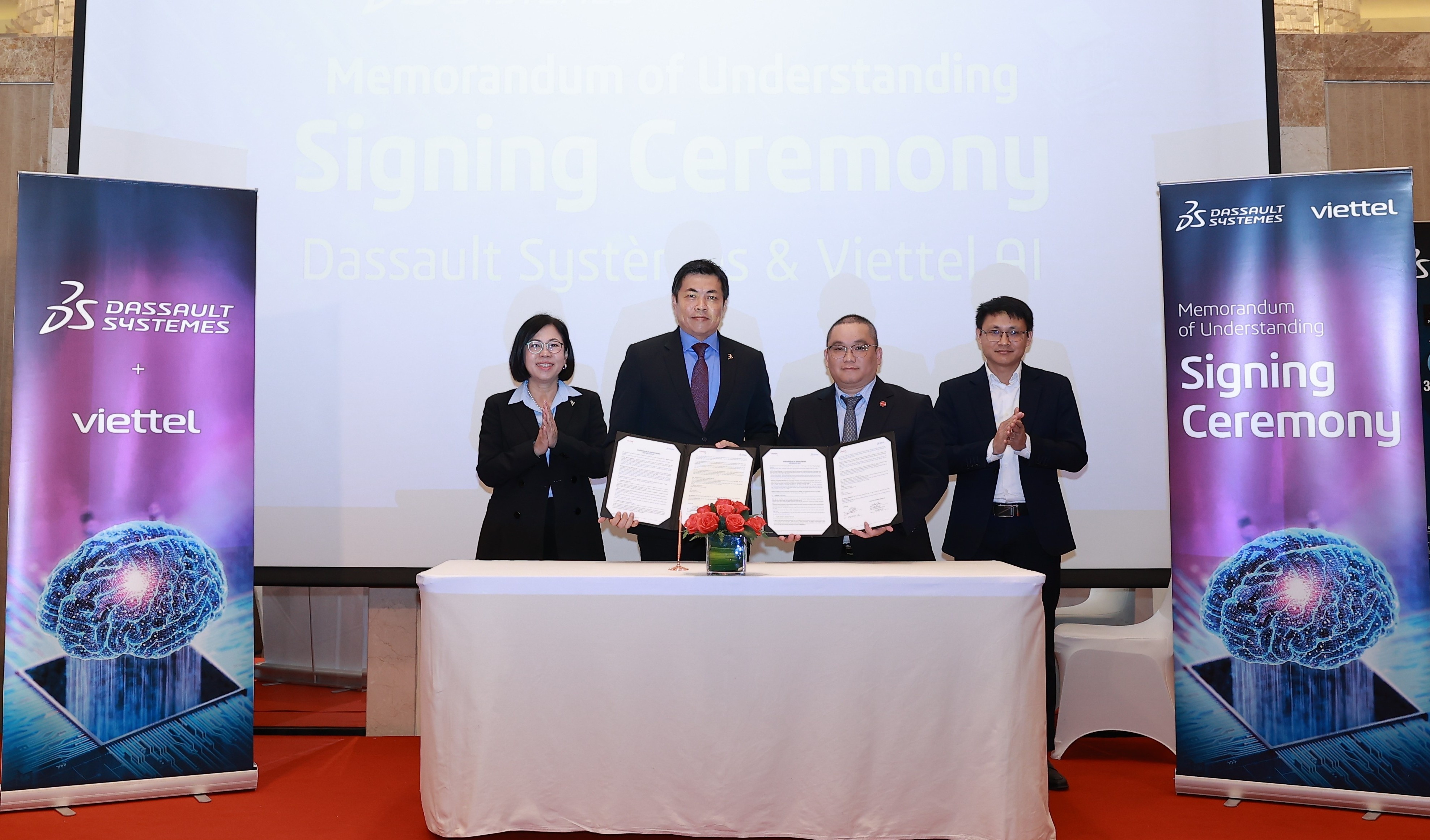
At Dassault Systèmes, software compliance and digital trust are viewed not as isolated operational concerns, but as critical enablers of responsible innovation and long-term competitiveness. The 3DEXPERIENCE platform is built on the principle that organisations can only fully realise the value of digital transformation when their software environments are properly licensed, maintained, and governed.
 |
Compliance is not a barrier. It is an enabler.
The manufacturers succeeding in digital transformation today are those that have built their operations on governed, trusted platforms. They collaborate more effectively, scale more efficiently, and derive greater value from their technology investments because their tools perform as intended, and their outputs can be confidently verified.
As manufacturing ecosystems become increasingly interconnected, the ability to demonstrate clean, traceable, and compliant digital processes is fast becoming a baseline requirement for participation in global supply chains.
For Vietnam, the opportunity is significant. As the country strengthens its role in advanced manufacturing and seeks to attract more high-value investment, digital trust will become an increasingly important source of competitive advantage.
Because in the end, the future of manufacturing will not be defined by innovation alone. It will be defined by trust.
 | Dassault Systèmes joins forces with European firms to advance sovereign digital Europe Dassault Systèmes is cooperating with 11 companies in Europe to advance a sovereign digital future. |
 | AI and digital twin centres launched in Hanoi New research facilities have been launched in Hanoi to support the development and application of advanced digital technologies, reflecting growing emphasis on innovation-led competitiveness. |
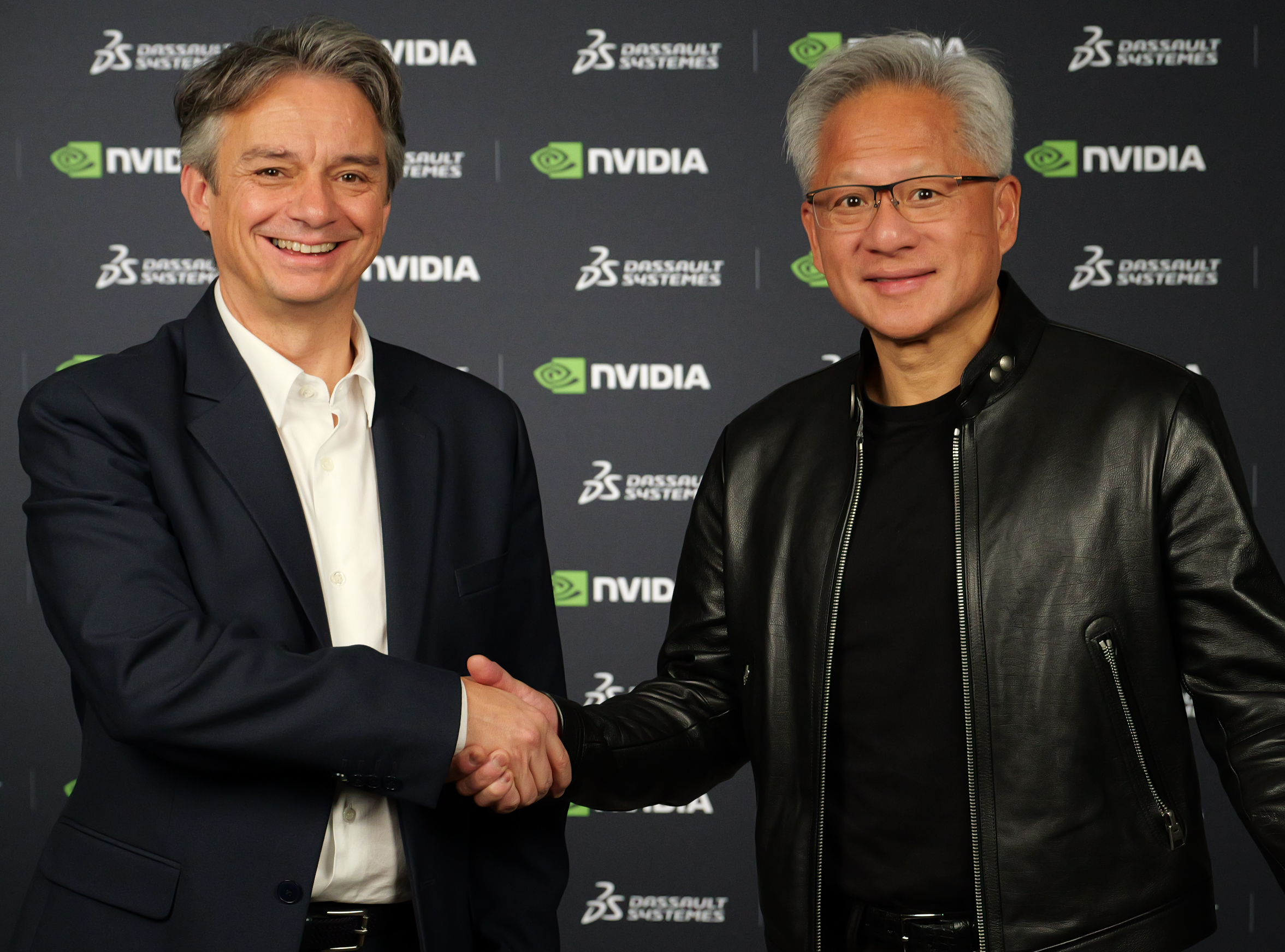 | Dassault Systèmes and Nvidia to build platform powering virtual twins Dassault Systèmes and Nvidia on February 3 announced a long-term strategic partnership to establish a shared industrial architecture for mission-critical AI across industries. |
 | Groupe Rocher partners with Dassault Systèmes to accelerate cosmetic research French cosmetics group Groupe Rocher has partnered with Dassault Systèmes to accelerate research and development of cosmetic products using virtual twin technology. |
 | PolyU signs tripartite MoU with Dassault Systèmes in Paris The Hong Kong Polytechnic University signed a tripartite memorandum of understanding in Paris with Dassault Systèmes and PAIEvo, a subsidiary of XtalPi Holdings, to advance cross-continental research innovation collaboration. |
What the stars mean:
★ Poor ★ ★ Promising ★★★ Good ★★★★ Very good ★★★★★ Exceptional
 Tag:
Tag:
Themes: Digital Transformation
- Vietnam transforming AI ambitions into business impact
- Work on digital technology building begins in Hanoi
- Vietnam-Australia forum boosts AI and digital technology cooperation
- Digital transformation shifts focus to added value
- Amazon Kuiper licensed for private satellite telecommunications network in Vietnam
Related Contents








Latest News





More News
- Vietnam transforming AI ambitions into business impact (October 16, 2026 | 18:01)
- Friso promotes global scientific collaboration on children’s gut health in Vietnam (October 13, 2026 | 16:18)
- Germany and Vietnam look to expand strategic cooperation and investment (October 13, 2026 | 16:14)
- Vietnam-Australia forum boosts AI and digital technology cooperation (October 13, 2026 | 11:30)
- Digital transformation shifts focus to added value (October 09, 2026 | 18:00)
- Melatec Dental Clinic - accompanying international clients on their smile care journey (October 09, 2026 | 17:25)
- 12 localities achieve double-digit growth in first nine months (October 09, 2026 | 17:00)
- CYE 2026 announces top 5 finalists (October 09, 2026 | 16:55)
- Robotics inspires Vietnam’s next generation of engineers (October 08, 2026 | 15:18)
- Vietnam among fastest AI adopters, Pearson-AWS study finds (October 07, 2026 | 12:26)








 Mobile Version