
Beyond digital: Why Asia's hospitals are racing to get connected?

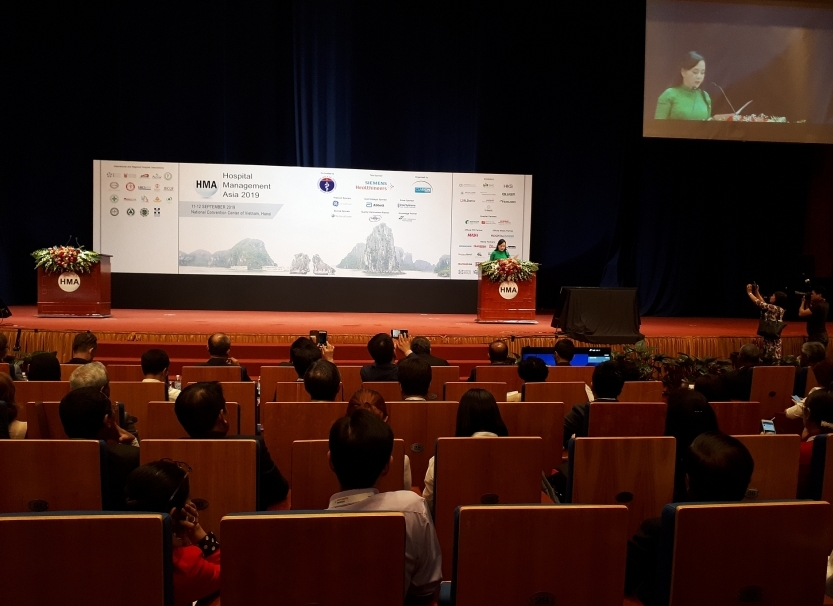
The strain on operations makes the question urgent. At Hospital Management Asia (HMA) 2026 held in early September in Bangkok, hospital leaders warned that Thailand's elderly population is set to jump from 20 per cent to 28 per cent within a decade, even as healthcare systems worldwide face a projected shortfall of 11 million workers by 2030.
 |
This means hospitals will be treating more patients with multiple chronic conditions even as their workforce continues to shrink.
In this context, fragmented patient data across multiple systems forces doctors to search for information in several places, while patients repeatedly recount their medical history at every point of care.
When AI is deployed on such a fragmented foundation, its performance often falls short of expectations. Many hospitals report that AI‑generated clinical notes can save 10-15 minutes per consultation, yet the benefit is lost because the notes do not integrate into the medical record.
At Bumrungrad International Hospital, it took three years of trials before the radiology team fully trusted AI‑assisted results.
Experts repeatedly emphasise one common point: AI only delivers real value when it is built into the workflow - not bolted onto an already fragmented system - and every output still requires physician verification.
That is precisely the gap Amalga is positioned to close. Founded by the team behind Orion Health, the company now runs hospital information systems across more than 30 hospitals, serving upward of 10 million patients, with teams in New Zealand, Thailand and Vietnam.
Amalga is a New Zealand-based health technology company providing Hospital Information Systems and Electronic Patient Record solutions. Its integrated platform helps healthcare organisations streamline clinical and operational workflows, connect patient data, and improve the delivery of safe, efficient, and patient-centred care.
The approach stays the same wherever it operates: unify records into a single, patient-centred view, standardise the data against interoperability standards like HL7/FHIR, and only then add AI.
“AI is only as useful as the data environment behind it,” said Niru Rajakumar, CEO of Amalga. “Hospitals need to establish a trusted and connected data foundation before they can realise its full potential.”
As Asia’s healthcare systems race to meet the demands of an ageing population and a shrinking workforce, the lesson from HMA 2026 is clear: the leaders will not be those who buy the most technology, but those who make their technology work seamlessly together, so people can focus on what matters most - delivering better healthcare.
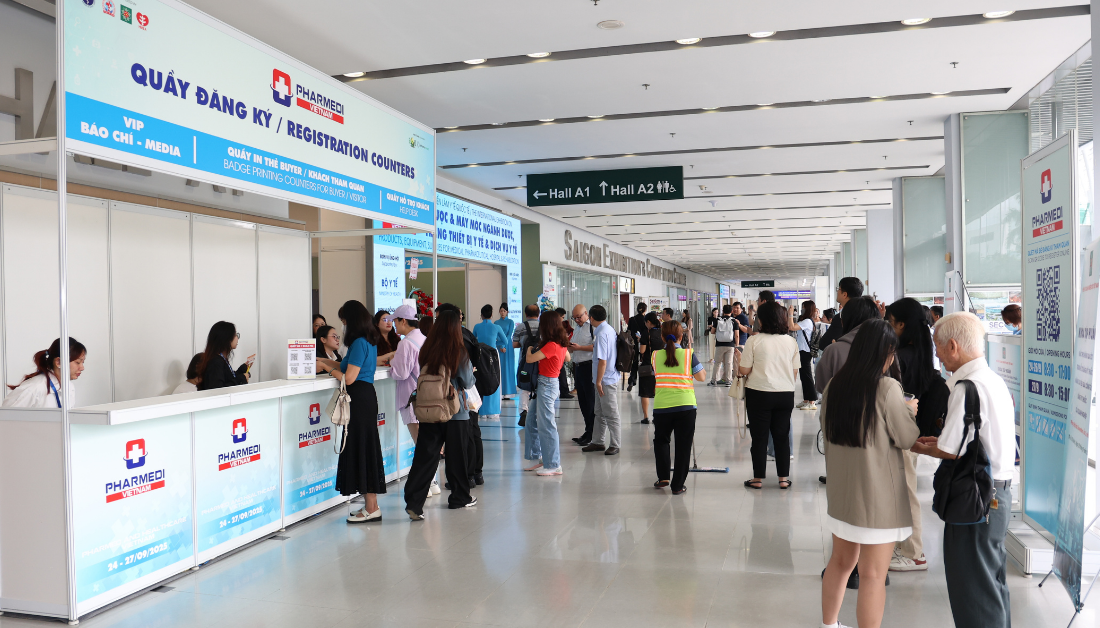 | Pharmedi Vietnam 2026: Connecting innovation, knowledge and business opportunities Taking place from September 22-24, at Saigon Exhibition and Convention Centre, Ho Chi Minh City, Pharmedi & Healthcare Vietnam 2026 will bring together healthcare solutions, professional knowledge and business networking opportunities. |
 | AstraZeneca Vietnam upgrades logistics system to support growing operations AstraZeneca Vietnam is upgrading and expanding its logistics system to increase storage capacity, strengthen medicine preservation standards, and support its growing operations in the country. |
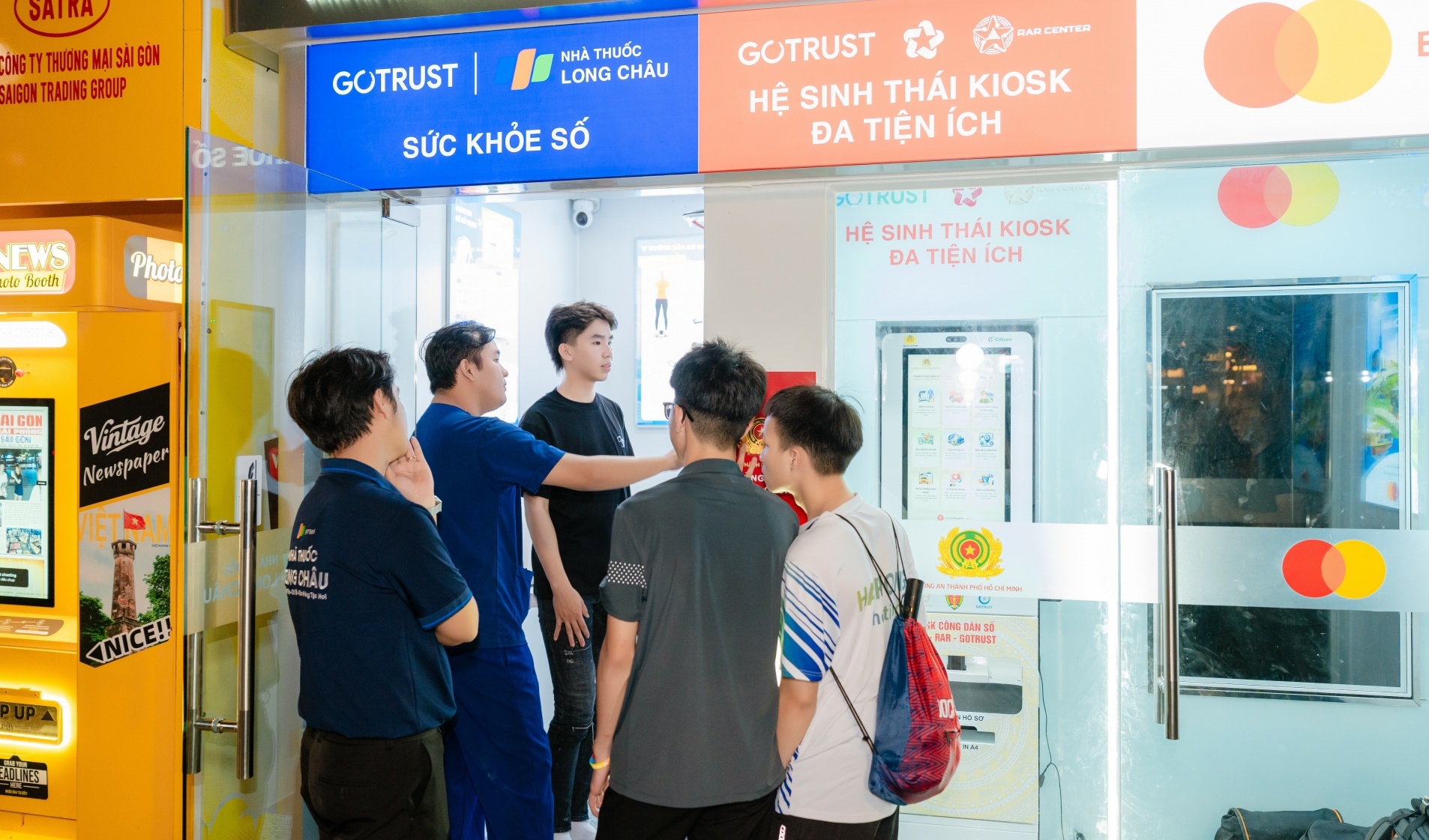
 | Digital Citizen Stations bring new health services A Digital Citizen Station has appeared on Nguyen Hue Pedestrian Street, Ho Chi Minh City, offering free digital healthcare services to residents and visitors. |
 | Japan’s Nissha to exit investment in Vietnam’s USM Healthcare Nissha Co., Ltd. on September 4 announced that the company resolved to transfer all shares of USM Healthcare Medical Devices Factory JSC held by the company and its consolidated subsidiary, Nissha Vietnam Co., Ltd. |
What the stars mean:
★ Poor ★ ★ Promising ★★★ Good ★★★★ Very good ★★★★★ Exceptional
 Tag:
Tag:
Related Contents



Latest News



More News
- AMATA congratulates Kao Vietnam on 30 years (October 21, 2026 | 14:17)
- Deputy Minister of Finance meets Gujarat delegation in Hanoi (October 21, 2026 | 12:11)
- Vietnam and US discuss financial cooperation and preparations for APEC 2027 (October 21, 2026 | 12:07)
- Vietnam and Denmark sign MoUs to strengthen bilateral ties (October 21, 2026 | 08:00)
- Vietnam and Liechtenstein sign double taxation avoidance agreement (October 19, 2026 | 18:08)
- Creative Young Entrepreneur 2026 showcases five young businesses (October 19, 2026 | 17:59)
- IEAE Hanoi 2026 to spotlight smart electronics trends (October 19, 2026 | 17:44)
- Vietnam and EFTA member states sign free trade agreement (October 19, 2026 | 13:10)
- TC-HICT handles over 8.2 million TEUs since 2018 launch (October 17, 2026 | 16:56)
- Vietnam transforming AI ambitions into business impact (October 16, 2026 | 18:01)






 Mobile Version