
Vietnam urged to deepen FDI linkages with domestic businesses

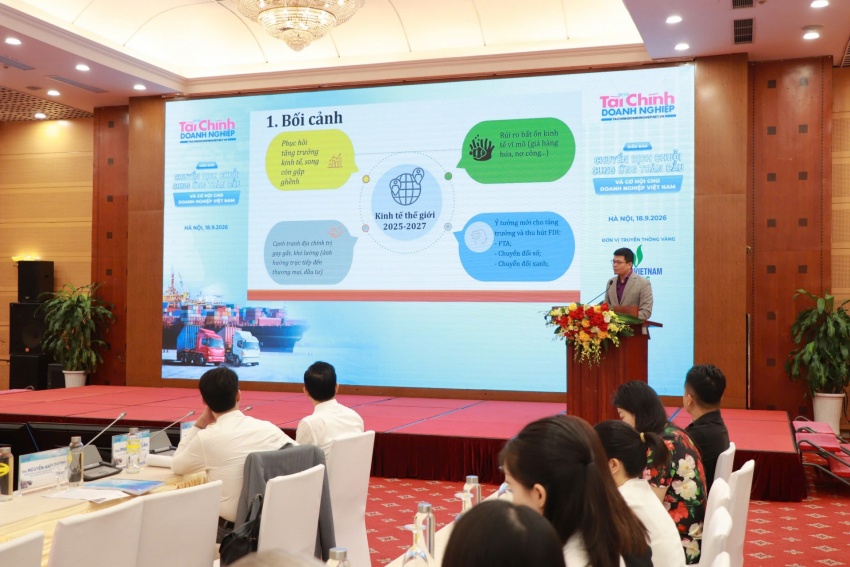 |
| Nguyen Anh Duong from the Institute for Policy and Strategy. Photo: Manh Tuan |
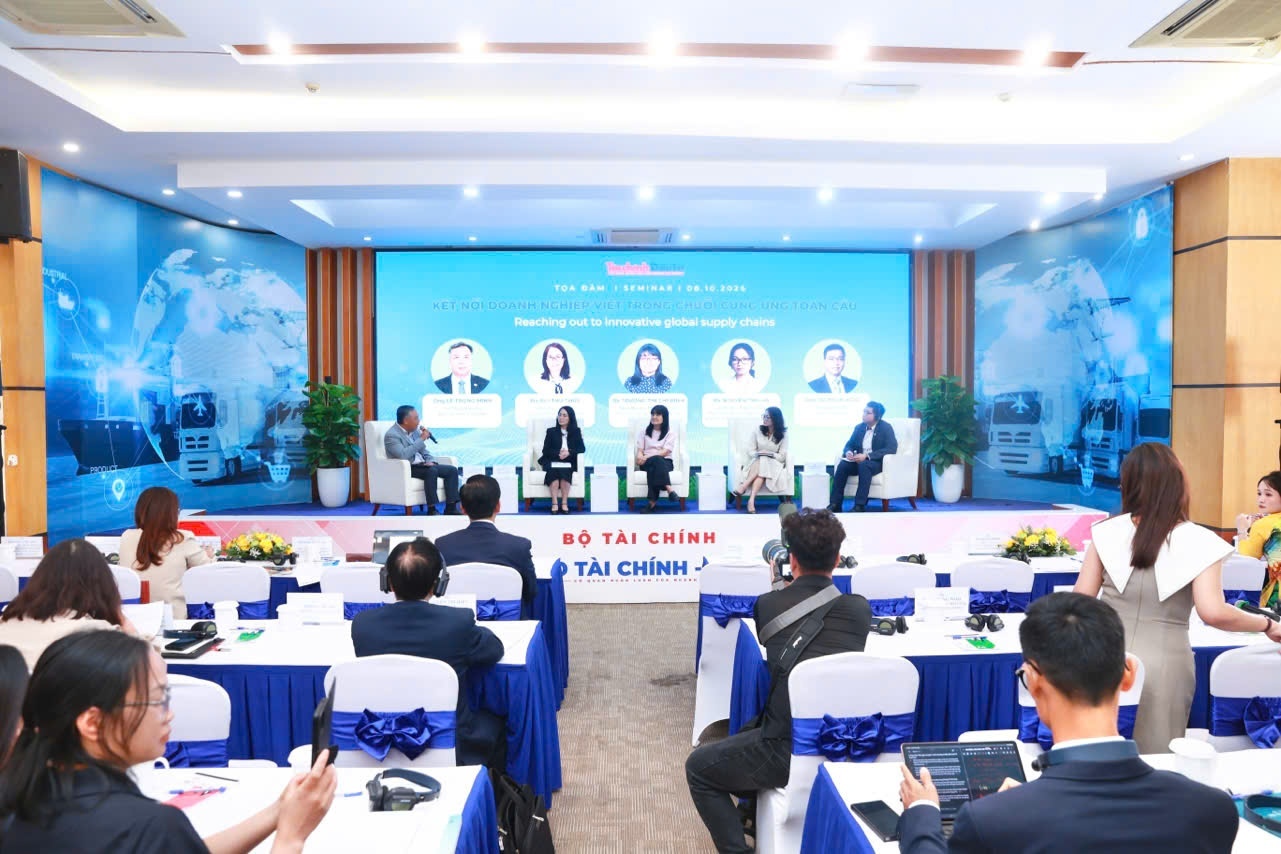
At the forum, “Global Supply Chain Shifts and Opportunities for Vietnamese Businesses,” held in Hanoi on September 18, Nguyen Anh Duong from the Institute for Policy and Strategy said that Vietnam continued to achieve positive results in attracting FDI, with China gradually emerging as one of the country's leading sources of investment.
In 2025, Singapore ranked first in FDI into Vietnam, with $6.98 billion, followed by China with $5.19 billion and South Korea with $4.2 billion. In the first eight months of 2026, the country's major investment partners continued to include Singapore, South Korea, Hong Kong, Malaysia, China, and Japan.
"These figures reflect Vietnam's attractiveness amid capital flows and supply chain restructuring," Duong said. "However, behind the results in attracting FDI lies the question of how external capital can be connected with domestic production capacity: To what extent can Vietnamese businesses participate, and which stages of the supply chain can they undertake?"
He said FDI, particularly from East Asia and the Pacific, had helped Vietnam boost growth and exports, strengthen economic linkages, and make more effective use of free trade agreements.
The continued presence of major regional economies among Vietnam's leading investment partners also created opportunities for the country to participate more deeply in international production and trade networks.
According to Duong, one of the challenges facing Vietnam is the limited linkage between foreign-invested and domestic companies.
"This linkage gap directly affects the ability of Vietnamese businesses to become suppliers to the FDI sector, raise localisation rates, and participate in higher value-added stages," he said. "The effectiveness of investment attraction should be assessed not only through the scale of capital flows, but also through their spillover effects and their ability to create domestic production linkages."
Alongside domestic constraints, the international trade environment is creating new requirements. Duong noted that Vietnam was facing challenges arising from US import tariff policies since 2025, as well as technical criteria related to inputs "from a third economy."
"These requirements are making the origin of goods and sources of inputs increasingly important. Businesses participating in supply chains need to exercise greater control over raw materials, production processes, and related technical conditions if they want to maintain market access," Duong said.
Vietnam must also consider the risk of a "race to the bottom" within ASEAN. As countries compete to attract relocating investment, competition based primarily on incentives may fail to create the foundations needed to strengthen domestic production capacity.
Duong recommended shifting from an approach focused on the quantity of FDI attracted towards more selective investment screening, with priority given to high-tech and innovation-driven projects that establish linkages with domestic businesses.
Alongside project selection, Vietnam needs to develop supporting industries and improve logistics, digital infrastructure, and energy capacity, while strengthening risk management relating to rules of origin and trade defence. These are essential conditions for building a resilient production ecosystem, diversifying markets, and strengthening the economy's autonomy.
If the selection of investment flows determines the quality of the inputs into the investment attraction process, the capacity of domestic businesses determines how effectively Vietnam can capitalise on opportunities created by supply chain shifts.
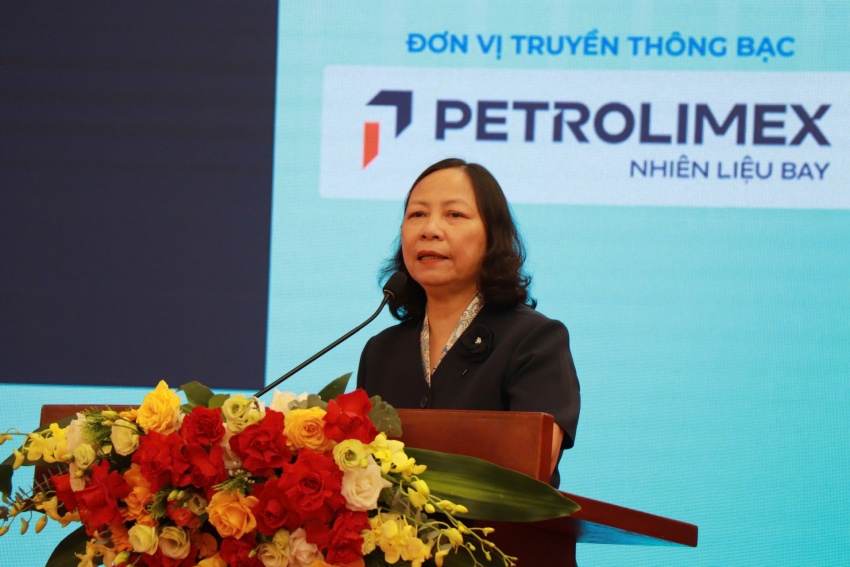 |
| Le Thi Duyen Hai, vice chairwoman and Secretary General of the Vietnam Tax Consultants Association. Photo: Manh Tuan |
On tax policy, Le Thi Duyen Hai, vice chairwoman and Secretary General of the Vietnam Tax Consultants Association, said the focus should shift from "attracting investment into Vietnam" towards "upgrading the capabilities of Vietnamese businesses so they can become high-value links in global supply chains".
"This shift requires tax policy to be viewed from a perspective broader than the goal of reducing costs in the short term. Tax policy should not only reduce tax liabilities, but, more importantly, create incentives for Vietnamese businesses to change their growth models," she said.
Hai outlined a chain of outcomes: “Technology, R&D, Human Resources, Supply Chains, and Global Markets”. Technology, R&D activities, and the quality of human resources provide the foundation for businesses to improve their production capabilities, allowing them to participate more deeply in supply chains and gain access to international markets.
"This approach also shows that support policies need to focus on businesses' long-term capacity upgrading," she said. "If efforts stop at attracting more projects while domestic businesses lack the capacity to become suppliers, linkages and the value retained in the economy will be difficult to improve."
Delegates said policy and the business environment play an important role in helping companies adapt to supply chain shifts. Alongside tax policies and support measures, Vietnam needs to develop supporting industries, improve competitiveness, and strengthen linkages between domestic businesses and the FDI sector.
The goal is to raise localisation rates and establish high value-added production linkages. Achieving this requires Vietnamese businesses to strengthen their capabilities, while policies need to create conditions for companies to access orders, expand markets, and participate more deeply in regional and global supply chains.
Supply chain shifts are creating opportunities to attract investment and expand markets, but they are also highlighting weaknesses in supporting industries, logistics, and production linkages. The challenge is no longer simply to bring more FDI into Vietnam, but to select investment flows that are better aligned with the country's development goals and create conditions for domestic businesses to gradually become high-value links in global supply chains.
 | Electronics FIEs asked to expand Vietnamese supplier networks Foreign-invested electronics companies are being urged to expand their Vietnamese supplier networks and help domestic businesses move deeper into global supply chains. |
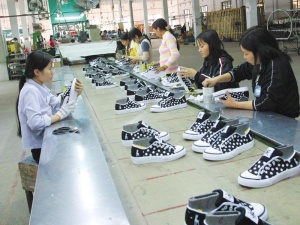 | Nike boosts sourcing from Vietnam as manufacturing share rises Footwear giant Nike has increased its sourcing from factories in Vietnam, reinforcing the country's role as its largest global manufacturing base. |
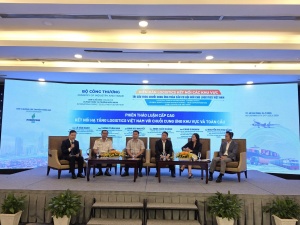 | Global supply chain restructuring presents new opportunities for logistics sector Global supply chain restructuring presents new opportunities for Vietnam's logistics sector, but capitalising on this trend will require accelerated infrastructure development, digital transformation, green logistics, and stronger regional connectivity. |
What the stars mean:
★ Poor ★ ★ Promising ★★★ Good ★★★★ Very good ★★★★★ Exceptional
 Tag:
Tag:Related Contents





Latest News




More News
- Expanding education partnerships to drive mutual growth (October 06, 2026 | 16:04)
- VTG 2026 to showcase textile and footwear innovation in Ho Chi Minh City (October 06, 2026 | 16:00)
- Infineon boosts Vietnam footprint with Ho Chi Minh City office (October 06, 2026 | 10:02)
- Vietnam Customs expands priority enterprise scheme to 74 firms (October 03, 2026 | 08:00)
- ASL Law opens Danang office (October 02, 2026 | 22:12)
- Project ACTIVE 2.0 launches in Vietnam to boost cervical cancer care (October 02, 2026 | 22:02)
- Vietnam launches first embodied AI conference to advance robotics ecosystem (October 02, 2026 | 17:00)
- DKSH Performance Materials – A trusted partner in Vietnam’s evolving personal care landscape (October 02, 2026 | 14:28)
- Ghanaian delegation reviews PSL Machinery’s cashew factory-management and implementation roadmap (October 02, 2026 | 10:18)
- People living with chronic kidney disease and diabetes should be aware of infectious disease risks (September 30, 2026 | 18:00)


Latest News



 Mobile Version