
Experts highlight unpaid care work as key barrier to gender equality

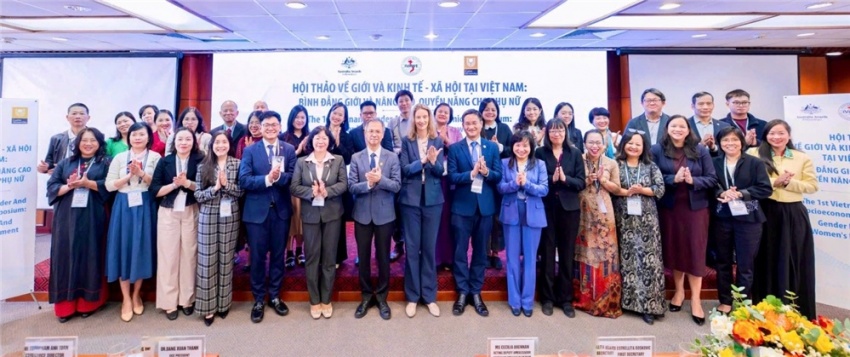 |
At the international scientific conference on gender equality and female empowerment, held on December 2–3 in Hanoi, scholars and policymakers highlighted the challenges posed by unpaid care work. Experts warned that this largely unrecognised form of labour continues to constrain women’s economic opportunities and called for stronger policies to reduce the care burden and incorporate its value into national accounts.
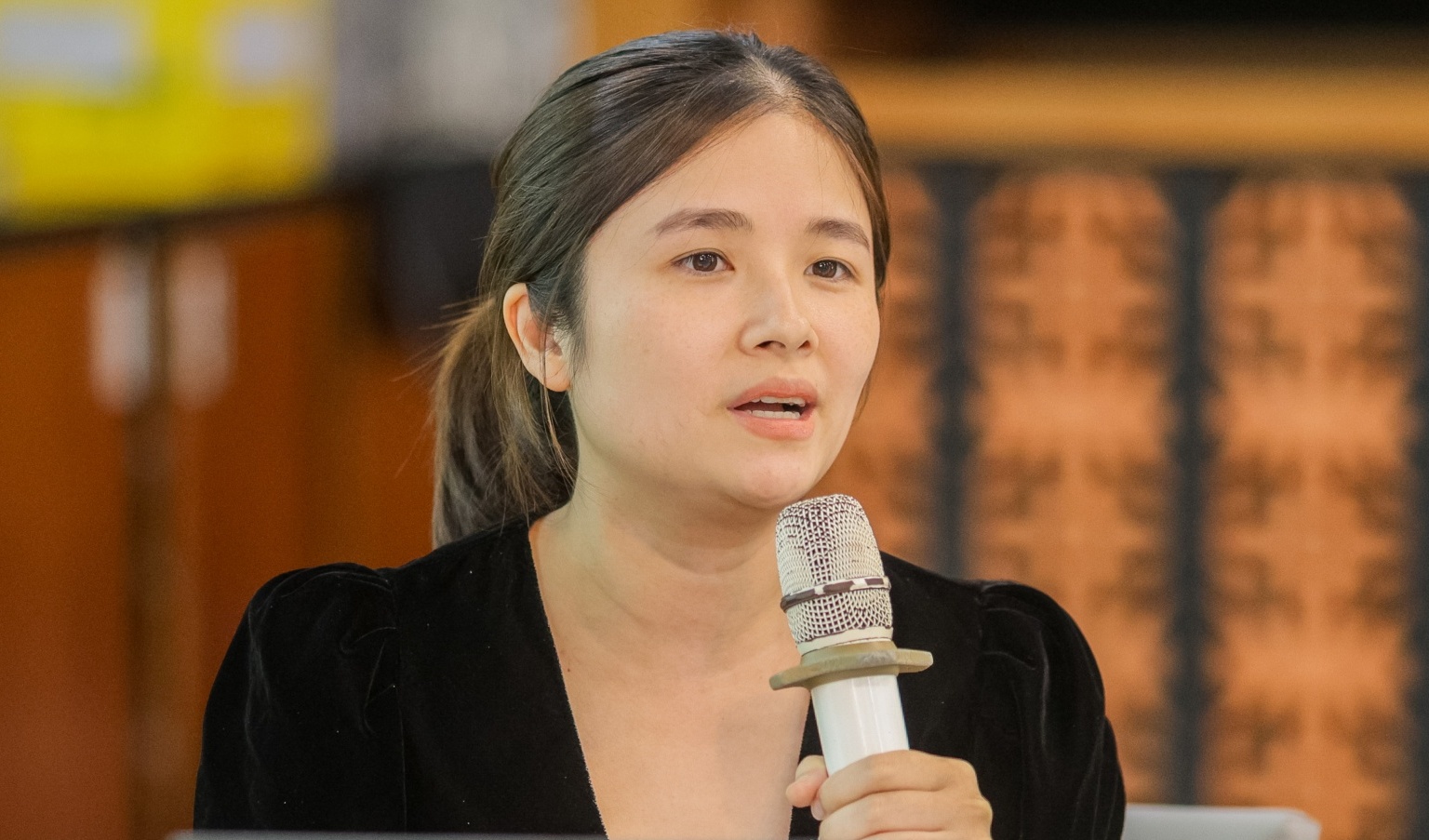
Nguyen Thi Van Ha, senior researcher at the Institute of Vietnam and World Economy under the Vietnam Academy of Social Sciences, delivered an insightful presentation on the implications of unpaid care work in Vietnam.
Ha opened with a thought-provoking question about how much time is spent each day on household chores, caring for children, and looking after sick or elderly family members.
She explained that to understand gender inequality, society must first acknowledge the enormous value that unpaid care work generates, not just for families but for the entire economy. As she reminded the audience, “Unpaid care work is essential for reproducing the labour force and ensuring wellbeing across generations.”
The researcher explained that unpaid care work is generally framed around three components: domestic duties such as cooking and cleaning; direct personal care for children, elderly, or disabled family members; and community work, including voluntary activities that support others.
Although the term is widely used in global research, in Vietnam it has only recently appeared in official documents. Before 2021, national policy frameworks typically referred to housework, a term that, as Ha noted, “Inadvertently, diminishes its value and reinforces the idea that care work is a natural female responsibility.”
She highlighted findings from an Oxfam study estimating that unpaid care work contributes about $10 trillion annually worldwide, approximately one-eighth of global GDP. Yet, these contributions remain invisible in national economic accounts. Vietnam is no exception.
Cultural norms also shape expectations. Citing a well-known saying, 'Men build the house, women make the home', Ha argued that such beliefs place disproportionate pressure on women to manage care responsibilities, often at the expense of career opportunities.
“Women accept part-time jobs, decline promotions, or choose work closer to home because the care burden leaves them no other choice,” she said.
Despite several policy documents acknowledging family responsibilities, Vietnam has yet to fully recognise unpaid care work as a labour category. Key legal instruments, the Law on Marriage and Family (2014), the Law on Gender Equality (2006), and national gender strategies, only refer to related concepts such as “family work.” Meanwhile, global commitments like the United Nations’ 2030 Agenda call for valuing unpaid care work through public services, infrastructure, and social protection.
Vietnam’s National Strategy on Gender Equality aims to reduce the average time women spend on housework to 1.4 times that of men by 2030. However, as Ha pointed out, existing support measures focus primarily on childcare for children over five and care for the elderly, leaving critical gaps. “There is very limited support for children under three, the age group that requires the most intensive care,” she stressed.
Drawing on national data, she analysed the age structure of unpaid care providers. Individuals aged 25-54 account for over 60 per cent of total family workers, revealing that the main burden falls on people in their prime working years. Meanwhile, younger people aged 15-24 increasingly prioritise education or entry into the formal labour market, declining from 20.8 per cent in 2020 to just 7 per cent in 2023, suggesting a shift away from traditional family roles.
She also highlighted the impact of COVID-19. In 2020, men nearly doubled their weekly time spent on unpaid care work, from about 9 hours to more than 13 hours. Childcare responsibilities saw an even more dramatic shift: men increased their weekly childcare time from 2.65 hours to 7 hours.
“The pandemic showed that when circumstances change, caregiving patterns can change too,” Ha observed. However, women’s care burden remained almost unchanged, decreasing by only one hour on average.
Despite promising developments, Vietnam has not yet integrated unpaid care work into labour regulations or national accounts. She concluded, “Women continue to carry a double burden of paid and unpaid work. Recognising the economic value of care is not just a gender issue, but it is also a development imperative.”
Her recommendations include moving beyond indirect social support to policies that directly reduce women’s time spent on care work, launching long-term campaigns to dismantle cultural stereotypes, and integrating unpaid care work into national accounting systems.
By giving visibility to this 'invisible economy', the symposium underscored a crucial point: gender equality cannot be achieved unless unpaid care work is recognised, valued, and shared more equitably.
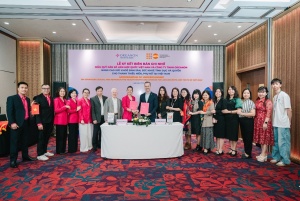 | Organon and UNFPA advance reproductive health services Organon Vietnam and UNFPA have signed an MoU to improve access to youth-friendly sexual and reproductive health information and services in Vietnam. |
 | FutureGen Girls Foundation hosts inaugural Young Women Leaders Award ceremony The FutureGen Girls Foundation has hosted its inaugural FutureGen Young Women Leaders Award ceremony, celebrating achievements of emerging female leaders. |
 | New phase launched to support women-led ventures A nationwide conference reviewed a flagship initiative for female-led startups and launched a new decade-long support programme, with Prime Minister Pham Minh Chinh presiding. |
What the stars mean:
★ Poor ★ ★ Promising ★★★ Good ★★★★ Very good ★★★★★ Exceptional
 Tag:
Tag:Related Contents









Latest News


More News
- Consultation workshop refines Vietnam's clean hydrogen strategy (October 04, 2026 | 08:00)
- JBIC considers new financing options for Vietnam’s energy projects (October 03, 2026 | 08:00)
- Vestas to supply 16 turbines for two new Vietnam wind farms (October 01, 2026 | 07:00)
- Inter-sectoral cooperation on Montreal protocol (September 30, 2026 | 17:20)
- EV battery recycling rate proposed at 8 per cent from 2029 (September 29, 2026 | 16:00)
- Bankability remains hurdle for Vietnam's JETP projects (September 29, 2026 | 12:08)
- Binh Minh Plastics extends clean water project to border communities (September 29, 2026 | 10:57)
- Coca-Cola Vietnam expands packaging collection programme (September 25, 2026 | 08:15)
- Pacifico Energy secures sea survey licence for offshore wind project in Lam Dong (September 24, 2026 | 18:02)
- Vietnam secures $221 million in UN development programmes for 2027-2031 (September 23, 2026 | 17:39)








 Mobile Version