
World's children exposed to at least three overlapping climate threats

Almost every child in the world faces at least one climate hazard, while more than four million could face as many as six overlapping threats, the report warns.
This global trend is also reflected in Vietnam, where an estimated 22.9 million children (82.16 per cent) are exposed to at least three overlapping climate hazards. Nearly all children in the country are exposed to tropical storms, highlighting the scale and intensity of climate risks they face.
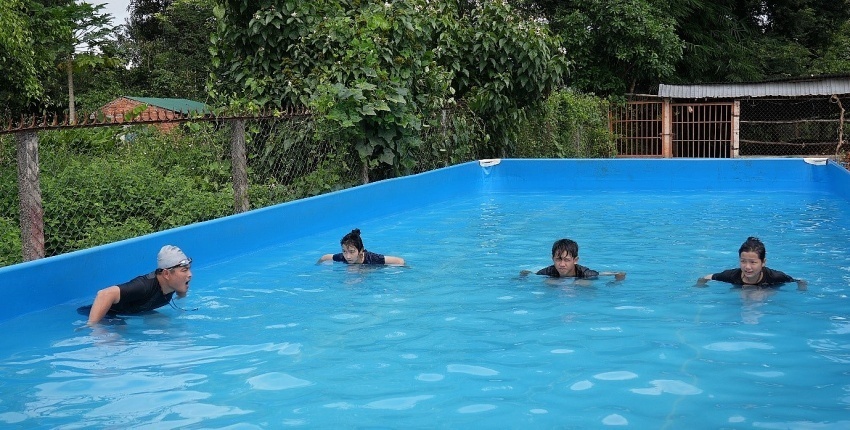 |
| Photo: WHO Vietnam |
The Children’s Climate Risk Report 2026 uses the latest available data to map children’s exposure to the eight most frequent climate threats, including coastal floods, droughts, extreme heat, fires, heatwaves, riverine floods, sand and dust storms, and tropical storms. For the first time, the report reveals exactly where – and how intense – multiple and overlapping climate threats are affecting children and the essential social services they rely on, and how governments can take concrete actions to respond.
“The lives of children continue to be upended by the impact of heatwaves, wildfires, droughts, and floods,” said UNICEF executive director Catherine Russell. “Half of the world’s children are now living with at least three overlapping climate threats shaping their daily lives.”
Drought, extreme heat, and heatwaves are the most widespread combination of climate hazards, with over 296 million children living in areas exposed to all three conditions, according to the findings. The second most common combination – drought, extreme heat, and tropical storms – leaves more than 115 million children worldwide exposed to these overlapping threats.
In Vietnam, children are also facing multiple overlapping hazards, particularly combinations driven by tropical storms. The most common combinations include tropical storms, drought, heatwaves and extreme heat, affecting more than 4.5 million children, followed by more complex combinations involving river flooding, and another 2.7 million children exposed to tropical storms, drought and heatwaves.
In the Sahel region of Africa, one of the hardest hit, more than 4 million children face the triple threat of heatwaves, extreme heat, and sand and dust storms, while in countries across Asia, for example Bangladesh, Myanmar, and Pakistan, children are exposed to more climate hazards at once and at a higher intensity than anywhere else in the world.
High-income countries are not immune to overlapping climate shocks. In Italy, for example, more than 6 million children are exposed to prolonged heatwaves and drought, the data show. Yet the country illustrates how investment in climate change adaptation can mitigate some of the risks children face, while highlighting the need for further action as the climate crisis intensifies.
In addition to the eight most frequent climate hazards, the report analyses children’s exposure to air pollution and malaria; two risks that are highly sensitive to the effects of climate change. Data show that air pollution affects nearly every child globally, while one billion children are exposed to malaria, adding another layer of danger for children already facing multiple climate hazards.
In Vietnam, around 24.2 million children (86.77 per cent) are exposed to unhealthy levels of air pollution, with an air pollution score of 8.82 out of 10, indicating a high level of risk. Meanwhile, malaria exposure remains relatively low, affecting around 44,557 children (0.16 per cent).
The report also presents a framework to analyse the different types of risks children face, based on their exposure to climate shocks and their vulnerability, determined by access to essential social services such as healthcare, clean water, education, and more. The approach can be applied in different ways, from looking at risks related to individual or multiple climate hazards to examining risks across sectors, revealing the threats children face across different contexts.
For example, considering multiple hazards and vulnerabilities together, children in landlocked* and fragile* countries such as the Central African Republic or Chad face overlapping climate hazards while also lacking access to basic services, making it much harder for them to cope and recover. Meanwhile, all children in 24 Small Island Developing States, including from Haiti to Vanuatu, are exposed to tropical storms, which can disrupt entire islands at once and overwhelm essential services, the report notes.
Without urgent efforts to reduce greenhouse gas emissions, climate hazards will grow more frequent and severe, placing even greater strain on government budgets and systems, threatening children's wellbeing, the report warns.
To protect children’s rights from climate threats and adapt to growing environmental changes, UNICEF is calling on governments, businesses and relevant actors to reduce emissions and take ambitious action to fulfil existing international commitments; protect children through inclusive climate adaptation, disaster risk reduction, and responses to loss and damage that prioritise the resilience of social services, ensuring that children and child-critical services are included in national adaptation plans and sector strategies, disaster risk governance, preparedness and response plans.
This includes, for example, developing safe and green learning facilities and climate‑resilient healthcare facilities, securing children’s food security, making multi‑hazard early warning systems effective for children and accessible to the services they rely on, and strengthening the efficiency of water and sanitation services, as well as shock‑responsive social protection systems.
They are also urged to empower children and young people to meaningfully participate in climate action by investing in climate education, knowledge and skills, and by strengthening the capacity of decision makers and experts to respect children’s rights to be heard, freedom of expression, and participation in decisions that affect their lives.
“This analysis can help governments and decision-makers plan better and invest more effectively in resilient services,” said Russell. “When we strengthen health and education systems, and improve infrastructure with children in mind, we protect them from today’s climate threats and help secure their future.”
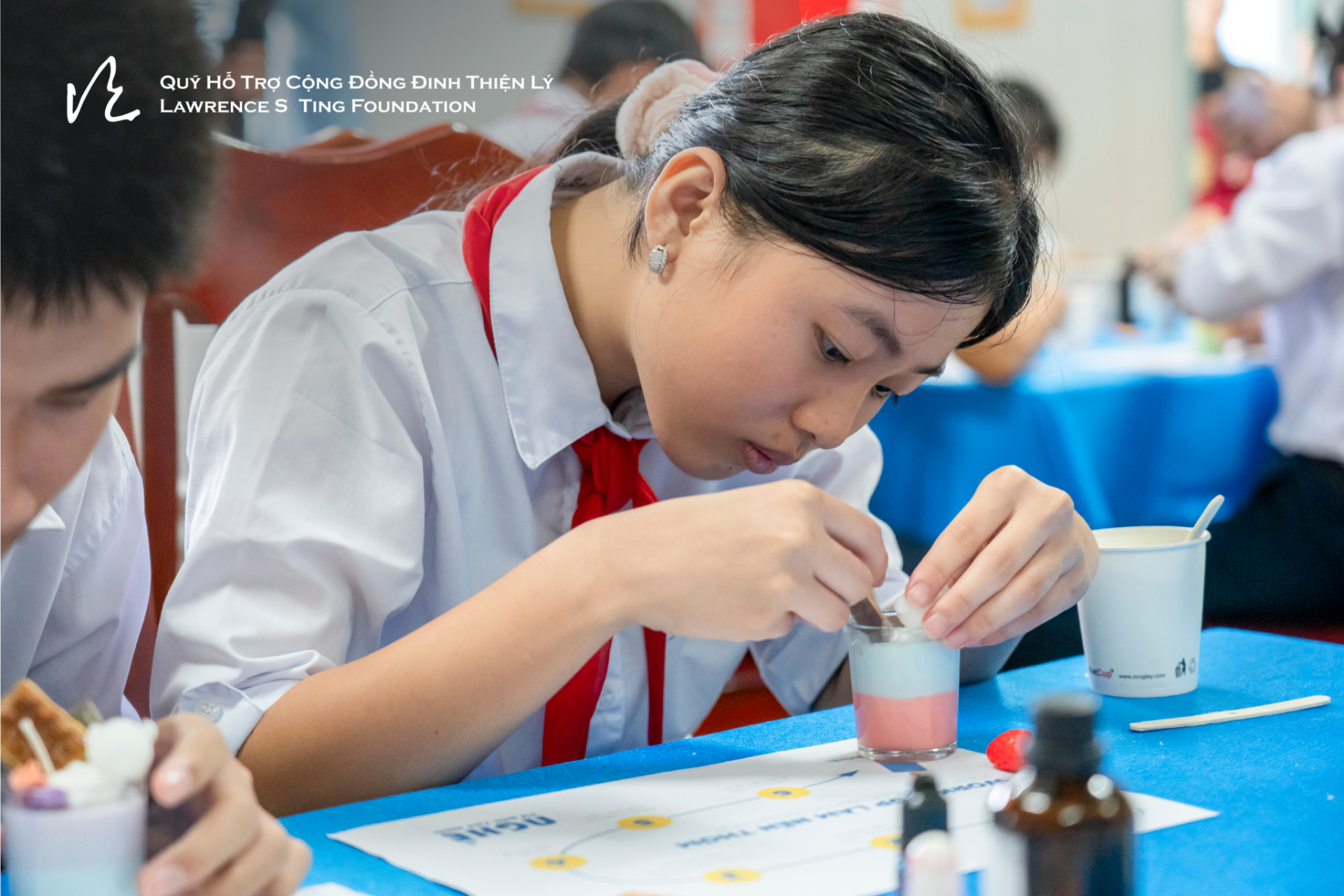 | Fourth Children’s Art Exhibition 2026 set to open Lawrence S. Ting Foundation presents the 4th Children Art Exhibition 2026, themed “Empower Light,” and opening on April 24. |
 | Hong Kong celebrities unite for children's advocacy campaign Entertainers Alice Fung, Phil Lam, Sean Wong and Grace Chan collaborated on initiatives promoting youth welfare and rights. |
 | Advancing early prevention of paediatric respiratory diseases Vietnamese and international experts are seeking advancing early prevention solutions for paediatric respiratory infectious diseases amid climate change, urbanisation and air pollution. |
What the stars mean:
★ Poor ★ ★ Promising ★★★ Good ★★★★ Very good ★★★★★ Exceptional
 Tag:
Tag:
Related Contents




Latest News




More News
- Financing options for shock-responsive social protection in Vietnam (July 30, 2026 | 14:59)
- HER2+ breast cancer carries $3.71 billion productivity burden in Vietnam (July 30, 2026 | 14:32)
- Party Resolution charts Vietnam’s development model through 2045 and beyond (July 30, 2026 | 12:29)
- STEM education evolves for AI era (July 21, 2026 | 09:38)
- Vietnam’s workforce ready for AI era (June 26, 2026 | 16:04)
- Why child online safety is now a business imperative (June 24, 2026 | 11:00)
- Hybrid work is reshaping Vietnam’s labour market (June 17, 2026 | 16:24)
- Thai Nguyen event promotes safer food systems for World Food Safety Day (June 11, 2026 | 14:08)
- Vietnam emerges as rising hub for wealth creation (June 02, 2026 | 18:31)
- Danang launches DIFF 2026 with world-class performances (May 31, 2026 | 08:00)








 Mobile Version