
Vietnam moves closer to 10 per cent growth target

 |
| Nguyen Thi Mai Hanh |
How realistic is Vietnam’s 10 per cent growth target for 2026 given results in the first nine months?
The 10 per cent economic growth target for the whole of 2026 is an important direction that we are striving to achieve. In practice, the growth results for the first nine months show that the economy is making positive progress and moving closer to this target.
In the third quarter, GDP was estimated to have grown by 9.95 per cent, 1.82 percentage points higher than the 8.13 per cent recorded in the same period of 2025. For the first nine months as a whole, GDP was estimated to have expanded by 9.01 per cent, 1.21 percentage points higher than in the same period last year.
Notably, Q3 growth approached double digits, reflecting the economy’s accelerating momentum.
These are positive signals that provide a foundation for further efforts in Q4. However, calculations indicate that GDP would need to grow by approximately 12.5 per cent in Q4 for the economy to achieve the full-year target of 10 per cent.
This is a challenging task that requires production, investment and consumption to continue making strong contributions. At the same time, ministries, sectors and localities must step up efforts to resolve obstructions, accelerate project implementation and create better conditions for production and business activities.
How effective are the key growth measures outlined in Resolution No.168/NQ-CP?
Following the government’s issuance of Resolution No.168/NQ-CP, which updated the growth scenario and outlined key measures for the remaining quarters to achieve economic growth of 10 per cent or higher in 2026, ministries, sectors and localities stepped up their efforts with greater determination than ever. Results achieved over the past three months have confirmed that growth drivers continue to gain traction, particularly industrial production, investment, trade, and tourism.
These positive developments show that investment resources and market demand are being translated into production and business activities, supporting economic growth.
Encouragingly, public investment, the recovery of businesses and domestic purchasing power still have considerable scope to make stronger contributions in Q4 of 2026 by accelerating project implementation, resolving obstacles and stimulating domestic demand.
Overall, positive momentum has become evident in industrial production, investment, trade and services. Areas requiring further impetus include the pace of public investment implementation and its spillover effects, businesses’ capacity to recover, and purchasing power in the domestic market.
The key priorities for Q4 are to remove impediments in project implementation, accelerate the execution of projects and the settlement and finalisation of payments, help businesses expand their markets, and strengthen domestic demand to make fuller use of available growth resources.
Which growth drivers have actually translated into GDP growth?
These drivers include accelerating industrial production, with the manufacturing and processing industry continuing to play a leading role in economic growth. The sector’s added value rose by 12.28 per cent in Q3, its highest growth rate in many years.
Investment resources have also been channelled into actual economic activity, with all economic sectors contributing.
Total realised investment across the economy was estimated to have increased by 16.7 per cent in Q3 of 2026, while growth for the first nine months exceeded 15 per cent.
Rising investment has generated demand for construction, building materials, machinery, and consulting, design, transport and other services, while also helping expand production capacity.
Value added in the construction sector increased by 14.2 per cent in Q3, while the production of metals and construction materials also rose. These positive developments indicate that resources are being mobilised and deployed to implement construction works and projects.
Alongside traditional drivers, new sources of growth, including science and technology, innovation, and the digital economy, are receiving stronger impetus and gradually gaining traction in high-tech manufacturing and services.
At the current stage, however, these new drivers primarily play a supporting role and have yet to become the main engines of growth. Transforming them into leading growth drivers will take time and require coordinated reforms in institutions, human resources and the innovation ecosystem.
What are the biggest challenges to achieving Vietnam’s 10 per cent growth target in 2026?
The fourth quarter is particularly crucial to achieving the full-year economic growth target of 10 per cent in 2026. Calculations indicate that GDP would need to grow by approximately 12.5 per cent in Q4. This requires tremendous effort, with a focus on addressing several key challenges.
First, macroeconomic management must remain flexible in response to fluctuations in exchange rates, energy prices and raw material costs. These factors could increase import costs, put upward pressure on domestic prices and affect production and business expenses. The challenge, therefore, is to ensure adequate capital for the economy while keeping inflation under control and maintaining stability in major economic balances.
Second, public investment disbursement must be accelerated, while improving the effectiveness with which capital is translated into actual economic growth. The final months of the year are typically a period of accelerated disbursement. However, for public investment to contribute directly to GDP, funding must quickly translate into completed construction work, finished projects and new production capacity.
Third, external volatility continues to pose challenges for industrial production and exports. Given the economy’s high degree of openness, changes in demand, trade policies, and supply chains in major markets can quickly affect orders for the manufacturing and processing industry. In addition to maintaining export turnover, it is essential to sustain production momentum, enhance competitiveness, and increase domestic value added.
Finally, continued support is needed to help businesses recover and expand their production and business activities. Ensuring access to credit must therefore go hand in hand with resolving market-related difficulties, improving the business environment and creating better conditions for enterprises to implement projects and expand production.
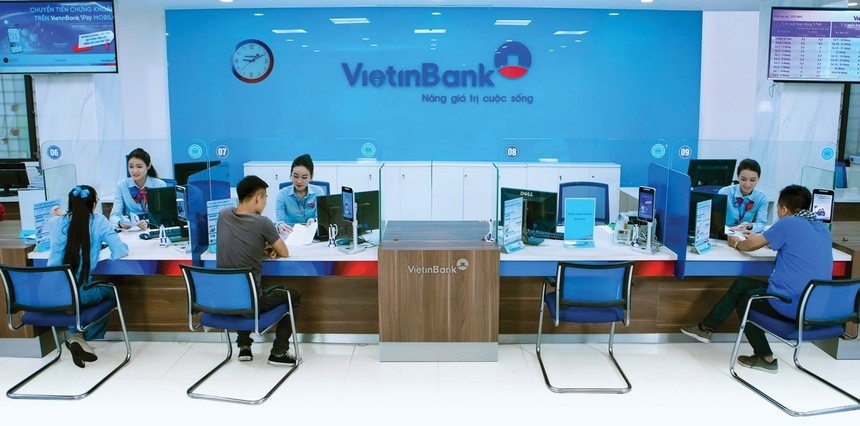
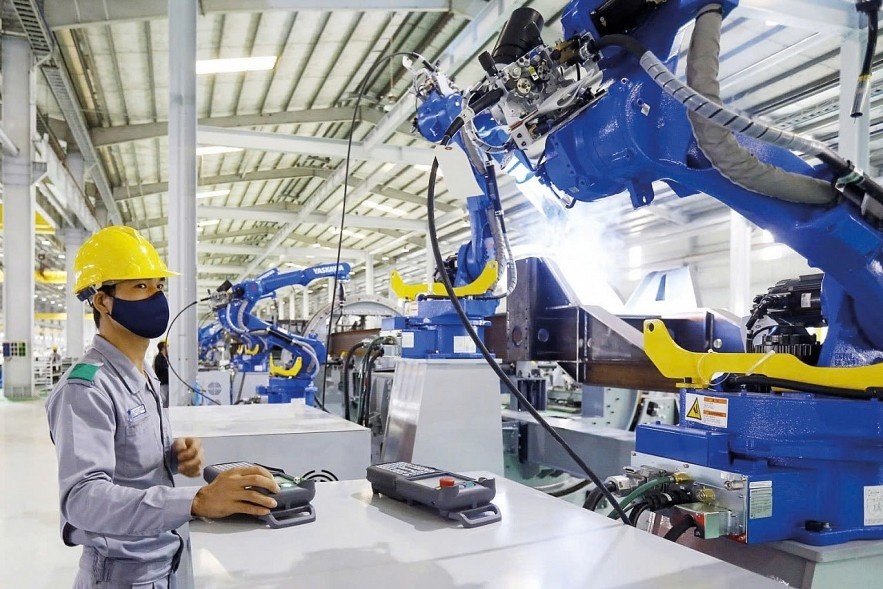
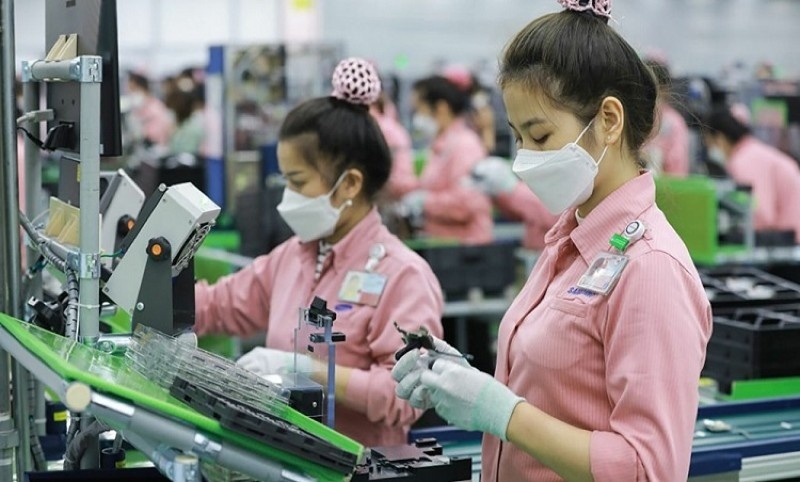
 | Nationwide drive targets delayed projects to boost economic growth Vietnam is stepping up efforts to remove long-standing project delays, freeing blocked resources and paving the way for stronger and economic growth. |
 | Capital mobilisation essential for Vietnam's growth targets Vietnam needs a more balanced financial system that reduces reliance on bank lending while strengthening capital markets to finance long-term investment, government officials said at a conference in Hanoi. |
 | Vietnam seeks stronger Australian investment to support growth target Vietnam's Minister of Finance Ngo Van Tuan has called on Australia to accelerate investment and bilateral cooperation programmes, particularly those supporting private sector development, as Vietnam pursues annual economic growth. |
What the stars mean:
★ Poor ★ ★ Promising ★★★ Good ★★★★ Very good ★★★★★ Exceptional
 Tag:
Related Contents








Latest News
More News
- Vietnam and Laos customs authorities hold 2026 conference (October 28, 2026 | 12:29)
- Plaud launches AI work companion in Vietnam (October 28, 2026 | 12:20)
- Breakthroughs in radiotherapy technology and new drugs for breast cancer treatment (October 27, 2026 | 17:00)
- Cost pressures and AI are shaping corporate reward strategies in Vietnam (October 27, 2026 | 15:54)
- Mitsubishi Electric Vietnam and Hitachi Digital Services complete SAP transformation (October 27, 2026 | 14:00)
- Vietnam-India forum promotes tech cooperation in AI, semiconductors (October 27, 2026 | 12:35)
- W Signature achieves WELL Coworking Rating (October 27, 2026 | 08:00)
- MUFG connecting heritage with sustainable growth (October 26, 2026 | 15:28)
- AI revolution testing ethical standards in accountancy (October 26, 2026 | 12:11)
- Global cities seek solutions to startup scale-up challenge (October 24, 2026 | 12:56)










 Mobile Version