
Vietnam promote food exports to EU market

However, to sustain export growth, businesses need to move towards deeper processing and meet increasingly stringent requirements on food safety, traceability, and sustainable development.
 |
| Photo: ITPC |
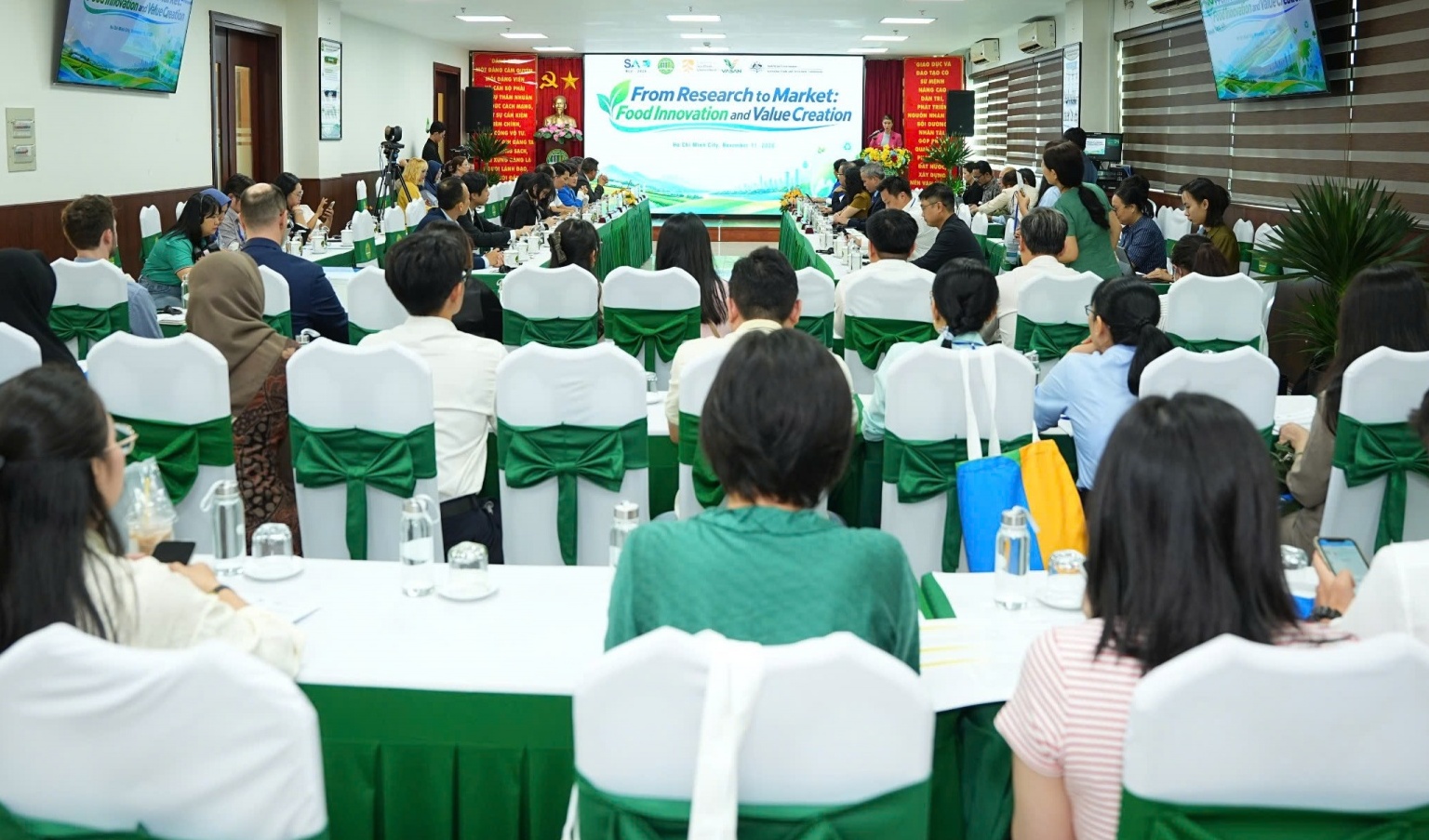
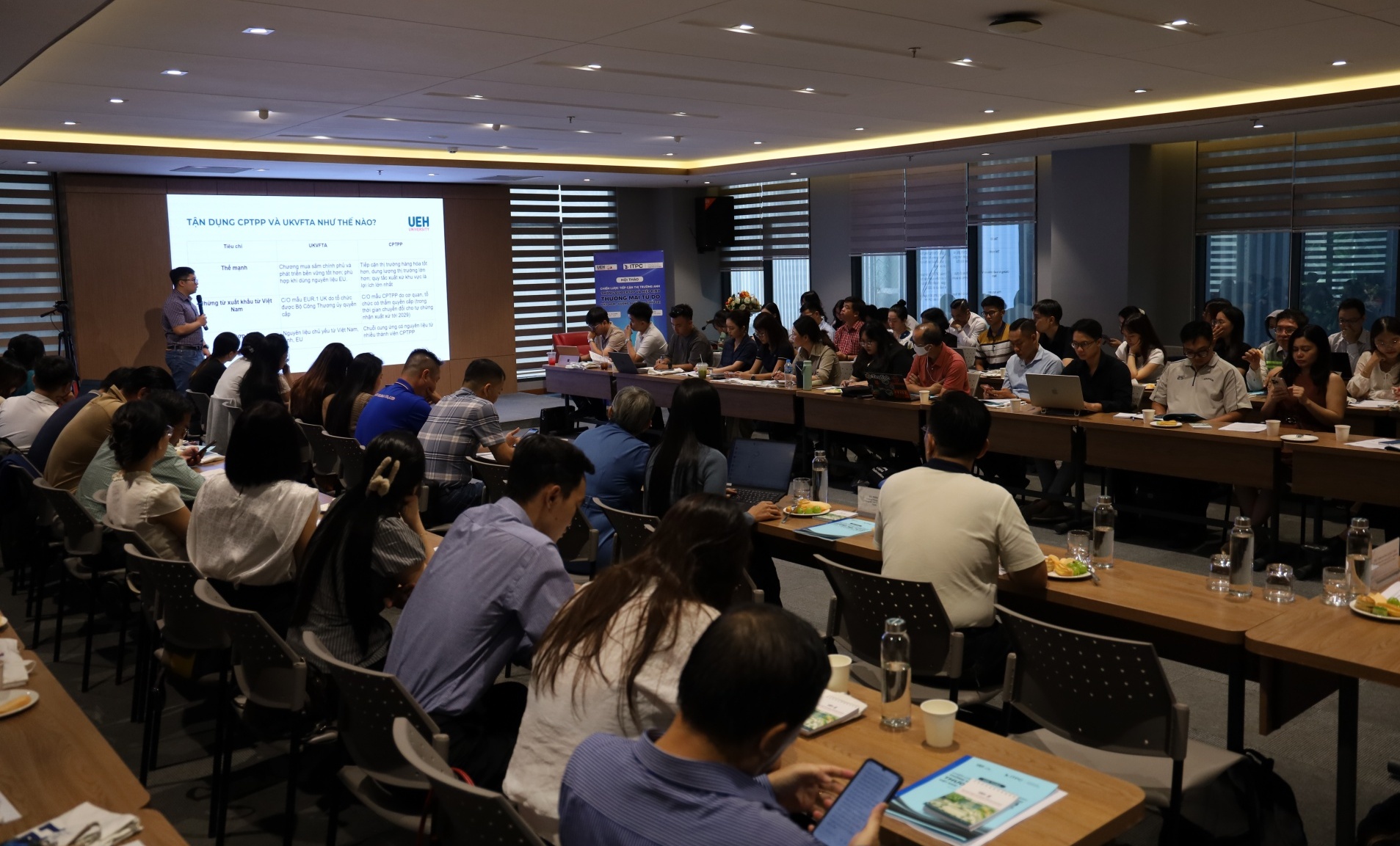
Experts and investors gathered at a conference entitled “EVFTA - Sustainable Export Transformation Trends and Approaches to the European Market for Vietnam’s Food Industry”, held in Ho Chi Minh City on November 18.
The conference aimed to help businesses stay updated on the European Union (EU) market, technical and environmental standards, and traceability requirements, while strengthening their capacity to effectively leverage the EVFTA and meet the demands of global supply chains.
Ho Thi Quyen, deputy director of Investment and Trade Promotion Centre of Ho Chi Minh City (ITPC), said the EU had been one of Vietnam’s key export markets, particularly for agricultural products, seafood, and processed food, since the EVFTA took effect on August 1, 2020.
“To sustain growth momentum, businesses need to shift decisively from exporting raw materials to deeper processing, build their own brands, and proactively meet food safety and environmental responsibility standards,” Quyen stressed.
Jean-Jacques Bouflet, vice chairman of EuroCham Vietnam, said that in the six years since the EVFTA came into force, cumulative two-way trade had exceeded €356 billion ($391 billion).
In 2025 alone, Vietnam’s exports to the EU reached $56.2 billion, up 8.6 per cent, while exports of agricultural, forestry, and fishery products increased by 43 per cent compared with the pre-EVFTA period.
However, businesses are facing increasingly stringent requirements on food safety, including controls on pesticide residues, allergens, bacteria, and chemicals that may migrate from packaging into food.
“In addition to adopting Good Agricultural Practices and conducting pre-export testing, businesses need to ensure traceability under the ‘one step forward, one step back’ principle, while complying with the EU Deforestation Regulation, regulations against illegal, unreported, unregulated fishing, and the Packaging and Packaging Waste Regulation” Bouflet said.
Claims that products are “green” or “carbon-neutral” must also be supported by reliable measurement evidence. Businesses should also make effective use of rules of origin and EUR.1 certificates.
Emily Thuy Nguyen, co-chair of EuroCham FAABS and sustainability director for De Heus Asia, said growth in agricultural exports had not been matched by an equivalent increase in value addition.
“The three major barriers facing businesses seeking to enter the EU market are proving farm-level traceability; ensuring consistent control over animal feed, veterinary medicines, and processing; and meeting requirements for environmental, social, and governance data,” Thuy said.
Outlining support solutions, Aru David, regional director of the Asian Society for Social Improvement and Sustainable Transformation (ASSIST), said the Inclusive ESG and Circular Economy Promotion programme was being implemented by EuroCham Vietnam, ASSIST Vietnam, and the European Business Organisations Worldwide Network from April 2026 to May 2029.
The programme will be implemented in Hanoi, Danang, and Ho Chi Minh City, focusing on three key sectors: food, packaging, and textiles and garments.
Under the plan, ICEP aims to strengthen advisory capacity among 200 non-state business support organisations, provide training for 750 micro, small and medium-sized enterprises and offer in-depth support to 90 businesses, 60 per cent of which are women-led. The programme will also work with three development finance institutions to develop green financial instruments and facilitate trade connections with more than 50 European buyers.
According to figures released by the Vietnam Chamber of Commerce and Industry, two-way trade between Vietnam and the EU reached approximately $74 billion in the first 10 months, exceeding the $73.8 billion recorded for the whole of 2025.
Of this, exports amounted to $57.42 billion, up 23.3 per cent, while imports reached $16.58 billion, up 15.3 per cent on-year, giving Vietnam a trade surplus of approximately $40.8 billion.
In the food sector, figures from the Ministry of Industry and Trade showed that coffee exports to the EU reached $2.89 billion in the first 10 months, accounting for 40.9 per cent of Vietnam’s total coffee export value.
In the first nine months, fruit and vegetable exports amounted to $310.6 million, up 25.8 per cent, while cashew nut exports reached $651.9 million. Seafood exports totalled $721.12 million in the first eight months of the year.
 | Vietnamese shrimp a gateway to EU market Amid rising tensions in the Red Sea and the EU’s commitment to remove tariffs, there’s a promising opportunity for Vietnam’s shrimp exports to Europe, albeit with strict conditions ahead. |
 | Firms rethink export strategies amid US tariff threat Vietnamese firms are taking steps to adapt and expand into new markets and restructure their development strategies amid US tariff threats. |
What the stars mean:
★ Poor ★ ★ Promising ★★★ Good ★★★★ Very good ★★★★★ Exceptional
 Tag:
Related Contents


Latest News





 Mobile Version