
Red River Delta builds momentum in industry, logistics and innovation

 |
| Le Trung Hieu |
Looking at regional GDP growth in the first half of 2026, what stands out most?
The estimated regional GDP performance for the first six months shows that the Red River Delta has emerged as the country's most dynamic growth region, reflecting the effectiveness of economic restructuring, infrastructure development, investment attraction and regional connectivity in line with the Party's and the state's major policy directions.
During the first half of the year, five of the region's six localities are estimated to have recorded regional GDP growth of more than 10 per cent: Ninh Binh (11.4 per cent), Haiphong (11.3 per cent), Quang Ninh (11.1 per cent), Hung Yen (10.7 per cent) and Bac Ninh (10.5 per cent). Hanoi posted growth of 8.2 per cent.
Beyond leading the country in growth rates, the Red River Delta also accounts for a substantial share of the national economy. The region contributes 30.3 per cent of Vietnam's GDP, with Hanoi accounting for 12.4 per cent, Haiphong 5.7 per cent, Bac Ninh 4.1 per cent, Ninh Binh 2.7 per cent, Hung Yen 2.5 per cent and Quang Ninh 2.3 per cent.
Hanoi's regional GDP expanded by only 8.2 per cent in the first half of the year, only a marginal improvement from the 8.16 per cent recorded in 2025. How do you assess this performance?
Although Hanoi's regional GDP grew by only 8.22 per cent, the capital continues to serve as the region's coordinating centre when viewed in terms of its economic scale and industrial structure.
The services sector remained the main growth driver, contributing 70.6 per cent of regional GDP growth, with transportation, trade, finance, education, sci-tech, and information and communications all recording solid expansion. Meanwhile, construction grew by nearly 9 per cent, while manufacturing continued to recover, with the industrial production index rising 8.8 per cent.
This provides an important foundation for Hanoi to capitalise on the new institutional mechanisms introduced under the Capital Law, accelerate innovation and digital transformation, and strengthen its role as the regional hub for development coordination.
Although its growth rate trails several neighbouring localities, Hanoi remains northern Vietnam's largest economy and a key engine of national growth, accounting for 12.4 per cent of the country's GDP.
Following administrative boundary restructuring from July 2025, how has the Red River Delta region's economic development space changed?
What distinguishes the Red River Delta is not its growth rate but the quality and structure of that growth. Whereas localities previously developed largely according to their individual comparative advantages, the region's major economic centres are now gradually forming integrated production, logistics and services value chains that complement one another.
Accordingly, Hanoi serves as the centre for finance, trade, sci-tech, and innovation. Haiphong has strengthened its position as northern Vietnam's largest import-export gateway through its extensive seaport system, logistics network and large-scale manufacturing base.
Quang Ninh is rapidly shifting towards high-tech industry, the marine economy and services. Bac Ninh continues to be Vietnam's leading electronics manufacturing hub. Hung Yen is emerging as a centre for supporting industries, logistics and high-tech manufacturing, meanwhile Ninh Binh is becoming a new electronics production base for the region while also expanding its high-quality tourism sector.
This division of roles and increasing regional integration are laying the foundation for a northern industrial-logistics-innovation growth pole, consistent with the Politburo's Resolution No. 30-NQ/TW on the development of the Red River Delta through 2030 and Resolution No. 57-NQ/TW on science, technology, innovation and digital transformation.
The Politburo recently issued Resolution No.10-NQ/TW on the development of the foreign-invested sector. How do you assess the FDI potential of the Red River Delta region?
In the first half of 2026, Hanoi led the country in newly registered FDI, attracting around $3.3 billion, followed by Bac Ninh with $2.5 billion, Haiphong with $1.8 billion, Ninh Binh with $1.2 billion, and Hung Yen with $688 million.
A number of large-scale foreign-invested projects in electronics, semiconductors, automobiles, electrical equipment, advanced materials and high technology have either commenced operations or expanded production, making direct contributions to regional GDP growth.
Logistics is emerging as a new competitive advantage in attracting FDI, in line with the objectives of Resolution 10. In Haiphong, transport and warehousing revenue increased by more than 18 per cent, cargo throughput reached approximately 96 million tonnes, up 11.4 per cent, while exports totalled around $25.9 billion.
Quang Ninh recorded a 17.9 per cent increase in transport and warehousing revenue and 16.3 per cent growth in wholesale and retail trade. At the same time, the province accelerated several strategic projects, including Halong Xanh, Aeon Mall Halong, and the Van Don integrated high-end tourism and services complex.
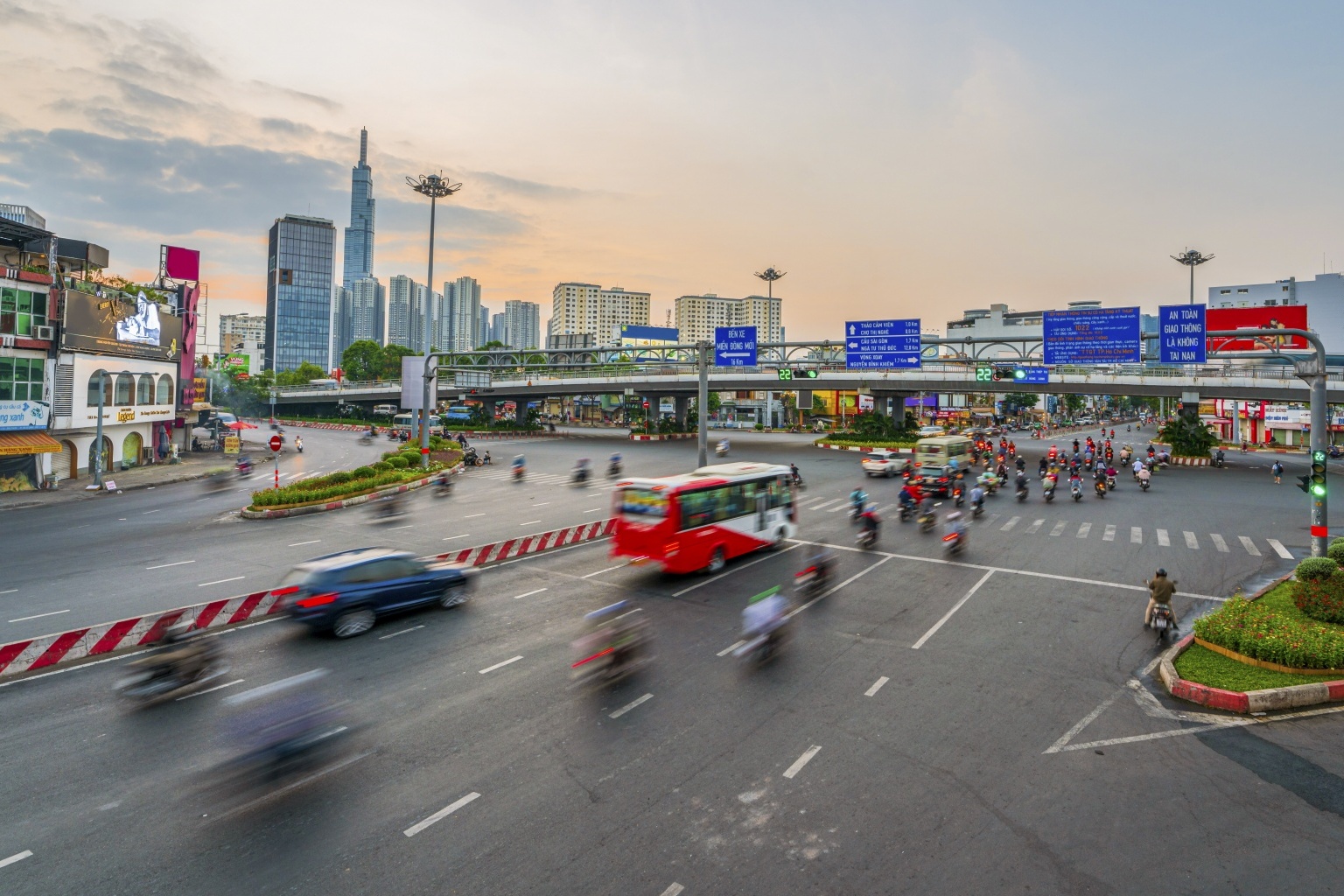
Hanoi continues to expand infrastructure investment through projects such as Ring Road 4, urban railway lines and digital infrastructure. Bac Ninh is developing the transport corridor connecting to Gia Binh International Airport, while Hung Yen is rapidly expanding new industrial parks and logistics centres.
With infrastructure development progressing at its current pace, localities that establish integrated logistics networks linking seaports, airports, consumption centres and industrial parks will enjoy a stronger competitive advantage in attracting FDI and achieving shared growth.
If this momentum is sustained, the Red River Delta will steadily evolve into the northern industrial-logistics-innovation growth pole, playing an increasingly important role in delivering Vietnam's goals of rapid and sustainable growth while enhancing the competitiveness of the national economy during 2026-2030.
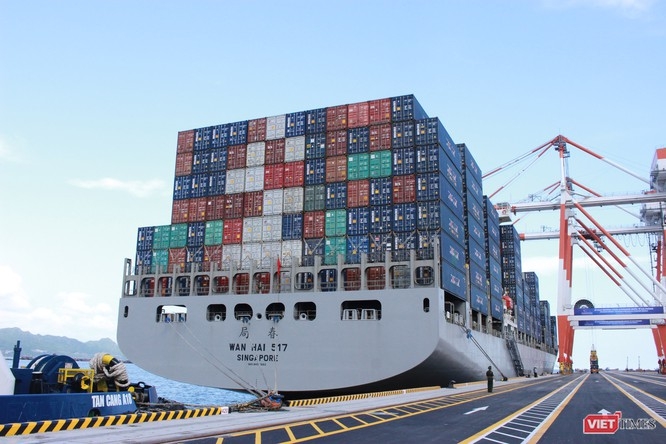
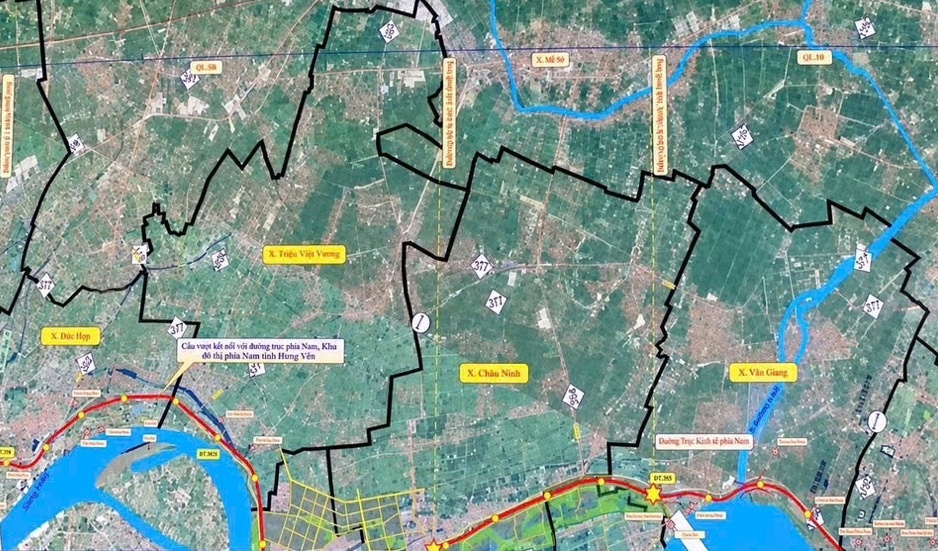
 | Promoting interregional linkage in the Red River Delta The promotion of interregional connectivity throughout the Red River Delta has been identified by the Party and state as an important policy to exploit the maximum potential of the area for socioeconomic development. |
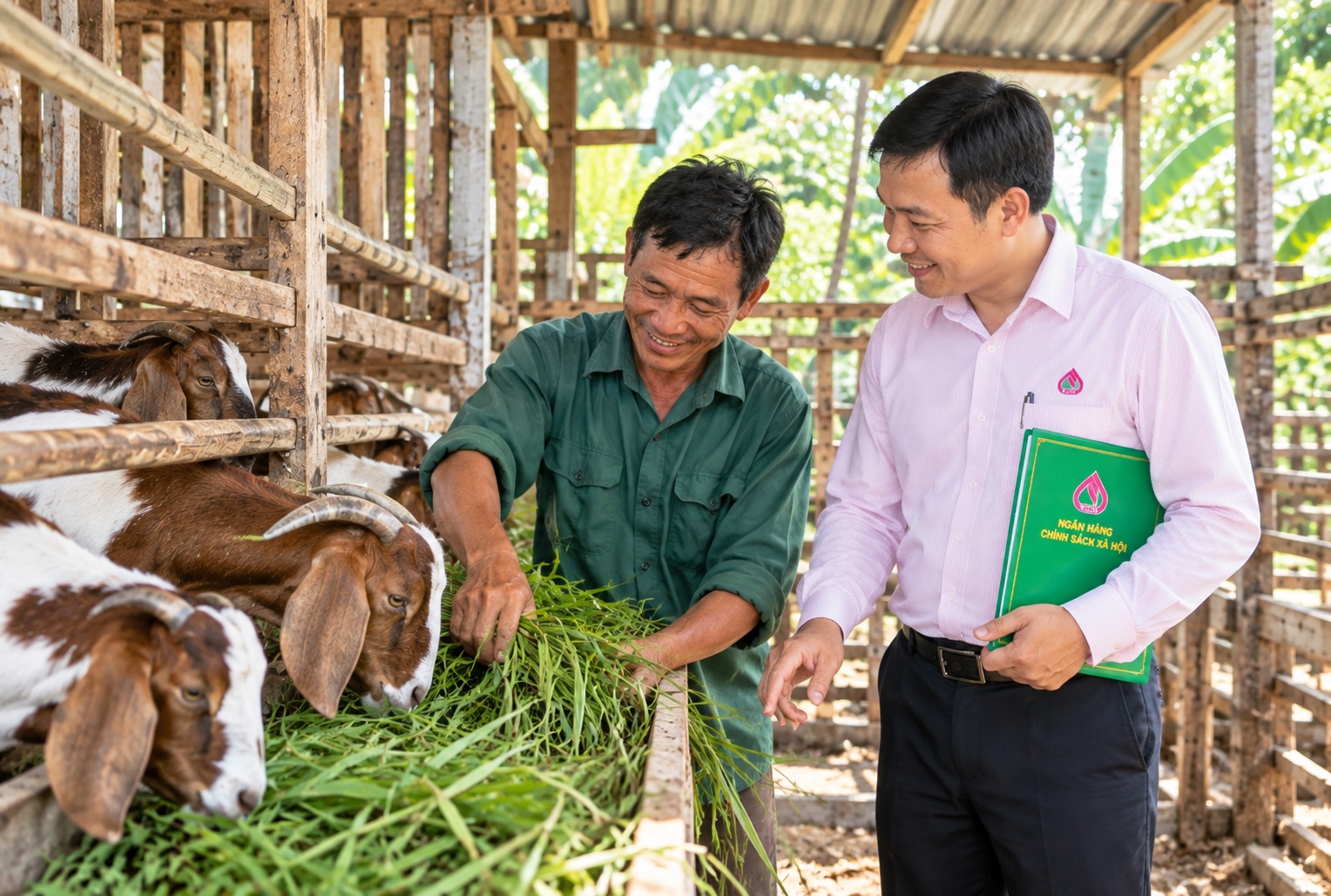
 | Hung Yen focuses on high-tech and supporting industries By prioritising large-scale projects in high-tech and supporting industries along with developing associated facilities, Hung Yen province is creating leverage for economic development. |
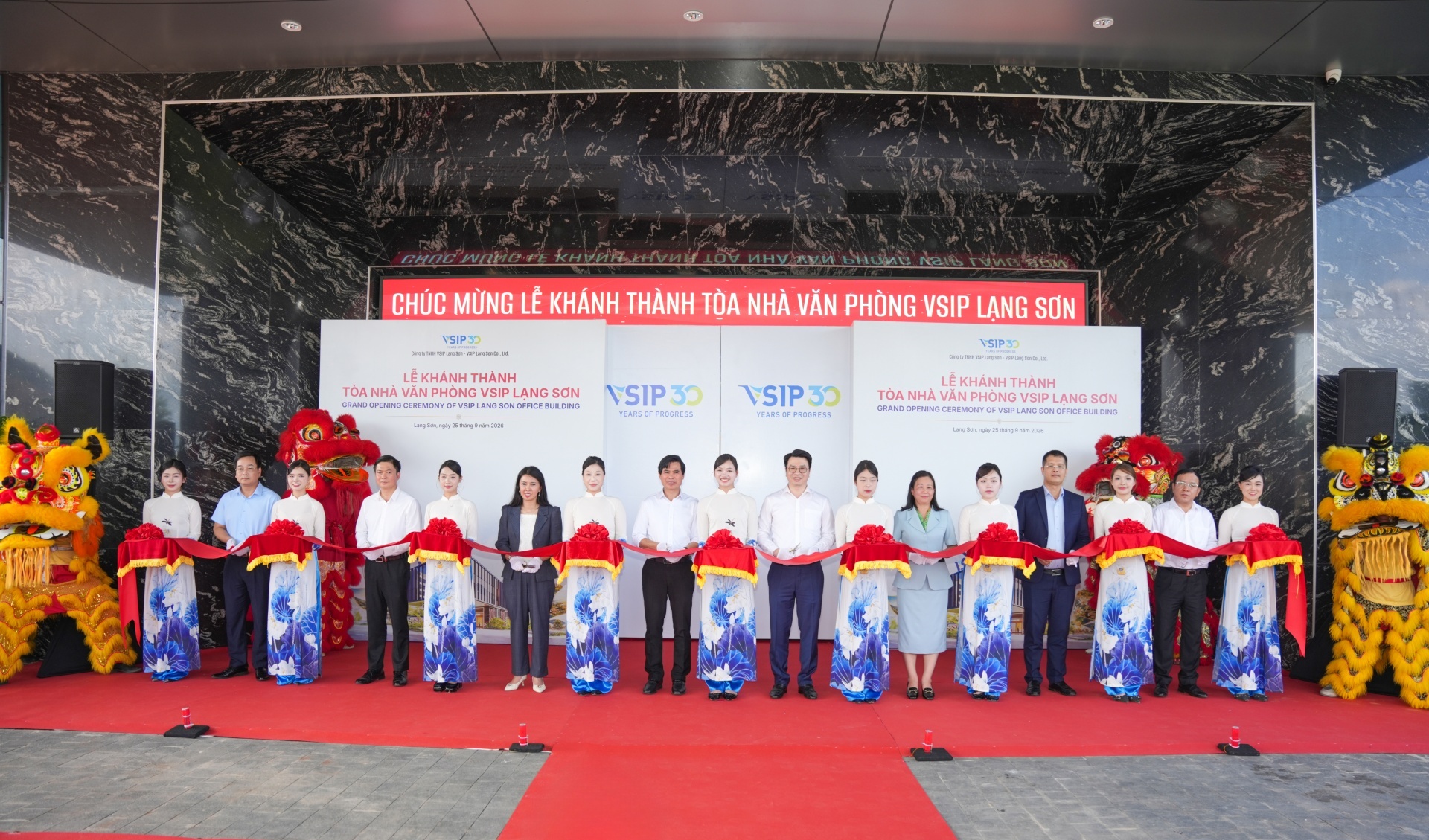
 | Red River Delta urged to strengthen leadership and accelerate growth Prime Minister Pham Minh Chinh chaired the inaugural meeting of the Red River Delta Regional Coordination Council under Vietnam’s new two-level local government structure. |
What the stars mean:
★ Poor ★ ★ Promising ★★★ Good ★★★★ Very good ★★★★★ Exceptional
 Tag:
Tag:
Related Contents



Latest News




More News
- A broader platform for France-Vietnam cooperation (October 16, 2026 | 17:51)
- AEON to open 13th general merchandise store in Vietnam (October 14, 2026 | 17:56)
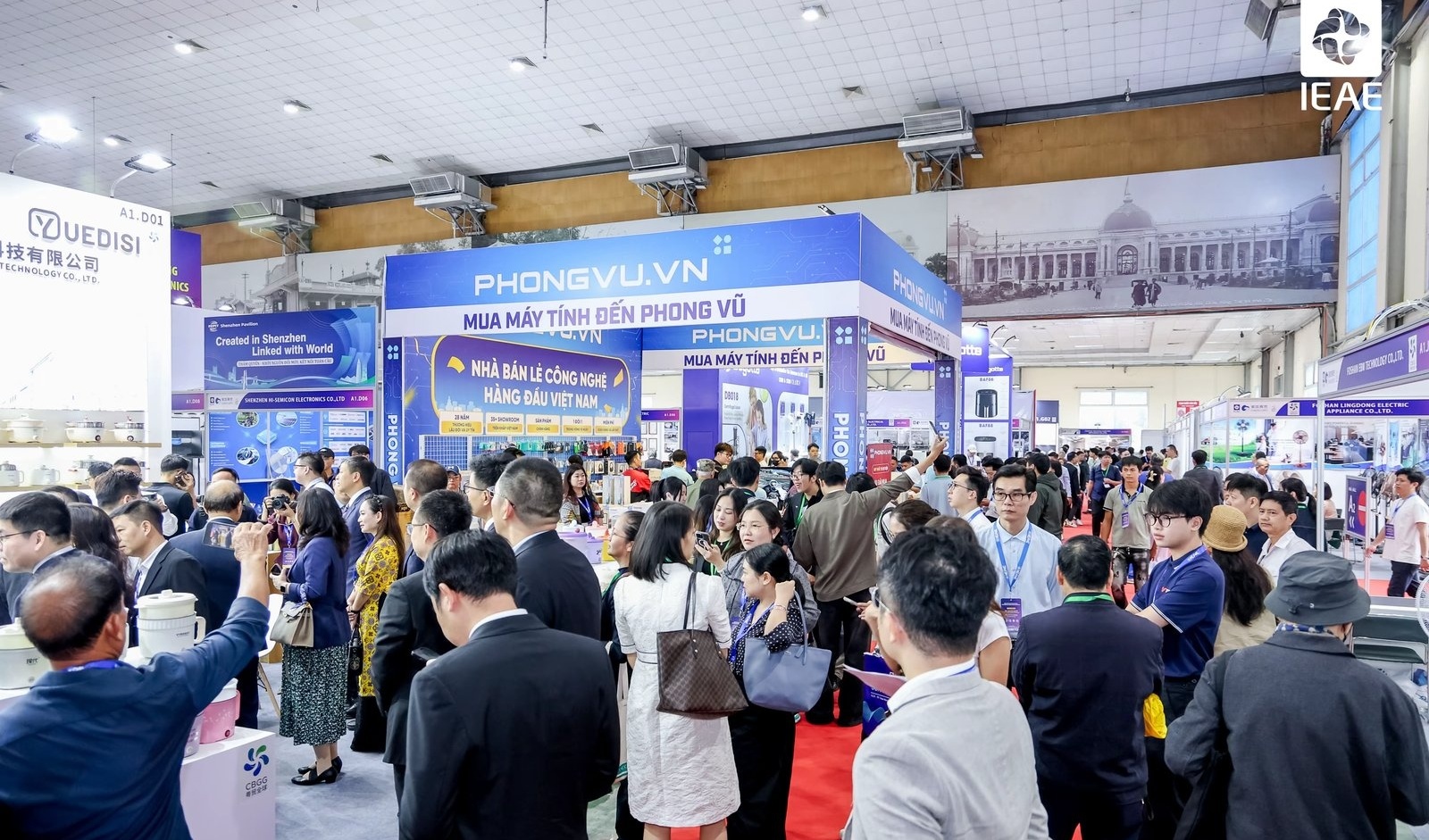
- Three international exhibitions open to boost industrial supply chain links (October 14, 2026 | 17:37)
- Garment and textile industry transitions towards high-value production (October 14, 2026 | 17:30)
- French business delegation meets MoF to discuss investment cooperation (October 14, 2026 | 11:37)
- Friso promotes global scientific collaboration on children’s gut health in Vietnam (October 13, 2026 | 16:18)
- Germany and Vietnam look to expand strategic cooperation and investment (October 13, 2026 | 16:14)
- Vietnam-Australia forum boosts AI and digital technology cooperation (October 13, 2026 | 11:30)
- Digital transformation shifts focus to added value (October 09, 2026 | 18:00)
- Melatec Dental Clinic - accompanying international clients on their smile care journey (October 09, 2026 | 17:25)



Latest News






 Mobile Version