
Project readiness key to unlocking green finance

These challenges were highlighted at a seminar on credit policy and the carbon market, organised by VIR on October 14. Experts and businesses examined the challenges of mobilising capital for the green transition from different perspectives.
 |
| Nguyen Huu Tu, deputy general director of Miza JSC. Photo: Chi Cuong |
From the manufacturing sector, Nguyen Huu Tu, deputy general director of Miza JSC, said the green transition was more than a trend for recycling businesses; it had become a core element of their long-term development strategies.
Miza's circular economy model is built on converting waste into input materials, recycling them into products and returning those products to the market. Accordingly, the company has prioritised investment in technology, emissions reduction and measures to minimise environmental impacts.
In recycled paper manufacturing, Miza has invested in wastewater treatment systems and boilers while gradually changing its energy sources. The company has shifted from conventional fuels such as coal and oil towards biomass for its boilers. Miza also uses solar power, applies biological technology to wastewater treatment and plans to develop combined heat and power systems to improve energy self-sufficiency.
"However, financing remains one of the most enduring challenges in the green transition. Environmentally friendly technologies often require substantial upfront investment and longer payback periods than conventional alternatives," Tu highlighted.
This presents businesses with difficult choices. Those prioritising short-term financial returns may opt for lower-cost technologies with faster payback periods. Investing in green technology, by contrast, requires a long-term perspective and a willingness to accept higher initial costs in exchange for operational efficiency, compliance with environmental standards and future competitive advantages.
"In Miza, management has repeatedly assessed different investment options before deciding which technologies to adopt in support of its green transition," he said. "The company believes recycling must go hand in hand with environmental and social responsibility, while remaining economically viable to ensure sustainable growth."
One of Miza's strategies is to develop higher-quality products targeting foreign-invested enterprises, which increasingly pay attention to environmental standards, emissions and carbon footprints across their supply chains.
"Green investment, therefore, serves environmental objectives while supporting product quality improvements, market expansion and deeper participation in international supply chains," Tu said.
However, internal resources alone are insufficient to fund these investment plans. In preparing its projects, Miza has mobilised capital from shareholders while seeking cooperation with credit institutions, investment funds and partners that share its commitment to green development.
Drawing on the company's experience, Tu explained the importance of financial institutions supporting projects with high upfront costs and long payback periods. "Businesses need financing with tenors aligned with investment cycles, as well as risk-sharing mechanisms that enable them to adopt advanced technologies instead of prioritising solutions that deliver immediate financial returns," he said.
The financing challenge, therefore, concerns not simply how much capital a business can borrow, but also whether the financing structure matches the characteristics of its projects. When loan tenors do not align with investment recovery periods, financial pressure can become a barrier to green investment.
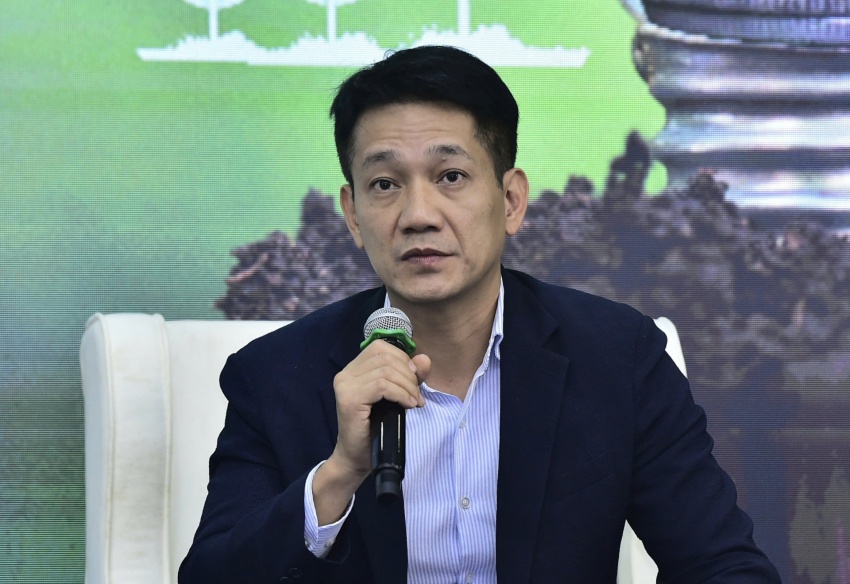 |
| Nguyen Viet Long, deputy general director in charge of consulting services at E&Y Vietnam. Photo: Dung Minh |
Nguyen Viet Long, deputy general director in charge of consulting services at E&Y Vietnam, said one of the main barriers to green finance was the mismatch between funding providers' requirements and businesses' readiness to meet them.
Businesses can approach the green transition in two broad ways. Some integrate environmental objectives into their long-term strategies and begin investing early. Others start considering green investment only when they need financing or face requirements from business partners, customers and markets.
"This difference directly affects project implementation. If green criteria are not incorporated from the outset, businesses may need to revise project designs, technologies or operating plans to meet financial institutions' requirements," he said. “Having to redo this work increases investment costs and extends preparation time, while the project's feasibility and prospects of securing financing remain uncertain.”
He stressed that project preparation was particularly important, including defining their investment objectives, selecting appropriate technologies, assessing economic returns, and developing a convincing financial plan.
"Green technologies may involve higher upfront costs, making it even more important for businesses to demonstrate operational efficiency and their capacity to generate cash flow over the long term," Long said.
Banks and investors also assess a company's overall financial health, rather than examining an individual project in isolation. In addition to meeting environmental criteria, businesses need to prepare audited financial statements, cash flow analyses and forecasts, and other information demonstrating their ability to service debt.
As demand for green finance extends beyond corporate projects to infrastructure sectors such as transport, energy, drainage and waste treatment, Long said the market needed a more diverse range of funding instruments. Alongside bank lending, bond markets, including green bonds, could provide additional capital for eligible projects.
"A well-prepared green transition strategy can also help businesses access different sources of finance at successive stages of development. Bank credit may be suitable during the initial phase, while companies with stronger financial positions, greater transparency and larger projects can consider additional financing instruments as their capacity develops," Long said.
 | VIR workshop explores credit policy and carbon market development Vietnam needs a robust financial ecosystem to turn carbon market opportunities into concrete green investments, Pham Van Hoanh, VIR's editor-in-chief, said at a policy workshop on credit policy and carbon markets in Hanoi. |
 | Green transition requires realistic roadmap The green transition has become an unmistakable trend, but its implementation requires a roadmap that reflects practical conditions and economic development needs. |
What the stars mean:
★ Poor ★ ★ Promising ★★★ Good ★★★★ Very good ★★★★★ Exceptional
 Tag:
Tag:Related Contents






Latest News
More News
- Sovereign AI and human oversight key to secure digital government (October 15, 2026 | 12:32)
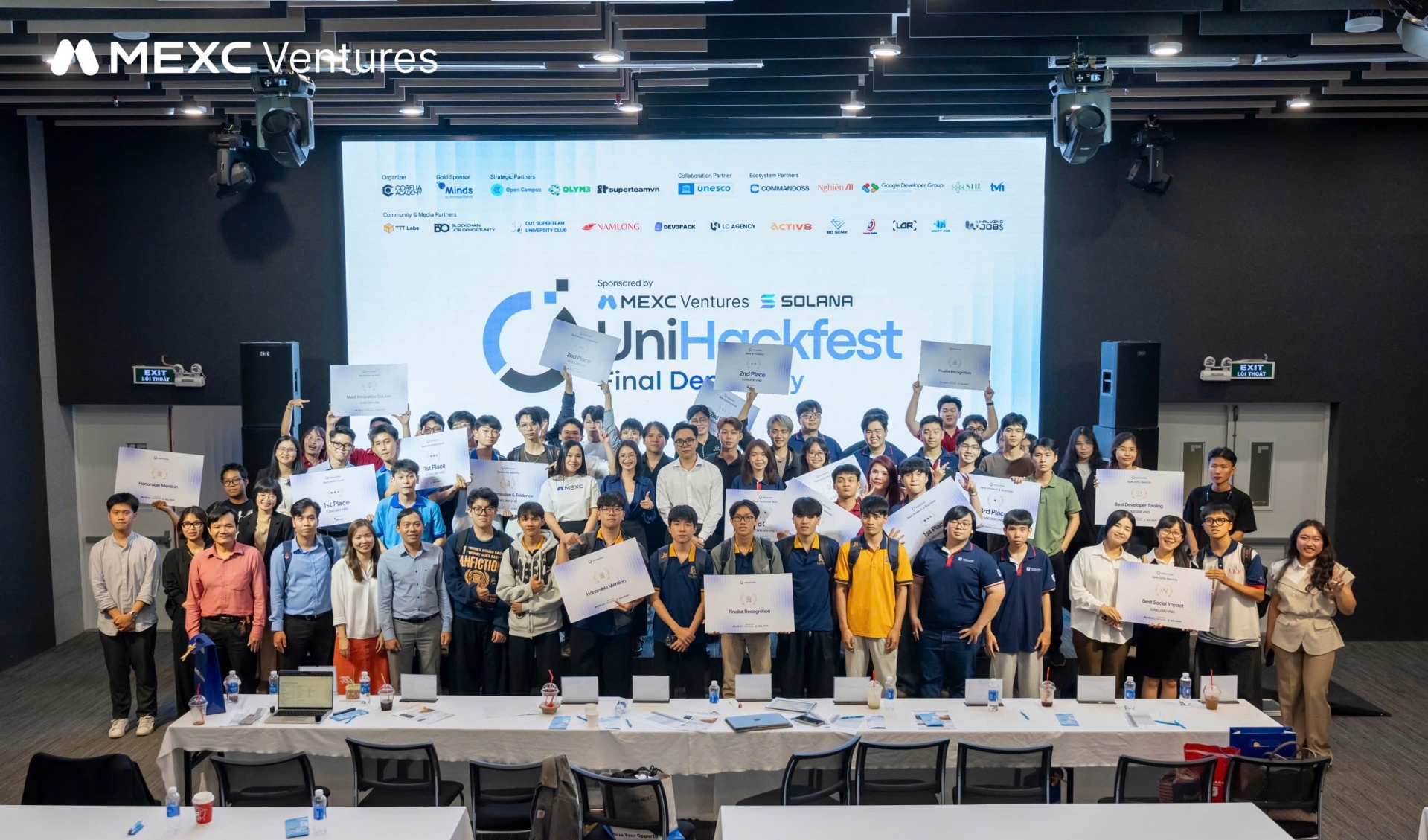
- MEXC Ventures partners with Corelia Academy: Bringing digital asset education closer to Vietnamese students (October 15, 2026 | 09:00)
- Global design expertise meets a more sophisticated Vietnam market (October 15, 2026 | 09:00)
- Vietnam growth nears double digits, UOB raises forecast (October 14, 2026 | 17:39)
- Smart factories need skills, finance and trust to scale (October 14, 2026 | 17:33)
- Sanofi-Aventis Vietnam appoints new head of Vaccines and country lead (October 12, 2026 | 17:21)
- Measurable outcomes a must for businesses (October 12, 2026 | 09:27)
- Vietnam’s growth ambitions hinge on effective policy reforms (October 12, 2026 | 09:00)
- 100 entrepreneurs honoured with Thanh Giong Cup 2026 (October 12, 2026 | 08:00)
- French experts share AI and digital governance insights in Hanoi (October 11, 2026 | 08:00)



Latest News





 Mobile Version