

Vietnamese ambition to put local agricultural commodities on the global trading map

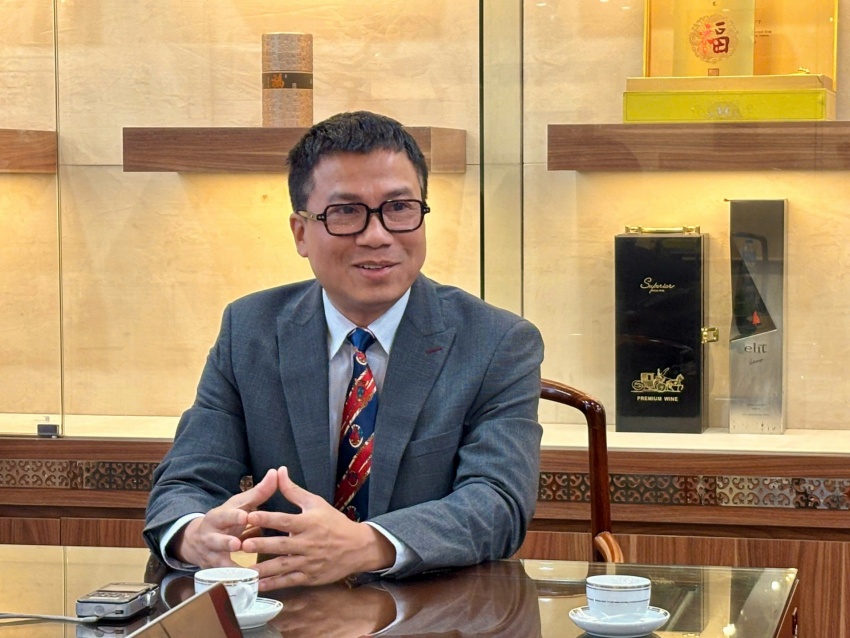 |
| Photo: D.Ngan |
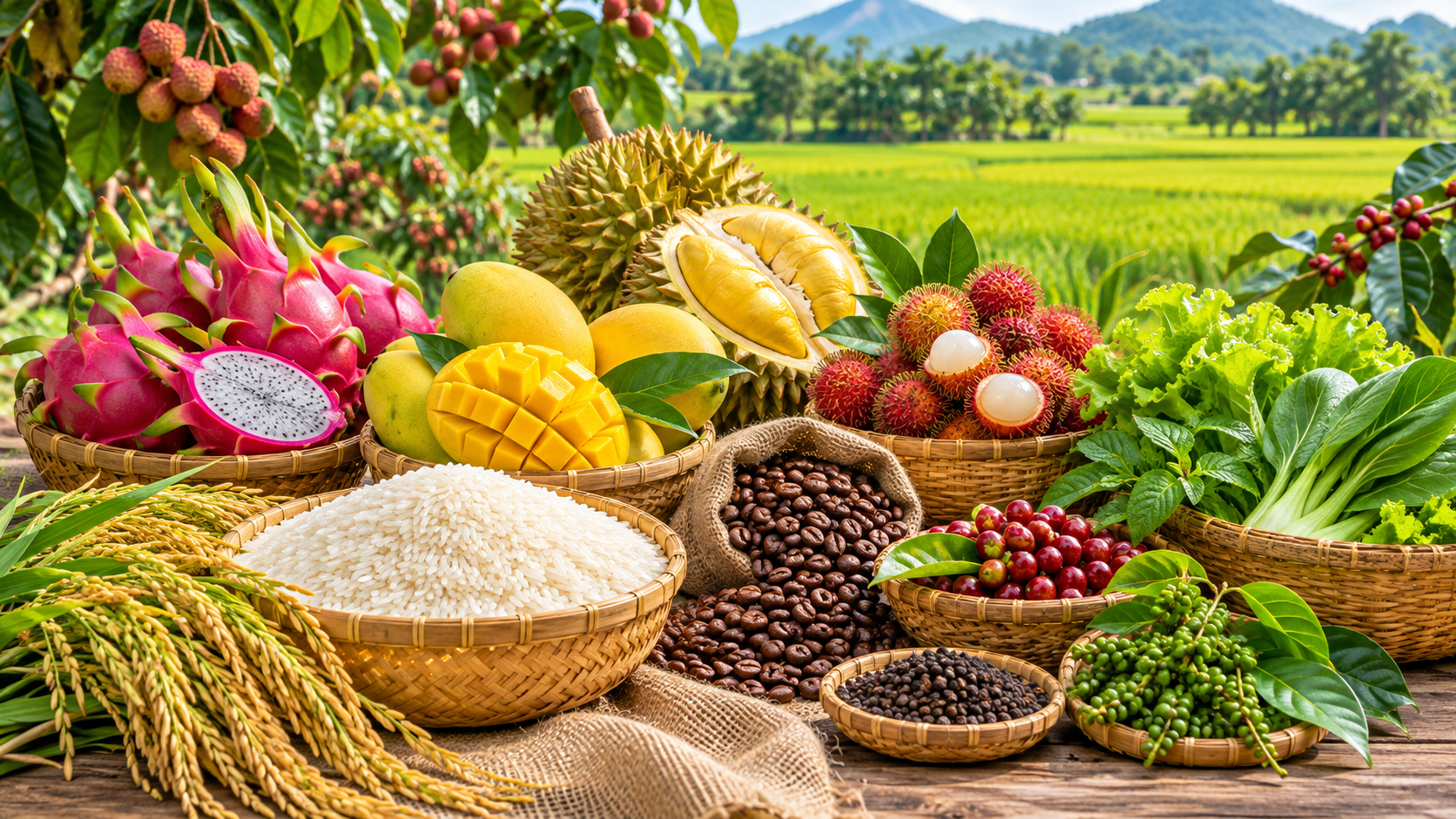
In international trade, large production volumes do not necessarily translate into pricing power. Nor does a strong position in global supply chains guarantee that producers receive a fair share of the value generated. For countries with abundant agricultural resources, the challenge is not simply to increase output, but to turn production advantages into stronger trading capabilities and greater influence over market prices.
Vietnam illustrates this challenge. Although the country is a major global supplier of several agricultural commodities, widely used trading platforms and benchmark prices are still largely determined by major international commodity exchanges.
Robusta coffee is a case in point. Vietnam plays a leading role in global Robusta supply, yet London-based benchmark prices remain an important reference for many domestic coffee export contracts. As a result, Vietnamese traders and exporters are directly exposed to supply-demand shifts and financial market movements on international exchanges.
"This does not mean that existing international pricing mechanisms are ineffective. Established exchanges have developed over many years, supported by extensive membership networks, high liquidity, and risk management instruments recognised by the market," Tung said. "However, it also raises the question whether Vietnam can develop trading mechanisms that better reflect the characteristics, quality, and supply of its own commodities, giving domestic businesses more information and tools to participate in the market proactively."
For Tung, this ambition stems not only from economic research, but also from personal observations during visits to his hometown of Duc Pho in Quang Ngai province.
He has been concerned that while Vietnamese agricultural products have gained international market recognition, many farmers continue to face difficult livelihoods. They bear the risks of adverse weather, disease, and price fluctuations, yet often have limited bargaining power within the supply chain.
Tung believes that better access to transparent market information, a wider network of buyers, and modern trading mechanisms could help improve producers' negotiating positions. Processing, storage, logistics, and distribution all contribute value to agricultural supply chains, but farmers need stronger market access to benefit more fully from that value.
These concerns prompted him to study international commodity exchange models and explore how Vietnam could develop its own trading infrastructure.
He acknowledges that an exchange cannot transform the position of the entire agricultural sector overnight. Building a liquid market, establishing effective risk management systems, and gaining international recognition require time and the participation of multiple stakeholders. Nevertheless, he believes Vietnam needs businesses willing to invest in market infrastructure, rather than focusing solely on expanding production capacity.
 |
| Photo: D.Ngan |
Four years of preparation for an ambitious market project
This ambition led Tung and his associates to establish Vietnam Global Commodity Exchange JSC (VIETCOM), with the aim of researching and preparing the foundations for a commodity trading platform connected to international markets.
VIETCOM has not yet obtained a licence to operate as a commodity exchange. Its plans therefore remain at the research, resource preparation, and legal compliance stages. The company says it has spent around four years preparing for the project, during which it has assessed the considerable technological, financial, and regulatory requirements involved.
According to Tung, the proposed technology infrastructure is being designed to handle large trading volumes, while integrating payment systems, risk management, information security, and potential connections with regulatory monitoring systems.
"Under the development scenarios we are considering, the platform is designed to support substantial trading volumes, potentially reaching hundreds of thousands or even millions of transactions a day. This requires strong data-processing capacity, system stability, and a high level of security," he said.
Alongside technology development, VIETCOM has been preparing its workforce. Nearly 100 staff members are involved in research, development, and operational preparations, with backgrounds in economics, finance, and technology, as well as experience in commodity trading.
The company is also studying its capital requirements to meet the potential legal conditions applicable to its proposed participation in the Vietnam International Financial Centre in Danang. Tung has indicated a target charter capital of VND1.5 trillion ($58 million).
These preparations indicate the scale of resources the company intends to mobilise. However, technology, personnel, and capital are only initial requirements. They do not guarantee regulatory approval or the commercial viability of the proposed exchange.
One of the most significant challenges is liquidity. For an exchange to generate representative prices, it must attract sufficient buyers and sellers, develop a broad membership network, and establish credibility among domestic and international market participants.
Without enough participants, trading prices may not accurately reflect supply and demand. Meanwhile, operating costs, risk management, and market supervision remain substantial. VIETCOM is therefore exploring potential partnerships with international organisations and businesses across commodity supply chains, with the aim of developing a network of participants should the project receive the necessary licence.
The commodities under consideration include coffee, rubber, pepper, agarwood, bird's nest products, Ngoc Linh ginseng, and other Vietnamese agricultural products. The company hopes that a more transparent trading environment, supported by information on origin, quality, supply, and prices, could improve access to international buyers, particularly for high-value products.
However, turning this vision into a functioning marketplace will require solutions across several areas, including commodity standardisation, quality inspection, payment systems, risk controls, membership development, and market credibility.
From market infrastructure to value for producers
Although Tung's project involves substantial investment in technology and financial infrastructure, he continues to emphasise the potential benefits for farmers and agricultural producers.
He has expressed his intention to allocate 50 per cent of profits from commodity trading activities, if the exchange is licensed and operates successfully, to support farming communities, raw material production areas, and farmers.
This remains a proposed commitment rather than an established operating mechanism. Tung said it would need to be translated into clear criteria covering profit calculation, eligible beneficiaries, allocation methods, and oversight to ensure transparency and tangible benefits.
He also hopes more businesses will participate in developing Vietnam's commodity trading market, arguing that a modern exchange cannot be built through the efforts of a single company. It requires multiple market participants, healthy competition, and a sufficiently clear regulatory framework.
Tung has even indicated his willingness to share experience and consider transferring the technology platform developed by VIETCOM to another licensed organisation if this could help advance the market's development and benefit producers.
For him, the broader objective is to establish trading mechanisms that allow Vietnamese commodities to access more transparent markets, strengthen domestic businesses' participation in price discovery, and create opportunities to improve farmers' incomes.
At nearly 60, Tung recognises that developing such infrastructure will take years of sustained effort, investment, and cooperation. The project's eventual success will depend not only on its technological capabilities and financial resources, but also on whether it can secure regulatory approval, attract sufficient market participation, and establish the trust required to operate a credible exchange.
His ambition ultimately extends beyond building another trading platform. It is about helping Vietnam move further up the value chain, turning its agricultural production strengths into greater market participation and commercial value for the businesses and people behind its commodities.
What the stars mean:
★ Poor ★ ★ Promising ★★★ Good ★★★★ Very good ★★★★★ Exceptional
 Tag:
Related Contents







More News
- AEON Vietnam ranked No. 1 in retail for 4 consecutive years, breaking into Vietnam's Top 8 Best Places to Work (November 20, 2026 | 19:30)
- AEON Halong attracts crowds, lifting local trade and services (November 20, 2026 | 14:28)
- Mitsubishi Power to supply two M701JAC gas turbines to O Mon 3 Power Plant in Vietnam (November 20, 2026 | 11:28)
- Carlsberg Vietnam wins slew of titles at Nordic Business Awards 2026 (November 19, 2026 | 15:34)
- MSD and VNVC step towards technology transfer, manufacturing, and localisation of vaccine technology (November 19, 2026 | 11:12)
- SCGJWD expands logistics strategy with proposed integration of Triple i (November 18, 2026 | 15:39)
- ITL Logistics, Viettel Post sign logistics partnership (November 18, 2026 | 09:57)
- SCG reports nine-month results, supporting growth opportunities for Vietnamese businesses and communities (November 17, 2026 | 17:31)
- Vietnam-South Korea trade exceeds $100 billion for first time (November 17, 2026 | 16:52)
- Vietnamese companies optimistic on international growth (November 16, 2026 | 17:45)






 Mobile Version