
Local firms need bigger role in global supply chains, panel hears

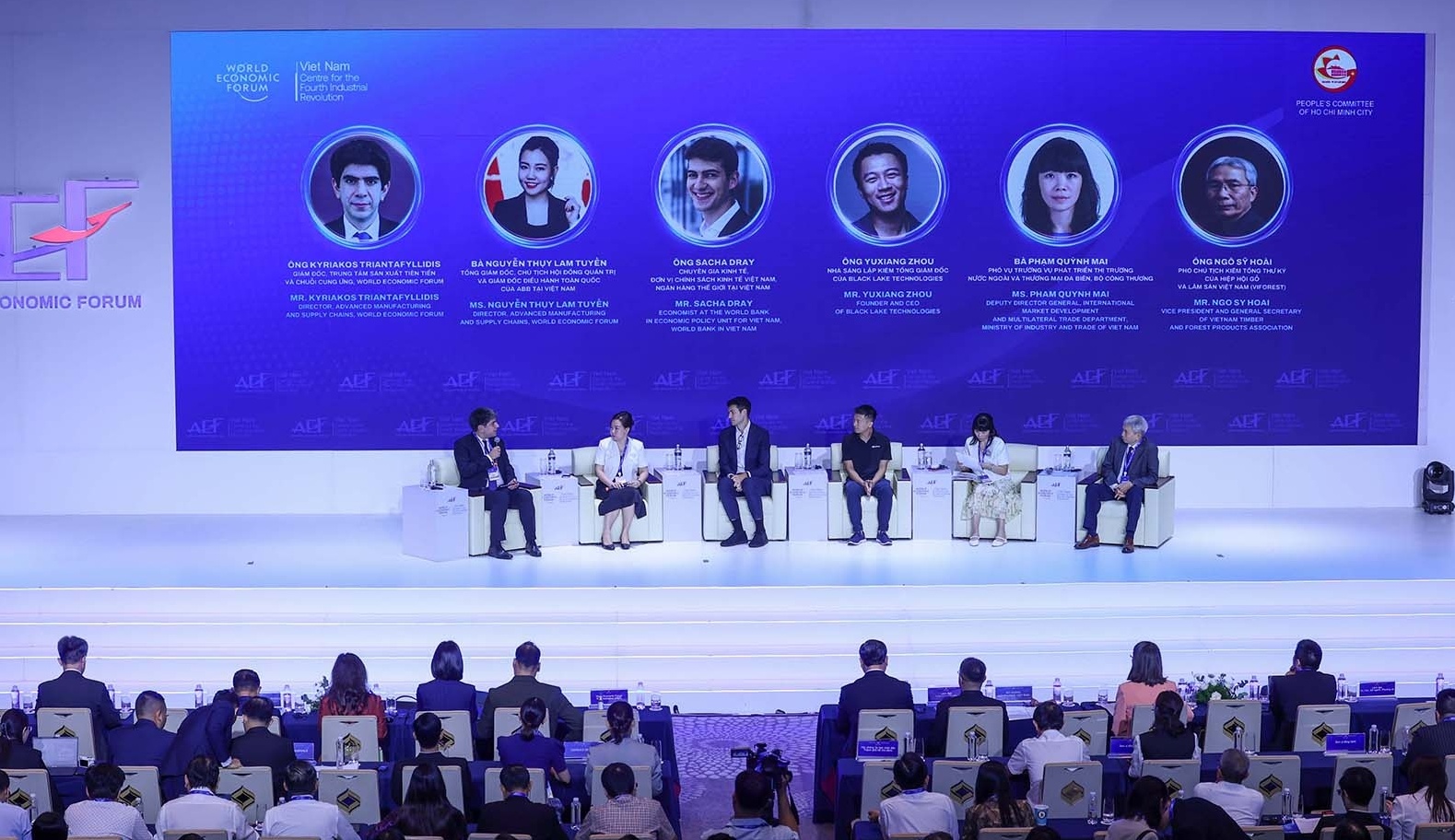
The message was shared at a panel discussion titled 'Advanced Manufacturing: Competitiveness of Vietnamese Enterprises', held on October 27 as part of the Autumn Economic Forum 2026 in Ho Chi Minh City.
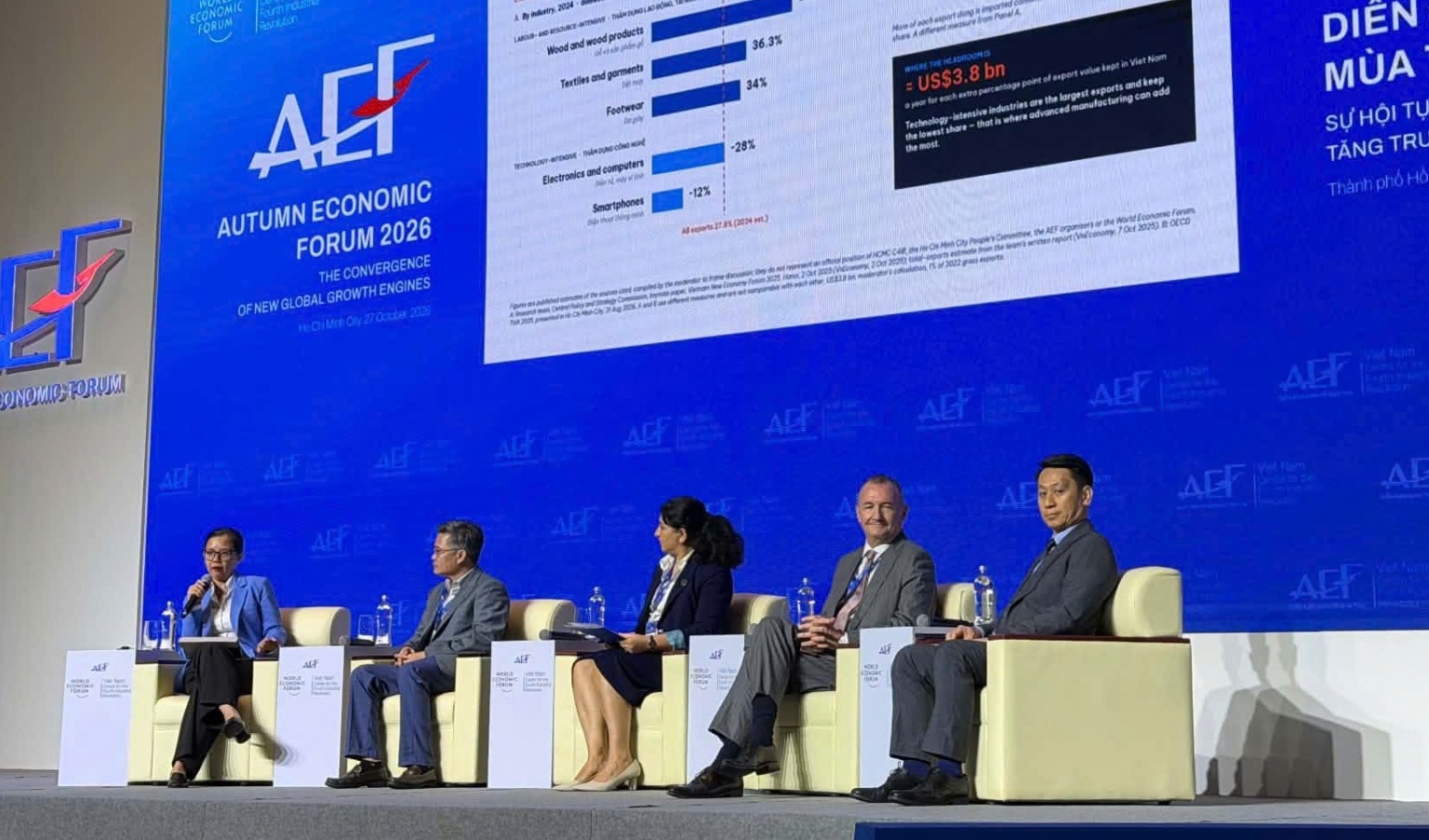
Nguyen Da Quyen, co-lead of the Centre for Smart Manufacturing and Global Value Chains at the Ho Chi Minh City Centre for the Fourth Industrial Revolution, said, "The 2024 data showing that domestic value-added content in Vietnamese exports varies significantly across sectors. Wood and wood products lead at just over 53 per cent, followed by textiles and garments at around 36 per cent, and footwear at roughly 34 per cent. By contrast, electronics and computers sit at only around 28 per cent, while smartphones are a little over 12 per cent. Across all industries, the domestic value-added content of exports was estimated at just under 28 per cent."
Despite being a high-tech industry, the smartphone industry has a domestic value-added ratio only about one-quarter that of wood and wood products. The disparity indicates that a large export volume does not necessarily translate into a high proportion of value being generated domestically.
Beyond investment attraction, factory expansion, and export turnover growth, it is vital to increase the capabilities of domestic corporations to take part in higher-value-added activities.
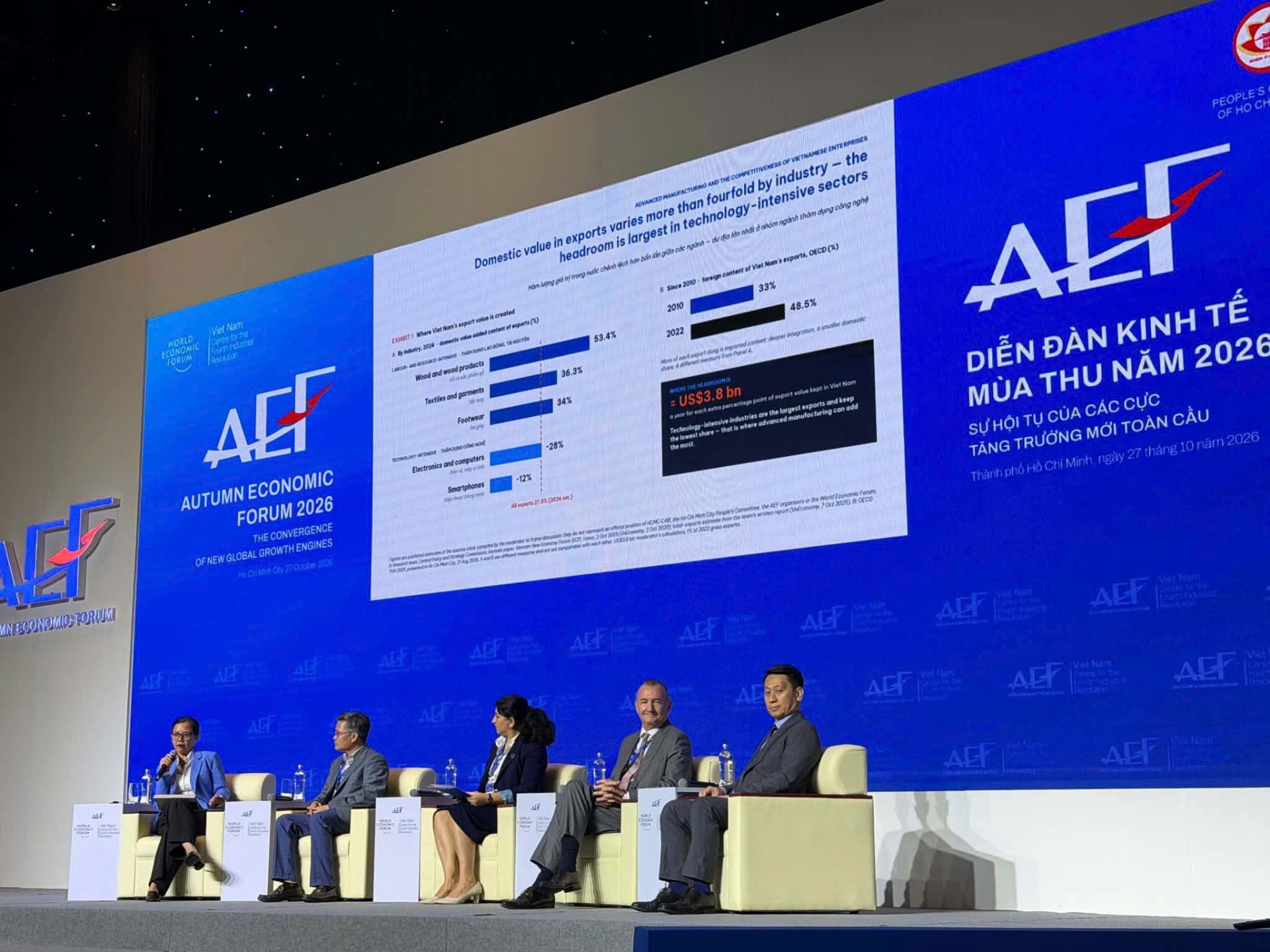 |
| The discussion session at Autumn Economic Forum 2026. Photo: Nestlé Vietnam |
Khuat Quang Hung, deputy general director in charge of external affairs, communications, and sustainability at Nestlé Vietnam, said the readiness gap lies between businesses rather than industries. "While export sectors such as electronics, textiles and garments, food processing, and agriculture have become better prepared to meet the requirements of international clients, many small and medium-sized enterprises are struggling due to fragmented data, inconsistent processes, and traceability systems that rely largely on manual documentation," he said.
"Businesses are required to meet standards while proving the origin of raw materials and production processes, coupled with compliance through reliable, verifiable data. It is increasingly vital to meet requirements relating to quality, traceability, environment, and labour to maintain a position in supply chains," Hung added.
To climb up the value chain, businesses must develop technical capabilities, improve productivity, reduce material consumption, and work with customers to resolve production challenges. As a result, suppliers have a chance to join the stages ranging from design and engineering to product development rather than simply outsourcing based on orders.
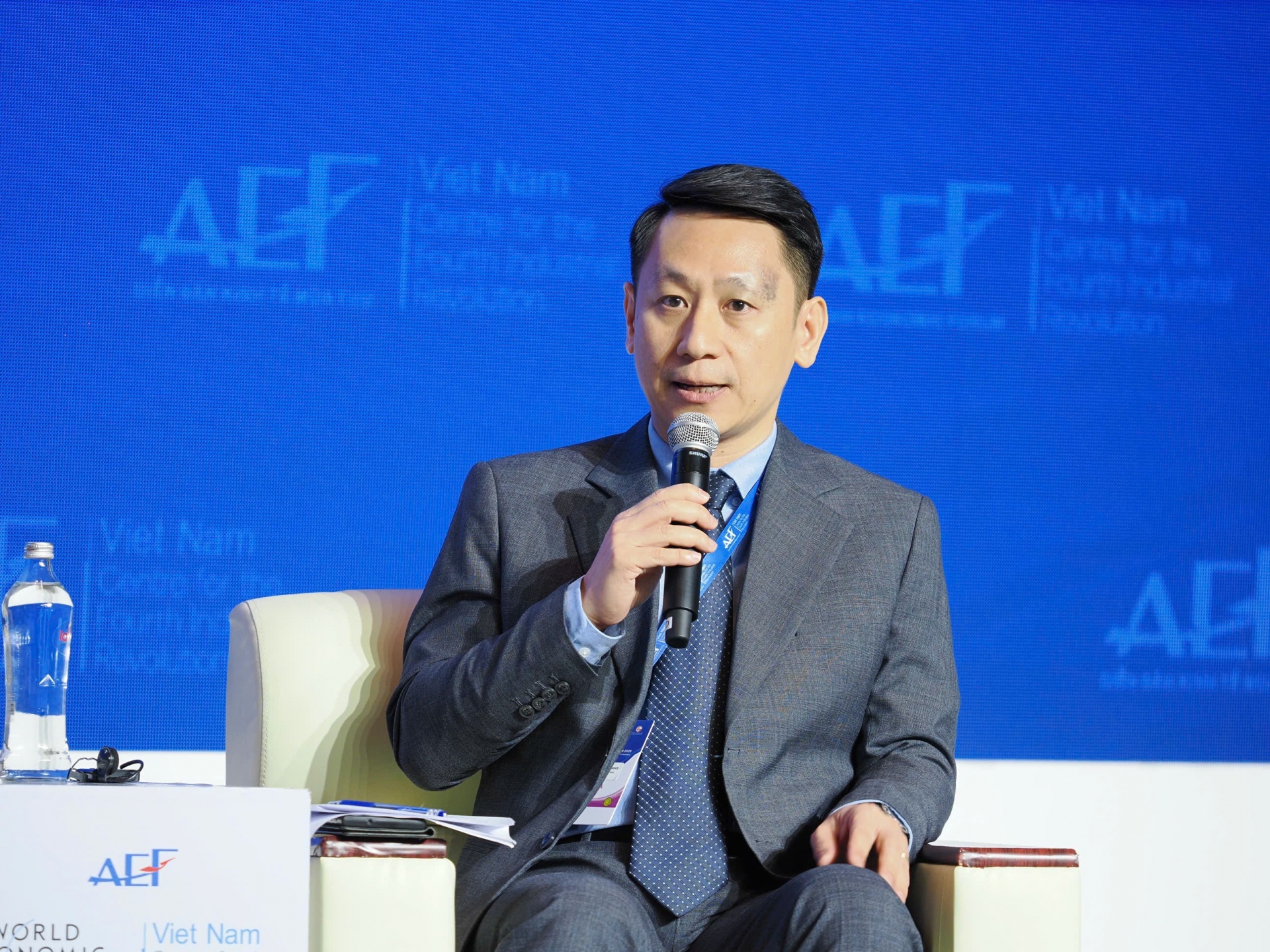 |
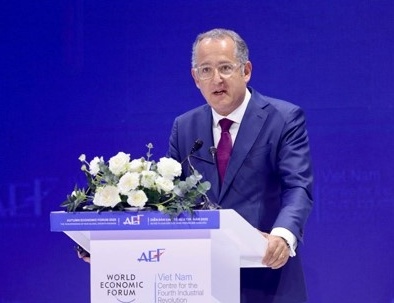
| Khuat Quang Hung, deputy general director in charge of external affairs, communications and sustainability, Nestlé Vietnam. Photo: Nestlé Vietnam |
Hung said, “The 2025 figures show that domestic enterprises accounted for only 22.7 per cent of Vietnam's total export turnover, while foreign-invested businesses represented 77.3 per cent. This gap highlights the ample potential for Vietnamese enterprises to participate more deeply in manufacturing supply chains in the country.”
“In the coffee industry, Nestlé Vietnam has worked with farmers, suppliers, and research institutes to improve raw material quality, develop regenerative agriculture, and bolster deep processing, with the aim of creating greater domestic value rather than simply exporting raw agricultural products,” he added.
He further noted, “Meeting standards is not synonymous with higher selling prices. Businesses can only set higher prices when they achieve competitive edges such as outstanding quality, productivity, technical expertise, and innovation capabilities.”
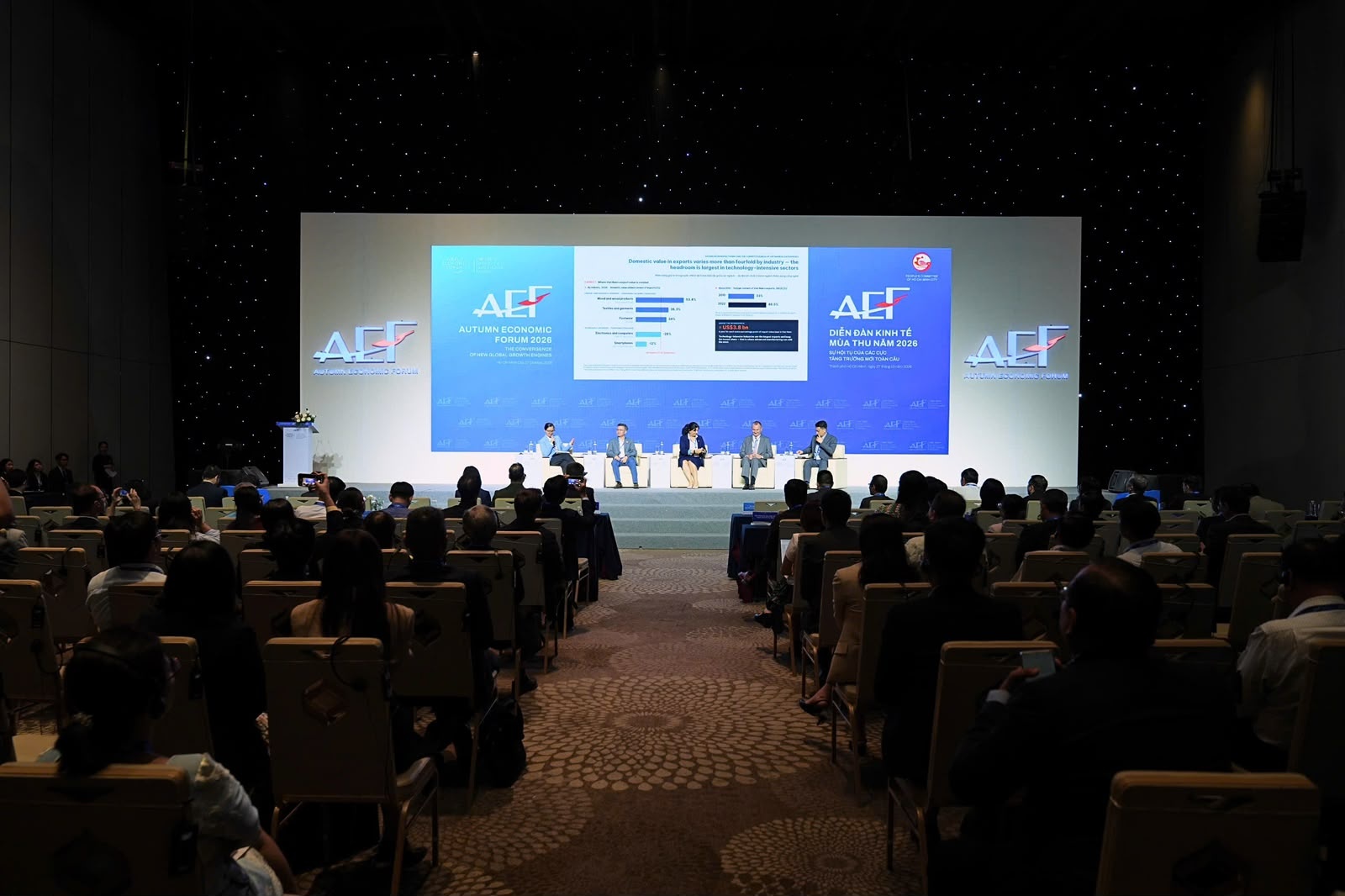 |
| The panel discussion on advanced manufacturing and the competitiveness of Vietnamese businesses. Photo: Nestlé Vietnam |
Hung suggested that leading firms in the supply chain need to clearly identify local suppliers’ issues relating to technology, human resources, quality management, data, and finance to develop appropriate support programmes.
“Collaborative efforts are vital to facilitate the goal,” Hung said. “Accordingly, the government should formulate policy and develop infrastructure. Leading firms should engage in supplier development initiatives. Meanwhile, universities and research institutions should step up training and enhance technological capabilities. Domestic enterprises make efforts to upgrade their own capacities.”
| Autumn Economic Forum 2026 The Autumn Economic Forum took place from October 26 to 29 in Ho Chi Minh City, with more than 1,800 registered delegates and 250 domestic and international speakers from 60 countries and territories. The forum is held under the direction of the Prime Minister and hosted by Ho Chi Minh City People’s Committee. It is organised by the Ho Chi Minh City Centre for the Fourth Industrial Revolution, in coordination with relevant municipal departments and agencies, as well as domestic and international partners. The forum focused on discussing new growth drivers, opportunities to elevate Vietnam's position in global value chains, science, technology, and innovation, and international cooperation. |
 | From coffee beans to value: Building a more sustainable coffee industry in Vietnam Vietnam’s coffee industry has built a formidable position in global markets, but its next challenge is no longer simply producing more beans. The greater opportunity lies in keeping more value in Vietnam by upgrading the entire value chain, from farms and processing to packaging, logistics, and exports. |
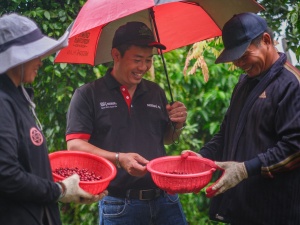 | ILO's WIND approach brings safer coffee farming to Vietnam Nguyen Trong Tuong was first introduced to the International Labour Organization's WIND approach in 2022. Four years later, he is teaching it himself, still looking for ways to make safer and healthier work part of everyday coffee farming in Vietnam. |
 | Nestlé and the NBA announce global partnership to share passion for basketball and active lifestyles for young people On October 8, Nestlé and the National Basketball Association entered a multi‑year international marketing partnership spanning 21 markets across four continents, marking Nestlé's largest international brand collaboration to date. |
What the stars mean:
★ Poor ★ ★ Promising ★★★ Good ★★★★ Very good ★★★★★ Exceptional
 Tag:
Related Contents


Latest News
More News
- SABECO posts stronger earnings ahead of Lunar New Year peak (November 02, 2026 | 14:01)
- FV reaches 100 Da Vinci Xi robotic surgeries attracting international patients to Vietnam (October 29, 2026 | 19:00)
- Robots no longer preserve of large corporations (October 29, 2026 | 15:35)
- Vietnam moves closer to 10 per cent growth target (October 28, 2026 | 12:48)
- Vietnam and Laos customs authorities hold 2026 conference (October 28, 2026 | 12:29)
- Plaud launches AI work companion in Vietnam (October 28, 2026 | 12:20)
- Breakthroughs in radiotherapy technology and new drugs for breast cancer treatment (October 27, 2026 | 17:00)
- Cost pressures and AI are shaping corporate reward strategies in Vietnam (October 27, 2026 | 15:54)
- Mitsubishi Electric Vietnam and Hitachi Digital Services complete SAP transformation (October 27, 2026 | 14:00)
- Vietnam-India forum promotes tech cooperation in AI, semiconductors (October 27, 2026 | 12:35)






 Mobile Version