
Ireland extends support for the Resilience First initiative

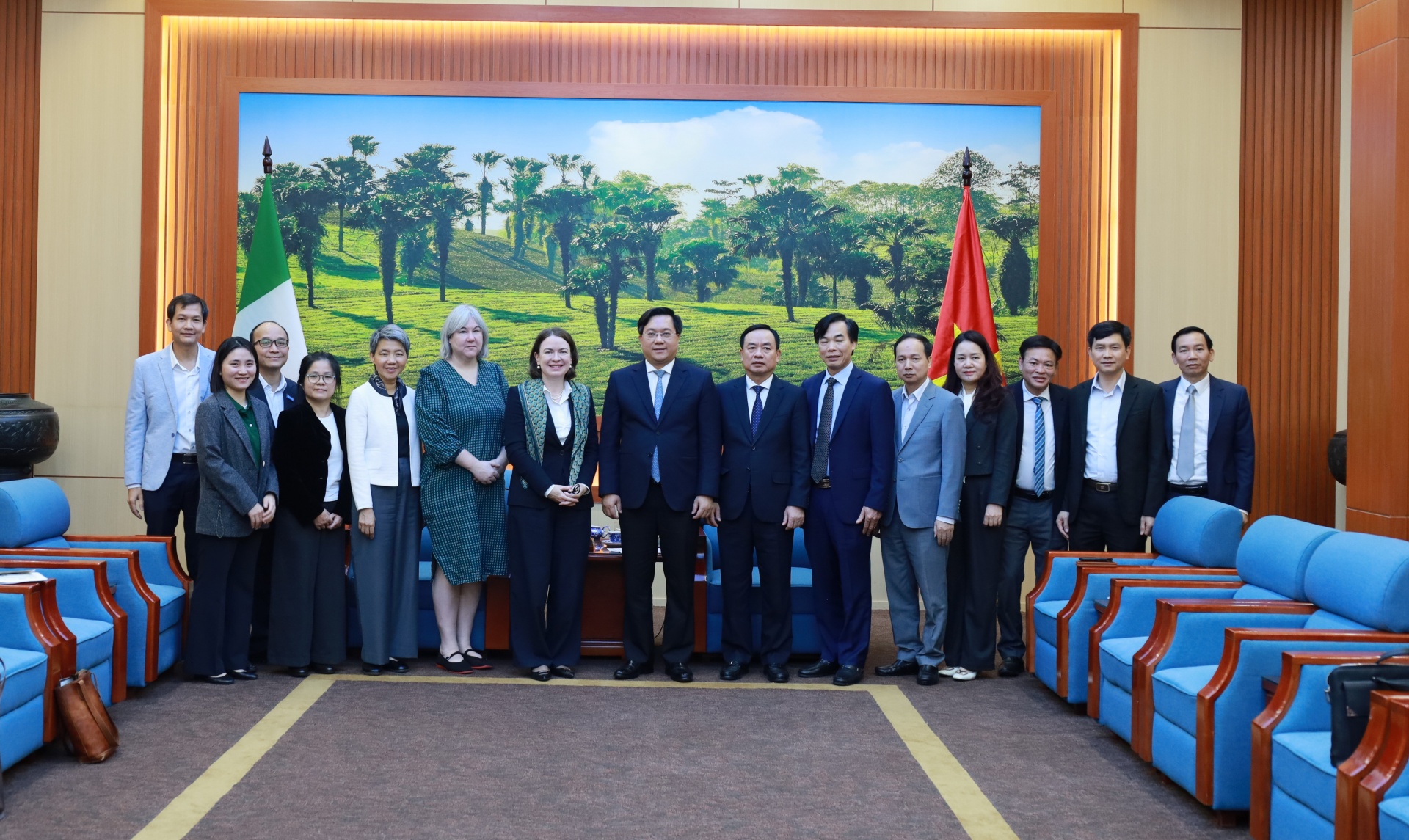
On November 26, the government of Ireland announced an extra $1.62 million for the Resilience First initiative for 2025–2026. The scheme aims to strengthen climate resilience across 13 communes in Tuyen Quang, Quang Tri, and Phu Tho provinces. The announcement was made during an event in Phu Tho reviewing the 2024–2025 results and outlining priorities for the next phase.
Opening the event, Le Kim Dung, country director of CARE International in Vietnam, highlighted that Resilience First is a long-term partnership supported by the Irish government and implemented by Plan International, CARE International and RIC.
“The goal of the programme is to enhance the climate resilience of poor and ethnic minority communities by building local capacities, supporting sustainable livelihoods, and improving essential infrastructure,” she said.
 |
| Photo: Kieu Trang |
Resilience First focuses on vulnerable groups, including women, children, young people, people with disabilities, and ethnic minority communities, with interventions designed to address climate change and disaster-related challenges.
According to Dung, the programme targets four key outcomes: strengthening preparedness among communities and local authorities; enhancing school climate resilience; supporting women affected by climate risks through economic empowerment; and promoting the integration of green finance into development planning.
The initiative is being implemented in 13 communes across Tuyen Quang, Quang Tri, and Phu Tho provinces, home to ethnic groups such as the Pa Co, Van Kieu, H’Mong, Tay, Nung, Muong, and Dao, who face heightened climate vulnerabilities.
“Investing in women’s capacity is investing in community resilience. When women are equipped with knowledge and resources, they become powerful drivers of local climate adaptation solutions,” said Dung.
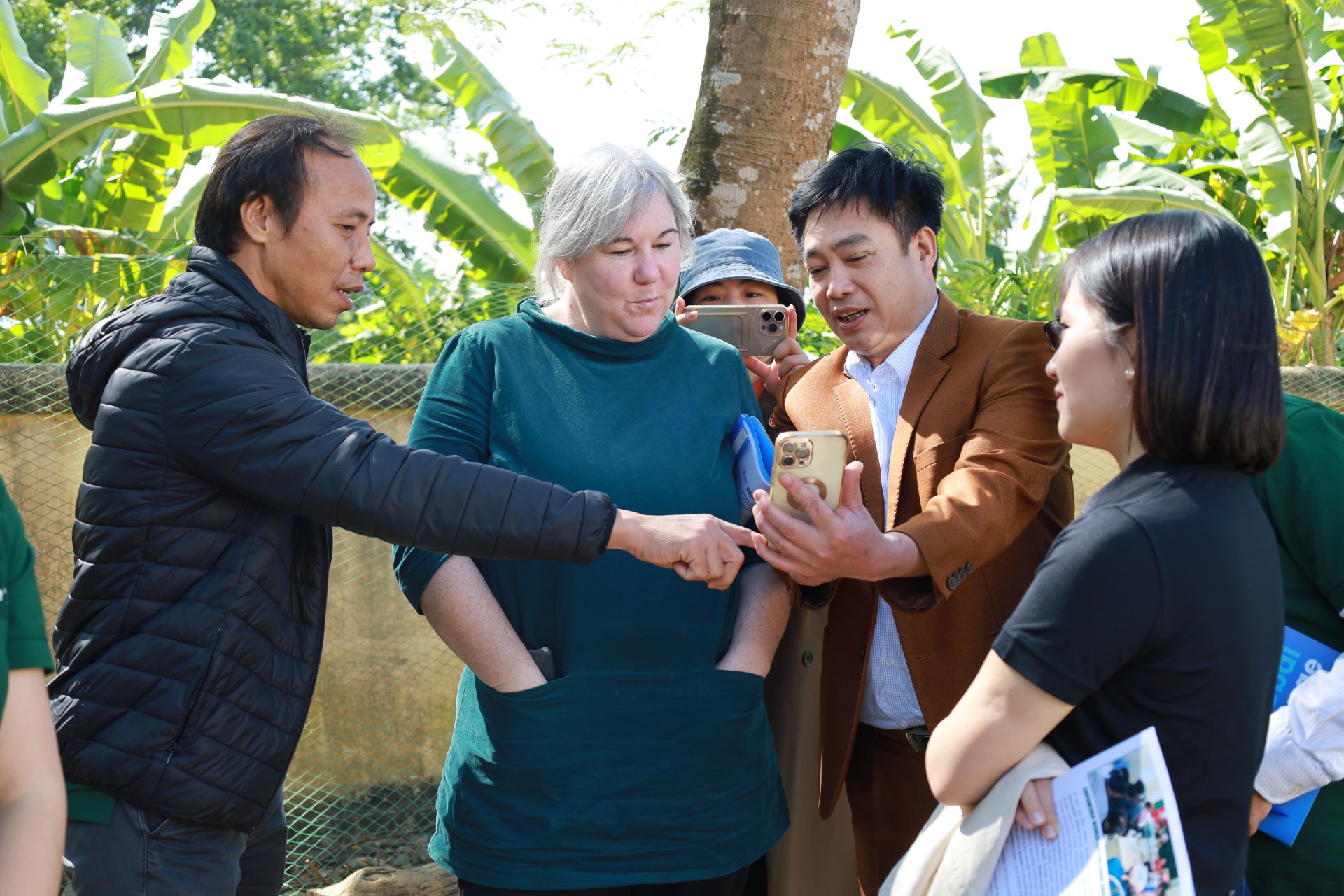
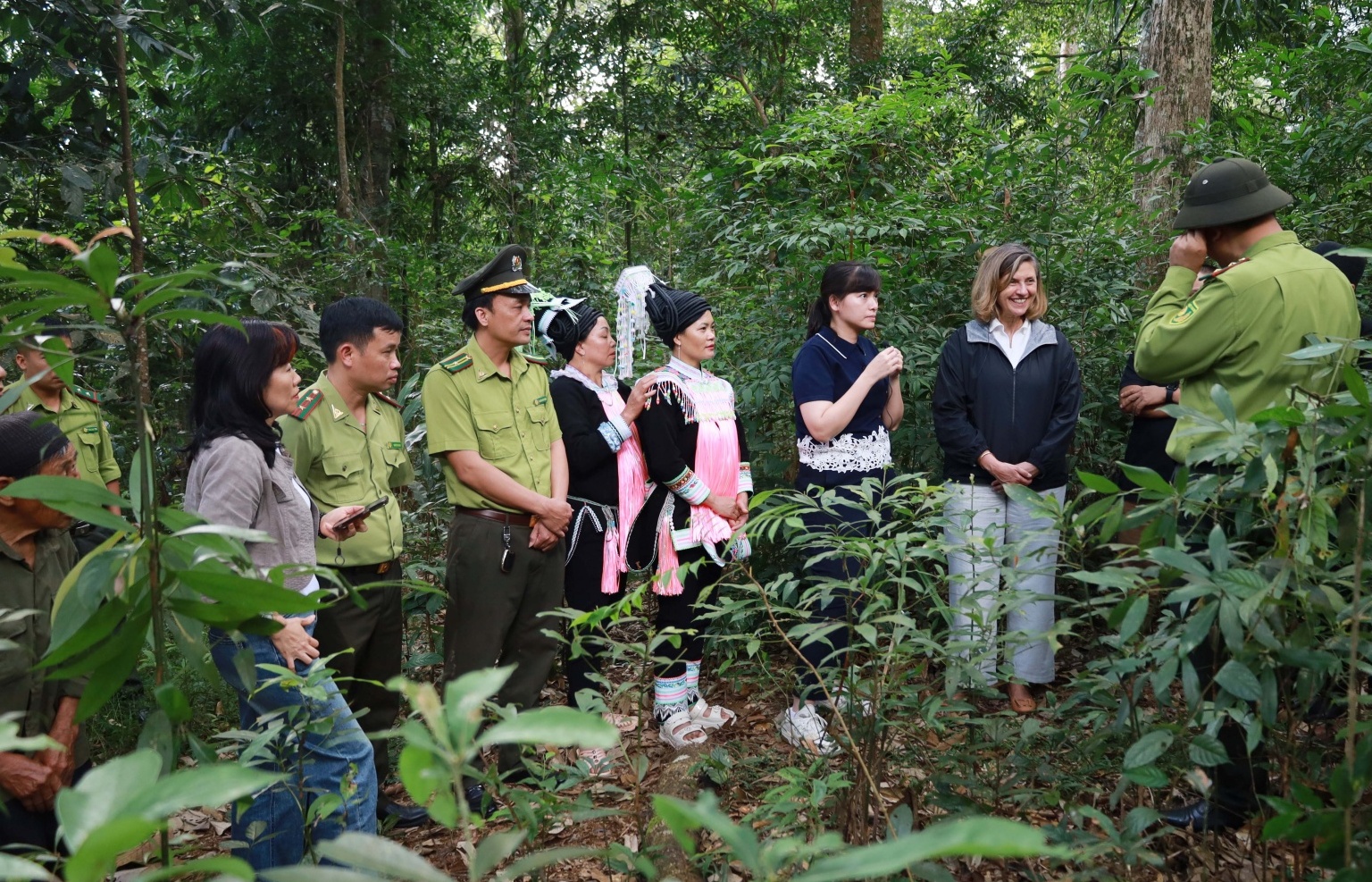
The Irish Ambassador to Vietnam Deirdre Ní Fhallúin noted that during a field visit to Phu Tho on November 25, the embassy observed the initiative’s key initiatives first-hand, including disaster preparedness training for teachers and students, and livelihood models led by ethnic minority women.
“Climate change is disproportionately affecting disadvantaged areas. Supporting ethnic minority communities has therefore remained a central priority for the government of Ireland since 2005,” said Ní Fhallúin.
“I believe the results and lessons shared today will help guide the next phase and reaffirm Ireland’s long-term commitment to strengthening local climate resilience,” she added.
At the event, Ambassador Ní Fhallúin officially announced the $1.62 million contribution to continue building local government capacity, supporting poor and ethnic minority communities in mountainous areas, and enhancing their resilience to both immediate and long-term climate impacts.
The 2024-2025 phase delivered notable results through a community-led approach.
 |
| Photo: Kieu Trang |
Under the climate adaptation component, the programme supported 15 communes across the three provinces in developing climate action plans based on vulnerability assessments. More than 140 adaptation activities were implemented, benefiting 1,747 people, including 732 women, through training, drills, community communication, and essential equipment.
In the infrastructure component, 31 small-scale projects such as bridges, roads, water supply systems, embankments, and storm shelters were newly built or upgraded, with 24 managed directly by communities.
These works improved transport safety and living conditions for 11,796 residents, including nearly 6,000 women and 95 per cent from ethnic minority groups. An additional 247 people received training in project planning and implementation, bolstering long-term technical capacity.
Under the safe and climate-resilient schools component, 32 schools developed action plans and implemented 92 activities to strengthen disaster preparedness among school managers, teachers and students. A total of 11,303 students and 808 teachers and education staff participated in training, facility upgrades, and green school initiatives.
The livelihoods component integrated a Climate Adaptation Framework into economic activities, with a strong focus on women’s empowerment. Over 12 months, 80 livelihood groups with 1,472 members, mostly ethnic minority women, received training on climate risks and adaptive farming and livestock practices.
Surveys show that 64.06 per cent of participating women applied at least three adaptation actions, 36 per cent reported increased income, and 86.67 per cent felt more confident in household and community livelihood decisions.
Ngo Cong Chinh, programme director at Plan International Vietnam, explained that close cooperation among Plan International, CARE, RIC and local partners has enabled the scheme to reach more than 26,000 people, strengthen community resilience, and scale women-led adaptive livelihood models.
“In the next phase, we will build on these foundations and bring smart climate initiatives to more communities, helping women, children and young people enhance their resilience to growing climate risks,” he said.


What the stars mean:
★ Poor ★ ★ Promising ★★★ Good ★★★★ Very good ★★★★★ Exceptional
 Tag:
Tag:Related Contents



Latest News





More News
- Government launches child protection programme for 2026–2030 (August 06, 2026 | 11:33)
- TMIV, Tohe host autism art event in Hanoi (July 13, 2026 | 17:06)
- TUI Academy Hanoi opens to bridge tourism skills gap (July 10, 2026 | 15:05)
- Panasonic to donate 1,000 flashlights to residents in Nghe An and Ha Tinh ahead of storm season (July 02, 2026 | 09:00)
- Viatris collaborates with medical community to enhance management of non-communicable diseases in Vietnam (June 29, 2026 | 17:20)
- Save Turtles Run returns to Con Dao for fifth anniversary (June 18, 2026 | 15:58)
- Citi Vietnam hosts annual blood donation as part of Global Community Day (June 09, 2026 | 08:53)
- Nghi Son Green scheme expands in Thanh Hoa to protect marine environment (June 02, 2026 | 09:55)
- IOM supports community disaster resilience in Gia Lai (June 01, 2026 | 08:00)
- Conference highlights animal welfare ambitions stemming from dog and cat meat trade (May 20, 2026 | 12:04)


Latest News






 Mobile Version