


Aviation and maritime fee exemptions proposed until end-2026

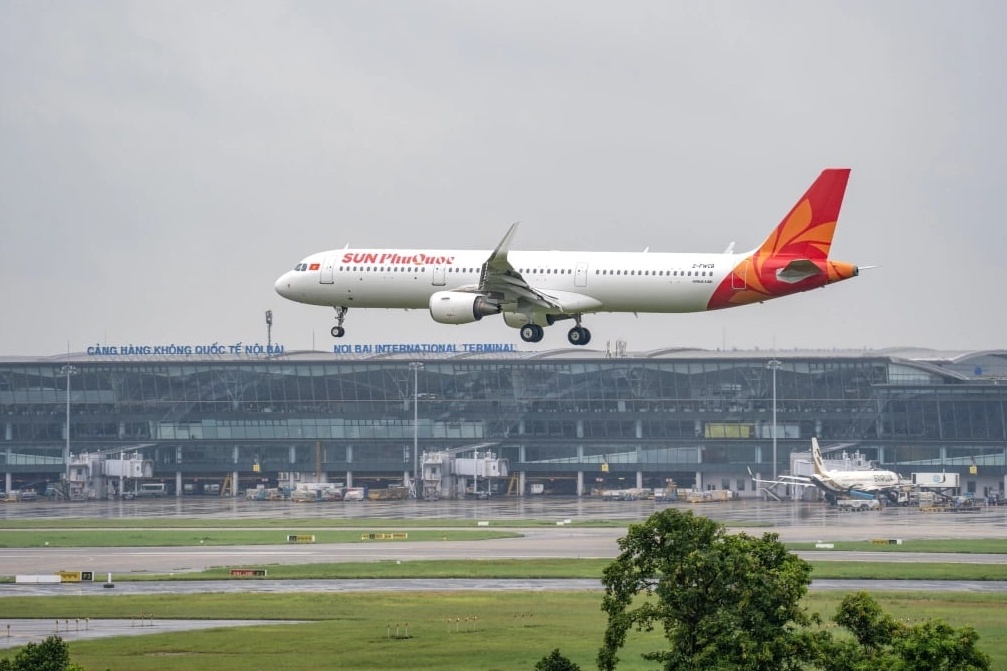
Under a draft circular currently open for consultation, the proposed exemptions in the aviation sector mainly relate to administrative procedures for airlines and supporting service providers.
 |
| Photo: Thoibaotaichinh.vn |
These include aircraft registration certification, appraisal of aircraft purchase and sale dossiers, and licensing examinations for flight crews, cabin staff, and ground personnel. Notably, the proposal does not cover service charges directly incorporated into airfares, such as security screening and passenger handling.
In the maritime sector, the exemptions would apply to fees associated with maritime safety services, anchorage use, and port entry and exit. If approved, the circular is expected to take effect from April 1 through the end of 2026.
According to the MoF, global fuel prices have remained volatile and at elevated levels, placing “significant pressure” on the profit margins of aviation and shipping enterprises.
The proposed policy is therefore considered urgent to help businesses reduce direct operating costs, curb rising transport fees, and maintain the continuity of both domestic and international supply chains.
The ministry noted that aviation and maritime transport serve as two of the most critical arteries of international trade. Any disruption or sharp increase in costs in these sectors could trigger knock-on effects, including higher import prices and increased input costs for domestic production.
In addition to supporting businesses, the fee exemptions are expected to help contain inflation, stabilise market prices, and ease cost pressures on consumers.
The MoF estimates that the proposed exemptions could reduce state budget revenues by approximately $142 million. Of this, the maritime sector would account for around $133 million, while aviation would see a reduction of about $8.7 million.
It is also considering extending tax reduction measures on fuel products to further support businesses and consumers. Under the proposed adjustments, state budget revenues could decline by an estimated $288 million per month, reflecting efforts to alleviate cost pressures and stimulate production and business activities.





What the stars mean:
★ Poor ★ ★ Promising ★★★ Good ★★★★ Very good ★★★★★ Exceptional
 Tag:
Tag:
Related Contents





Latest News





More News
- Sojitz in Vietnam: 40 years from individual projects to a business cluster 'KATAMARI' (October 08, 2026 | 09:00)
- Coteccons targets 'Quality Growth' with 25 per cent dividend plan (October 07, 2026 | 13:00)
- Vietnam Education Forum opens UK Education Mission's Hanoi visit (October 07, 2026 | 12:27)
- Tax authorities deactivate TINs of nearly 180,000 businesses (October 07, 2026 | 12:08)
- World Bank raises Vietnam's 2026 GDP growth forecast to 7.4 per cent (October 07, 2026 | 11:41)
- Vietstock 2026 to spotlight livestock innovation and green transition (October 07, 2026 | 09:00)
- Vietnam’s GDP grows over 9 per cent in first nine months (October 05, 2026 | 18:45)
- Vietnam earns $56.3 billion from agro-forestry-fishery exports (October 05, 2026 | 18:32)
- DSV balances resilience and decarbonisation in supply chains (October 05, 2026 | 18:20)
- Electronics exports reach $175.4 billion in the first nine months (October 05, 2026 | 18:12)


Latest News





 Mobile Version