
79 per cent of people with chronic conditions say respiratory viruses disrupt daily life: survey

 |
| RSV may affect the health of people with chronic conditions and their ability to maintain daily activities. Photo: GSK |
These kinds of disruptions can negatively impact mental health, reduce confidence in managing existing conditions, and lead to increased dependence on others to manage daily tasks.
To mark respiratory syncytial virus (RSV) awareness week (November 2-8), a global survey, commissioned and funded by GSK, of 6,041 adults aged 18 and over across 10 countries, explored RSV awareness and experiences among people living with certain chronic health conditions.
RSV Awareness Week 2026 is designed to increase understanding of RSV and its impact on adults and people living with certain chronic health conditions. The campaign encourages adults who may be at increased risk to recognise RSV as more than a seasonal respiratory virus by highlighting the disruption it can cause to health, independence and everyday life, and by inspiring more proactive, informed conversations with healthcare professionals.
These conditions include cardiovascular disease, diabetes, asthma, chronic obstructive pulmonary disease (COPD), chronic kidney disease, and hypertension.
The impact of respiratory viruses on those surveyed was particularly pronounced for some groups. 52 per cent of adults with asthma said their symptoms worsened when they experienced a respiratory virus, along with 45 per cent of those with COPD, 35 per cent of those with chronic kidney disease, 29 per cent of those with cardiovascular disease, and 27 per cent of those with diabetes. Across all respondents, more than a third (36 per cent) experienced a longer recovery than expected, one quarter (25 per cent) needed additional general practitioner or primary care visits, and 18 per cent visited urgent care.
Among those who had experienced RSV specifically, the effects could last well beyond the initial infection. 40 per cent said their health was disrupted for a month or more, while nearly 1 in 10 (9 per cent) said it took over a year for their health to return to normal or that they had still not fully recovered. More than half (55 per cent) described their RSV symptoms as moderately severe or very severe, rising to 68 per cent among respondents with chronic kidney disease or COPD, 64 per cent among those with cardiovascular disease, and 63 per cent among those with asthma.
Dr. Elena DeAngelis, country medical director of GSK Vietnam, said, “For people living with chronic conditions, managing their health is an everyday priority. Contracting RSV or another respiratory infection can have impacts beyond a few days of feeling unwell, affecting their ability to care for themselves and continue the activities that are meaningful to them. People with chronic conditions should speak with healthcare professionals about ways to help protect themselves against RSV.”
RSV is an increasingly recognised cause of respiratory illness among older adults aged 60 and over. In 2019 in developed countries alone, RSV was estimated to account for around 470,000 hospitalisations and 33,000 in-hospital deaths in adults aged 60 and over. Adults living with cardiovascular disease, diabetes, chronic kidney disease, asthma, and COPD are at increased risk of severe RSV disease such as lower respiratory tract disease and its complications.
In Vietnam, based on modelled estimates over a five-year period, approximately 4.6 million RSV-associated acute respiratory infection cases are projected to occur among adults aged 60 years and older. These estimates include approximately 200,000 hospitalisations and nearly 18,000 deaths attributable to RSV-associated lower respiratory tract disease.
Despite this potential impact, awareness doesn’t always translate into conversations with healthcare professionals. Four in five respondents said they were concerned that a respiratory virus could interfere with management of their chronic condition or worsen their symptoms.
Yet almost half (46 per cent) had not discussed RSV with a healthcare professional within the past two years, including one third (33 per cent) who said they had never discussed it. This gap was particularly notable among older respondents: 66 per cent of adults aged 18–49 had discussed RSV with a healthcare professional within the past two years, compared with 45 per cent of adults aged 50 and over.
These findings highlight an important gap between the potential impact of RSV and how seriously that risk is being considered by people living with certain chronic health conditions. Greater awareness of RSV and its potential consequences can help encourage patients to pay more attention to this virus when speaking with healthcare professionals.
These survey findings underline the need to make RSV a more visible part of respiratory health and chronic condition discussion. For adults who may be at increased risk, speaking to a healthcare professional can help them better understand RSV and the steps they can take to help prevent an RSV infection.
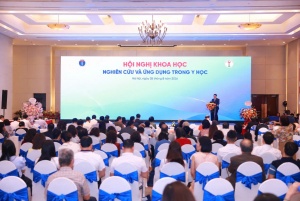 | Proactive disease prevention and personalised treatment: a new approach in the era of population ageing At the 2026 conference “Research and Application in Medicine,” organised by the Vietnam Medical Association on August 28, experts shared updates on scientific research and clinical practice in disease prevention and treatment, ranging from life-course immunisation to advanced treatment solutions for non-communicable diseases. |
 | Symposium highlights RSV risks in older adults Population ageing underscores the urgent need for proactive prevention to protect older adults, particularly those with underlying conditions, from the serious health risks associated with Respiratory Syncytial Virus (RSV). |
 | GSK supports medical community in raising awareness of severe asthma in Vietnam Leading experts in respiratory medicine and allergy-immunology gathered at the scientific symposium in Ho Chi Minh City on September 27 to share insights into the pathophysiology of severe asthma, the role of type 2 inflammation and current approaches to disease management. |
What the stars mean:
★ Poor ★ ★ Promising ★★★ Good ★★★★ Very good ★★★★★ Exceptional
 Tag:
Related Contents






Latest News
More News
- From adversity to empowerment: A woman's mission to help others (November 04, 2026 | 12:05)
- Vaccination in comprehensive cardiovascular care: From recommendations to clinical practice (October 31, 2026 | 08:00)
- Ministry of Health clarifies draft organ donation law amendments (October 28, 2026 | 12:22)
- SABECO, VFF expand Ambassadors of National Progress Award (October 19, 2026 | 13:17)
- Overseas employment costs fall for Vietnamese workers (September 09, 2026 | 12:20)
- SABECO strengthens community ties through Bia Saigon partnership (August 24, 2026 | 15:29)
- Vietnam strives to build safer digital environment to protect children online (August 21, 2026 | 17:19)
- RE:ACT challenge aims to turn youth ideas into community impact (August 10, 2026 | 10:09)
- Financing options for shock-responsive social protection in Vietnam (July 30, 2026 | 14:59)
- HER2+ breast cancer carries $3.71 billion productivity burden in Vietnam (July 30, 2026 | 14:32)







 Mobile Version