
Silver economy could add $5.6 billion to Vietnam’s GDP

Developing the silver economy could contribute more than $5.6 billion to the country’s GDP, provided that policy, infrastructure and investment are aligned to turn demographic challenges into sustainable growth.
Vietnam’s rapidly ageing population is creating an emerging market with significant potential for investment, business development and economic growth, heard a policy dialogue on developing the silver economy held on November 16.
 |
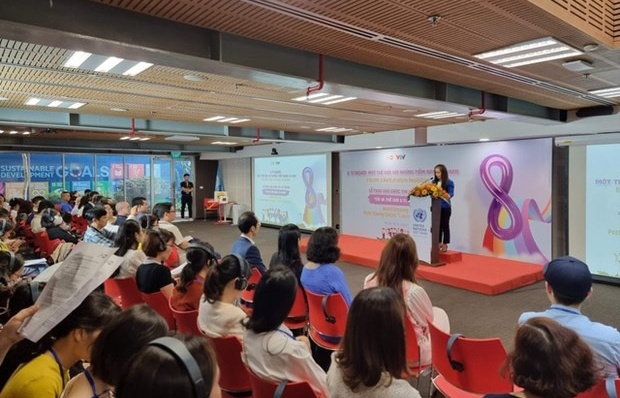
| Photo: chinhphu.vn |
With nearly 16.5 million people aged 60 and above, accounting for approximately 16 per cent of the population, Vietnam is approaching a major demographic transition. The country is expected to enter an aged society by 2034, while its golden population period is projected to end around 2036.
However, speakers at the conference stressed that population ageing should not be viewed solely as a challenge to social security and healthcare systems. It also presents opportunities to develop new markets, engage investment, create jobs and generate additional sources of economic growth.
“The silver economy is not only about meeting the needs of older people, but also about expanding markets, stimulating investment, creating jobs, developing new products and services, and generating new growth drivers,” said Nguyen Thanh Nghi, Head of the Central Policy and Strategy Commission.
According to Nguyen Thanh Binh, chairman of the Vietnam Association of the Elderly, nearly nine million older people are currently engaged in labour, production and business activities nationwide, making significant contributions to economic development.
“Population ageing is not only a challenge but also an opportunity for development. Older people are not merely beneficiaries of policies, but also a resource, active participants and drivers of development,” Binh said.
Turning demographic shifts into new growth market
The economic potential of population ageing is substantial. According to the United Nations Population Fund (UNFPA), Vietnam's population has reached approximately 102.3 million, with nearly 17 million people aged 60 and above. By 2034, this group is expected to exceed 20 million, while the number of people aged 80 and above could increase eightfold over the next 50 years.
The United Nations resident coordinator in Vietnam, Pauline Tamesis, noted that Vietnam was undergoing this demographic transition at an exceptionally rapid pace. While France took approximately 115 years and the US 69 years to move from an ageing to an aged society, Vietnam is expected to complete the transition in just 23 years.
The speed of this transformation makes early preparation particularly important. Vietnam has only around a decade to establish the institutional, economic, infrastructure and social security foundations needed to adapt to an ageing society.
Yet the potential economic returns are considerable. The Asian Development Bank estimates that tapping into the silver dividend could contribute up to 1.1 per cent of Vietnam's GDP, equivalent to more than $5.6 billion based on the country's 2025 economic scale.
Tamesis stressed that older people should be recognised not only as consumers but also as workers, entrepreneurs and community leaders whose experience, skills and purchasing power can contribute to economic development.
“The silver economy should empower older people rather than simply treat them as a commercial market segment,” she said, highlighting the importance of developing products and services in collaboration with older consumers to ensure that their actual needs and experiences are reflected.
The opportunities extend across healthcare, pharmaceuticals, rehabilitation, nutrition, assistive technologies, elderly care, housing, financial services and leisure. These sectors could form the foundation of a broader market ecosystem, attracting private investment while generating employment and new business opportunities.
Nevertheless, delaying action could carry considerable economic costs. World Bank research cited at the conference warns that a shrinking workforce could reduce annual economic growth by approximately 0.9 percentage points if the trend is not adequately addressed. Demographic pressures could also increase financial burdens on the social insurance system during 2028-2034.
Against this backdrop, Nghi outlined three strategic requirements for developing the silver economy. First, it must be integrated into Vietnam's broader economic restructuring, which prioritises science and technology, innovation, digital transformation and productivity growth.
Second, policies and investment must be implemented early, given the limited time available before the country enters an aged society. Third, economic development must go hand in hand with social progress and equity, rather than focusing exclusively on the commercialisation of elderly-related products and services.
“The silver economy had gradually moved from policy awareness and research towards concrete policy development. Six major orientations had been identified following last year's conference, including institutional reform, development of a national silver economy scheme, encouraging private-sector participation, expanding international cooperation, encouraging technology and digital transformation, and linking economic development with social security,” he said.
However, institutional, market, financial, infrastructure and implementation impediments remain.
 |
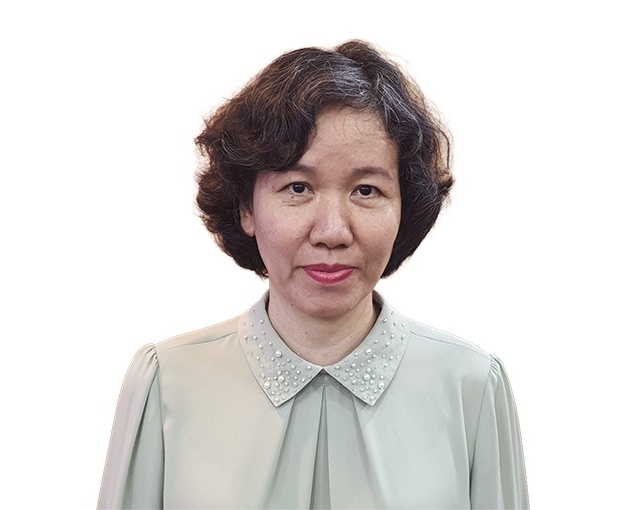
| Pauline Tamesis, UN resident coordinator in Vietnam. Photo: chinhphu.vn |
Healthcare and care services offer significant investment potential
Healthcare and long-term care are among the most urgent areas requiring investment as Vietnam's population ages. Minister of Health Dao Hong Lan said that older people could account for approximately 25 per cent of the population by 2050, meaning that one in every four Vietnamese would be aged 60 or above.
“Although the country has made progress in developing specialised healthcare services, capacity remains limited. Vietnam currently has around 100 hospitals with geriatric departments, alongside several specialised geriatric hospitals,” Lan said. “Strengthening these facilities and expanding grassroots healthcare services would be essential to improving access to healthcare for older people.”
Community-based healthcare, in particular, needs to be developed to enable older people to receive regular medical attention closer to home, with greater coordination between local healthcare facilities and the Vietnam Association of the Elderly.
The shortage of elderly care infrastructure also highlights considerable room for private-sector participation. Vietnam currently has approximately 220 elderly care facilities serving around 15,000 people, while home-based and community-based care networks remain fragmented. The country also lacks sufficient specialists in geriatrics, nursing, social work and long-term care.
UNFPA estimates that Vietnamese people spend an average of 9.3 years in poor health, while older patients admitted to hospitals typically suffer from between 3.5 and four chronic conditions. These figures underline the need to shift from a predominantly treatment-based approach towards preventive healthcare and comprehensive long-term care.
Tamesis highlighted four pillars for turning demographic change into sustainable, high-quality growth.
The first is a rights-based approach that places dignity, autonomy and non-discrimination at the centre of policies. The second is a stronger social security and multi-tier pension system, including broader social insurance coverage for informal-sector and rural workers, alongside more diversified voluntary pension products.
The third is universal healthcare coverage and comprehensive long-term care. Preventive interventions such as fall prevention, diabetes management and improved access to hearing aids could deliver significant benefits at relatively low costs. Vietnam should also consider piloting long-term care insurance and professionalising its care workforce to meet rising demand.
The fourth pillar is gender equality and lifelong learning. As women account for a larger share of the older population, policies should better recognise their contributions and address the unequal burden of care work. Meanwhile, people aged 55 and above should have greater access to lifelong learning, reskilling and flexible employment opportunities to remain economically active.
UNFPA also called for the revision of the 2009 Law on the Elderly to institutionalise the principles of dignity, autonomy and non-discrimination, while ensuring that older people are involved in designing products and services intended for them.
Vietnam has already established an important policy foundation through resolutions, the 2025 Law on Population, the National Strategy on Older People and orientations for developing a national silver economy scheme through 2030, with a vision to 2045.
The next step, speakers agreed, is to translate these commitments into concrete mechanisms that mobilise public and private resources, encourage innovation and expand the market for age-friendly products and services.
With the demographic window narrowing, developing the silver economy is no longer simply a matter of social policy. It is increasingly an economic imperative and an opportunity for Vietnam to create new investment markets, strengthen its growth potential and ensure that longer lives also bring greater economic participation and quality of life.
What the stars mean:
★ Poor ★ ★ Promising ★★★ Good ★★★★ Very good ★★★★★ Exceptional
 Tag:
Related Contents








Latest News
More News
- Hanoi students join push to stop rabies at source (November 12, 2026 | 10:09)
- 65 nationalities at UNIS Hanoi answer the call for "dialogue over division" (November 06, 2026 | 16:20)
- Translating scientific evidence into practice for dengue control (November 06, 2026 | 16:12)
- 79 per cent of people with chronic conditions say respiratory viruses disrupt daily life: survey (November 05, 2026 | 17:25)
- From adversity to empowerment: A woman's mission to help others (November 04, 2026 | 12:05)
- Vaccination in comprehensive cardiovascular care: From recommendations to clinical practice (October 31, 2026 | 08:00)
- Ministry of Health clarifies draft organ donation law amendments (October 28, 2026 | 12:22)
- SABECO, VFF expand Ambassadors of National Progress Award (October 19, 2026 | 13:17)
- Overseas employment costs fall for Vietnamese workers (September 09, 2026 | 12:20)
- SABECO strengthens community ties through Bia Saigon partnership (August 24, 2026 | 15:29)








 Mobile Version