
Ministry of Health clarifies draft organ donation law amendments

The Ministry of Health held a press briefing on October 27 to clarify the draft regulations amid public concerns. The draft is still being finalised and revised before submission to the National Assembly.
According to Minister Lan, the purpose of drafting the law is to address the shortcomings and inadequacies of the law which has been in effect for the past 20 years.
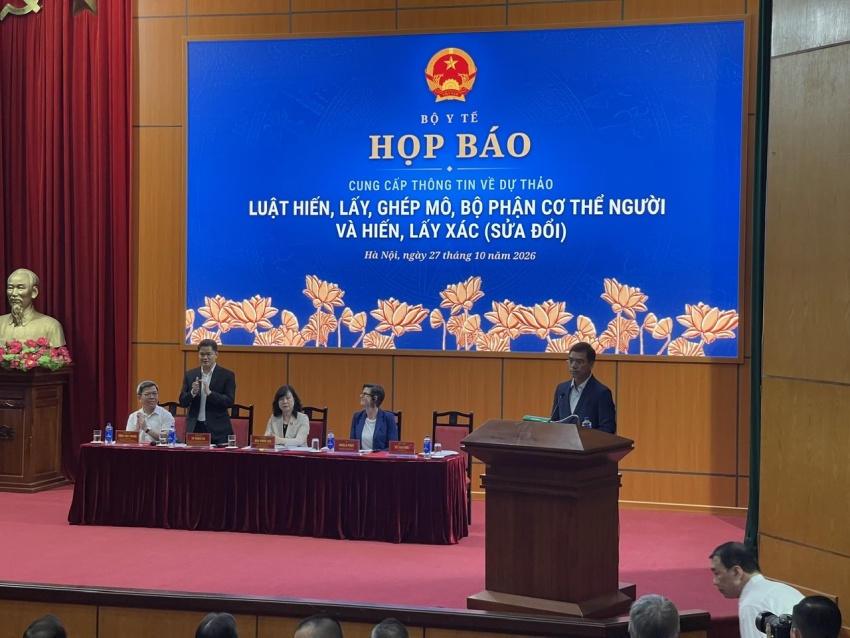 |
| The press briefing on October 27. Photo: Bich Thuy |
Lan said that for people with chronic organ failures, when the disease progresses to the end stage, the only way to save their lives is through organ transplantation. These daily life-or-death situations are a constant concern for both lawmakers and those directly involved in implementing legislation.
"We cannot stand by and watch patients whose lives could be saved be prevented from doing so simply because of a lack of legal regulations," she noted.
The minister stated that the draft law was developed in a way that would bring the most benefits to the people, especially patients waiting for organ transplants, and in the spirit of not forcing anyone.
The draft expands opportunities to save more patients, including children; while has strict regulations regarding conditions, prohibited behaviours, and provisions defining eligible candidates.
Lan explained that currently, tissue, and organ donation in adults is also done in the spirit of advocacy, not coercion.
She admitted that the draft law may still contain some technically yet-to-be-strict provisions or may not fully address all the issues raised. The drafting agency will continue to incorporate feedback from National Assembly deputies and relevant parties to finalise the draft.
Addressing the event, Dr. Angela Pratt, World Health Organization (WHO) representative in Vietnam, said, "WHO supports enabling life-saving donation and transplantation, including appropriate donation involving children, provided the best interests of the child are paramount and there are very robust safeguards in place for consent, voluntariness, independent ethical oversight, protection from coercion and exploitation, and quality and safety."
Dr. Pratt cited some international practice as an example. Specifically, in Australia, this is the country she knows best, and in fact she was marginally involved in establishment of Australia’s current organ donation system during my time working for the Australian government some years ago.
She said that Australia allows young people to participate in deceased organ and tissue donation, within a structured opt-in system, that recognises their expressed wishes while retaining family involvement, specialist assessment and a strong clinical governance framework. Donation involving children is embedded within the wider national donation system.
“Examples such as Australia support the possibility of deceased donation involving minors, but the enabling provision should be accompanied by very robust consent, ethical, clinical and regulatory safeguards. I understand that the UK and other countries follow a similar approach,” she elaborated.
“We consider that Vietnam’s draft law is broadly consistent with the direction of WHO guidance and international practice,” she noted. “We do see some scope for strengthening provisions re safeguarding esp for minors, as well as strengthening provisions in the law regarding implementation arrangements.”
The Law on Donation, Procurement, and Transplantation of Human Tissues, Organs, and Cadavers has taken effect since 2006. However, many shortcomings have emerged during this 20-year period, making revisions essential.
Since the first organ transplant was performed in 1992, by March this year, 11,187 organ transplants were performed nationwide, saving the lives of many people, including children.
What the stars mean:
★ Poor ★ ★ Promising ★★★ Good ★★★★ Very good ★★★★★ Exceptional
 Tag:
Themes: Healthcare Platform
- Breast cancer awareness push gains
- Ministry of Health clarifies draft organ donation law amendments
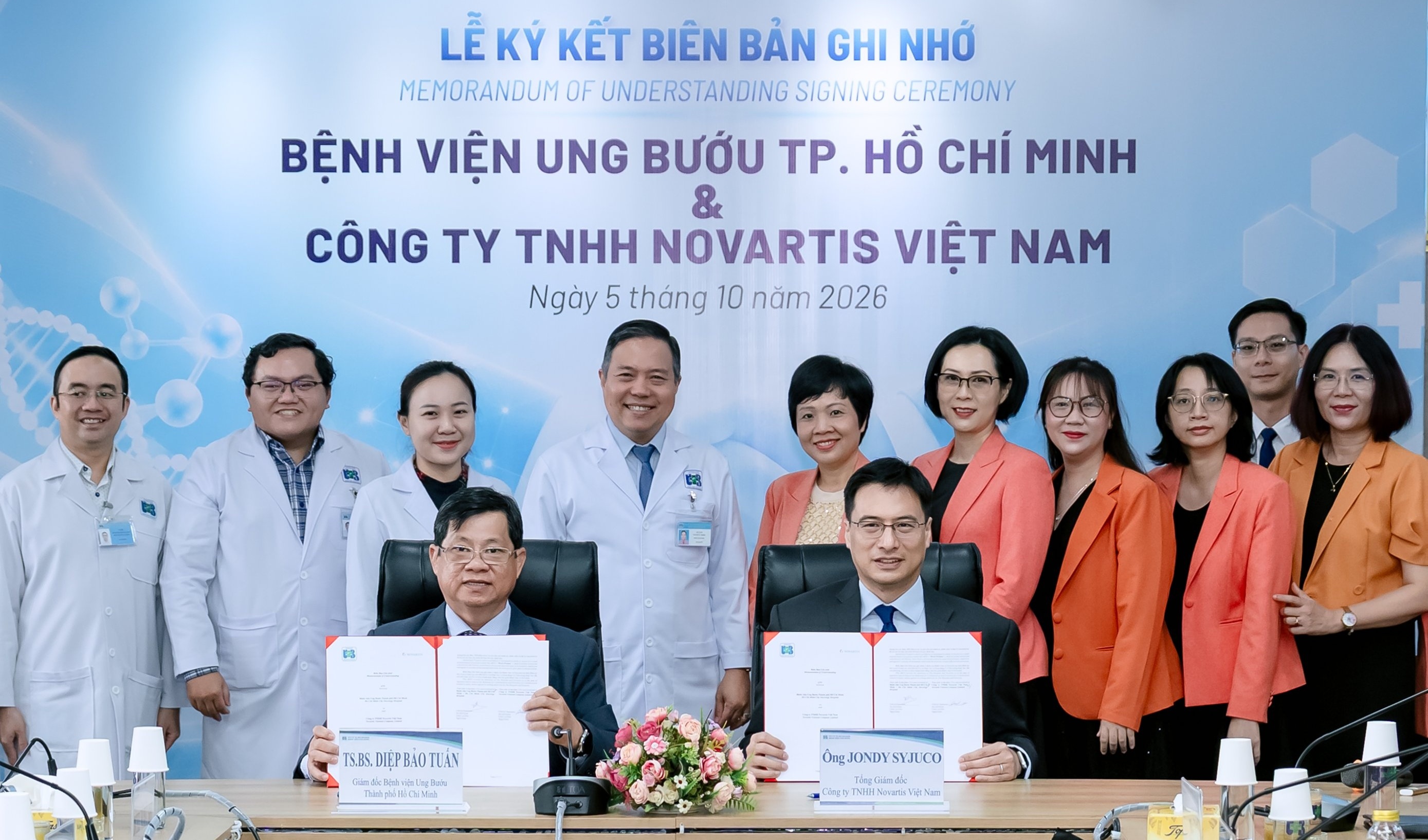
- Ho Chi Minh City Oncology Hospital signs MoU with Novartis Vietnam
- Driving early detection and integrated liver disease management
- GSK supports medical community in raising awareness of severe asthma in Vietnam
Related Contents







Latest News
More News
- SABECO, VFF expand Ambassadors of National Progress Award (October 19, 2026 | 13:17)
- Vietnam prepares communications campaign for APEC 2027 (September 24, 2026 | 18:13)
- Overseas employment costs fall for Vietnamese workers (September 09, 2026 | 12:20)
- SABECO strengthens community ties through Bia Saigon partnership (August 24, 2026 | 15:29)
- Vietnam strives to build safer digital environment to protect children online (August 21, 2026 | 17:19)
- RE:ACT challenge aims to turn youth ideas into community impact (August 10, 2026 | 10:09)
- Financing options for shock-responsive social protection in Vietnam (July 30, 2026 | 14:59)
- HER2+ breast cancer carries $3.71 billion productivity burden in Vietnam (July 30, 2026 | 14:32)
- Party Resolution charts Vietnam’s development model through 2045 and beyond (July 30, 2026 | 12:29)
- STEM education evolves for AI era (July 21, 2026 | 09:38)







 Mobile Version