
Vietnam seeks for cuisine to give tourism a competitive edge

The Vietnam National Institute of Culture, Arts, Sports and Tourism Studies (VICAS) under the hosted a seminar on “Cuisine and Vietnam’s Tourism Development” in Hanoi on July 15, calling for cuisine to be recognised as a cultural asset and development resource rather than merely a service for visitors.
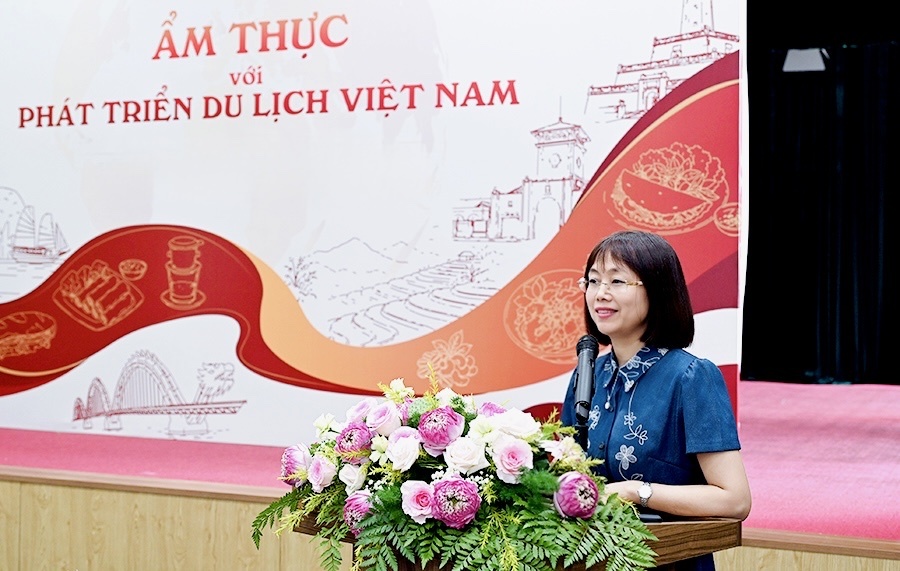 |
| Nguyen Thi Hoa Mai, deputy director general of the Vietnam National Authority of Tourism, addresses the seminar on cuisine and tourism development in Hanoi on July 15. Photo: TITC |
The event brought together policymakers, researchers, tourism experts, businesses, and local authorities to discuss the role of gastronomy in sustainable tourism.
Speaking at the seminar, Nguyen Thi Hoa Mai, Deputy director general of the Vietnam National Authority of Tourism (VNAT), said international studies have increasingly highlighted the importance of cuisine in shaping tourism demand.
“Research by international tourism organisations shows that more than 50 per cent of travellers choose destinations based on culinary experiences, while 81 per cent of international visitors are eager to explore local cuisine on their first trip. From an economic perspective, gastronomy is a strong driver of tourism spending,” she said.
Mai noted that as travellers increasingly seek authentic local experiences, investing in culinary tourism could not only promote Vietnam’s cultural identity but also encourage longer stays, higher visitor spending, and stronger repeat visitation.
Hoang Thi Binh, vice president of VICAS, said Vietnam’s culinary heritage, shaped over thousands of years and enriched by the traditions of the country’s 54 ethnic groups, offers a distinctive foundation for tourism development.
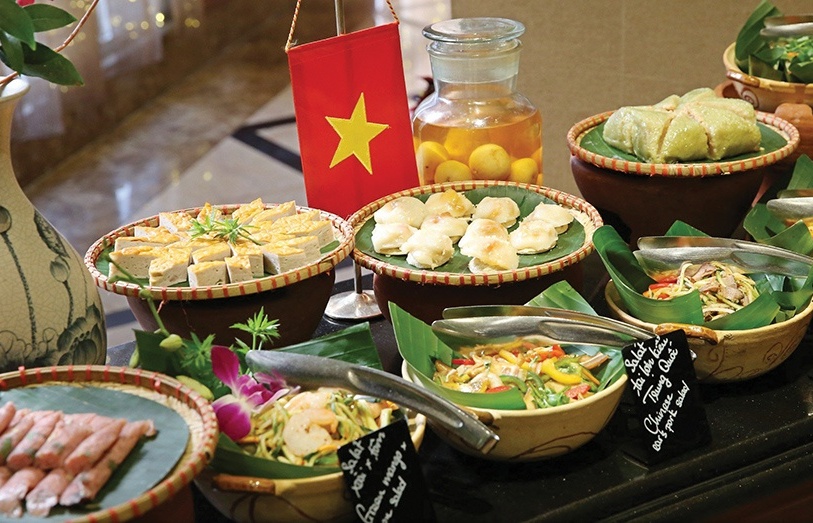
From royal cuisine and traditional dishes to street food, craft villages, and regional specialities, Vietnam possesses a rich and diverse gastronomic landscape that can be transformed into a competitive tourism resource, she said.
“Cuisine is not only a unique cultural asset but also an important tourism resource that can enhance the competitiveness of Vietnam as a destination,” Binh said.
According to deputy director general of VNAT, as competition among destinations intensifies, particularly in Southeast Asia, Vietnam needs to adopt more innovative tourism promotion strategies. Drawing on international experience and global tourism trends, VNAT has advised the Ministry of Culture, Sports and Tourism to submit a proposal to the government on boosting Vietnamese tourism and cuisine overseas during 2026-2030.
The proposal aims to position cuisine as a core element of Vietnam’s national tourism brand, strengthening the country’s competitiveness across Asia and globally.
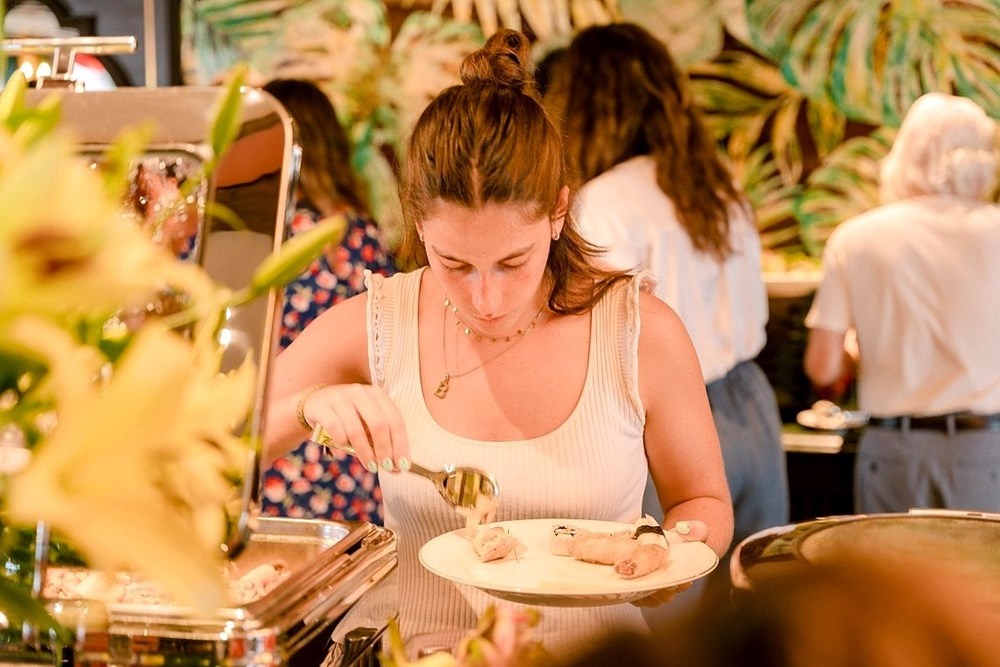 |
| Photo: Ministry of Culture, Sports and Tourism |
Deputy director general of VNAT added that countries such as Japan, Thailand, South Korea, Italy, and China have all adopted comprehensive national strategies to develop culinary tourism. Rather than simply promoting dishes, these countries showcase their culinary culture by telling stories about history, traditions, and national identity through food, thereby enhancing their destination image.
According to UN Tourism, food accounts for approximately 25-35 per cent of total travel expenditure and is one of the key factors influencing destination choice. Beyond generating direct economic value, gastronomy also supports the development of cultural industries, the creative economy, the nighttime economy, strengthens regional linkages, and encourages visitors to stay longer.
In response, the Ministry of Culture, Sports and Tourism is submitting to the prime minister a proposal on boosting Vietnamese tourism and cuisine overseas for the 2026-2030 period. The initiative focuses on encouraging Vietnam’s culinary culture as part of its broader cultural tourism offering, rather than marketing food alone.
The proposal also supports the objectives of Politburo Resolution No.80-NQ/TW on the development of Vietnamese culture, which prioritises international cultural promotion, the preservation and celebration of national identity, and the enhancement of Vietnam’s soft power through its cultural heritage.
What the stars mean:
★ Poor ★ ★ Promising ★★★ Good ★★★★ Very good ★★★★★ Exceptional
 Tag:
Tag:Related Contents


Latest News



More News
- Plan approved for $420 million horse racing complex in Soc Son, Hanoi (July 08, 2026 | 13:37)
- Keeping heritage authentic in a digital world (June 15, 2026 | 17:57)
- Vietjet's cabin crew: ambassadors of hospitality and pioneering spirit (June 01, 2026 | 10:38)
- Hanoi boosts tourism ties with Japan to attract more visitors (May 30, 2026 | 08:00)
- TAT and Vietnam Airlines agree to boost travel links (May 29, 2026 | 12:24)
- Sustainable tourism to shape Vietnam’s growth path (April 30, 2026 | 12:41)
- Vietnam Military History Museum holds lacquer painting exhibition marking national milestones (April 24, 2026 | 17:29)
- Vietnam welcomes over 2.2 million international visitors in February (March 12, 2026 | 11:39)
- Women-led businesses to enhance capacity (March 08, 2026 | 08:00)
- Fusion expands seasonal travel offerings for Lunar New Year and Valentine’s Day (February 11, 2026 | 14:00)






 Mobile Version