
Ho Chi Minh City Respiratory Society congress draws nearly 800 experts

On March 21, the 2026 Ho Chi Minh City Respiratory Society Annual Congress, focused on advancing science and technology in modern pulmonology, drew nearly 800 delegates, including respiratory specialists, internists, paediatricians, lecturers, and researchers from Vietnam and abroad.
The event drew significant attention for its focus on practical, clinically relevant updates in prevention, diagnosis, and disease management. It served as a reputable scientific forum, offering a comprehensive view of advancements in respiratory care through expert-led sessions and specialised symposia.
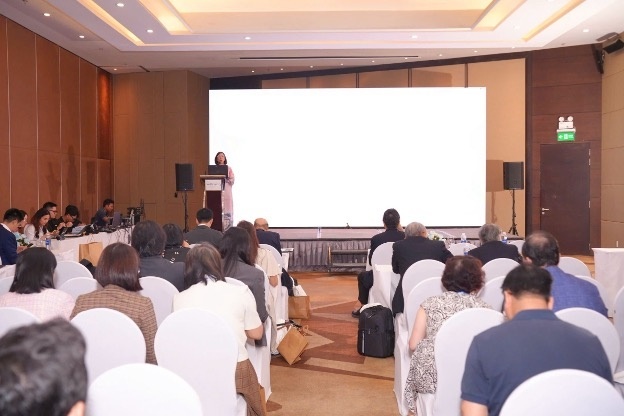 |
| Domestic and international experts at the 2026 Ho Chi Minh City Respiratory Society Annual Congress. Photo: Pfizer |
This year’s congress provided an overview of emerging developments in respiratory care, focusing on topics such as community-acquired pneumonia, paediatric respiratory diseases, chronic obstructive pulmonary disease (COPD), lung cancer, interstitial lung disease, as well as advances in diagnostic imaging, AI applications, and patient management in intensive care settings.
In addition to pneumococcal disease, respiratory syncytial virus (RSV), influenza, and adenovirus, the scientific sessions also covered a range of other respiratory pathogens – including atypical bacteria, fungi (Aspergillus, Candida auris), and other common respiratory viruses affecting both children and adults.
At the event, Pfizer Vietnam participated as a scientific supporter to help facilitate professional exchange and clinical practice updates for healthcare professionals. Supporting academic and scientific forums forms part of Pfizer’s long‑term commitment to improving access to scientific knowledge and contributing to enhanced respiratory disease management capacity in Vietnam.
According to the Ministry of Health’s National Plan for Infectious Disease Prevention and Control 2026, pneumococcal disease and RSV are among the respiratory conditions expected to increase, particularly among young children and older adults – the high-risk groups.
Among these, pneumococcal pneumonia is a common respiratory disease that deserves attention in high-risk groups such as young children, older adults, and individuals with underlying medical conditions. This disease not only affects health but can also prolong the recovery process, disrupting the patient's usual daily activities.
The World Health Organisation (WHO) estimates that pneumococcus causes approximately 1.6 million deaths annually, including 0.7–1 million deaths among children under five. In Vietnam, pneumococcus continues to be the leading cause of community‑acquired pneumonia.
Common chronic conditions such as cardiovascular disease, COPD, diabetes, and immunocompromised states significantly heighten susceptibility to severe respiratory infections. This challenge is particularly pronounced in Vietnam, where 87.7 per cent of older adults live with at least one chronic illness.
As Vietnam is among the most rapidly ageing countries globally, overlapping illnesses can create a “double burden” on both patients and the healthcare system. Other factors such as smoking, alcohol use, and chronic liver disease further increase the risk and severity of respiratory conditions in adults.
Besides Streptococcus pneumoniae, experts also noted RSV - a noteworthy cause of respiratory disease for children and elderly persons. In Vietnam, RSV‑related acute respiratory infections are projected to reach nearly 4.5 million cases between 2020 and 2025.
In response to this situation, experts at the congress shared observations on disease risk and epidemiological characteristics among infants, older adults, and individuals with underlying conditions. These discussions provided practical insights into identifying high-risk groups in clinical practice and highlighted the real-world impact of respiratory diseases on community health.
Prof. Dr. Pinyo Rattanaumpawan of Mahidol University in Thailand said, "Real-world evidence from Thailand shows pneumococcal disease in older adults is far more common and often under-recognised, particularly among those with chronic conditions. This challenge reflects a broader trend across Asia, where rapid population ageing and a rising burden of comorbidities are shaping respiratory health."
"Sharing regional insights between countries like Thailand and Vietnam is essential to improving early identification of high-risk groups and strengthening protection for older adults in our region," he added.
Strengthening prevention and updating clinical approaches are seen by experts as key directions in modern respiratory care. Discussions at the congress provided practical insights into identifying high-risk groups and highlighted the real-world impact of respiratory diseases on community health.
At the congress, experts noted that modern respiratory care requires a holistic approach – going beyond episodic treatment to early risk identification across all age groups. Scientific forums such as this congress play a vital role in linking new evidence with everyday clinical practice.
To support the effective implementation of these professional directions, mobilising socialised resources is an essential requirement. This direction is also consistent with the policy of Resolution No.282/NQ-CP on promoting the participation of the private economic sector, mobilizing social resources in the work of people's healthcare.
"The annual congress provides an important opportunity for experts and healthcare professionals to update scientific advances and share practical experience in managing respiratory diseases," said Assoc. Prof. Dr. Tran Van Ngoc, president of the Ho Chi Minh City Respiratory Society. "We greatly appreciate the partnership and support that help advance scientific activities and professional development, ultimately strengthening respiratory healthcare capacity for the community."
The partnership between organisations, medical facilities, and healthcare partners is expected to foster a sustainable environment for scientific exchange, contributing to more effective community respiratory health protection in the years ahead.
This year's congress reaffirmed the role of scientific forums in advancing medical progress and disseminating professional knowledge to healthcare professionals.
 | Prevention the key to addressing respiratory health challenges Amid growing cases of pulmonary-related diseases, prevention is considered the key to addressing respiratory health challenges, according to experts. |
 | AstraZeneca Vietnam and HSAACI enter cooperation agreement AstraZeneca Vietnam and the Society of Asthma, Allergy and Clinical Immunology of Ho Chi Minh City (HSAACI) unveiled a comprehensive strategic cooperation memorandum on October 2 that aims to help medical and community healthcare workers to manage and treat respiratory diseases. |
 | Pfizer Vietnam hosts symposia on pediatric pneumococcal disease Pfizer Vietnam and local medical institutions convened over 1,000 healthcare experts to discuss the latest trends in pediatric pneumococcal disease. |
What the stars mean:
★ Poor ★ ★ Promising ★★★ Good ★★★★ Very good ★★★★★ Exceptional
 Tag:
Tag:Themes: Healthcare Platform
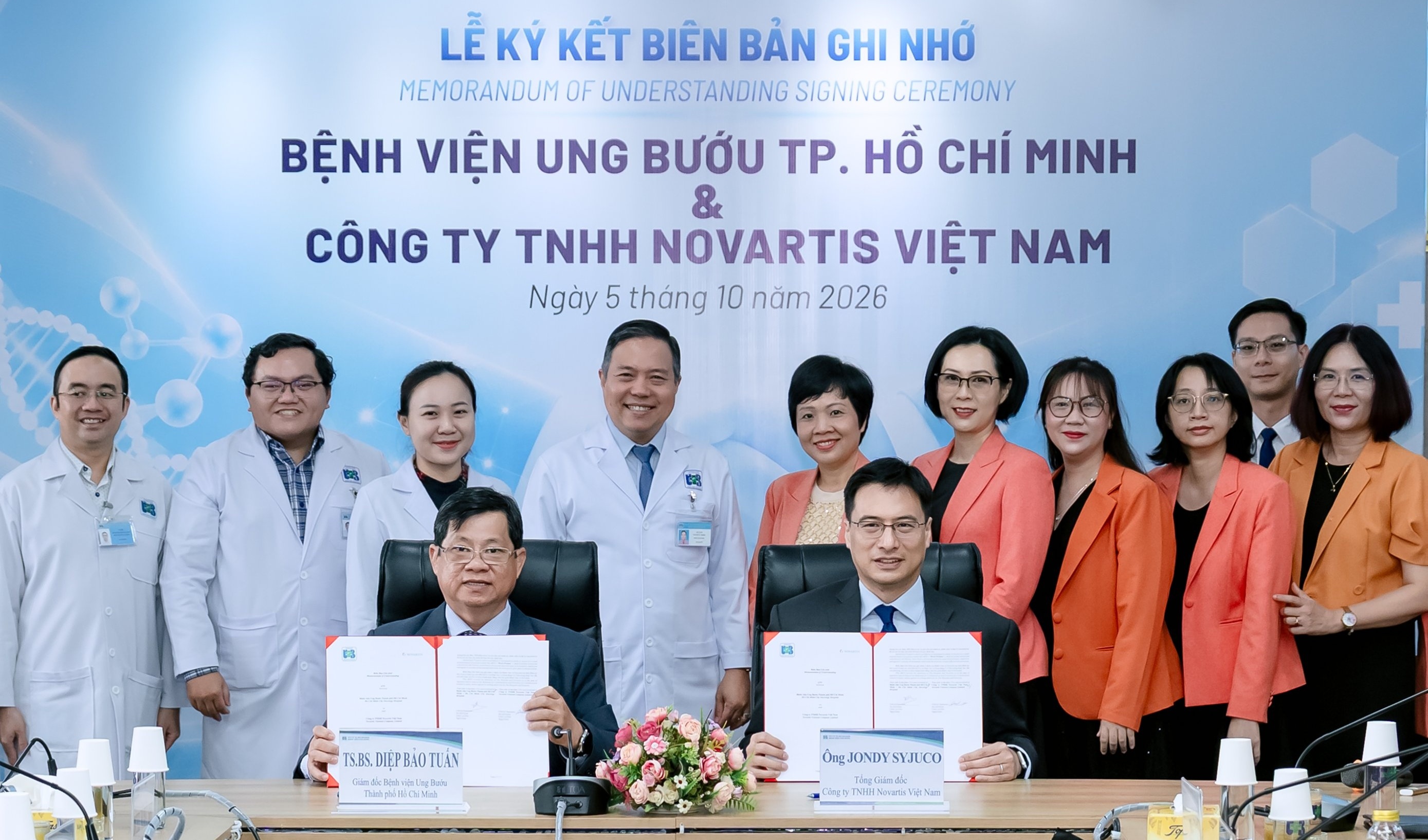
- Ho Chi Minh City Oncology Hospital signs MoU with Novartis Vietnam
- Driving early detection and integrated liver disease management
- Vaccinology training programme launched to boost preventive care capacity
- Opella and Hoan My Academy partner to advance medical education
- AstraZeneca Vietnam upgrades logistics system to support growing operations
Related Contents








Latest News





More News
- Ho Chi Minh City Oncology Hospital signs MoU with Novartis Vietnam (October 07, 2026 | 10:36)
- VTG 2026 to showcase textile and footwear innovation in Ho Chi Minh City (October 06, 2026 | 16:00)
- Infineon boosts Vietnam footprint with Ho Chi Minh City office (October 06, 2026 | 10:02)
- Vietnam Customs expands priority enterprise scheme to 74 firms (October 03, 2026 | 08:00)
- ASL Law opens Danang office (October 02, 2026 | 22:12)
- Project ACTIVE 2.0 launches in Vietnam to boost cervical cancer care (October 02, 2026 | 22:02)
- Vietnam launches first embodied AI conference to advance robotics ecosystem (October 02, 2026 | 17:00)
- DKSH Performance Materials – A trusted partner in Vietnam’s evolving personal care landscape (October 02, 2026 | 14:28)
- Ghanaian delegation reviews PSL Machinery’s cashew factory-management and implementation roadmap (October 02, 2026 | 10:18)
- People living with chronic kidney disease and diabetes should be aware of infectious disease risks (September 30, 2026 | 18:00)


Latest News



 Mobile Version