
Hanoi mulls time-based petrol motorbike ban on 11 streets

 |
| Photo: baodautu.vn |
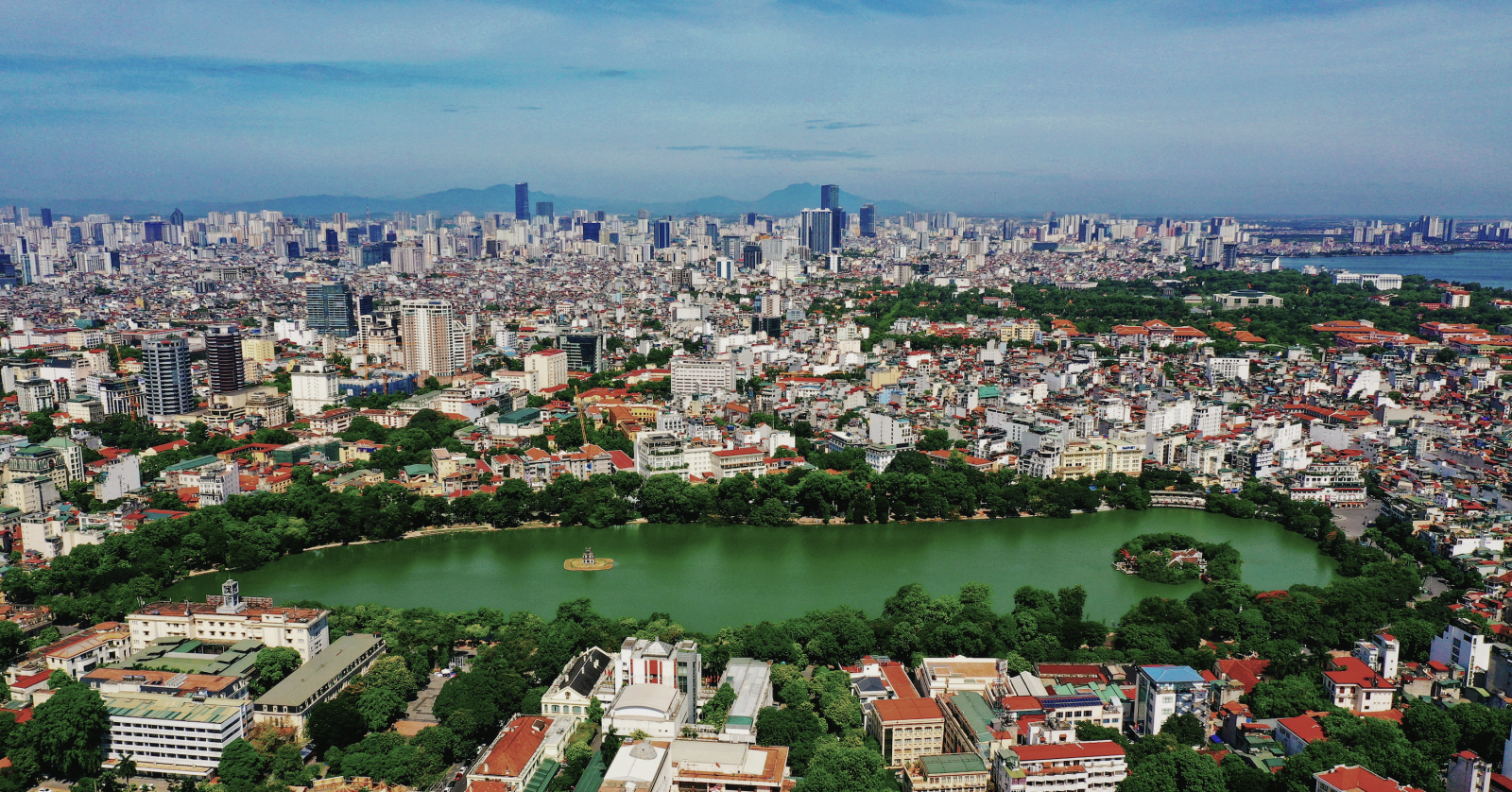
The draft proposal from Hanoi People’s Committee outlines a first phase from July 1 to December 31, establishing a 0.5 square kilometres low-emission zone covering streets including Trang Tien, Hang Khay, Le Thai To, Hang Dao, Hang Ngang, Hang Buom, Ma May, Hang Bac, Hang Mam, Nguyen Huu Huan, and Ly Thai To.
The zone has a 3.5km perimeter and a population of around 20,000.Within the zone, petrol motorbikes will be banned from 6pm to midnight on Fridays, and from 6am to midnight on Saturdays and Sundays. Petrol-powered motorcycles used for ride-hailing services will also be prohibited.
Light trucks under two tonnes meeting Euro 4 emission standards will only be allowed to operate outside peak hours. Trucks from two to under 3.5 tonnes meeting the same standard may operate only between 9pm and 6am the following day, subject to approval from city police. Trucks above 3.5 tonnes will be banned.
Vehicles with 16 seats or more, excluding buses and school transport, operating in the Old Quarter and areas surrounding Hoan Kiem Lake must meet Euro 4 emission standards and will be restricted from 6am to 9am and from 4pm to 7.30pm daily.
Buses and school vehicles must comply with Euro 4 standards, while vehicles with fewer than 16 seats using fossil fuels must also meet the same requirements.
In the second phase, from January 1 to December 31, 2027, the pilot zone will be expanded to include Cua Nam ward and surrounding streets such as Nguyen Du, Han Thuyen, Tran Hung Dao, Tran Khanh Du, Tran Quang Khai, Tran Nhat Duat, Hang Dau, Cua Dong, Ly Nam De, Ton That Thiep, Dien Bien Phu, Hang Bong, Cua Nam, and Le Duan.
In the third phase, from 2028 to 2029, the low-emission zone is set to expand across the entire Ring Road 1 area, covering more than 26sq.km with a population of approximately 625,000.
The proposal aims to implement Resolution No.57/2025 of Hanoi People’s Council on low-emission zones, with a roadmap starting from July 1.
Research by the Ministry of Agriculture and Environment during 2023–2025 shows that transport accounts for around 25 per cent of PM2.5 emissions in Hanoi, followed by construction and road dust at 20 per cent, burning at 12 per cent, and secondary particulate formation, including industrial sources, at 27 per cent.
Emission inventory data indicates that within the city, transport contributes 59 per cent of direct emissions, followed by road dust and construction at 28 per cent, residential burning at 11 per cent, and industry at 2 per cent.
Hanoi currently has around 6.9 million motorbikes, including approximately 450,000 operating within Ring Road 1.



What the stars mean:
★ Poor ★ ★ Promising ★★★ Good ★★★★ Very good ★★★★★ Exceptional
 Tag:
Tag:
Related Contents

Latest News




More News
- HER2+ breast cancer carries $3.71 billion productivity burden in Vietnam (July 30, 2026 | 14:32)
- Party Resolution charts Vietnam’s development model through 2045 and beyond (July 30, 2026 | 12:29)
- STEM education evolves for AI era (July 21, 2026 | 09:38)
- Vietnam’s workforce ready for AI era (June 26, 2026 | 16:04)
- Why child online safety is now a business imperative (June 24, 2026 | 11:00)
- Hybrid work is reshaping Vietnam’s labour market (June 17, 2026 | 16:24)
- World's children exposed to at least three overlapping climate threats (June 17, 2026 | 15:54)
- Thai Nguyen event promotes safer food systems for World Food Safety Day (June 11, 2026 | 14:08)
- Vietnam emerges as rising hub for wealth creation (June 02, 2026 | 18:31)
- Danang launches DIFF 2026 with world-class performances (May 31, 2026 | 08:00)








 Mobile Version