
VCCI refutes US concerns over overcapacity and forced labour in Vietnam

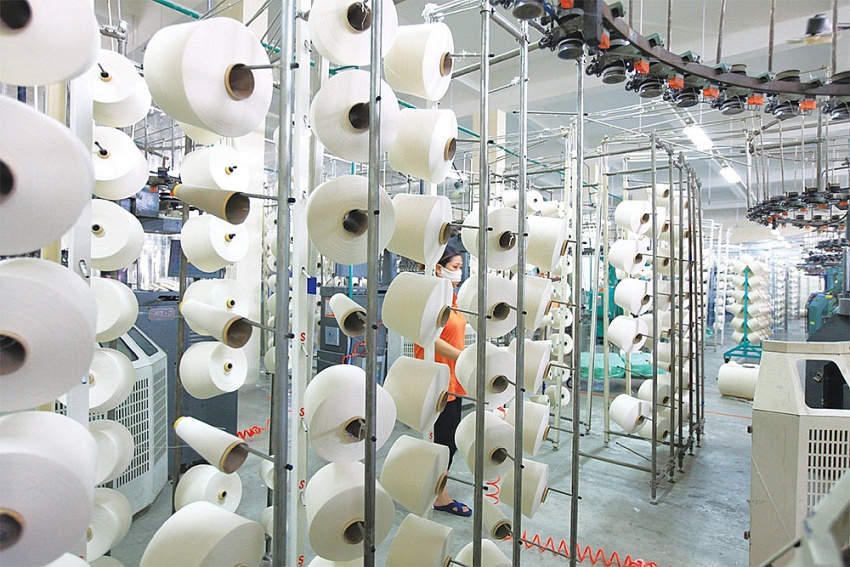 |
In a submission to the Office of the US Trade Representative on April 15, the Vietnam Chamber of Commerce and Industry (VCCI) stated that production levels are closely aligned with actual market demand, and concerns over forced labour are not supported by actual business practices.
“Under the Law on Enterprises and the Law on Investment, the foundational legal frameworks governing business activities in Vietnam, companies operating in the country, regardless of ownership, function on an equal legal footing. They enjoy full autonomy in making decisions on output, inputs and markets based on business capacity and market signals,” the VCCI stated.
Recent expansions in production reflect broader global trends, including rising consumer demand, supply chain restructuring, and shifting international investment flows.
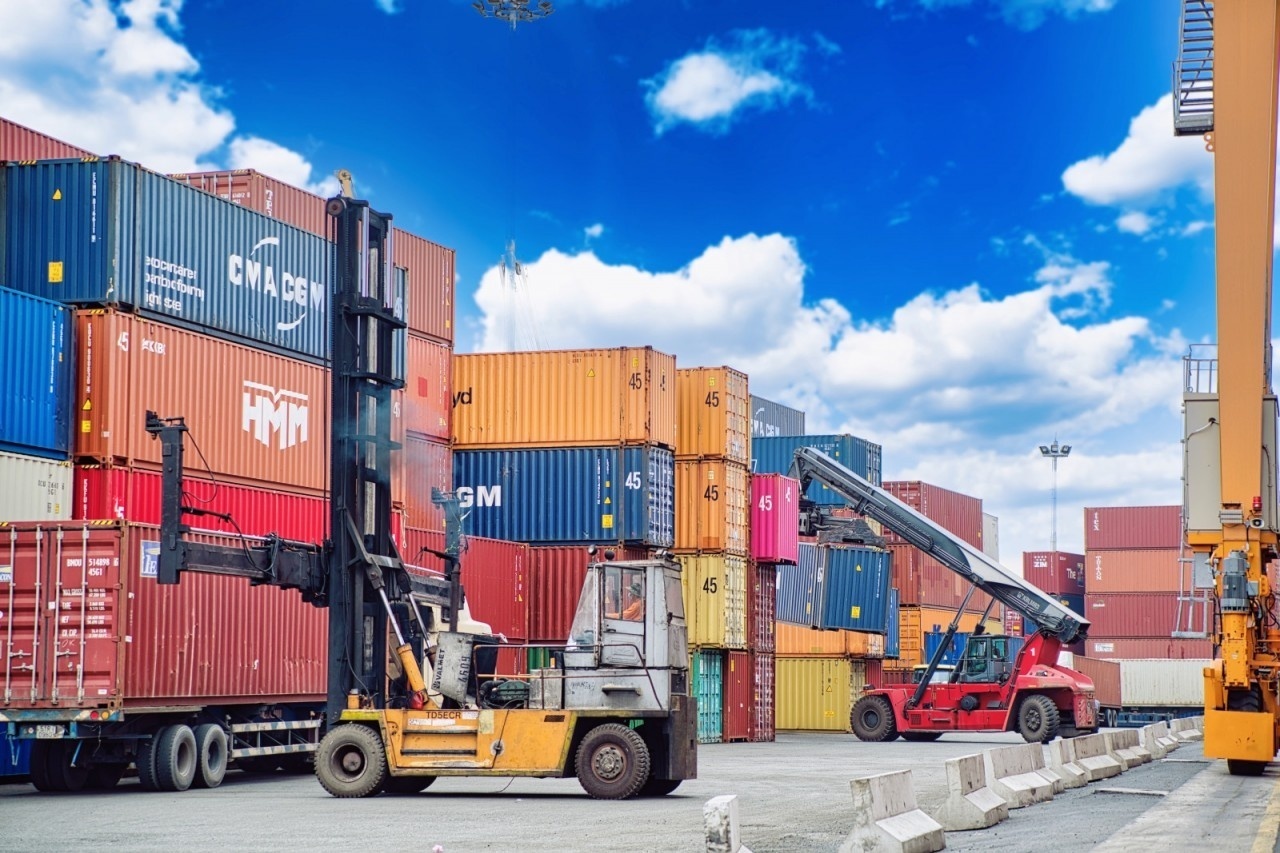
In key export sectors to the United States, such as electronics, machinery, furniture, textiles and footwear, most Vietnamese firms operate under contract manufacturing models for foreign partners. Production is therefore carried out strictly in accordance with agreed quantities, technical standards and intellectual property requirements.
As a result, output levels are tightly linked to actual market demand, preventing the emergence of systemic overcapacity.
On labour issues, the VCCI emphasised that both Vietnam’s legal framework and labour practices are aligned with international standards, including those related to forced labour.
In recent years, Vietnam has actively refined its legal system to meet global benchmarks, including commitments under new-generation free trade agreements and international labour conventions, notably Conventions No.29 and No.105 of the International Labour Organisation.
Vietnam’s 2019 Labour Code strictly prohibits forced labour in all forms, while guaranteeing workers’ rights to freely choose employment, negotiate working conditions and wages.
These rights are widely implemented in practice, particularly in the manufacturing sector. At the same time, as environmental, social and governance standards gain traction, businesses are increasingly investing in policies and practices to improve worker welfare and development.
Importantly, a large share of Vietnam’s export customers are multinational enterprises, which impose rigorous supply chain due diligence frameworks, especially in labour compliance. These mechanisms help prevent violations and ensure adherence to labour standards across the supply chain.
The Office of the US Trade Representative (USTR) launched two large-scale investigations in March, under Section 301(b) of the Trade Act of 1974, covering multiple countries, including Vietnam.
The investigations focus on (i) alleged systemic overcapacity in manufacturing and processing industries, and (ii) the use of forced labour in goods imported into the US.
Based on its arguments, the VCCI has called on USTR to conduct the investigations with caution, relying on comprehensive, up-to-date and objective information that accurately reflects Vietnam’s production realities.
An objective, evidence-based conclusion would help maintain supply chain stability, deliver tangible benefits to US businesses and consumers, and safeguard jobs for millions of workers in Vietnam’s manufacturing and export sectors.
 | Cooler Master eyes $3 billion investment in Vietnam Cooling module manufacturer Cooler Master plans to increase its investment capital in Vietnam to $3 billion as part of goals to strengthen its global supply chain. |
 | UNIDO backs Vietnam's push for greener cement manufacturing A project to develop financing solutions for decarbonising Vietnam's cement industry has entered its detailed preparatory phase. |
 | Manufacturers see strongest rise in selling prices in 15 years The war in the Middle East caused a marked acceleration in the rate of input cost inflation in the Vietnamese manufacturing sector during March, with selling prices subsequently rising at the fastest pace in almost 15 years. |
What the stars mean:
★ Poor ★ ★ Promising ★★★ Good ★★★★ Very good ★★★★★ Exceptional
 Tag:
Tag:Related Contents





Latest News



More News
- HER2+ breast cancer carries $3.71 billion productivity burden in Vietnam (July 30, 2026 | 14:32)
- Party Resolution charts Vietnam’s development model through 2045 and beyond (July 30, 2026 | 12:29)
- STEM education evolves for AI era (July 21, 2026 | 09:38)
- Vietnam’s workforce ready for AI era (June 26, 2026 | 16:04)
- Why child online safety is now a business imperative (June 24, 2026 | 11:00)
- Hybrid work is reshaping Vietnam’s labour market (June 17, 2026 | 16:24)
- World's children exposed to at least three overlapping climate threats (June 17, 2026 | 15:54)
- Thai Nguyen event promotes safer food systems for World Food Safety Day (June 11, 2026 | 14:08)
- Vietnam emerges as rising hub for wealth creation (June 02, 2026 | 18:31)
- Danang launches DIFF 2026 with world-class performances (May 31, 2026 | 08:00)


Latest News




 Mobile Version