
Deeper ASEAN integration key to climbing global value chains

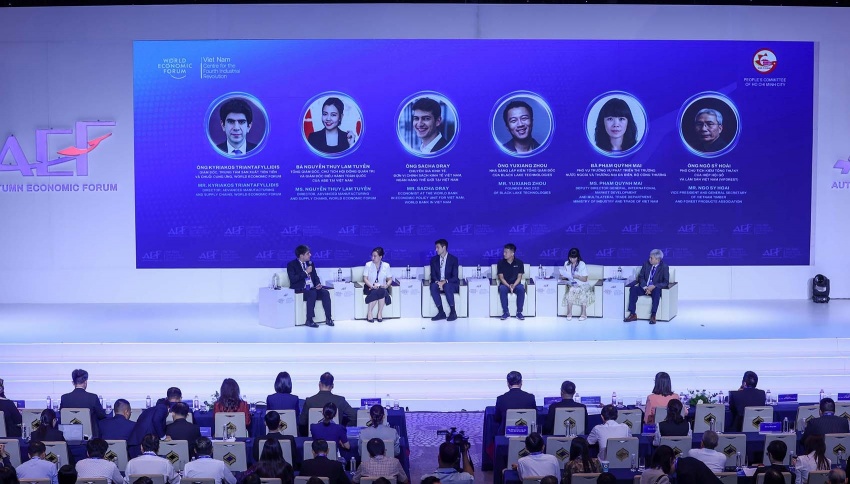 |
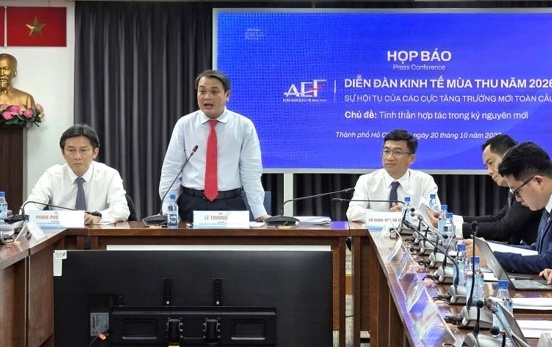
| The Repositioning Vietnam and ASEAN in Global Value Chains discussion session held on October 27 as part of the Autumn Economic Forum 2026 (AEF 2026). Photo: Le Toan |
According to Sacha Dray, an economist at the World Bank, ASEAN is a dynamic economic region with a market of nearly 700 million people and an economy worth approximately $4 trillion.
However, despite its market size and manufacturing capabilities, economic integration among ASEAN member states remains relatively limited.
“One notable figure is that only around 22 per cent of ASEAN’s exports are destined for markets within the bloc, compared with approximately 60 per cent in the European Union,” Dray said.
He added that this indicates that most goods produced in ASEAN are still destined for external markets. According to Dray, this reliance leaves regional economies vulnerable to weaker demand in major export markets and changes in international trade policies.
Meanwhile, limited intra-regional integration also constrains the ability of member states to share the economic benefits generated across the region. Greater trade in raw materials, components and finished products within ASEAN would allow the value created through manufacturing to be distributed across more economies, rather than being concentrated primarily in supply chains serving external markets.
Against this backdrop, Dray said ASEAN needs to encourage complementary manufacturing models, leveraging the distinct advantages of each economy to build collective competitiveness.
Citing the European aerospace industry, where aircraft components are manufactured in countries such as France and Germany before being assembled, Dray suggested that similar production networks could be developed across ASEAN.
In the semiconductor industry, each economy could specialise in stages of production that match its capabilities and strengths, linking them into regional supply chains rather than developing their industries in isolation.
However, realising this model will require ASEAN to address barriers related to product standards, rules of origin and transparency in trade. These factors directly affect the ability to connect suppliers across countries, even where many intra-regional tariffs have already been eliminated.
Alongside deeper regional integration, Dray said ASEAN economies need to explore ways to adopt advanced manufacturing technologies suited to their respective stages of development. This would enable the region to gradually strengthen its manufacturing capabilities and move into higher value-added activities.
From a government policy perspective, Pham Quynh Mai, deputy director general of the Ministry of Industry and Trade’s Department of Multilateral Trade Policy, identified three areas in which ASEAN needs to strengthen cooperation.
First, customs procedures should be simplified and made more transparent, with greater use of electronic documentation to facilitate the movement of goods between member states.
Second, standards, regulations and certification procedures need to be harmonised. ASEAN should strengthen information sharing and build the capacity of member states, while reducing unnecessary duplication in regulations, inspections and certification processes.
Third, rules of origin should be simplified. ASEAN’s participation in multiple free trade agreements (FTAs), each with different rules of origin, has created complexity and made compliance more difficult for businesses.
Barriers relating to procedures, standards, certification, rules of origin and logistics all play an important role. ASEAN therefore needs a coordinated approach to reduce costs, shorten times and boost transaction.
Alongside stronger economic integration, speakers said that Vietnam and ASEAN’s ability to move up the global supply chain would also depend on technological capabilities, workforce quality and businesses’ ability to adapt.
Drawing on ABB’s decades of experience in Vietnam, Nguyen Thuy Lam Tuyen, general director of ABB Vietnam, said technology could be purchased or acquired in a relatively short time, but building genuine manufacturing capabilities required a long-term process of accumulation.
“When a multinational corporation invests in a country, the value it brings extends beyond machinery, automated production lines and technology transfer. More importantly, it includes manufacturing know-how, global standards, operational capabilities and the ability to build resilient supply chains,” Tuyen said.
Tuyen said the transfer process should focus on three elements: knowledge, capabilities and trust. Knowledge transfer should go beyond training workers to operate machinery to include skills in productivity management, workplace safety and continuous process improvement in line with international standards.
“Capability transfer, meanwhile, aims to enable local engineering teams to gradually take on more complex tasks, solve problems, improve manufacturing processes and participate in global projects, rather than being confined to routine operational work,” she said.
The third element is building trust across the entire value chain, from customers to suppliers.
“When supporting small and medium-sized enterprises in Vietnam, the group does more than set requirements for component manufacturing or specific production tasks. It also shares expertise to help businesses meet standards for safety, traceability and sustainability,” she added.
Meanwhile, Yuxiang Zhou, CEO and founder of Black Lake Technologies, said the growth of e-commerce and consumer data was fundamentally changing product development.
“Businesses can now access customer feedback and understand consumer preferences earlier, but they also face mounting pressure to shorten the time from initial concept and design to actual production,” said Zhou.
For small and medium-sized enterprises, Zhou said, the challenge is not simply to improve productivity, but also to fulfil increasingly diverse orders and maintain manufacturing flexibility while keeping quality and costs under control. Zhou said technology should focus on addressing specific impediments in production processes, rather than merely digitising information.
Introducing an AI agent solution developed by Black Lake Technologies, Zhou said the time needed to convert technical drawings into manufacturing processes could be reduced from approximately 45 hours to 45 seconds, with an accuracy rate of around 95 per cent.
Beyond speeding up processing, the solution also helps digitise the experience of veteran engineers, turning knowledge accumulated over years of work into a resource that can be shared and used across the factory.
AI is not merely a tool for improving efficiency. It also offers opportunities to organise production more flexibly, enabling businesses to meet customers’ specialised requirements and move into higher value-added activities.
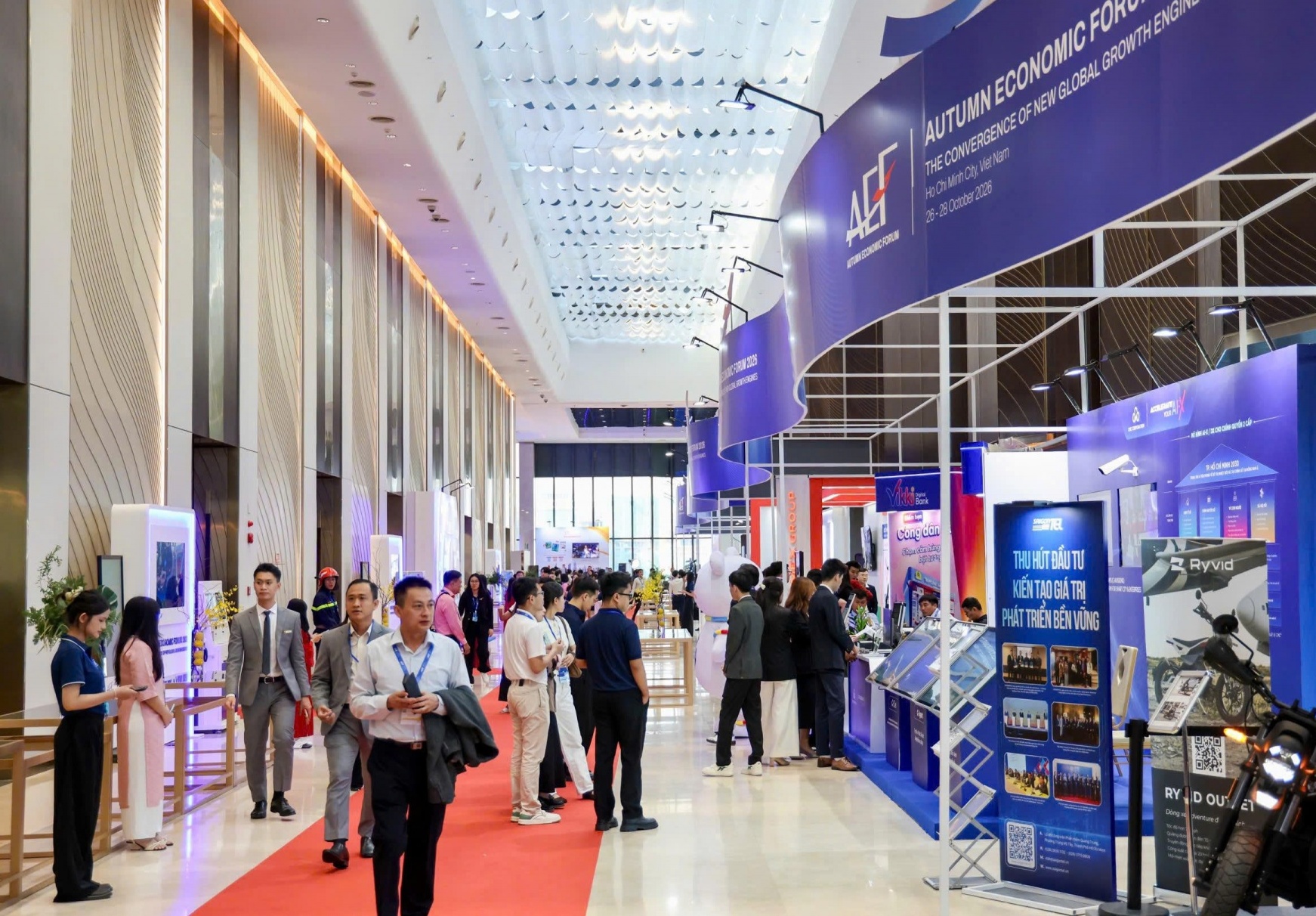
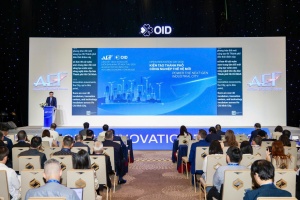 | Open Innovation Day 2026: Building the next-generation industrial city Open Innovation Day 2026, “Building the Next-Generation Industrial City,” took place in Ho Chi Minh City on October 26, launching a series of activities under the 2026 Autumn Economic Forum. |
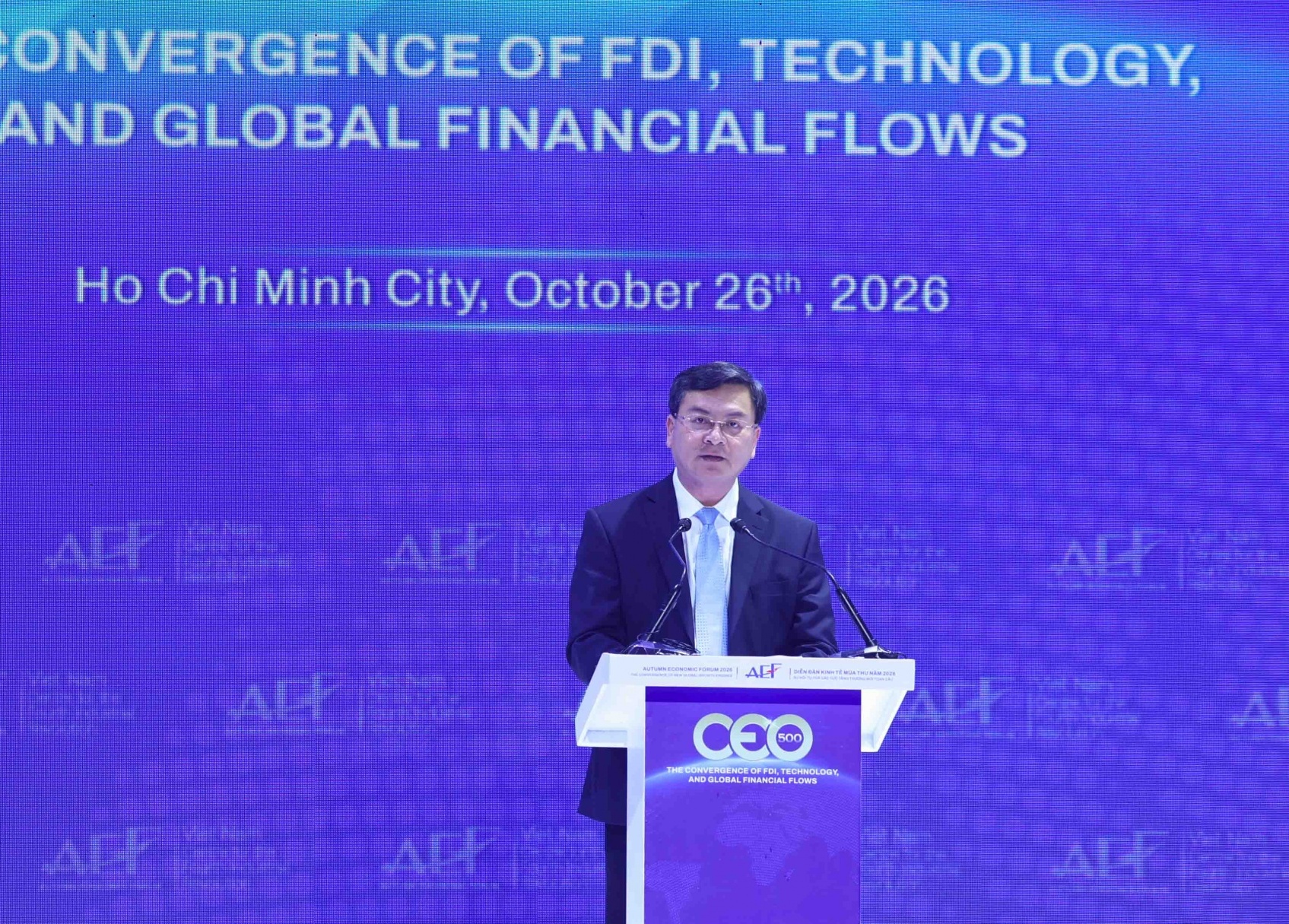
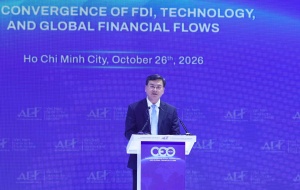 | CEO 500 opens up cooperation opportunities in FDI and technology On the afternoon of October 26, as part of the Autumn Economic Forum, the CEO 500 programme was held to provide a platform for dialogue between Ho Chi Minh City leaders, ministries and agencies, and the international business community. |
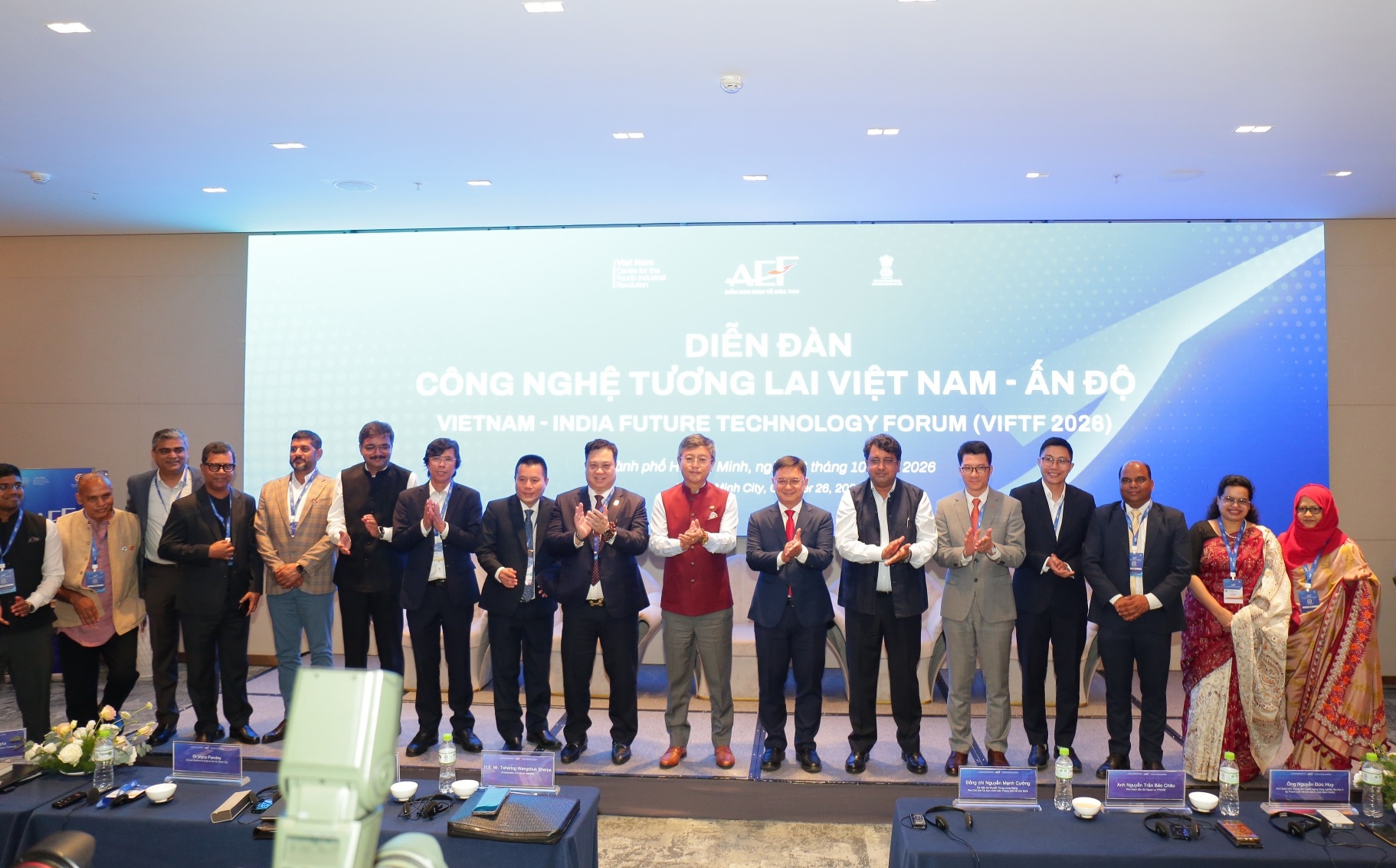
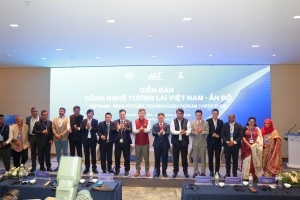 | Vietnam-India forum promotes tech cooperation in AI, semiconductors The Vietnam-India Future Technology Forum has been held in Ho Chi Minh City to promote cooperation in technology research, application, and commercialisation, particularly in AI, semiconductors, digital infrastructure, and high-quality workforce development. |
What the stars mean:
★ Poor ★ ★ Promising ★★★ Good ★★★★ Very good ★★★★★ Exceptional
 Tag:
Related Contents


More News
- Vietnam sets out four priorities for 2027 APEC finance agenda (October 23, 2026 | 14:21)
- Vietnam and World Bank discuss priorities for APEC 2027 (October 21, 2026 | 15:04)
- Finance Minister outlines Vietnam's growth path at APEC meeting (October 21, 2026 | 12:03)
- Vietnam records fastest automotive sales growth among ASEAN-6 markets (September 25, 2026 | 13:53)
- Citi report: Corporates prioritise liquidity as supply chains mature (September 18, 2026 | 10:34)
- Hanoi to host AAAP 2026 animal science congress in October (September 15, 2026 | 14:17)
- Vietnam advances ASEAN qualifications framework (August 21, 2026 | 17:23)
- Regional cooperation crucial as Southeast Asia’s AI boom accelerates (August 13, 2026 | 17:50)
- Vietnam wins first-ever Super Gold Award at World Youth Economic Forum (August 04, 2026 | 17:12)
- MoF minister outlines priorities for international integration to support growth (August 03, 2026 | 23:24)



Latest News




 Mobile Version