
Robots no longer preserve of large corporations

Speaking at the fourth GRECO 2026 exhibition, which showcases Ho Chi Minh City's green growth products and services, a sideline event of the Autumn Economic Forum, which ran from October 26 to 29 in Ho Chi Minh City, Tang Zhisu, deputy secretary-general of the China Robot Industry Development Alliance, said small- and medium-sized enterprises (SMEs) could start by identifying an operational problem, testing a solution on a small scale and measuring its effectiveness before deciding whether to expand.
The initial investment and implementation risks can therefore be better controlled than when an entire production line is overhauled at once.
“Businesses should bear in mind that if a process has not been standardised or production volumes are too low, the cost of automation may outweigh the benefits,” Zhisu said.
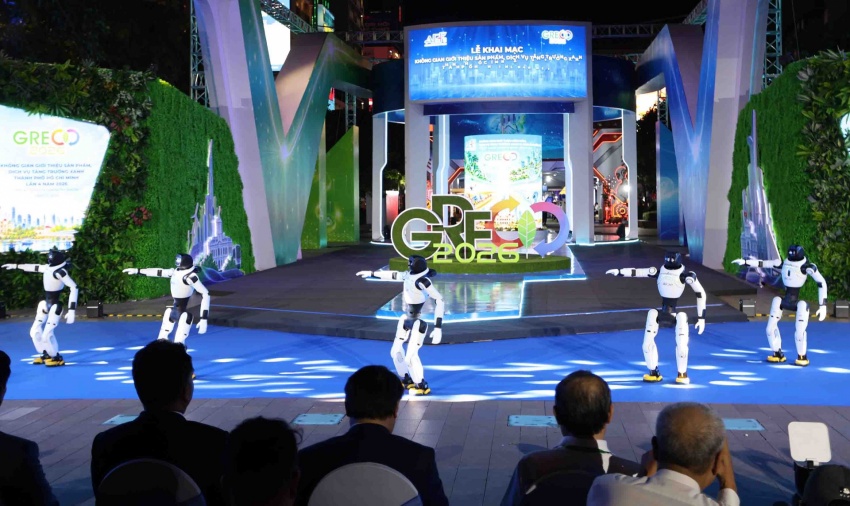 |
| Robot displayed at GRECO event. Photo: Le Toan |
Vuong Quan Truong, deputy general director in charge of technology at AICAP, said the indicative investment cost for a complete robotic workstation could range from $30,000 to $80,000, with a payback period of three to five years.
For an SME, the investment decision also depends on the total cost of ownership. Beyond the equipment price, businesses need to factor in design and integration, site modifications, software, training, maintenance, spare parts and downtime during implementation.
In addition, the benefits should not be measured solely by the number of workers who can be replaced. Robots can improve product consistency, reduce errors in suitable processes, enable continuous operations or handle tasks in challenging working conditions. The economic value needs to be assessed based on the actual performance of each application.
Another factor that is often overlooked is process stability. If products change frequently and orders are small and inconsistent, reprogramming or adjusting equipment can drive up costs.
In such cases, Truong said that flexible automation solutions may be more suitable than specialised systems.
“A low purchase price does not necessarily mean a low total cost if the equipment requires extensive customisation, is difficult to integrate or lacks maintenance services. Conversely, choosing a system with capacity beyond actual needs can leave businesses bearing investment costs without fully utilising the equipment,” Truong said.
Ultimately, a robotic system can only deliver its full benefits when integrated into a suitable process and operated by qualified personnel. Businesses need to prepare staff who can monitor the equipment, troubleshoot basic problems, coordinate with suppliers and assess performance after implementation.
This does not mean every SME needs to establish its own robotics department. Depending on its size and the complexity of its operations, a business can combine in-house personnel with support services from equipment suppliers or system integrators. However, it still needs to develop in-house technological capabilities to avoid becoming entirely dependent on external providers.
Preparation should also start with data. According to Truong, businesses should clearly understand current productivity, defect rates, machine downtime, labour costs and process bottlenecks. This provides a basis for identifying which stages should be automated and determining whether the investment has genuinely improved performance.
“Overall, robots are making automation more accessible to a wider range of businesses, but they do not eliminate the challenge of capital efficiency. For SMEs, the right approach is not necessarily to buy the most advanced equipment, but to select the right processes, set clear objectives and measure results after implementation,” Truong said.
 |
| Visitors interested in a robot at the GRECO event. Photo: Le Toan |
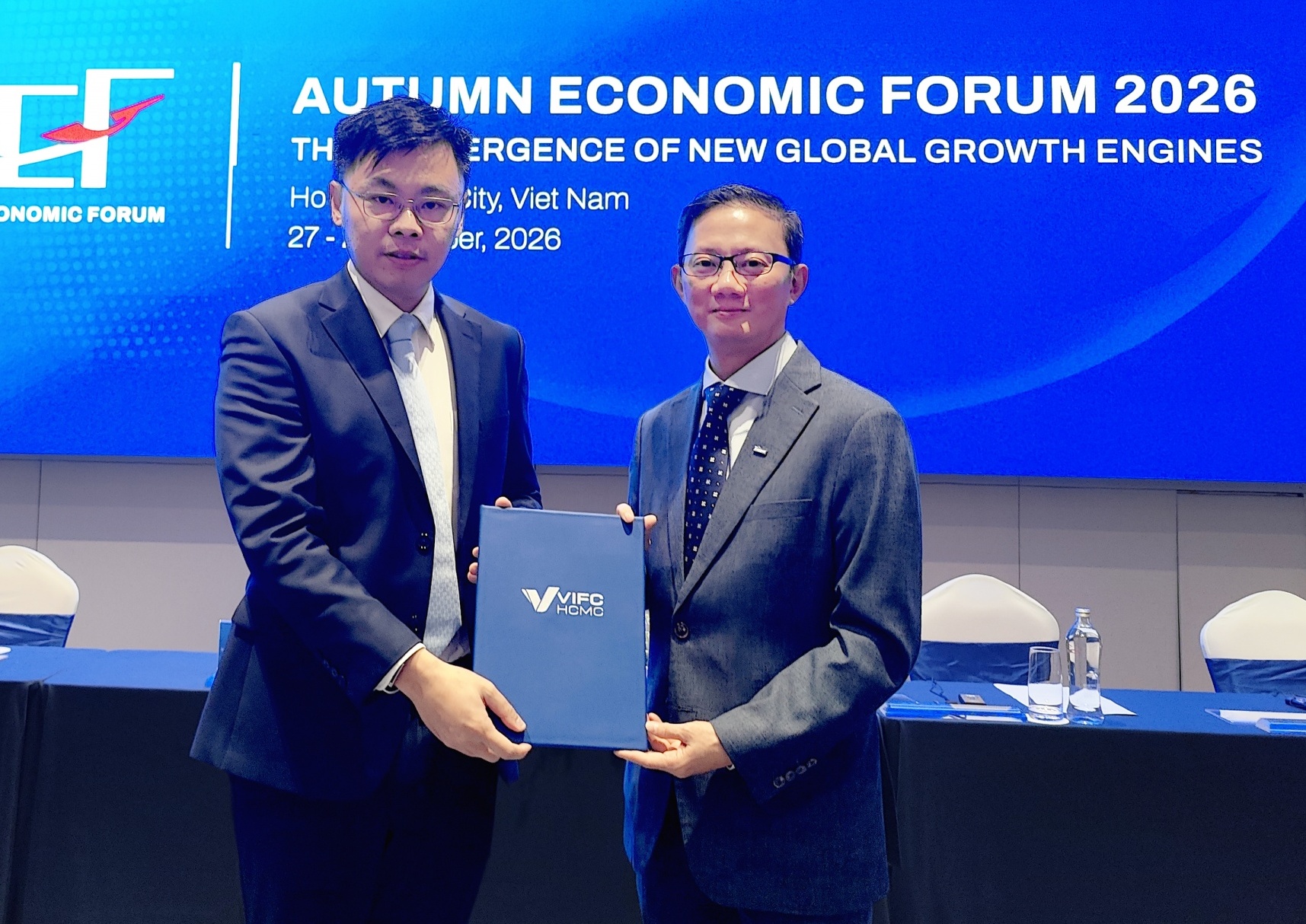
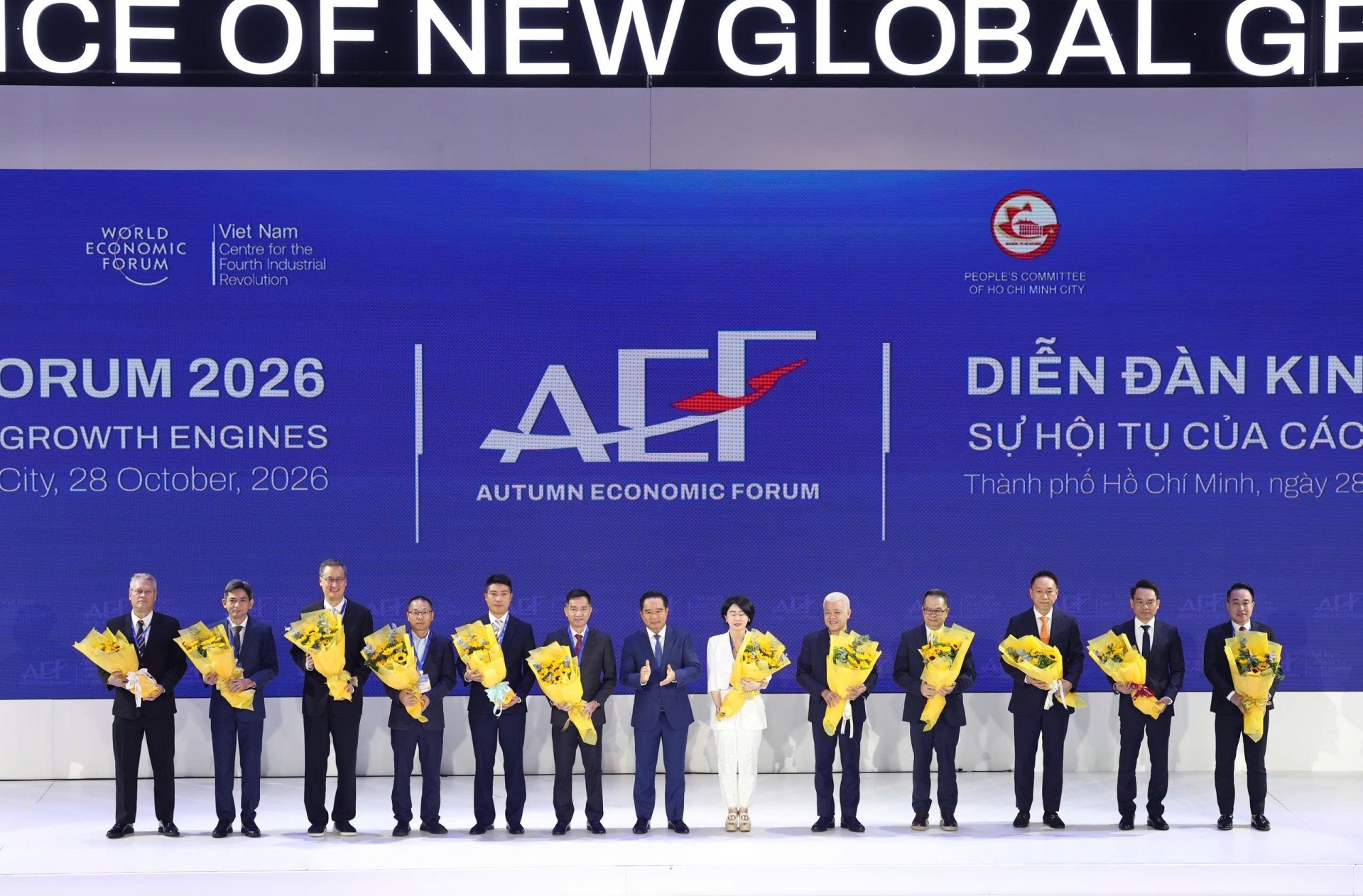
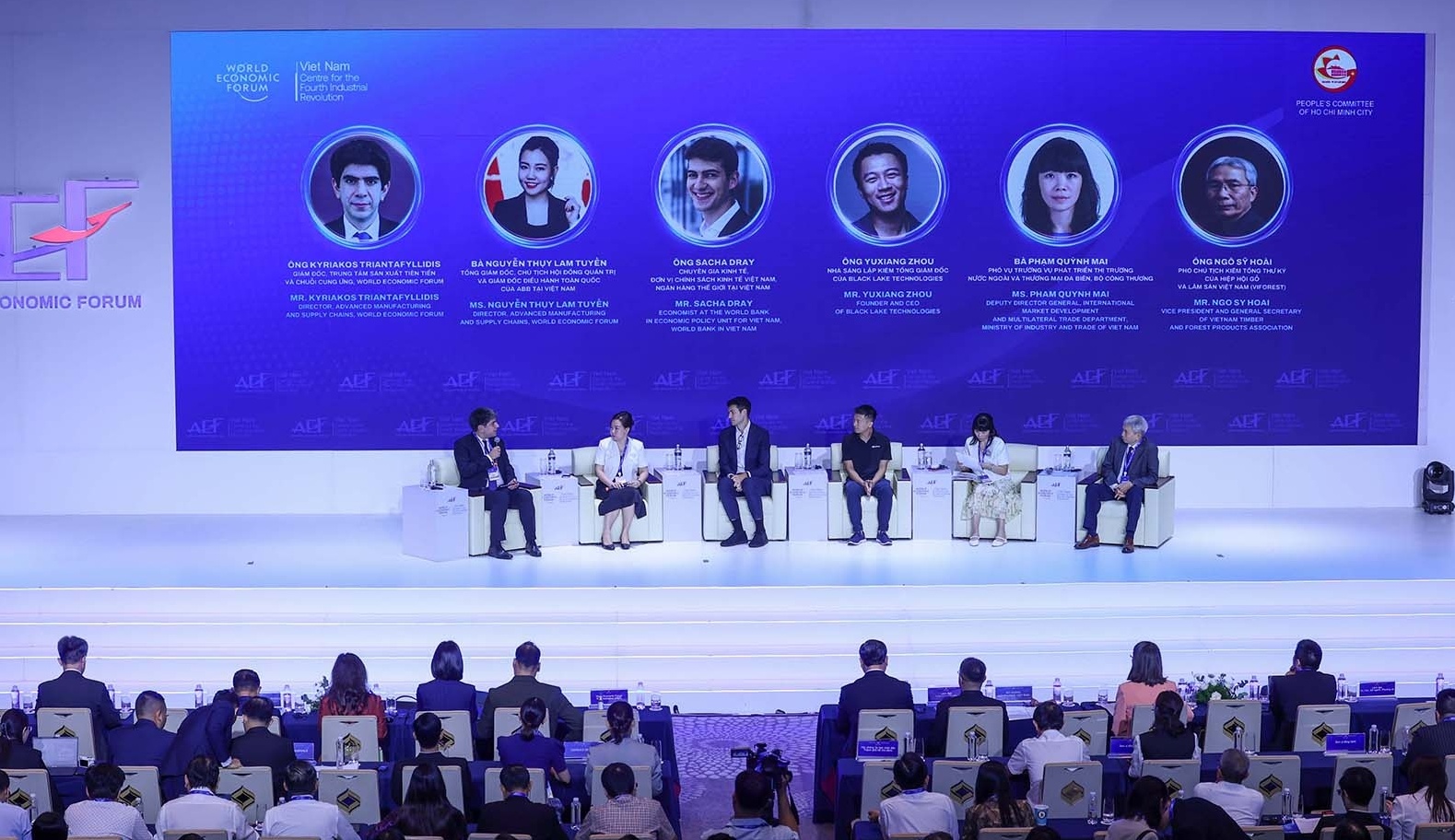
 | Deeper ASEAN integration key to climbing global value chains At the Repositioning Vietnam and ASEAN in Global Value Chains discussion, held on October 27 as part of the Autumn Economic Forum 2026, experts and business representatives focused on how Vietnam and ASEAN can capture greater value in global supply chains. |
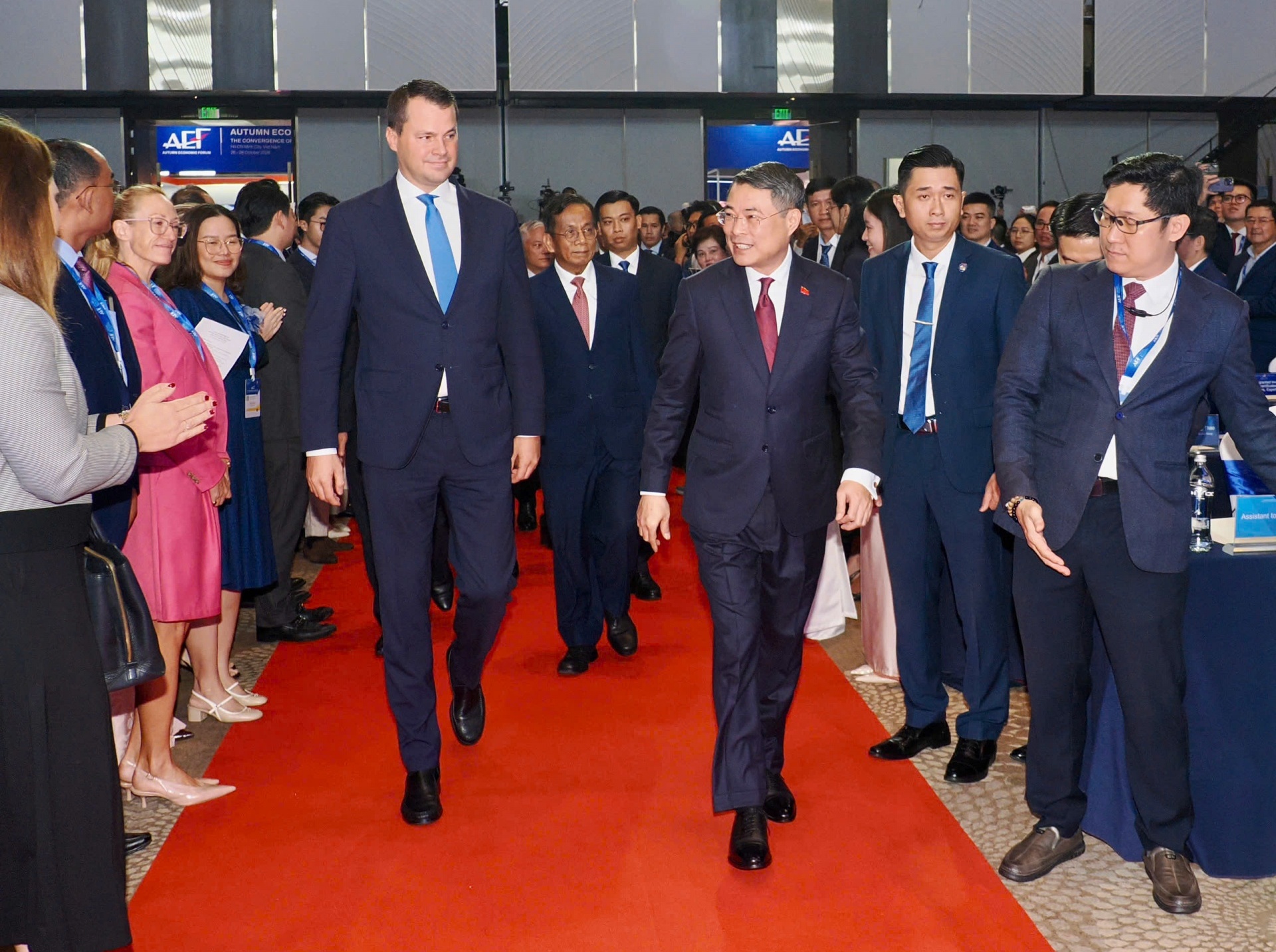
 | Prime Minister attends Autumn Economic Forum 2026 in Ho Chi Minh City Prime Minister Le Minh Hung has attended the high-level plenary session of the Autumn Economic Forum 2026 in Ho Chi Minh City, focused on the convergence of new global growth poles. |
What the stars mean:
★ Poor ★ ★ Promising ★★★ Good ★★★★ Very good ★★★★★ Exceptional
 Tag:
Related Contents

Latest News
More News
- Vietnam moves closer to 10 per cent growth target (October 28, 2026 | 12:48)
- Vietnam and Laos customs authorities hold 2026 conference (October 28, 2026 | 12:29)
- Plaud launches AI work companion in Vietnam (October 28, 2026 | 12:20)
- Breakthroughs in radiotherapy technology and new drugs for breast cancer treatment (October 27, 2026 | 17:00)
- Cost pressures and AI are shaping corporate reward strategies in Vietnam (October 27, 2026 | 15:54)
- Mitsubishi Electric Vietnam and Hitachi Digital Services complete SAP transformation (October 27, 2026 | 14:00)
- Vietnam-India forum promotes tech cooperation in AI, semiconductors (October 27, 2026 | 12:35)
- W Signature achieves WELL Coworking Rating (October 27, 2026 | 08:00)
- MUFG connecting heritage with sustainable growth (October 26, 2026 | 15:28)
- AI revolution testing ethical standards in accountancy (October 26, 2026 | 12:11)





 Mobile Version