
CEO 500 opens up cooperation opportunities in FDI and technology

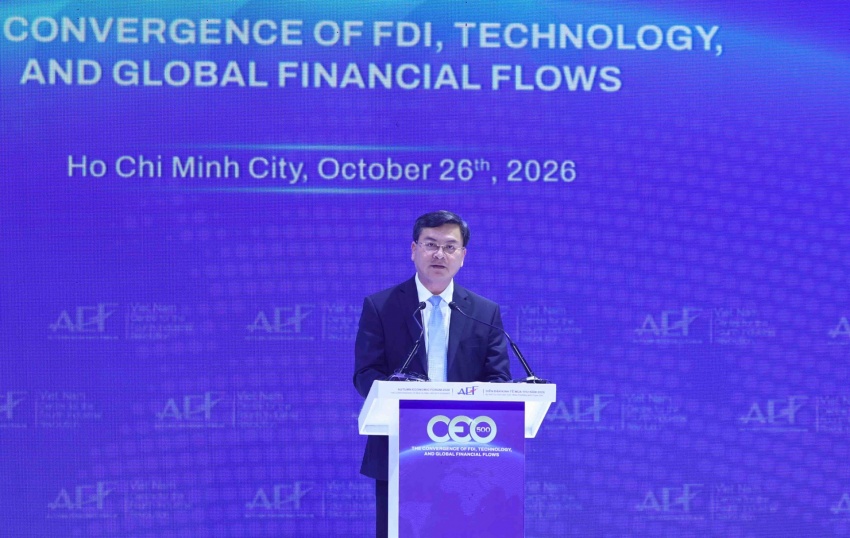 |
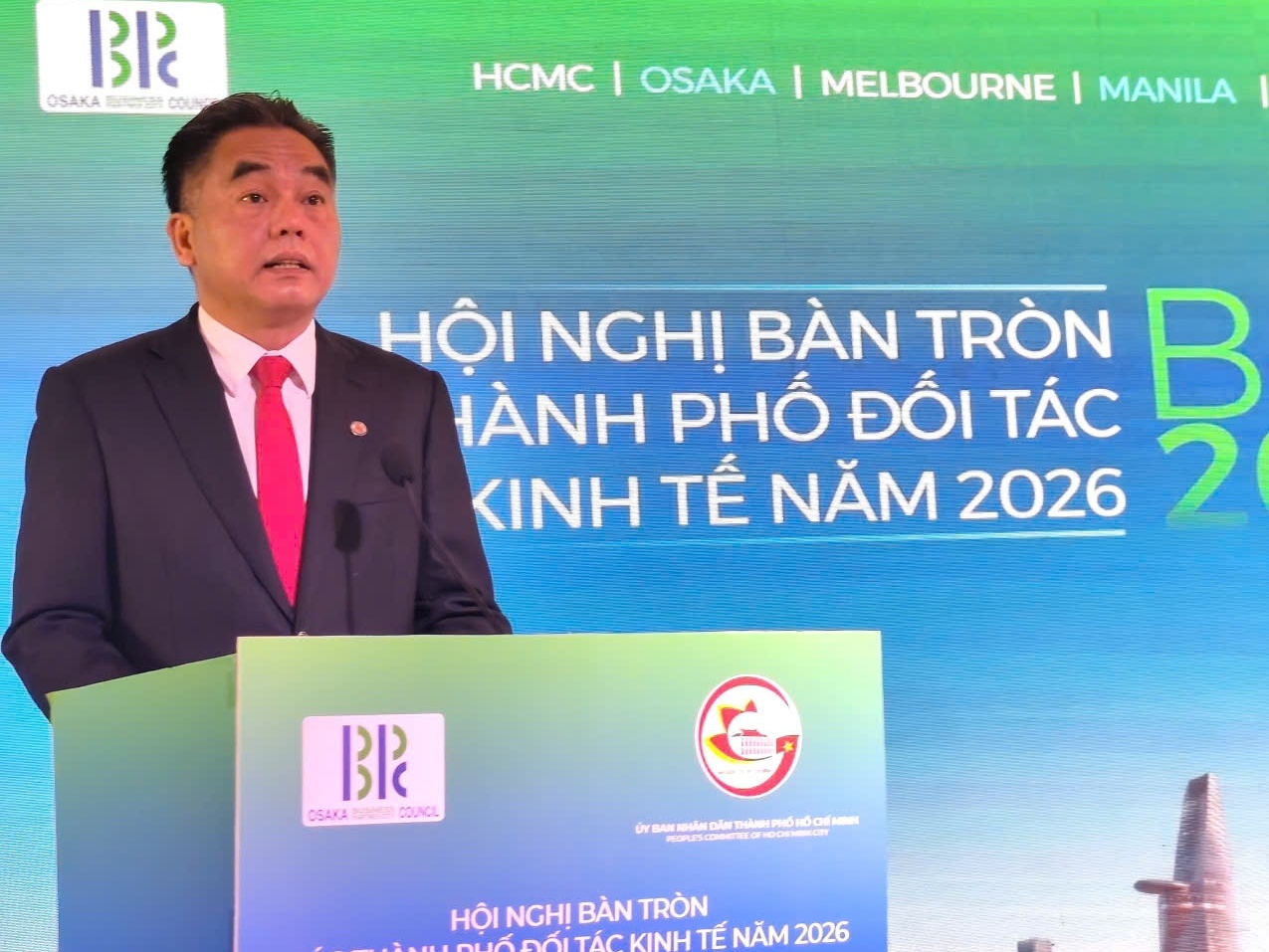
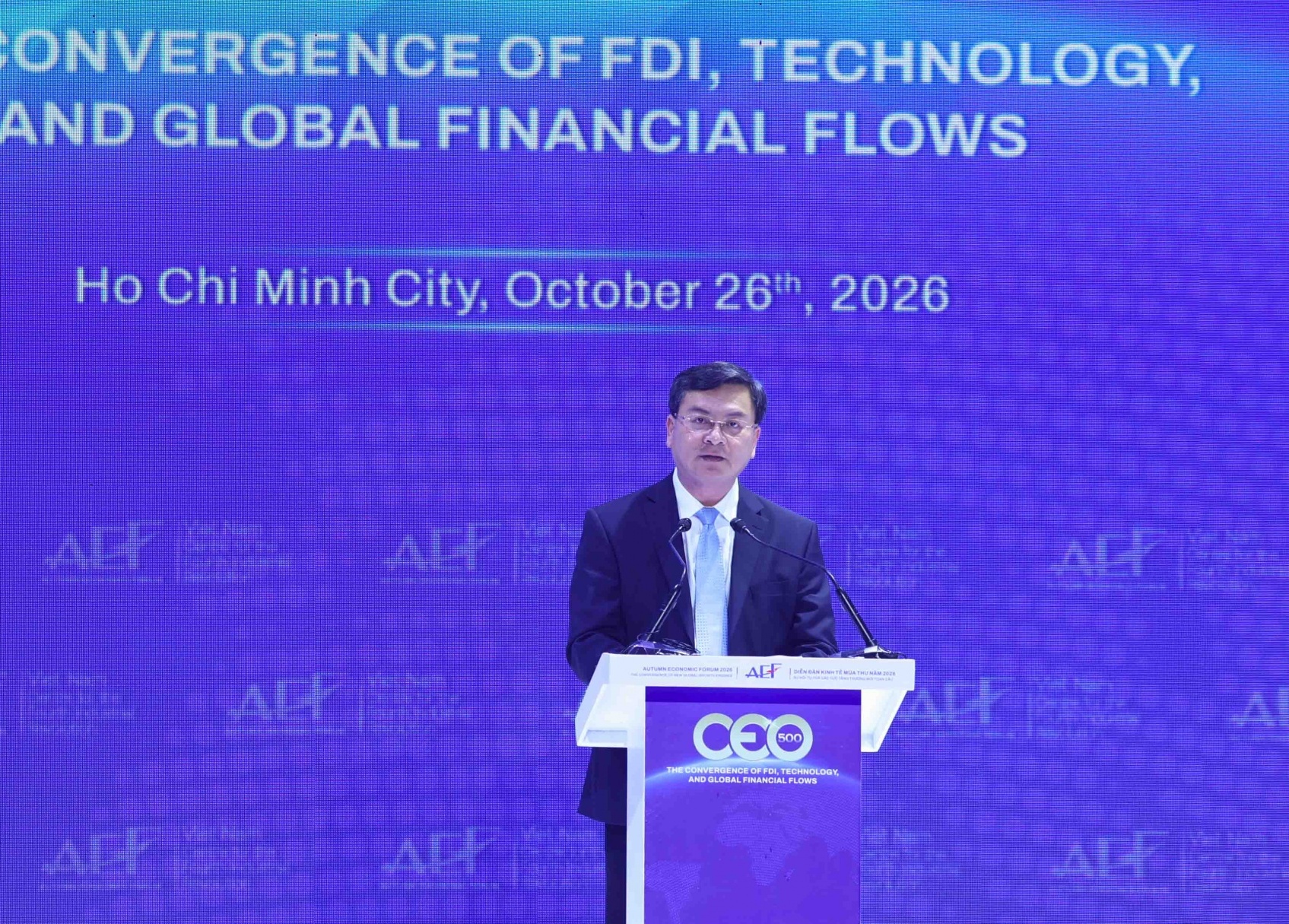
| Nguyen Cong Vinh, Vice Chairman of Ho Chi Minh City People’s Committee opened the event. Photo: Le Toan |
In his opening remarks, Nguyen Cong Vinh, Vice Chairman of Ho Chi Minh City People’s Committee, stressed that the city attached particular importance to the dialogue.
“The objective was not simply to attract more investment, but also to explore new opportunities and emerging requirements with investors, jointly address specific development challenges, and create new opportunities and drivers of growth,” Vinh said.
According to Vinh, Ho Chi Minh City is entering a new phase of development. Following the merger, the city’s economic, urban and connectivity space has expanded, creating greater room for large-scale projects.
Meanwhile, Resolutions No.260, No.10, and No.19, together with the Law on Urban Development, are establishing a new institutional framework that strengthens decentralisation and the delegation of authority in planning and mobilising development resources.
“Amid increasingly intense international competition for investment, the city is prioritising high-quality FDI in finance, technology, digital transformation, the green economy, sustainable development and innovation,” Vinh said.
He also reaffirmed the city’s determination to achieve its target of attracting $19 billion in foreign investment in 2026.
Through the CEO 500 programme, Ho Chi Minh City aims to hear directly from leaders of corporations, businesses and international investors about trends in global capital, technology and financial flows, as well as the factors determining investment location decisions.
Their input will help the city reassess its competitive advantages, identify capabilities that need to be strengthened and address bottlenecks in the investment environment. “From listening, we want to move towards connection. From connection, we can take action together,” Vinh stressed.
He stated that Ho Chi Minh City was ready to receive specific proposals from the business community and work with investors to resolve emerging issues, with clear responsibilities, designated focal points and defined timelines.
“We want today to be an opportunity for the global business community to look at Ho Chi Minh City from a new perspective. Ho Chi Minh City is more than just a large market in Vietnam,” he said.
From the city, businesses can access the Vietnamese market, connect with manufacturing, logistics, financial and technology hubs, and expand their operations into a broader economic space. The city is actively building connections to bring mobile capital flows together with technology, markets, talent and new development opportunities.
Vinh said that the value of an investment opportunity lay in the new capabilities, technologies and markets it could unlock, as well as the long-term value it could create for businesses, the city and the wider region.
On his presentation, Fazurin Jamaludin, IMF resident representative for Vietnam and Laos, said, countries’ ability to navigate the coming period will depend on their individual circumstances and preparedness.
“Our analysis considers both exposure to energy shocks and an AI preparedness index, which reflects factors such as regulation, energy infrastructure and human capital,” he said.
According to Jamaludin, Vietnam lies in the lower part of this assessment, although not at the extreme. Its level of preparedness will influence how much it can benefit from the AI boom.
“The measures Vietnam takes now to strengthen its resilience to future energy shocks will also shape its economic performance in the years ahead,” he said.
For Vietnam and Ho Chi Minh City, Jamaludin said, strong macroeconomic fundamentals are essential to ensuring that investment flows remain sustainable and are supported by durable economic growth.
First, inflationary pressures have emerged, including in Vietnam. Maintaining price stability should therefore remain a key priority for monetary policy.
Second, governments need to preserve fiscal space. Our analysis of measures introduced in response to the energy crisis shows that the fiscal costs can be substantial in some countries. Many of these measures have also been insufficiently targeted.
When future shocks occur, governments should seek to provide temporary, targeted support to those who need it most, without undermining fiscal sustainability.
Third, countries need to address structural challenges over the medium term. As AI transforms the labour market, labour market policies must evolve accordingly. Workers need to be equipped with the skills required to benefit from technological change.
Social protection systems must also be strengthened so that governments can provide targeted assistance when the next crisis occurs.
“Regional cooperation is another important priority, particularly in energy security. Greater integration and collaboration among countries can help strengthen resilience to future shocks. Services trade is another area where ASEAN economies could make further progress. Our analysis suggests that services trade in the region remains insufficiently integrated. Countries could do more to remove barriers to services trade, expand regional exchanges and support economic growth,” he added.
Specifically for Vietnam and Ho Chi Minh City, the IMF’s role is sometimes to be the party pooper.
“We do not celebrate too quickly; instead, we remind policymakers of the challenges that need to be addressed. Vietnam continues to face structural issues that require action to strengthen its economic fundamentals and support sustainable growth,” he said.
Second, Vietnam should continue modernising its macroeconomic policy frameworks, including monetary and fiscal policy, to strengthen policy credibility and ensure that the economy remains resilient.
Finally, while Vietnam has achieved rapid economic growth, its capacity to provide adequate and comprehensive economic data has not always kept pace.
“For a country seeking to attract investment, clear communication about economic performance is essential. Addressing gaps in economic data would help investors and other stakeholders assess the country’s prospects more accurately and make informed decisions. This, in turn, would support Vietnam’s efforts to attract long-term investment and financing,” he said
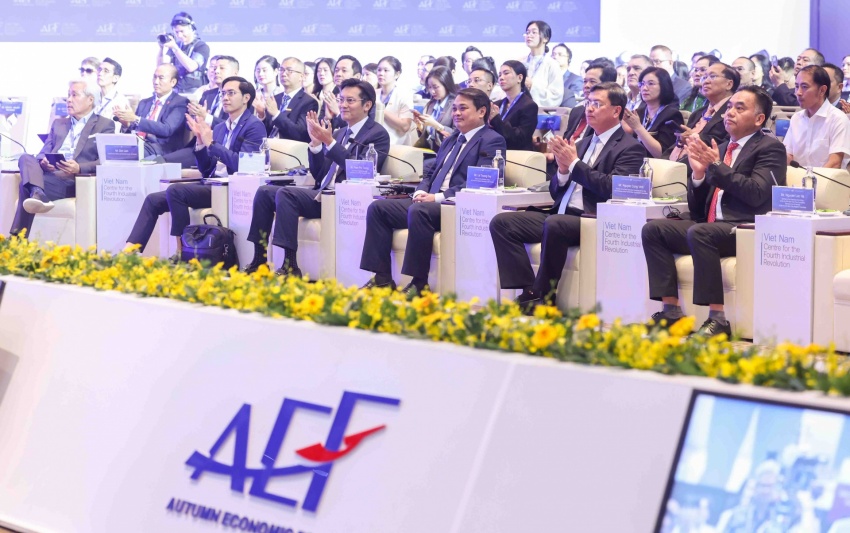 |
| The CEO 500 programme is one of the key elements of the Autumn Economic Forum 2026. Photo: Le Toan |
 | Ho Chi Minh City to unveil new projects worth $13.5 billion at AEF 2026 Ho Chi Minh City is expected to announce at least 12 investment projects with a combined value of more than $13.5 billion at the Autumn Economic Forum 2026. |
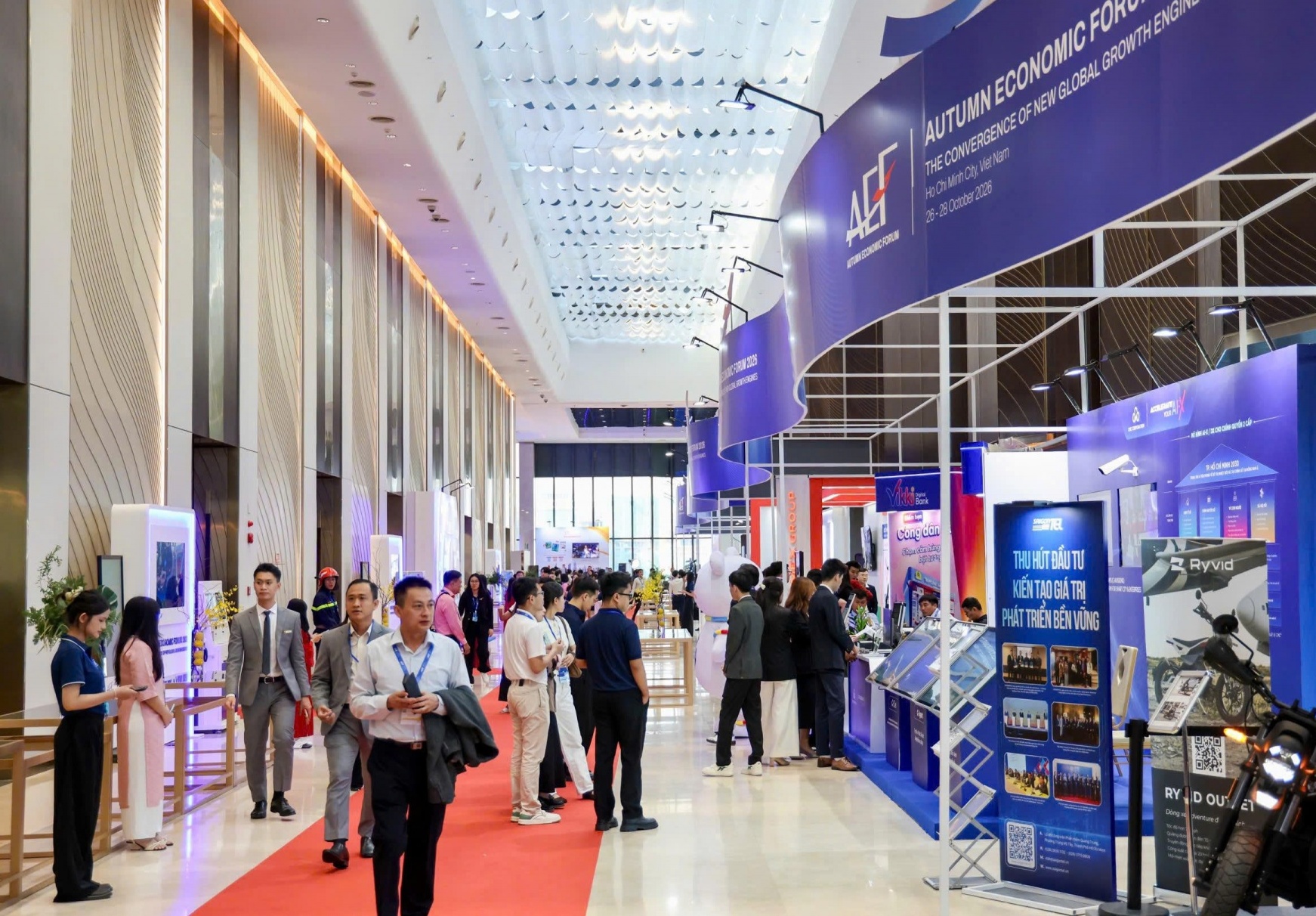
 | Autumn Economic Forum 2026 highlightes cooperation in a new era The 2026 Autumn Economic Forum has opened in Ho Chi Minh City, bringing together more than 1,500 domestic and international delegates to discuss how new global growth poles are converging amid a spirit of cooperation. |
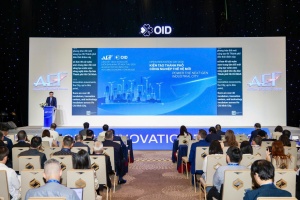 | Open Innovation Day 2026: Building the next-generation industrial city Open Innovation Day 2026, “Building the Next-Generation Industrial City,” took place in Ho Chi Minh City on October 26, launching a series of activities under the 2026 Autumn Economic Forum. |
What the stars mean:
★ Poor ★ ★ Promising ★★★ Good ★★★★ Very good ★★★★★ Exceptional
 Tag:
Related Contents

Latest News
More News
- Open Innovation Day 2026: Building the next-generation industrial city (October 26, 2026 | 15:06)
- Quandela and Quanova partner to deploy Vietnam’s first quantum computer (October 24, 2026 | 17:07)
- VinMetal Ha Tinh selected as a candidate to explore the Thach Khe mine (October 23, 2026 | 18:34)
- Japan's OC Global makes strategic investment in Vietnam's ECONUTI (October 23, 2026 | 18:18)
- Vietnam Railways seeks transfer of five stations and Dalat line (October 23, 2026 | 11:43)
- Vietnam and EU pledge deeper ties on security, trade, and resilience (October 23, 2026 | 11:30)
- South Korean firms seek predictable tax and customs policies in Vietnam (October 23, 2026 | 10:33)
- Thanh Hoa urged to remove obstacles to Cong Thanh LNG project (October 23, 2026 | 10:14)
- Vietnam pledges transparent tax and customs policies for South Korean businesses (October 23, 2026 | 10:08)
- KUKA Vietnam inaugurates new Hanoi headquarters (October 22, 2026 | 09:00)




 Mobile Version