
Vietnam-India forum promotes tech cooperation in AI, semiconductors

Held on October 26 as part of the 2026 Autumn Economic Forum 2026 (AEF 2026), the forum aimed to identify priority cooperation initiatives and pilot projects that could be implemented over the next 12–24 months.
The event was organised by the Ho Chi Minh City Centre for the Fourth Industrial Revolution in coordination with the Consulate General of India in Ho Chi Minh City.
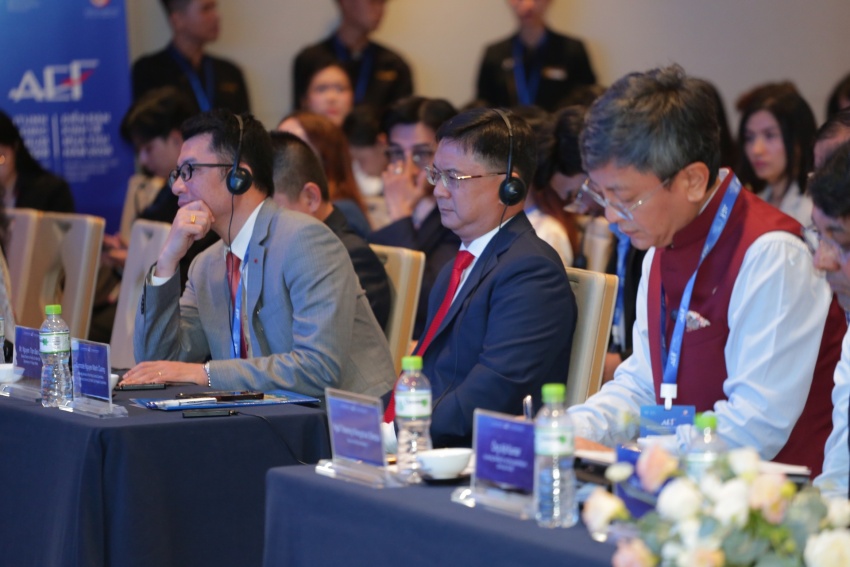 |
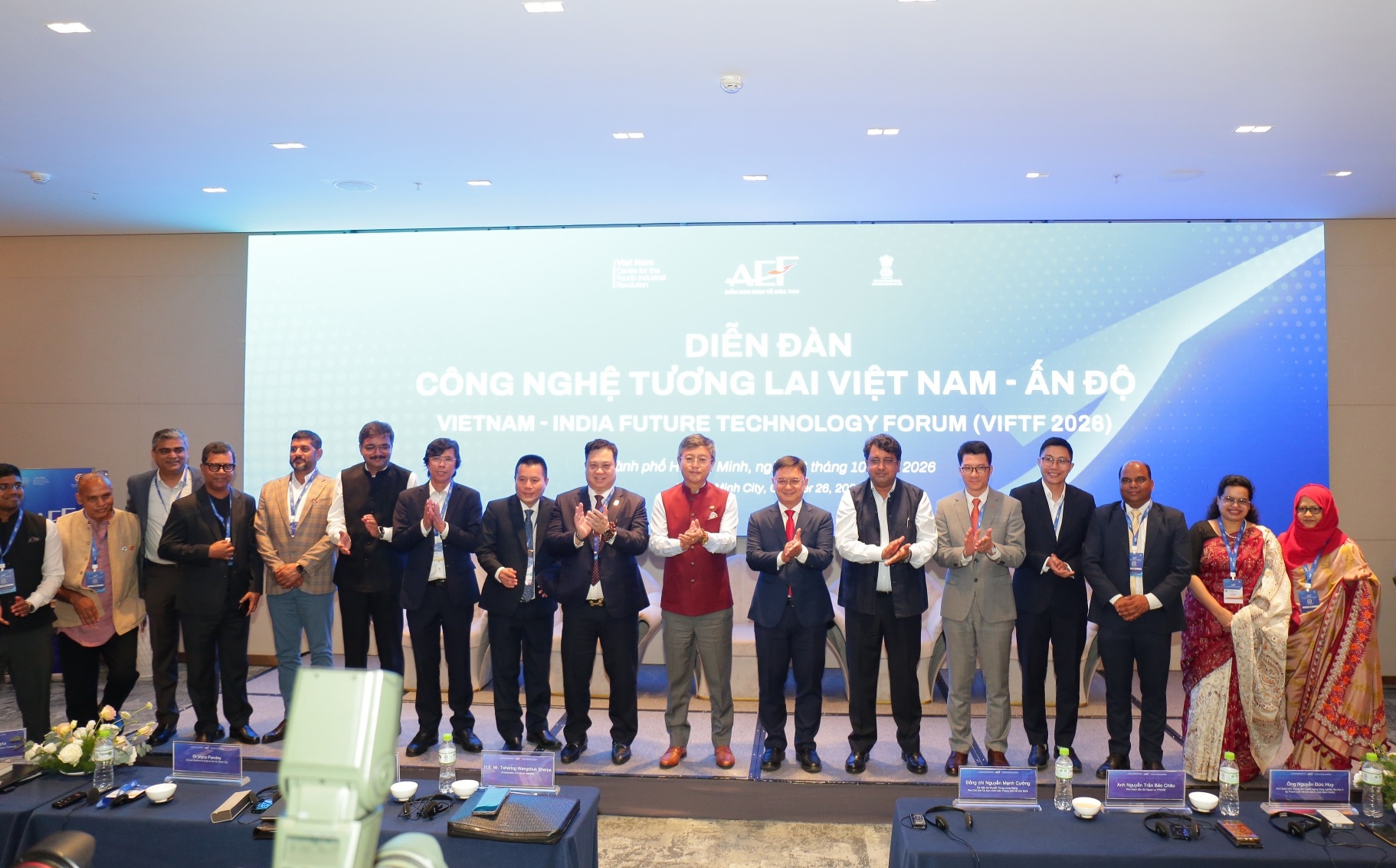
| Vietnam-India Future Technology Forum was held as part of AEF 2026. Photo: Ho Chi Minh City People's Committee |
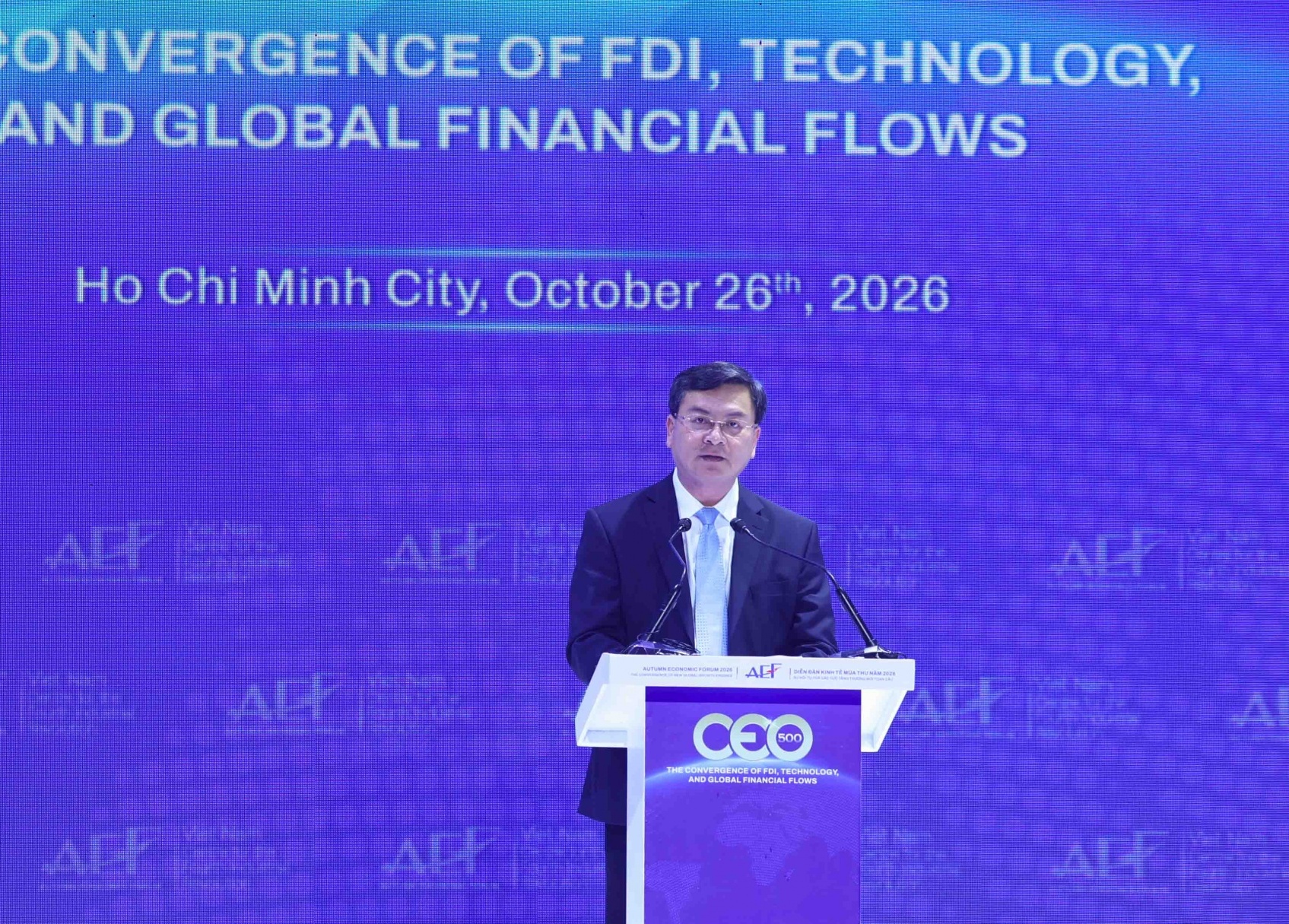
Nguyen Manh Cuong, Vice Chairman of Ho Chi Minh City People’s Committee, explained that as AI, semiconductors, digital infrastructure, and automation reshape production, governance, and market connectivity, competitive advantage no longer depends solely on access to technology. More importantly, it rests on the ability to research, absorb, master, and apply technology to address specific development challenges.
“No country, city, or business can develop all its technological capabilities independently. International cooperation therefore plays an important role in connecting knowledge, resources, and markets, enabling all parties to build technological capabilities and create new development value,” Cuong said.
He proposed three areas of cooperation to leverage the strengths of Indian partners while addressing Ho Chi Minh City’s practical development needs.
The first priority is to develop high-quality technology talent. The city seeks to strengthen links between universities, research institutes and businesses in both countries to train technology specialists, develop digital skills, promote academic exchanges, and implement training programmes linked to practical projects.
The second is to encourage technology research, application, and transfer, with the city’s development needs serving as the starting point. Priority areas include AI, public digital infrastructure, semiconductors, smart manufacturing, and applications for urban governance, logistics and environmental management.
The third is to connect innovation ecosystems and promote technology commercialisation. Ho Chi Minh City aims to harness the roles of government agencies, businesses, research institutions, universities, startup support organisations, and investors to turn technological ideas into products, services, and business models that directly enhance corporate competitiveness and support the emergence of new industries.
During a discussion on translating strategic priorities into development cooperation, Vietnamese and Indian experts focused on opportunities to connect research, training, technology application, and commercialisation.
One proposed initiative is to establish a technology and talent cooperation network linking educational institutions, research institutes, incubators, and businesses in both countries. In the initial phase, the parties will explore a training model for 20–30 participants annually, lasting six to nine months and combining professional mentoring, project work, and opportunities to access international markets.
In semiconductors and smart manufacturing, the programme proposes developing two to three specialised training modules covering chip design, embedded systems, automation, and industrial AI, with training linked to laboratory work and businesses’ practical needs.
For AI and public digital infrastructure, the parties aim to select two to three priority application areas for pilot implementation. These initiatives are intended to improve public service quality, business capabilities, and people’s access to services, while ensuring data safety and cybersecurity.
Another proposed area of cooperation is the application of remote sensing, geospatial data, and AI in urban planning, environmental management, climate change adaptation, seaport development, and logistics. The programme envisages selecting a practical challenge facing Ho Chi Minh City for a pilot project, with its effectiveness and potential for wider application to be assessed.
Representing India, Ajit Kumar, director general of India’s Ministry of Electronics and Information Technology, highlighted the potential for bilateral cooperation as the two countries mark the 10th anniversary of their Comprehensive Strategic Partnership.
"The complementary strengths of Vietnam and India provide a favourable foundation for advancing innovation in AI, national digital infrastructure, semiconductor design, and 6G networks, while helping to build more resilient supply chains," said Kumar.
Kumar further explained the need to strengthen links between research institutes and businesses, promote startup exchange programmes, implement joint projects, and share expertise.
"Cybersecurity and human resource development are also important factors in expanding technology cooperation over the long term," he added.
The new cooperation programmes are expected to leverage each side’s strengths, encourage inclusive development, and deliver tangible benefits to businesses and individuals in both Vietnam and India.
The Vietnam-India Future Technology Forum aims to identify three to five priority cooperation initiatives and consider selecting one or two pilot projects with suitable partners, scope, and resources for implementation over the next 12–24 months.
Within 30 days of the forum, the parties are expected to consolidate the discussion outcomes, agree on points of contact, and develop work plans for the initiatives of interest. A medium-term coordination mechanism will also be explored to monitor progress, evaluate results, and gradually translate cooperation priorities into specific programmes and projects.
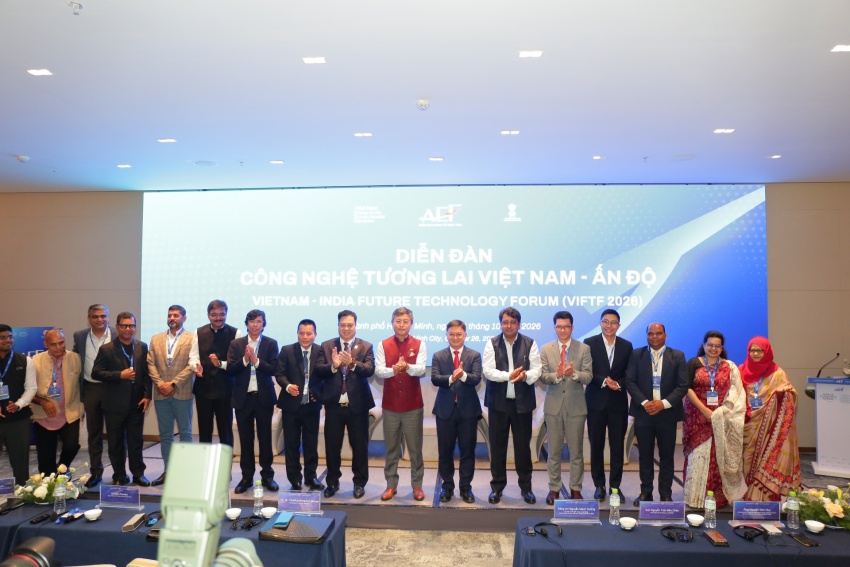 |
| Delegates at the event. Photo: Ho Chi Minh City People's Committee |
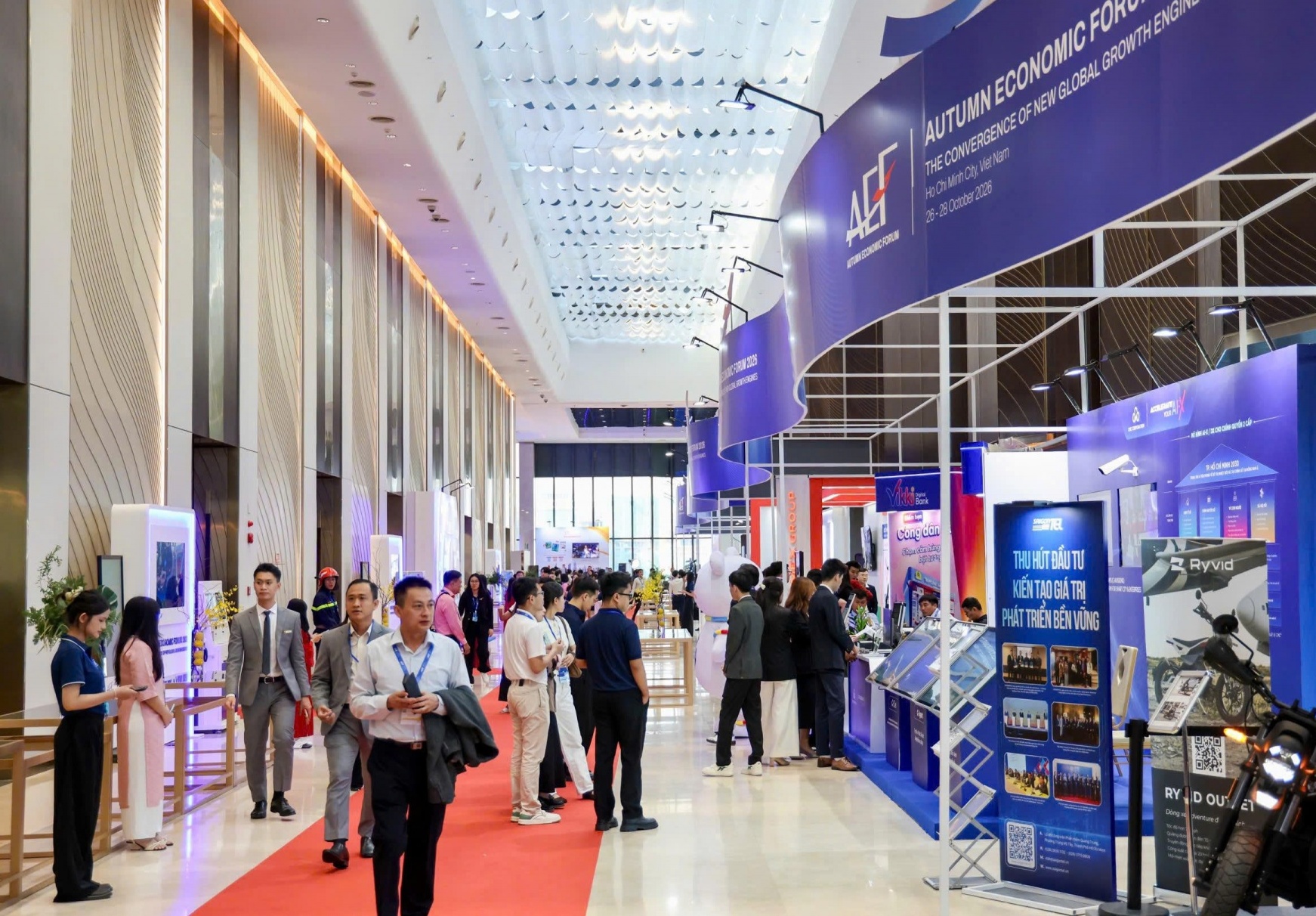
 | Autumn Economic Forum 2026 highlightes cooperation in a new era The 2026 Autumn Economic Forum has opened in Ho Chi Minh City, bringing together more than 1,500 domestic and international delegates to discuss how new global growth poles are converging amid a spirit of cooperation. |
 | Open Innovation Day 2026: Building the next-generation industrial city Open Innovation Day 2026, “Building the Next-Generation Industrial City,” took place in Ho Chi Minh City on October 26, launching a series of activities under the 2026 Autumn Economic Forum. |
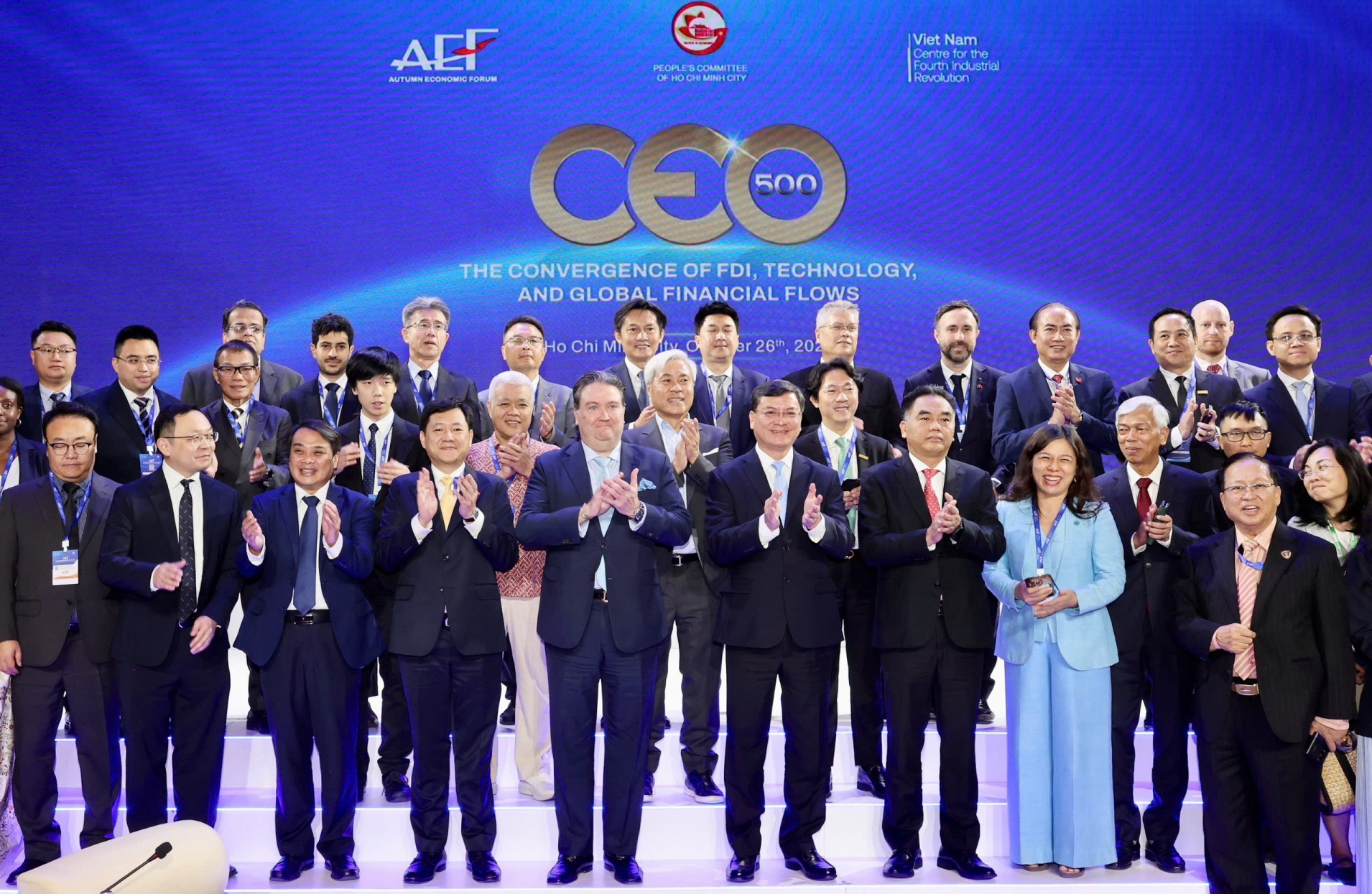
 | CEO 500 opens up cooperation opportunities in FDI and technology On the afternoon of October 26, as part of the Autumn Economic Forum, the CEO 500 programme was held to provide a platform for dialogue between Ho Chi Minh City leaders, ministries and agencies, and the international business community. |
What the stars mean:
★ Poor ★ ★ Promising ★★★ Good ★★★★ Very good ★★★★★ Exceptional
 Tag:
Related Contents



Latest News
More News
- W Signature achieves WELL Coworking Rating (October 27, 2026 | 08:00)
- MUFG connecting heritage with sustainable growth (October 26, 2026 | 15:28)
- AI revolution testing ethical standards in accountancy (October 26, 2026 | 12:11)
- Global cities seek solutions to startup scale-up challenge (October 24, 2026 | 12:56)
- Greenfeed’s aquafeed wins international award (October 23, 2026 | 16:37)
- PVFCCo – Phu My and Topsoe sign cooperation agreement in Copenhagen (October 23, 2026 | 11:32)
- Two Vietnamese midwives earn IBCLC certification in breastfeeding counselling (October 23, 2026 | 11:00)
- Vietnam’s coffee industry faces value-add challenge (October 23, 2026 | 10:17)
- Ho Chi Minh City offers interest rate support to businesses (October 23, 2026 | 10:03)
- Carlsberg underscores long-term Vietnam commitment at Denmark talks (October 22, 2026 | 16:06)





 Mobile Version