
Breakthroughs in radiotherapy technology and new drugs for breast cancer treatment

Next-generation radiotherapy: shorter treatment courses, better protection for healthy tissue
Advances in radiotherapy technology and techniques have transformed the treatment of breast cancer in recent years.
According to Dr. Bui Le Phuoc Thu Thao, head of the Hy Vong Cancer Centre at FV Hospital, “The biggest change is that we can now deliver radiotherapy with greater precision, over shorter treatment courses, and with less impact on patients.”
 |
| Dr. Bui Le Phuoc Thu Thao, Specialist Level II advises breast cancer patients on their treatment options. Photo: FV Hospital |
Radiotherapy courses that once lasted five to six weeks can now be completed in around three weeks, or even just one week in selected cases. For patients with left-sided breast cancer, Deep Inspiration Breath Hold can help move the heart away from the radiation field, reducing radiation exposure to the heart and lungs.
Before treatment, patients undergo a 3D CT simulation to map the treatment area. The treating physician works with medical physicists to plan the radiation dose and beam directions, ensuring adequate radiation delivery to the target while minimising exposure to surrounding healthy tissue.
"Each patient requires an individualised radiotherapy plan based on factors such as tumour size, surgical approach, other treatments, age, underlying medical conditions, and living circumstances," Dr. Thu Thao said.
Personalised treatment for different tumour types
Dr. Vo Thi Phuong Thao, a physician at the Hy Vong Cancer Centre at FV Hospital, said, "Significant advances are being made not only in radiotherapy but also in systemic treatment for breast cancer, with several new classes of drugs expanding the available options. Whereas treatment once relied primarily on chemotherapy, endocrine therapy, and anti-HER2 therapies, doctors now have additional options, including immunotherapy, CDK4/6 inhibitors, PARP inhibitors, and antibody-drug conjugates (ADCs)."
Biomarker testing and genetic testing for specific mutations can help doctors select more appropriate treatment strategies, particularly for patients with advanced or metastatic disease, or whose cancer has not responded to previous treatment.
For triple-negative breast cancer – a subtype that can be aggressive, has a higher risk of recurrence in certain cases, and has fewer established targeted treatment options – identifying biomarkers such as PD-L1 expression and mutations in the BRCA1/2 genes can help determine whether treatments such as immunotherapy, PARP inhibitors, or ADCs may be appropriate.
According to Dr. Phuong Thao, ADCs act as targeted drug-delivery systems: antibodies recognise specific proteins on cancer cells and deliver a cytotoxic drug to the target, helping direct treatment towards cancer cells while potentially limiting damage to healthy tissue.
“The important thing is not to use the newest medication, but to use the right medication for the right patient at the right time,” Dr. Phuong Thao said.
Strength of a multidisciplinary team
 |
| Doctors and medical teams discuss treatment plans for breast cancer patients. Photo: FV Hospital |
Modern cancer care requires collaboration among multiple specialities to develop an appropriate treatment plan for each patient. Surgery removes the tumour when indicated, systemic therapy treats cancer cells throughout the body, and radiotherapy helps control the disease locally and reduce the risk of recurrence.
At FV Hospital, the multidisciplinary team reviews each case from different clinical perspectives. This collaborative approach helps identify potential issues that might otherwise be overlooked and supports the development of comprehensive, individualised treatment plans.
Treatment decisions at FV are guided by the latest scientific evidence while taking patients’ circumstances and preferences into account. Patients and their families receive clear explanations of treatment goals, potential benefits, and risks, enabling them to make informed decisions and feel supported throughout the treatment journey.
Early detection: key to better breast cancer outcomes
Dr. Thu Thao, Specialist Level II said, “What I most want women to know is that breast cancer detected early can be treated successfully. In the early stages, the five-year survival rate can exceed 90 per cent, and many women can preserve their breasts.”
Women are encouraged to make time for their breast health. Dr. Thu Thao said, “Perform breast self-examinations regularly, and attend checkups and screening appointments as recommended by your doctor. Mammography screening often begins around age 40, or earlier for women with a family history of breast cancer or other risk factors. If you notice a lump, nipple discharge, or unusual changes in the skin of your breast, see a doctor promptly. Don’t wait."
"If you are diagnosed with breast cancer, don’t lose hope or turn to unproven treatments. Trust evidence-based medicine. We are here to support you. Taking care of yourself is also an act of love for those you care about."
 |
| Breast cancer patients at the Hy Vong Cancer Centre. Photo: FV Hospital |
FV Hospital encourages women to take a proactive approach to breast health. At the Breast Care Centre, patients receive advice on appropriate screening programmes based on their age and risk factors. Diagnostic options include state-of-the-art ultrasound, mammography, and 3.0-tesla MRI.
Patients can visit FV Hospital at No. 6 Nguyen Luong Bang, Tan My Ward (formerly District 7), Ho Chi Minh City, or call (028) 35 11 33 33 for further information. Breast cancer treatment and cancer care in general at FV are covered by health insurance in accordance with applicable regulations. Patients may also use private health insurance, where applicable, and take advantage of monthly instalment payment options.
 | Non-smoker diagnosed with early-stage lung cancer during routine health check-up Chev Cheng, a 54-year-old Cambodian, was diagnosed with early-stage lung cancer during a routine health check-up and successfully treated with robot-assisted surgery using the da Vinci Xi surgical system at FV Hospital, avoiding chemotherapy and radiation therapy. |
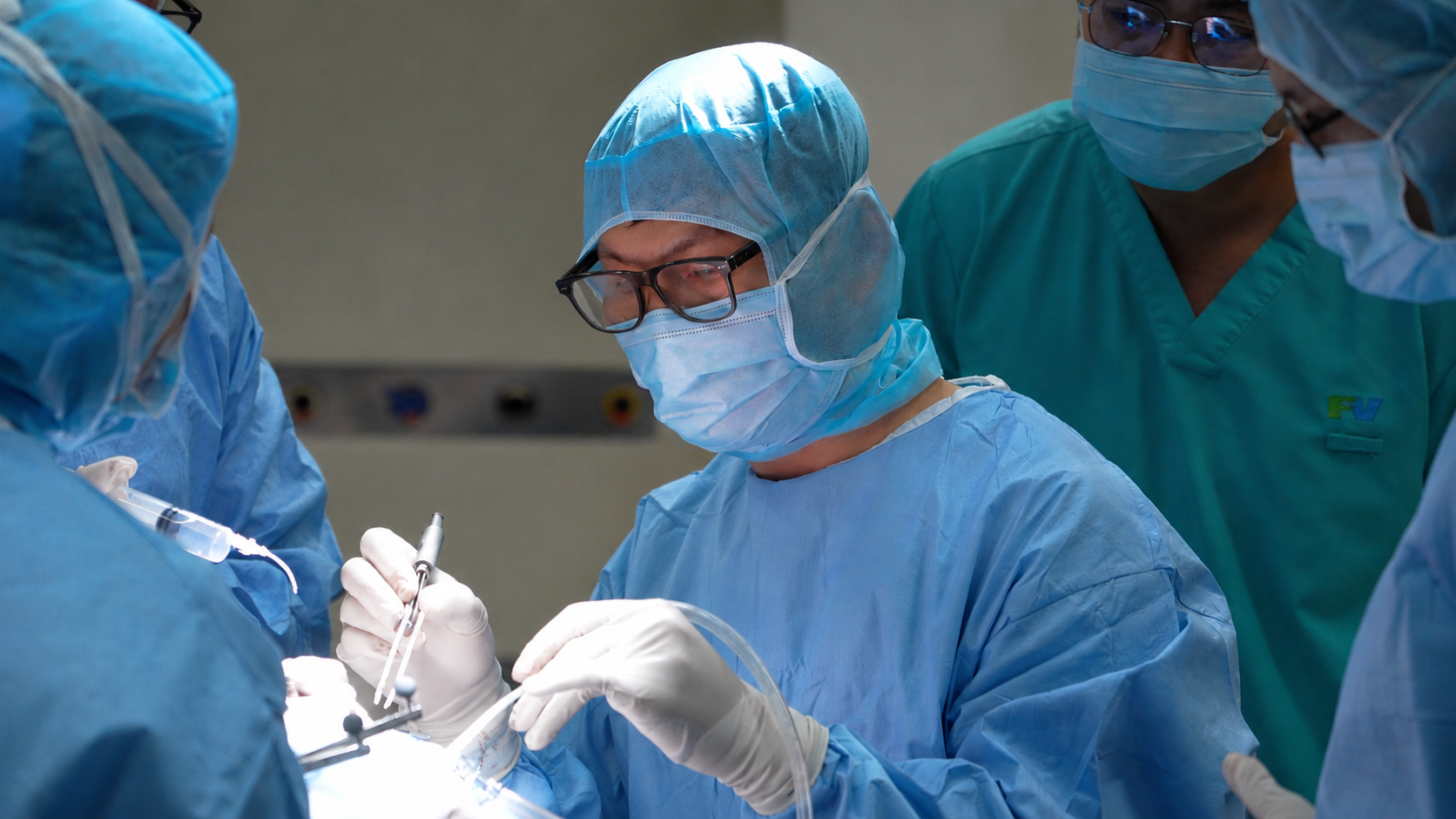 | Flying halfway around the world to Vietnam for treatment of spinal stenosis A Canadian woman who was nearly unable to walk due to spinal stenosis was successfully treated at FV Hospital and returned home to Canada one month after surgery. |
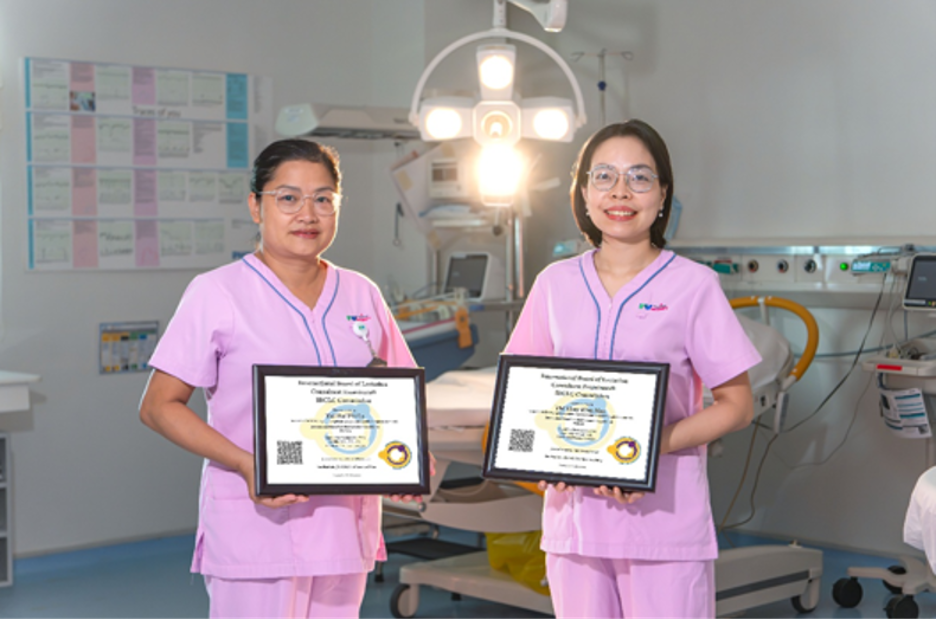 | Two Vietnamese midwives earn IBCLC certification in breastfeeding counselling Two midwives from the FV Thomson Maternity have earned an International Board Certified Lactation Consultant (IBCLC), an international credential for breastfeeding and lactation consultants. |
What the stars mean:
★ Poor ★ ★ Promising ★★★ Good ★★★★ Very good ★★★★★ Exceptional
 Tag:
Related Contents




Latest News
More News
- Cost pressures and AI are shaping corporate reward strategies in Vietnam (October 27, 2026 | 15:54)
- Mitsubishi Electric Vietnam and Hitachi Digital Services complete SAP transformation (October 27, 2026 | 14:00)
- Vietnam-India forum promotes tech cooperation in AI, semiconductors (October 27, 2026 | 12:35)
- W Signature achieves WELL Coworking Rating (October 27, 2026 | 08:00)
- MUFG connecting heritage with sustainable growth (October 26, 2026 | 15:28)
- AI revolution testing ethical standards in accountancy (October 26, 2026 | 12:11)
- Global cities seek solutions to startup scale-up challenge (October 24, 2026 | 12:56)
- Greenfeed’s aquafeed wins international award (October 23, 2026 | 16:37)
- PVFCCo – Phu My and Topsoe sign cooperation agreement in Copenhagen (October 23, 2026 | 11:32)
- Two Vietnamese midwives earn IBCLC certification in breastfeeding counselling (October 23, 2026 | 11:00)




Latest News





 Mobile Version