
AkzoNobel: from painting walls to painting the future

Sustainability is moving beyond a trending concept to become a defining principle of architecture and design. The question is no longer whether beauty and environmental responsibility can coexist, but how they can harmonise within our living spaces. As one of the world's leading manufacturers in paints and coatings, AkzoNobel is at the forefront of this transformation, bringing forward fresh perspectives and practical solutions to the urgent challenges of climate and community wellbeing.
Wijnand Bruinsma, director of sustainability at AkzoNobel, directly leads these efforts. He focuses on driving climate change mitigation strategies, community projects, and product innovations to reduce the industry's carbon footprint. In this conversation, he shared his candid and practical insights on balancing aesthetics with sustainability, and how collaboration and technology are shaping the future of design.
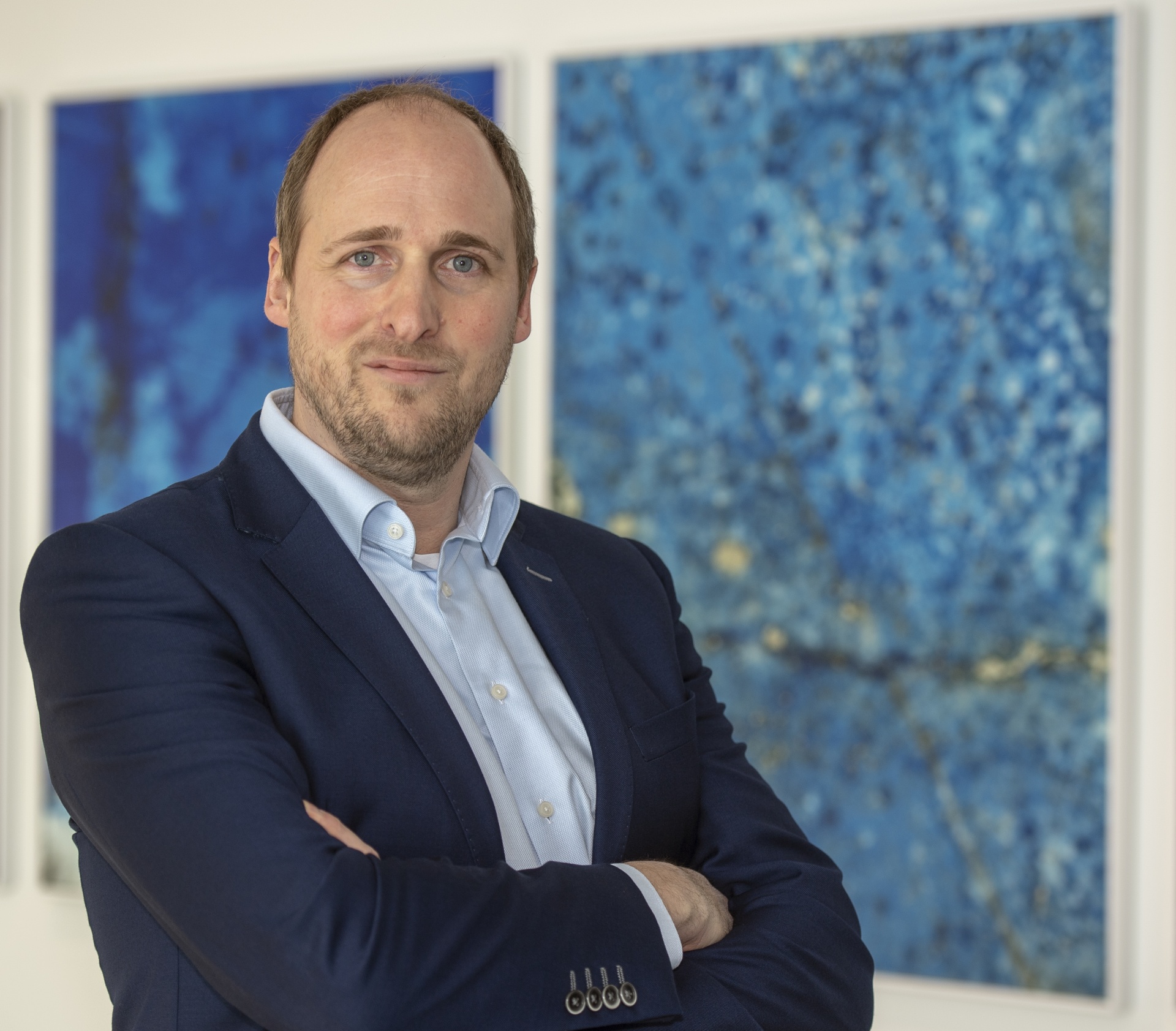 |
| Wijnand Bruinsma, director of sustainability at AkzoNobel |
What recent initiatives has AkzoNobel led to address climate change?
Over the past 45 years, the average global temperature has risen by nearly 1 °C. That might sound like a small number, but it's actually immense, as we have only about one more degree to spare over several centuries. Meanwhile, atmospheric carbon levels have increased by roughly 25 per cent, leading to severe impacts like natural disasters and heat stress. This shows that climate change is not just a headline, but a tangible reality that directly affects our lives.
The world will face even greater challenges ahead, and I firmly believe that businesses play a central role in moderating climate impact. At AkzoNobel, we have set two major ambitions.
Within AkzoNobel operations: Our 130 manufacturing sites worldwide aim to cut carbon emissions by 50 per cent by 2030, compared with 2018 levels. By the end of last year, we had already achieved a 41 per cent reduction and are moving closer to our target this year.
Across our entire value chain: Beyond internal operations, we also aim for a 50 per cent emissions reduction among our suppliers and customers by 2030 (taking 2018 as our baseline).
These are complex tasks, but we are making steady, measurable progress.
In your opinion, are cross-sector research and collaboration the ideal solutions for environmental challenges?
When it comes to sustainability, the most important keyword is collaboration.
First, collaboration must happen within the company. Different departments, from marketing to research and development and supply chain, each see emerging trends and challenges from unique angles. What matters is connecting these insights to develop actionable solutions.
Next is partnership with direct partners who are our customers, suppliers, and neighbouring businesses to drive change together.
And the third level, which is both the most complex and the most critical, is collaboration across the entire value chain. We work closely with green building councils, non-governmental organisations, and policymakers because no single entity can provide a complete solution to environmental challenges on its own.
What role do technology and innovation play in realising AkzoNobel's sustainable solutions?
At AkzoNobel, we are applying a range of modern technologies. With the number of professional painters declining globally, we've started using robots to handle wall painting. In research and development, we are experimenting with quantum computing to shorten the development process for paint formulation. We've also launched Coatings AI in our powder coatings business. This tool uses AI to help customers optimise paint usage and minimise waste while maintaining surface protection.
In regions with specific climates, such as Southeast Asia, what sustainable solutions is AkzoNobel focusing on to meet local market needs?
For wall paints and coatings in Southeast Asia, I would emphasise two key points: first, reducing heat and improving climate resilience; and second, contributing positively to human health and wellbeing. These are the two core priorities when developing sustainable products for this region.
Many Asian cities are already hot and are getting hotter due to the urban heat island effect. To address this, we have developed KeepCool Technology, which reflects sunlight and lowers the surface temperatures of buildings by up to 5 °C compared with conventional paint solutions. That translates to a 15 per cent reduction in air-conditioning energy use, achieved through a paint layer less than one millimetre thick.
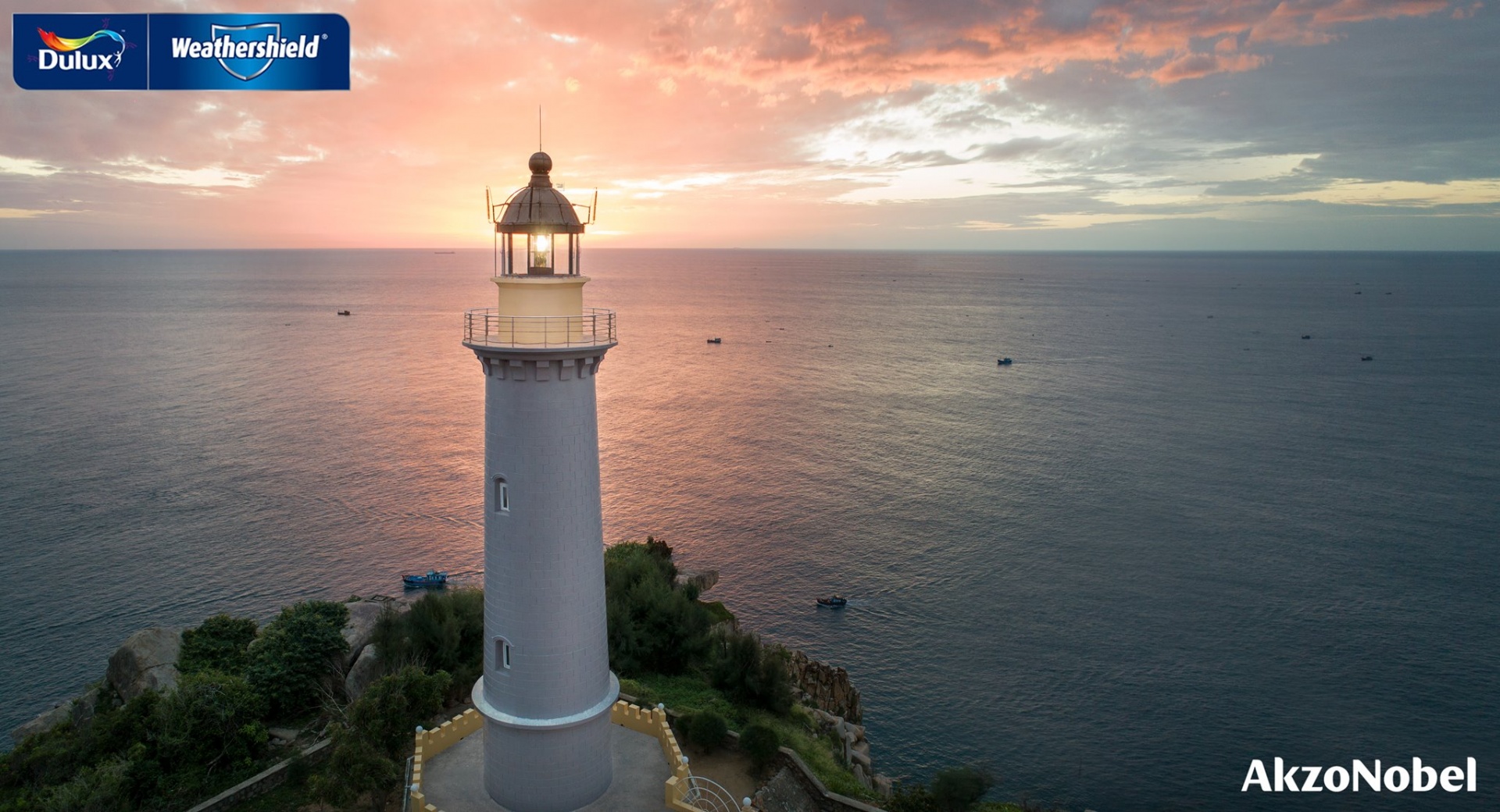 |
| The Dai Lanh Lighthouse, one of three lighthouses renovated under AkzoNobel's “Lighthouse Protection Campaign”, was protected by Dulux Weathershield, a premium exterior paint with the ultimate protection against harsh weather |
We've also created paint products capable of absorbing volatile organic compounds (VOCs) such as formaldehyde. This helps to improve indoor air quality for urban residents.
What role do paints and coatings play in creating spaces that are both beautiful and sustainable?
Some might wonder, how can something less than a millimetre thick make a difference in sustainability and climate resilience? I believe this is the superpower of paints and coatings. They not only bring aesthetic value but also contribute to improving air quality, reducing heat buildup, and even protecting buildings for years. This is crucial when the construction industry accounts for nearly 40 per cent of global carbon emissions.
Through advanced technologies, AkzoNobel's goal is to prove that even a thin coating can make a lasting impact on health, the environment, and the community.
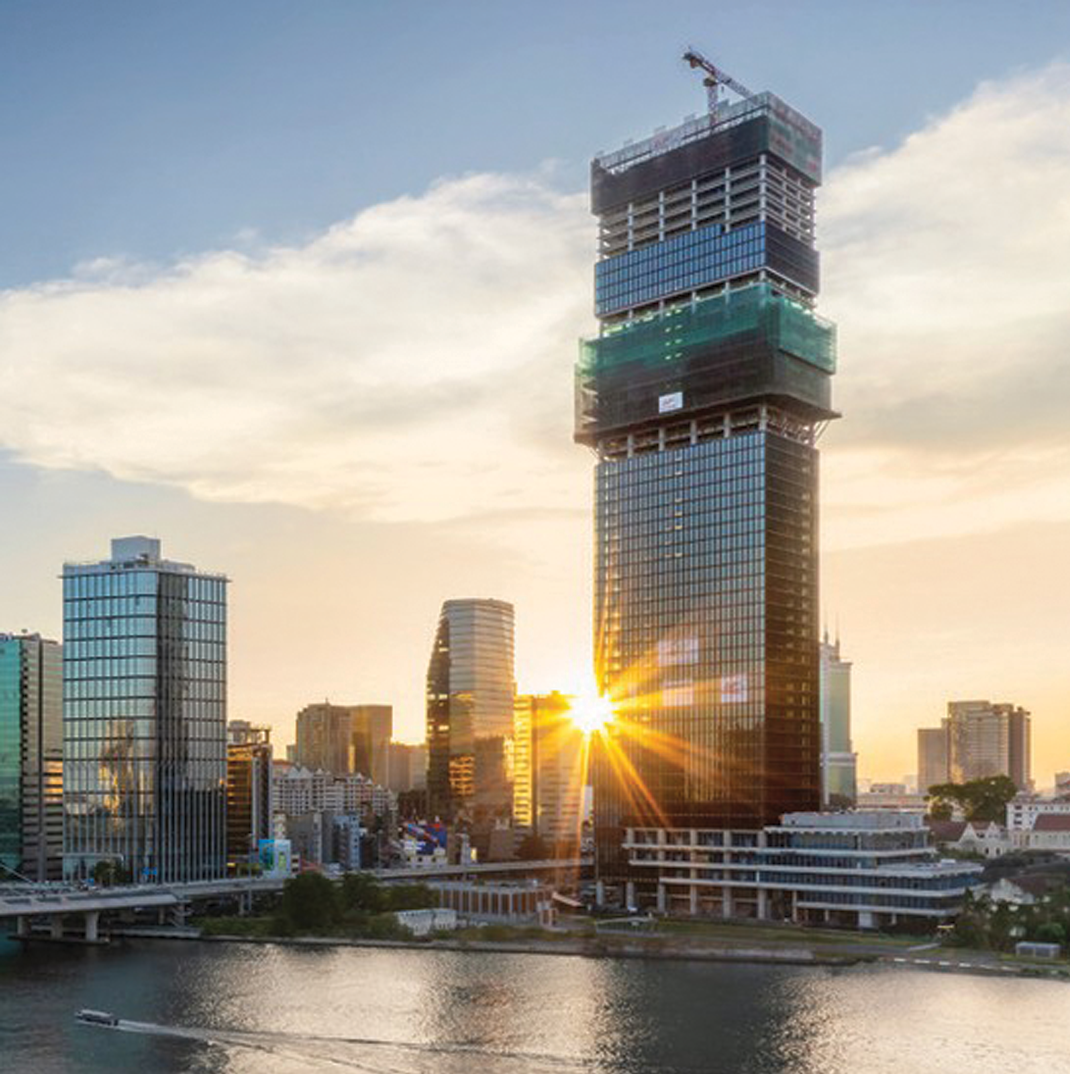 |
| AkzoNobel is proud to protect the exterior of Grand Marina Saigon, including windows, facades, and sunshades, with Interpon D2525 powder coatings |
Could you share some projects that illustrate AkzoNobel's approach to sustainability, especially those connected to the community?
In Vietnam, we have participated in preserving coastal lighthouses and renovating 14 decorating schools, giving children better spaces to learn and grow. In Indonesia, one of our most meaningful projects involved repainting a school canteen entirely in yellow. That simple change drastically reduced the number of flies, thereby improving hygiene and student health.
To me, that is the true power of paint, and especially of colour. A single coat can change behaviour, enhance wellbeing, and elevate quality of life. And that's why I believe sustainability is not just a concept, but a journey of tangible benefits for society.
 | AkzoNobel launches campaign to drive sustainable wood manufacturing AkzoNobel Wood Finishes has rolled out a new regional campaign, highlighting practical steps for wood product manufacturers to boost efficiency and cut emissions. |
 | AkzoNobel introduces air-purifying Dulux paint to Vietnam AkzoNobel has introduced Dulux Ambiance AirFresh, a premium interior paint designed to purify indoor air and promote healthier living spaces. |
 | AkzoNobel secures Vietnam's first LEED Gold factory certification AkzoNobel is setting a new benchmark for sustainable manufacturing in Vietnam's paints and coatings industry, reaffirming its global commitment to green innovation and environmental responsibility. |
What the stars mean:
★ Poor ★ ★ Promising ★★★ Good ★★★★ Very good ★★★★★ Exceptional
 Tag:
Tag:Related Contents



Latest News





More News
- Sojitz in Vietnam: 40 years from individual projects to a business cluster 'KATAMARI' (October 08, 2026 | 09:00)
- Coteccons targets 'Quality Growth' with 25 per cent dividend plan (October 07, 2026 | 13:00)
- Vietnam Education Forum opens UK Education Mission's Hanoi visit (October 07, 2026 | 12:27)
- Tax authorities deactivate TINs of nearly 180,000 businesses (October 07, 2026 | 12:08)
- World Bank raises Vietnam's 2026 GDP growth forecast to 7.4 per cent (October 07, 2026 | 11:41)
- Vietstock 2026 to spotlight livestock innovation and green transition (October 07, 2026 | 09:00)
- Vietnam’s GDP grows over 9 per cent in first nine months (October 05, 2026 | 18:45)
- Vietnam earns $56.3 billion from agro-forestry-fishery exports (October 05, 2026 | 18:32)
- DSV balances resilience and decarbonisation in supply chains (October 05, 2026 | 18:20)
- Electronics exports reach $175.4 billion in the first nine months (October 05, 2026 | 18:12)



Latest News





 Mobile Version