

Workshop guides construction firms on carbon rules

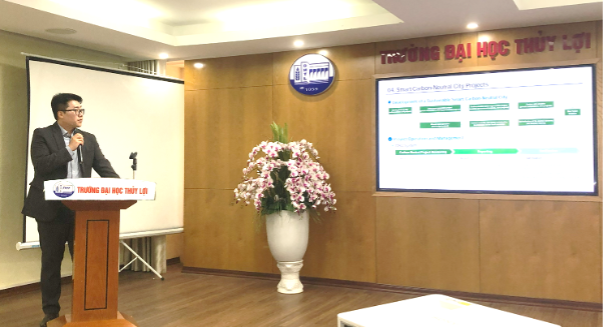 |
| A representative of Thuy Loi University speaking at the workshop |
The event, held on April 23, aimed to help businesses comply with greenhouse gas (GHG) regulations amid growing pressure on the construction sector to adapt to net-zero targets. It highlighted that carbon inventory is now mandatory for companies listed under Decision No.13/2024/QD-TTg, requiring firms to measure and report emissions in line with international standards.
Participants were introduced to methods for identifying and classifying emissions across scopes 1, 2, and 3, following frameworks such as the GHG Protocol and ISO 14064-1.
The workshop also outlined practical steps for data collection, emissions factor selection, and preparation of facility-level GHG reports for submission to regulators.
Under Decision No.699/QD-BNNMT, which pilots emissions allowance allocation for 2025-2026, businesses must understand key allocation approaches, including grandfathering and benchmarking. The session also addressed compliance risks and financial penalties associated with exceeding emissions caps.
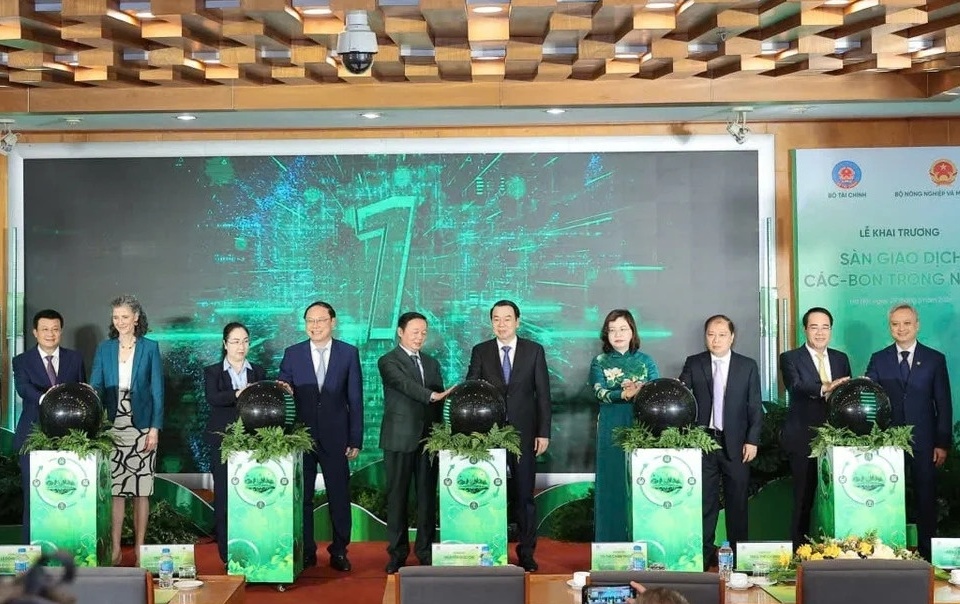
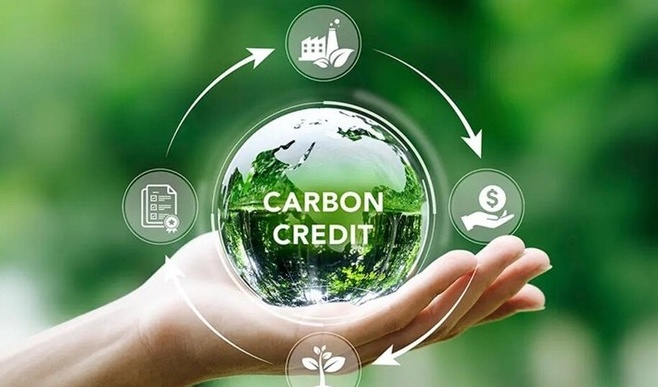
Vietnam’s domestic carbon market, governed by Decree No.29/2026/ND-CP, is expected to create new compliance and trading opportunities. The workshop clarified the distinction between emissions allowances and carbon credits, while introducing basic trading procedures and strategies to optimise compliance costs.
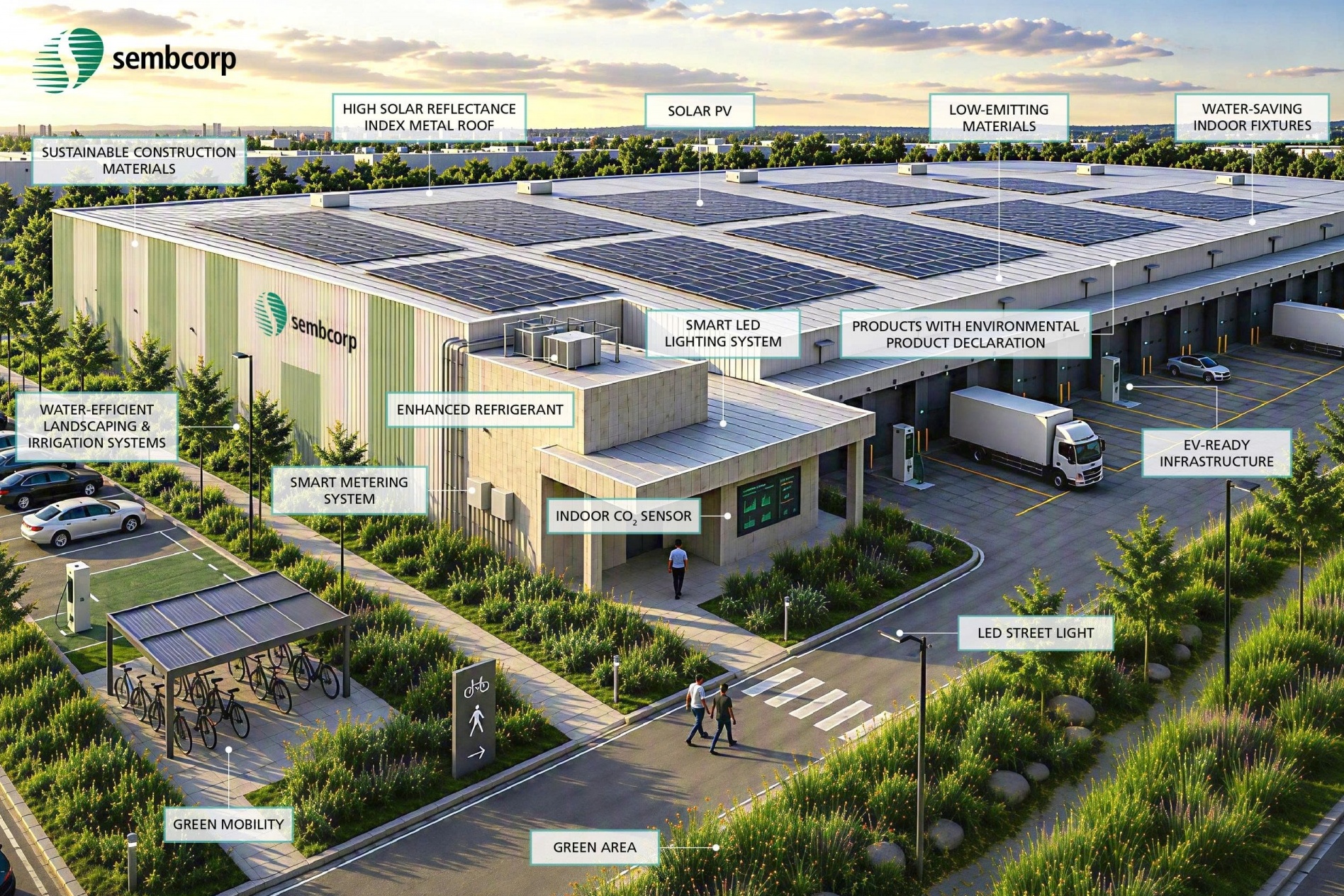
In parallel, new regulations such as Circular No.03/2026/TT-BXD and Decree No.35/2026/ND-CP are linking urban classification with smart infrastructure and emissions control targets. Developers are therefore encouraged to adopt recognised green building standards, including LEED, EDGE, and LOTUS, to improve energy efficiency and environmental performance.
 |
| Photo: baodautu.vn |
The event also underscored the role of digital technologies such as the Internet of Things, AI, and building management systems in monitoring emissions in real time. Smart meters, for instance, can support automated measurement, reporting, and verification, helping buildings remain within emissions limits.
Access to green finance was another key focus. Certifications such as LEED, EDGE, and LOTUS are increasingly seen as gateways to green loans and bonds with preferential rates. Speakers noted that, despite higher upfront costs, green buildings can deliver strong returns through energy savings, lower financing costs, and potential carbon credit revenues.
Backed by financial institutions including Dragon Capital, the workshop series aims to demonstrate that carbon governance and green construction are no longer merely compliance requirements, but are becoming a competitive advantage and a driver of sustainable profitability in Vietnam’s construction sector.
What the stars mean:
★ Poor ★ ★ Promising ★★★ Good ★★★★ Very good ★★★★★ Exceptional
 Tag:
Tag:Related Contents

Latest News

More News
- Lotte Properties and Phat Dat develop Thu Thiem Eco Smart City (May 27, 2026 | 22:18)
- Greening construction material market: the time is now (May 22, 2026 | 09:37)
- Last opportunity to own real estate in heart of Thao Dien (May 06, 2026 | 09:35)
- IOM and partners launch new SMEs guidance for construction and materials industry in Vietnam (April 24, 2026 | 17:25)
- Malaysian tycoon SkyWorld brings sustainable homes to Vietnam (April 23, 2026 | 08:00)
- Green real estate labels mask deeper capital market divides (April 20, 2026 | 08:00)
- Ministry of Construction drafts criteria to assess urban climate resilience (April 14, 2026 | 17:05)
- Hyundai HT to expand smart home and building in Vietnam (April 01, 2026 | 13:20)
- New urbanisation cycle set to define Vietnam's next decade of growth (March 17, 2026 | 21:00)
- Vietnam enters global Top 10 markets for LEED-certified buildings (March 09, 2026 | 13:45)


Latest News





 Mobile Version