
Vietnam calls for stronger Russia-ASEAN economic cooperation

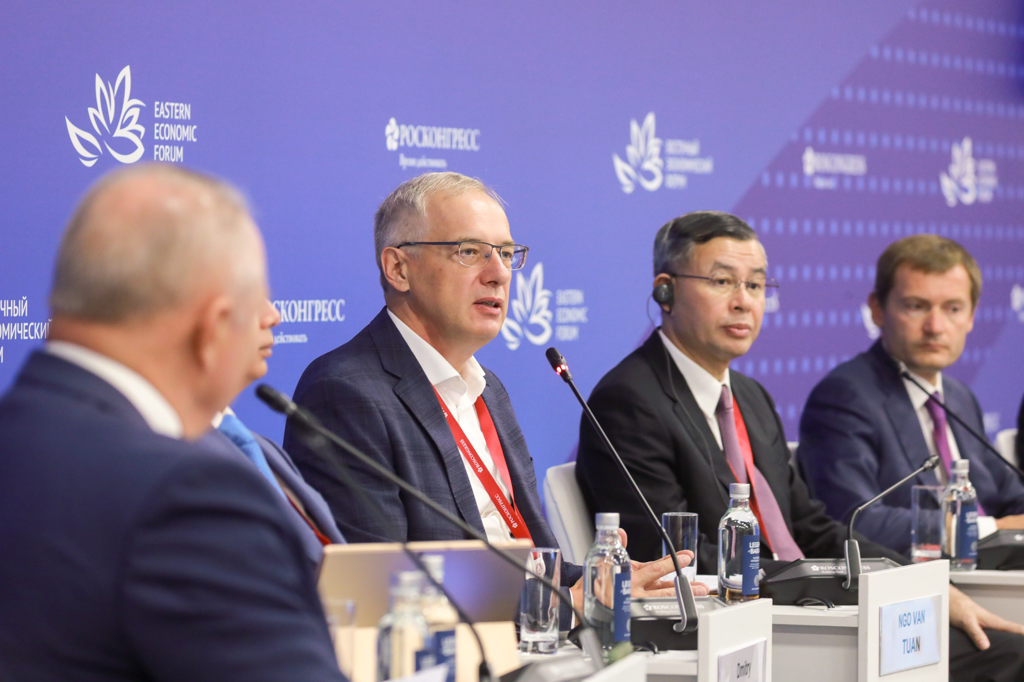
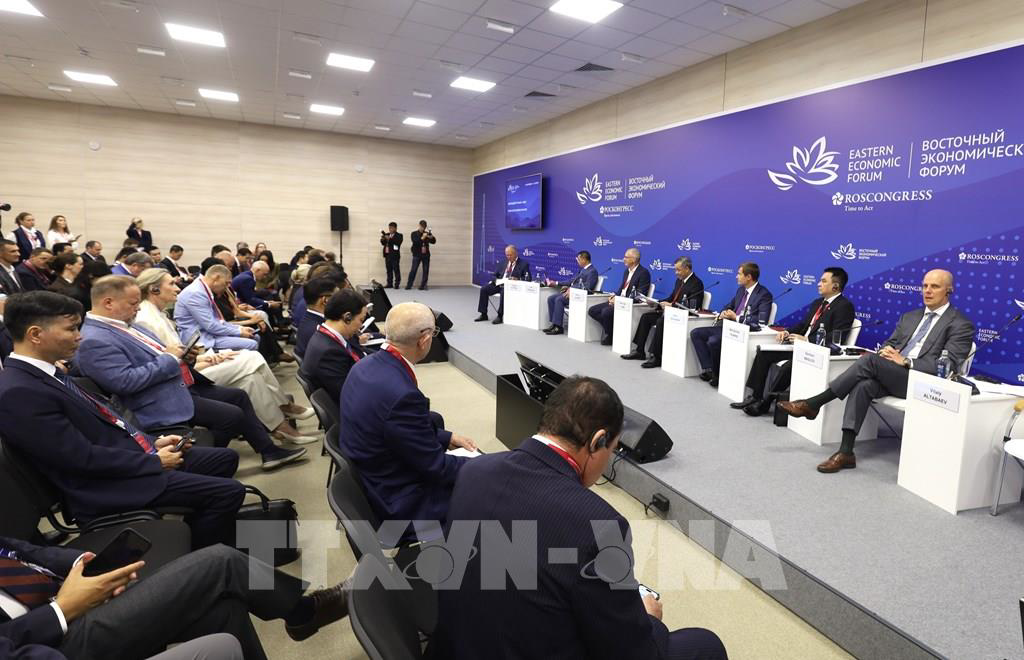
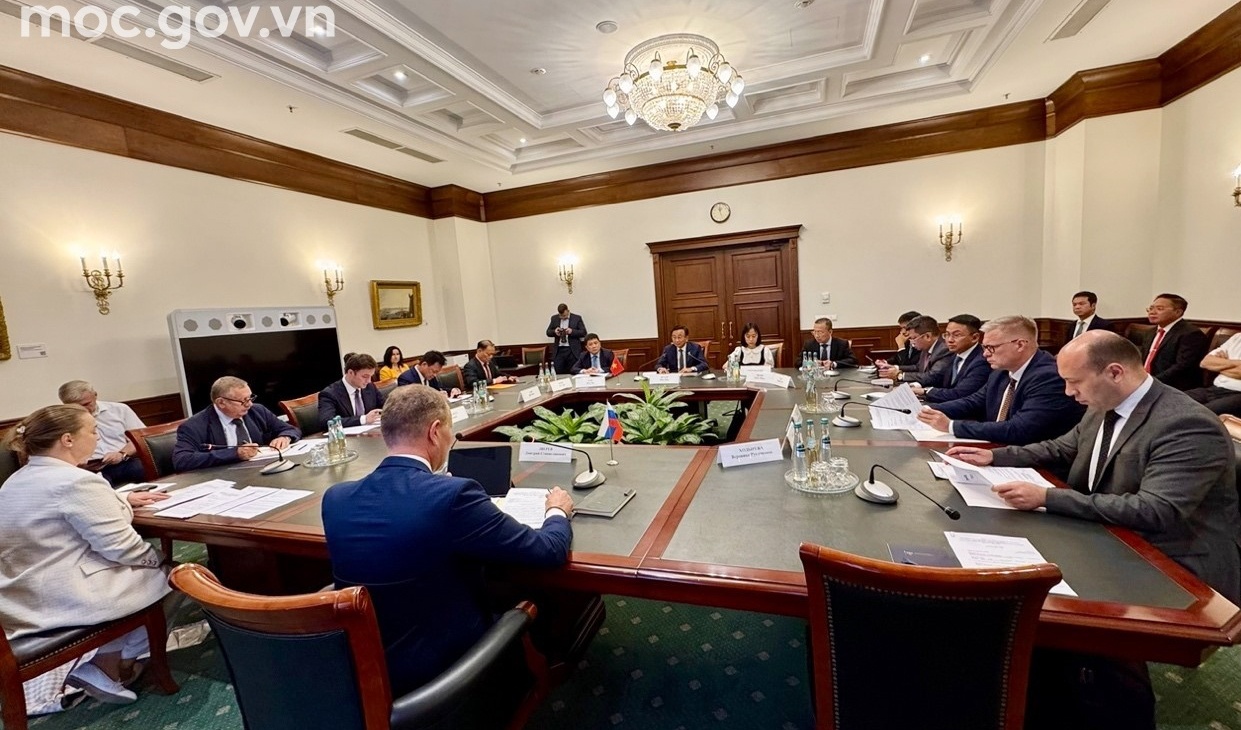
The dialogue was attended by Sergey Katyrin, president of the Chamber of Commerce and Industry of the Russian Federation, along with senior officials and business representatives from Russia and ASEAN member states.
 |
| Photo: MoF |
Minister Tuan said Vladivostok was a strategically important gateway connecting Russia with the wider Asia-Pacific region.
Russia-ASEAN relations are reaching several significant milestones. 2026 marks the 35th anniversary of Russia-ASEAN relations. The successful Russia-ASEAN Summit in Kazan, together with the adoption of the Russia-ASEAN Comprehensive Action Plan for 2026-2030, has provided a stronger political and economic foundation for deepening the two sides' strategic partnership more substantively and effectively.
Reviewing recent achievements, the minister said two-way trade between Russia and ASEAN had grown by nearly 58 per cent over the past decade, reaching approximately $21 billion in 2025.
The figure demonstrates the positive momentum in economic ties, but there remained considerable room for expansion. The priority now is to translate broad commitments and cooperation frameworks into concrete projects, strengthen trade and investment flows, and deliver measurable results.
Regarding Vietnam's economic outlook, Minister Tuan said the country was entering a new stage of development, with a goal of becoming a developing country with modern industry and upper-middle income by 2030, and a high-income developed country by 2045.
For the 2026-2030 period, Vietnam has set an ambitious target of achieving annual economic growth of at least 10 per cent, while maintaining macroeconomic stability and major economic balances.
To support these goals, the country is accelerating the development of science and technology, innovation, digital transformation and AI, while investing in high-quality human resources and strengthening the private sector. The government is also stepping up investment in strategic infrastructure and continuing to improve the investment and business environment to attract international resources.
Vietnam's economy was worth approximately $514 billion in 2025, while total merchandise trade exceeded $930 billion. The country is becoming increasingly integrated into regional production networks and supply chains and has emerged as an attractive destination for multinational corporations in technology, electronics, manufacturing, energy, logistics and services.
Vietnam also occupies an important position in Russia-ASEAN economic relations. Bilateral trade between Vietnam and Russia reached approximately $4.77 billion in 2025, accounting for nearly one quarter of total Russia-ASEAN trade.
Vietnam was also the first ASEAN country to sign a free trade agreement with the Eurasian Economic Union. With its extensive network of free trade agreements (FTAs), Vietnam can serve as an effective bridge for Russian businesses seeking access to the ASEAN market and other international markets. At the same time, Russia's Far East offers Vietnamese and ASEAN businesses opportunities to access the Russian and wider Eurasian markets.
 |
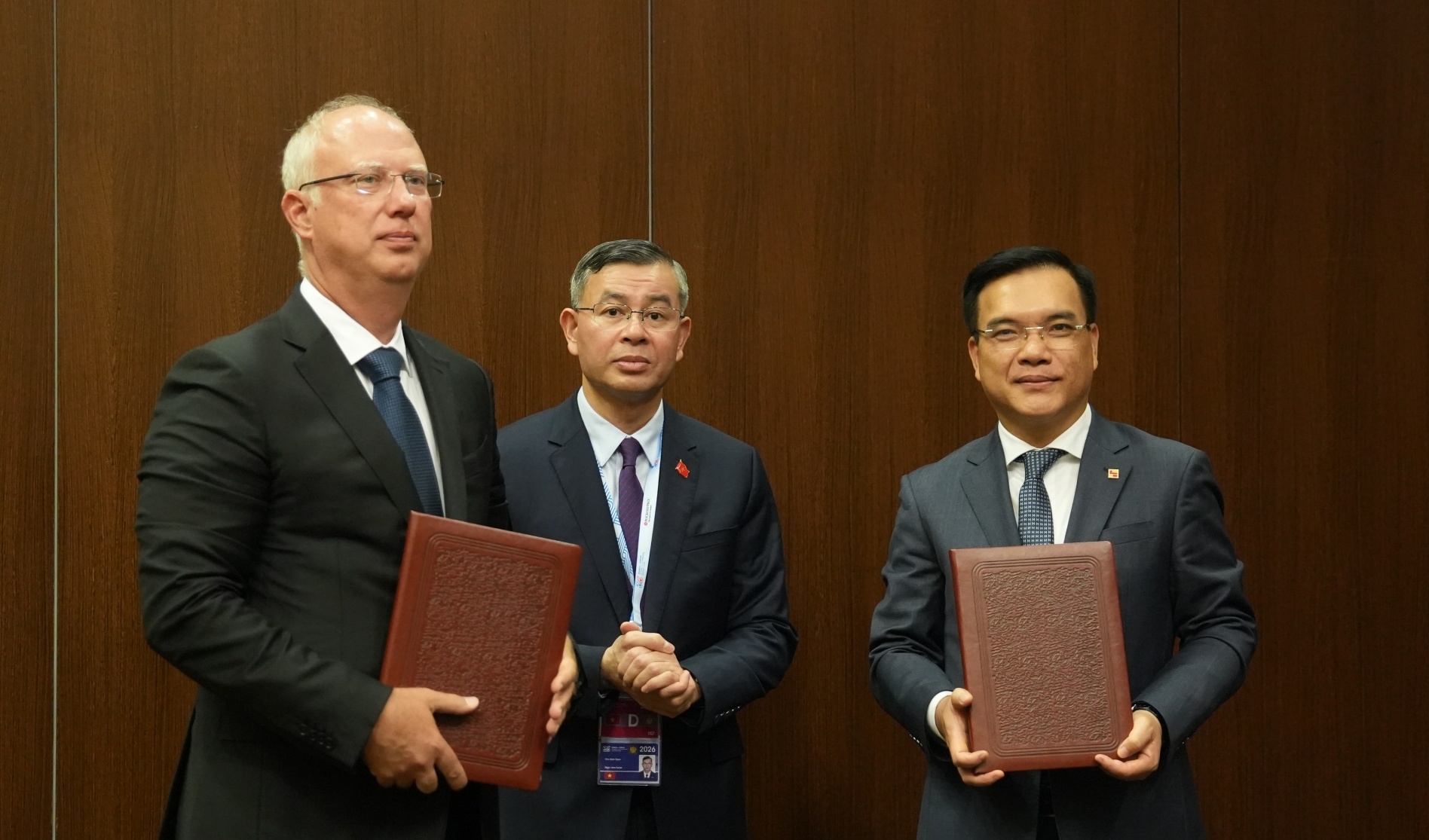
| Photo: VNA |
Minister Tuan outlined five priorities for strengthening economic ties between Russia and ASEAN.
First, develop new supply chains and strengthen trade and investment connectivity. Russia has strong advantages in energy, raw materials, agriculture, industry and science and technology, while ASEAN offers a dynamic market of nearly 700 million people, a young workforce and flexible production networks.
The two sides should move beyond conventional trade towards greater joint investment, co-production and deeper participation in shared value chains. Vietnam is ready to play a bridging role and encourage Russian businesses to invest in processing and manufacturing, high technology, energy, logistics and high-tech agriculture to serve markets in Vietnam, ASEAN and beyond.
Second, improve transport and logistics connectivity. Geographical distance remains a major constraint on bilateral trade, making stronger maritime links between Vladivostok and the Russian Far East and Vietnam and Southeast Asia a priority. These links should be integrated with railways and wider Eurasian transport corridors.
The minister proposed studying the establishment of a Far East-Vietnam-ASEAN logistics corridor covering maritime transport, port infrastructure, cold storage, distribution centres and production networks. Such a corridor could lay the foundations for new value chains in fisheries, agriculture, food, raw materials and consumer goods.
Third, make science and technology, digital transformation and AI new drivers of cooperation. Vietnam is focusing on AI, big data, data centres, cloud computing, semiconductor manufacturing, automation, digital finance and smart logistics. Combining these priorities with Russia's scientific and technological capabilities and skilled workforce could create significant opportunities in ASEAN's rapidly expanding digital economy.
The minister called for stronger cooperation in AI, cybersecurity, fintech, digital healthcare, digital education and smart manufacturing, with a focus on joint research, technology transfer, human-resource development and the commercialisation of products.
Fourth, expand cooperation in energy, green growth and sustainable development. As ASEAN's energy demand continues to rise and countries pursue emissions-reduction commitments, Vietnam is developing clean and renewable energy, offshore wind power, modern electricity infrastructure and a circular economy.
Russia's strengths in energy and related technologies could become a key pillar of cooperation in the coming period, the minister said.
Fifth, broaden cooperation in finance, investment, tourism and people-to-people exchanges. Vietnam is studying the development of free-trade zones linked to seaports, logistics and services, while establishing international financial centres in Ho Chi Minh City and Danang. These initiatives could create new opportunities to attract international financial institutions and investment funds, including those from Russia.
Improving air connectivity and cultural exchanges will also be important. Vietnam welcomed nearly 21.2 million international visitors in 2025, providing a favourable foundation for expanding tourism cooperation among Russia, Vietnam and ASEAN.
Looking towards 2030, Minister Tuan expressed his hope that Russia-ASEAN relations would become increasingly substantive and balanced, delivering greater practical benefits to businesses and individuals on both sides. He also called for sustained trade growth, clearer development of supply chains and logistics corridors, and the implementation of flagship investment projects.
The key priority, he said, was to translate the Russia-ASEAN Comprehensive Action Plan for 2026-2030 into concrete projects with clearly identified partners, responsibilities and measurable outcomes.
He added that Vietnam regards Russia as an important partner and ASEAN as a strategic sphere of cooperation. The country is ready to strengthen its role as an economic bridge between Russia and ASEAN and work with partners to create new drivers of growth for peace, stability and shared prosperity in the region.
 | Nuclear plans develop as crucial cornerstone Vietnam is accelerating plans to develop nuclear power as a cornerstone of future energy security. |
 | Vietnam-Russia energy cooperation: a strategic pillar in global transition Amid a rapidly restructuring global economy shaped by geopolitical shifts, economic cooperation between Vietnam and Russia is entering a new phase with significant potential for both depth and scale. |
 | Vietnam and Russia boost transport ties at international summit Russia and Vietnam have agreed to strengthen transport cooperation and logistics connectivity following talks at an international summit in Russia. |
What the stars mean:
★ Poor ★ ★ Promising ★★★ Good ★★★★ Very good ★★★★★ Exceptional
 Tag:
Tag:
Related Contents







Latest News

More News
- 12 localities achieve double-digit growth in first nine months (October 09, 2026 | 17:00)
- CYE 2026 announces top 5 finalists (October 09, 2026 | 16:55)
- Robotics inspires Vietnam’s next generation of engineers (October 08, 2026 | 15:18)
- Vietnam among fastest AI adopters, Pearson-AWS study finds (October 07, 2026 | 12:26)
- Ho Chi Minh City Oncology Hospital signs MoU with Novartis Vietnam (October 07, 2026 | 10:36)
- Expanding education partnerships to drive mutual growth (October 06, 2026 | 16:04)
- VTG 2026 to showcase textile and footwear innovation in Ho Chi Minh City (October 06, 2026 | 16:00)
- Infineon boosts Vietnam footprint with Ho Chi Minh City office (October 06, 2026 | 10:02)
- Vietnam Customs expands priority enterprise scheme to 74 firms (October 03, 2026 | 08:00)
- ASL Law opens Danang office (October 02, 2026 | 22:12)









 Mobile Version