
Vietnam and Uruguay push for free trade talks with MERCOSUR

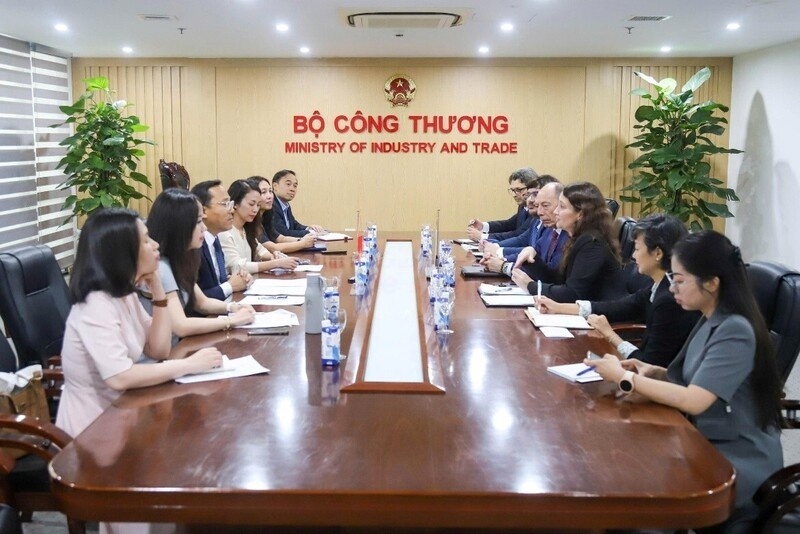 |
| The working session between Vietnamese and Uruguayan officials in Hanoi on August 19. Photo: moit.gov.vn |
On August 19 in Hanoi, Deputy Minister of Industry and Trade Nguyen Hoang Long met with Uruguayan Deputy Foreign Minister Valeria Csukasi to discuss bilateral trade and investment. The talks centred on paving the way for free trade agreement (FTA) negotiations between Vietnam and MERCOSUR and expanding market access for key products.
MERCOSUR, comprising Brazil, Argentina, Uruguay, and Paraguay, is the fifth-largest economic bloc globally. For Vietnam, an export-driven economy seeking to diversify markets, MERCOSUR represents a vast and largely untapped region. Domestic products such as textiles, footwear, electronics, seafood, and handicrafts could gain wider access, while MERCOSUR members could expand exports of timber, dairy, pharmaceuticals, and agricultural commodities to Vietnam’s fast-growing consumer base.
Deputy Minister Long underlined the importance of formally starting the FTA process. "The negotiation and signing of a Vietnam–MERCOSUR FTA would be of great benefit, boosting trade and investment between Vietnam and bloc members, including Uruguay," he said. The agreement is expected to reduce tariffs while building frameworks for cooperation in manufacturing, renewable energy, and supply chain resilience.
For Uruguay, the interest is equally strong. Deputy Minister Csukasi emphasised that Vietnam is a priority partner for Uruguay in Asia. She welcomed MoIT’s role in supporting business connectivity and pledged Uruguay’s full support for initiating FTA negotiations, committing to coordinate closely with other MERCOSUR members to move forward.
Trade between the two countries has already shown solid momentum. In 2024, bilateral trade reached $170 million, up over 35 per cent on-year. Vietnam exported $110 million worth of goods last year, led by footwear, garments, electronics, seafood, and handicrafts, while imports from Uruguay reached $60 million, mainly timber, raw materials, dairy, pharmaceuticals, and animal feed. In the first seven months of 2025, two-way trade surged further to $121 million, nearly 89 per cent higher than the same period last year. Exports from Vietnam rose 46 per cent to $67.6 million, while imports from Uruguay soared 195 per cent to $54 million.
Such growth highlights the dynamism of bilateral trade but also its limitations. The structure remains narrow, with Vietnam primarily selling consumer goods and importing raw materials. An agreement with MERCOSUR could significantly broaden this base, enabling Vietnamese firms to deepen their reach into Latin America while providing South American exporters with easier access to the ASEAN market of 650 million people.
Both sides agreed to keep dialogue active and to encourage their business communities to explore opportunities through trade promotion activities, fairs, and market surveys. These initiatives aim to ensure that potential tariff benefits translate into real commercial deals.
The strategic importance is clear. MERCOSUR is home to more than 260 million people, with a GDP of around $2.5 trillion. It is a key supplier of agricultural and industrial goods and a market where demand for consumer products continues to expand. For Vietnam, which already benefits from major trade pacts like the Comprehensive and Progressive Agreement for Trans-Pacific Partnership, EU–Vietnam Free Trade Agreement, and Regional Comprehensive Economic Partnership, an agreement with MERCOSUR would add a crucial link to its global trade network.
Negotiating with a diverse bloc will not be without challenges, as agricultural sensitivities and regulatory standards vary among MERCOSUR members. For Vietnam, ensuring that small and medium-sized enterprises can benefit from new market access will also be essential. But both governments appear committed to navigating these complexities in pursuit of greater economic resilience.
What the stars mean:
★ Poor ★ ★ Promising ★★★ Good ★★★★ Very good ★★★★★ Exceptional
 Tag:
Tag:Related Contents

Latest News



More News
- Expanding education partnerships to drive mutual growth (October 06, 2026 | 16:04)
- VTG 2026 to showcase textile and footwear innovation in Ho Chi Minh City (October 06, 2026 | 16:00)
- Infineon boosts Vietnam footprint with Ho Chi Minh City office (October 06, 2026 | 10:02)
- Vietnam Customs expands priority enterprise scheme to 74 firms (October 03, 2026 | 08:00)
- ASL Law opens Danang office (October 02, 2026 | 22:12)
- Project ACTIVE 2.0 launches in Vietnam to boost cervical cancer care (October 02, 2026 | 22:02)
- Vietnam launches first embodied AI conference to advance robotics ecosystem (October 02, 2026 | 17:00)
- DKSH Performance Materials – A trusted partner in Vietnam’s evolving personal care landscape (October 02, 2026 | 14:28)
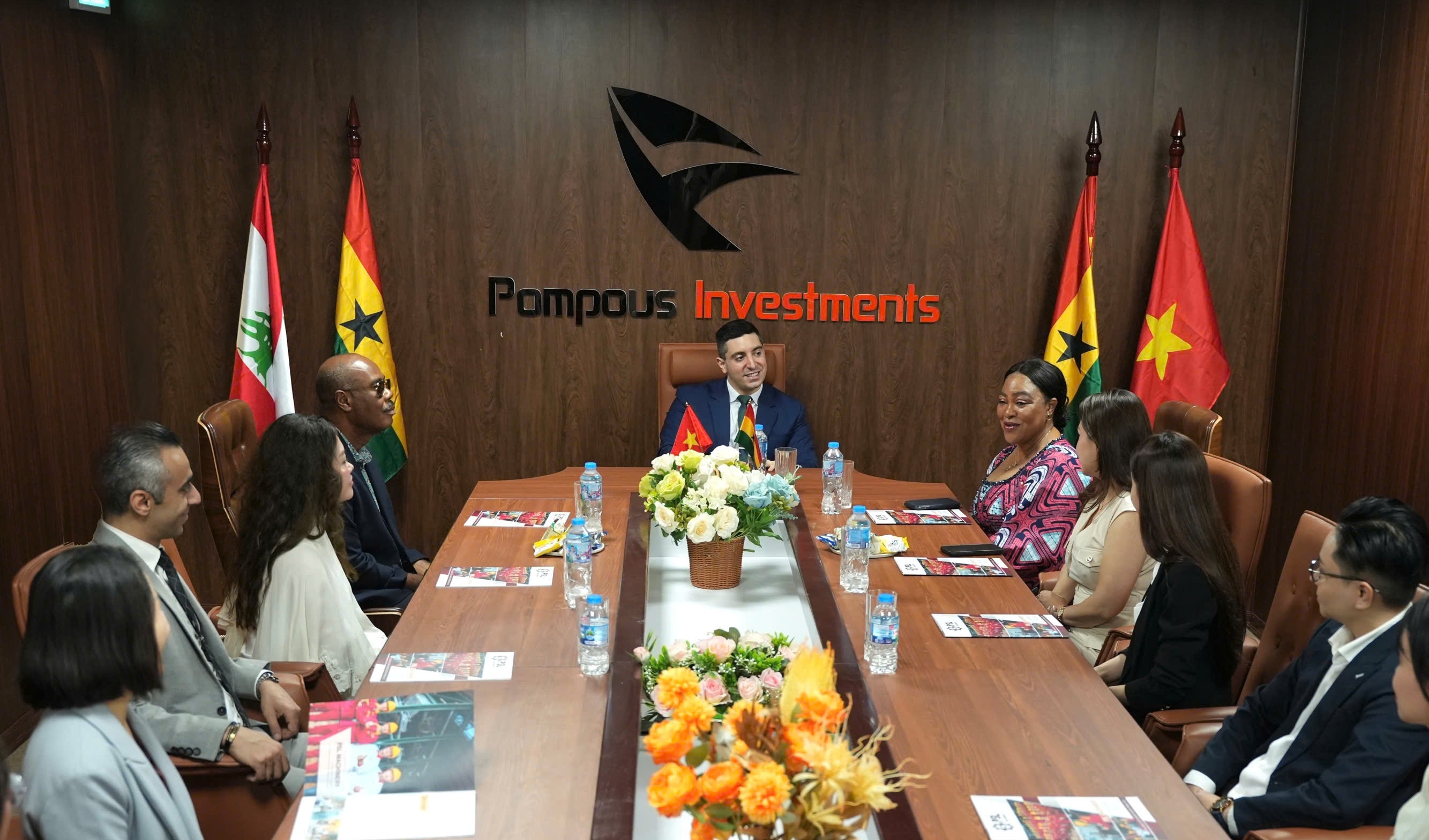
- Ghanaian delegation reviews PSL Machinery’s cashew factory-management and implementation roadmap (October 02, 2026 | 10:18)
- People living with chronic kidney disease and diabetes should be aware of infectious disease risks (September 30, 2026 | 18:00)


Latest News



 Mobile Version