
Voluntary Sustainability Standards: From compliance burden to competitive advantage

While these standards aim to encourage responsible production and fair trade, many Vietnamese businesses – especially small- and medium-sized enterprises (SMEs) – view them as complex and costly conditions set by foreign buyers, creating new challenges in maintaining competitiveness and market access.
Bui Khanh Tung, deputy director of the Centre for Organic Agriculture Development Support under the Vietnam Organic Agriculture Association, said, "This perception, while understandable, misses the broader economic and strategic implications of VSS compliance."
“Meeting VSS is not merely about satisfying export regulations,” Tung explained. “It is an investment in the long-term competitiveness of enterprises, one that strengthens trust, opens access to high-value markets, and contributes to sustainable livelihoods for producers.”
In recent years, Vietnam’s agricultural exports have faced increasing scrutiny from international markets, where certifications such as GlobalG.A.P., Fairtrade, or Rainforest Alliance are no longer optional but essential. For many Vietnamese SMEs, particularly those in coffee, tea, and spice sectors, VSS compliance has often been viewed as a financial burden rather than a strategic opportunity.
However, according to Tung, this perspective is gradually shifting. “When enterprises invest in sustainability certification, they are not just buying a label,” he noted. “They are improving production processes, enhancing efficiency, reducing waste, and building credibility with consumers and global partners.”
Indeed, global studies have shown that businesses adopting sustainability standards often experience measurable benefits, including reduced production risks, higher prices for certified products, and increased brand recognition.
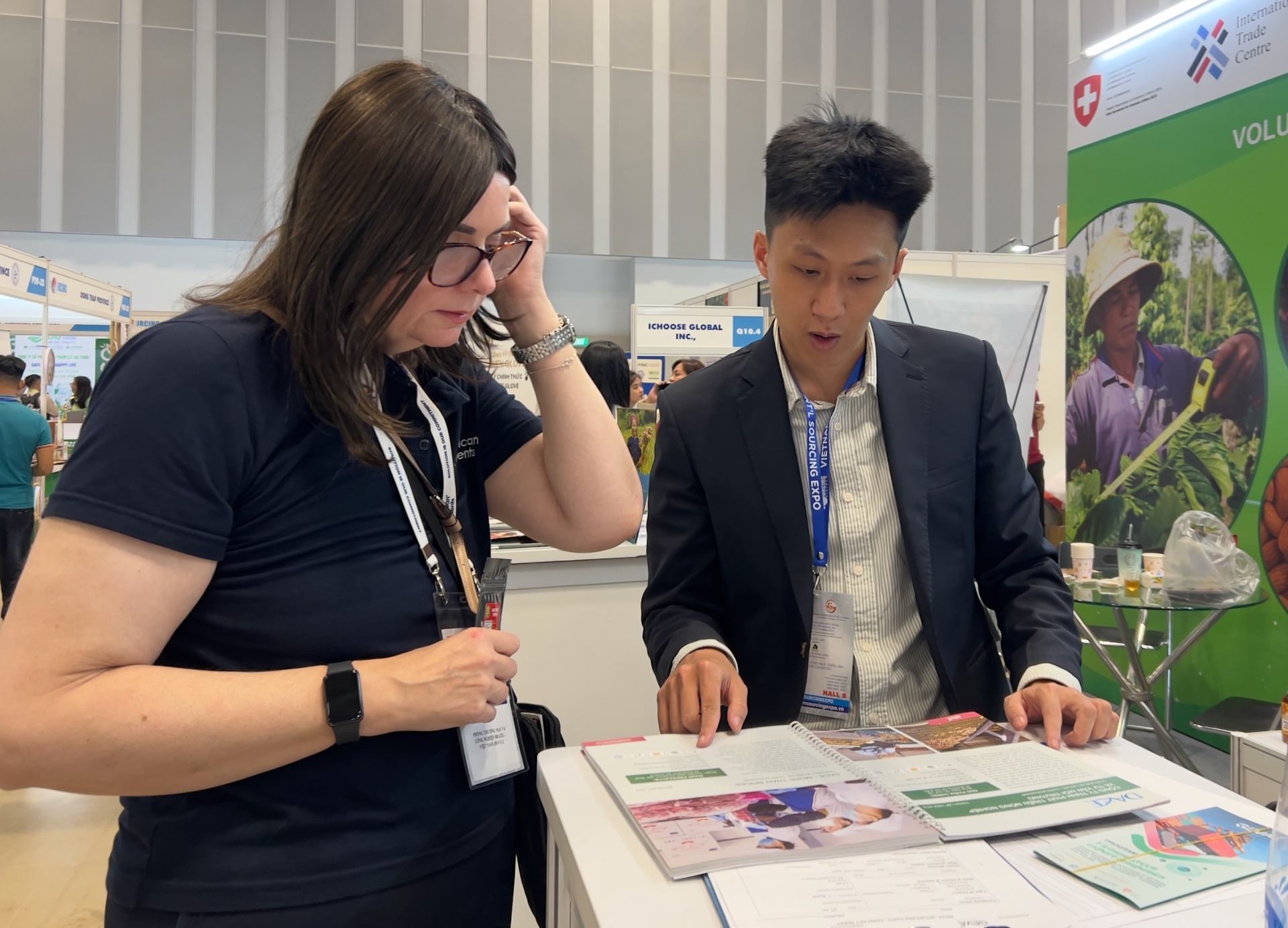 |
Despite these potential advantages, implementing VSS remains challenging for most local enterprises. The cost of certification, lack of technical expertise, and limited awareness among smallholder farmers continue to hinder broader adoption.
Vietnam’s agricultural system is dominated by small-scale producers who rely heavily on traditional methods. For them, the idea of meeting international sustainability standards can be intimidating. The process often requires restructuring production, documenting practices, and maintaining traceability systems – tasks that demand financial resources and organisational capacity beyond the reach of many farmers.
“Capacity building and coordinated support from both the government and the private sector are crucial,” Tung stressed. “If we expect farmers and small businesses to adopt VSS, they need more than encouragement – they need practical tools, technical guidance, and market linkages.”
As the global demand for sustainably sourced products continues to rise, the economic rationale for adopting VSS is becoming more apparent. Large international retailers are integrating sustainability criteria into their procurement policies, and multinational brands are tightening requirements for suppliers.
In this context, Vietnamese enterprises that proactively integrate sustainability into their operations are better positioned to maintain and expand market access. Beyond export growth, compliance with VSS can also help mitigate reputational risks and attract impact-oriented investors who prioritise environmental, social, and governance performance.
“VSS certification helps transform sustainability from a cost factor into a growth driver,” Tung remarked. “When enterprises see sustainability as a core business value, not an external obligation, they start unlocking real economic benefits.”
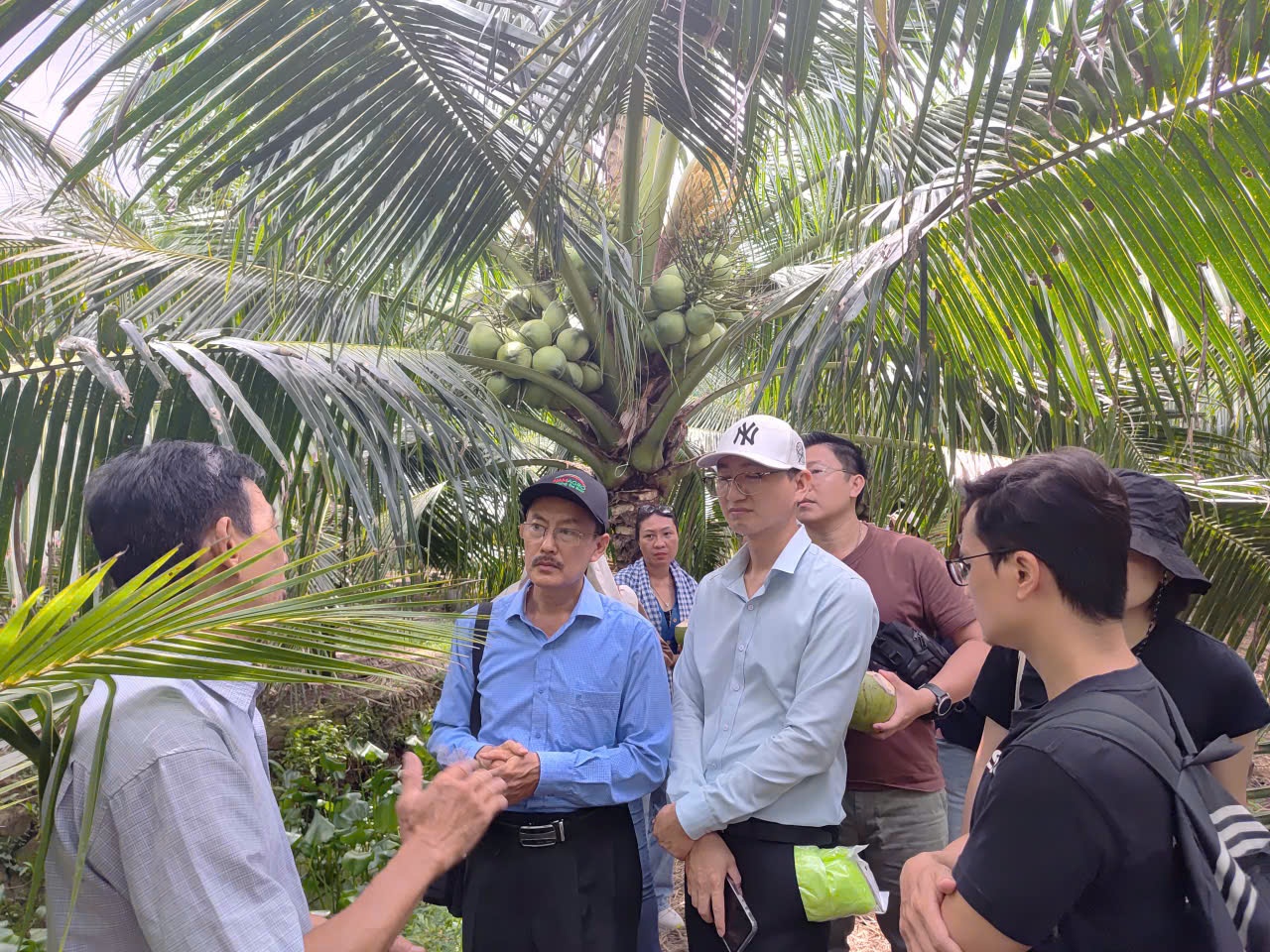 |
To accelerate adoption, experts agree that policy alignment, financial incentives, and capacity-building programmes are essential. Collaboration between government agencies, business associations, and certification bodies can help create a more supportive ecosystem for sustainable production.
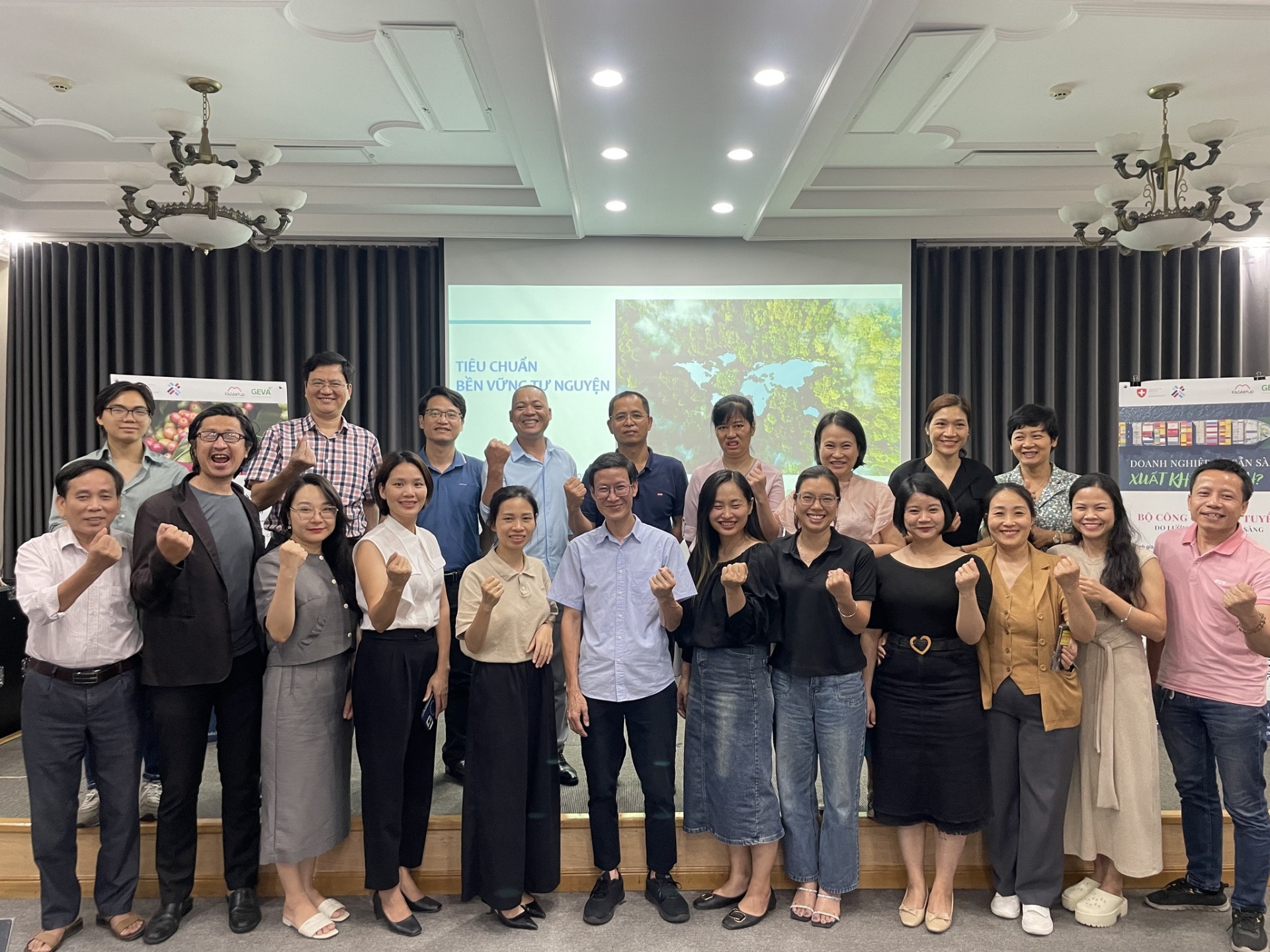
The path forward requires balancing global market expectations with local realities. As Tung concluded, “Sustainability standards should not be seen as foreign impositions but as shared goals. They represent a chance for Vietnam’s producers to participate more actively and confidently in global value chains.”
 |
For Vietnam, embracing VSS is more than a compliance issue – it is a strategic choice aligned with the nation’s green growth vision. By reframing VSS adoption as a pathway to competitiveness, Vietnamese companies can not only enhance their global market position but also contribute to a more resilient and responsible agricultural economy.
 | Meeting sustainable standards can boost EU access Engaging in Voluntary Sustainability Standards (VSS) offers Vietnamese businesses a greater impetus to achieve sustainable development objectives linked to competition and transnational accountability. |
 | Voluntary Sustainability Standards redefining the future of Vietnam’s green exports Voluntary Sustainability Standards (VSS) may carry the word “voluntary”, but for Vietnamese exporters, they are increasingly far from optional. |
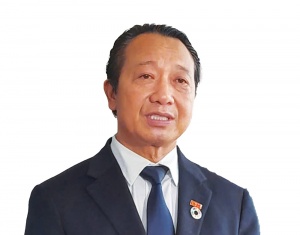 | The sustainable goals to deliver new value for society As Vietnam deepens its international integration, sustainable development has become a mandatory requirement for enterprises. Nguyen Quang Vinh, vice chairman of the Vietnam Chamber of Commerce and Industry and chairman of the Vietnam Business Council for Sustainable Development, spoke with VIR’s Nguyen Thu about the role of enterprises in driving sustainable growth. |
What the stars mean:
★ Poor ★ ★ Promising ★★★ Good ★★★★ Very good ★★★★★ Exceptional
 Tag:
Tag:
Related Contents

Latest News




More News
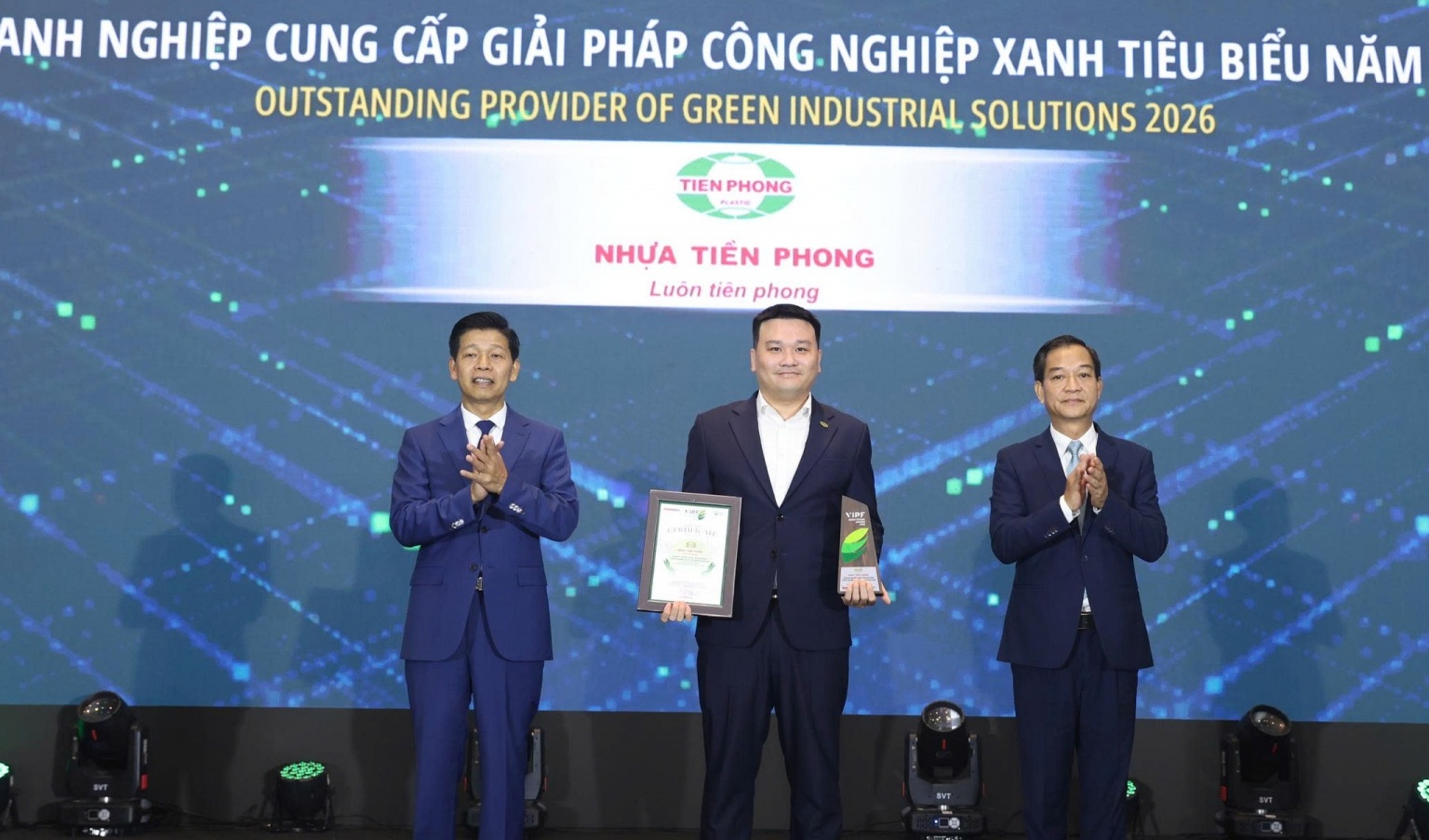
- KN Holdings honoured for ESG efforts in Vietnam (October 18, 2026 | 11:00)
- APEA 2026 Vietnam honours 65 outstanding leaders and enterprises (October 17, 2026 | 10:00)
- MEXC highlights AI-driven trading and broader market access at TOKEN2049 (October 17, 2026 | 09:00)
- EuroCham confidence index holds at 78.3 despite operational hurdles (October 16, 2026 | 17:27)
- Shrimp and rice firms face rising standards in export markets (October 16, 2026 | 09:00)
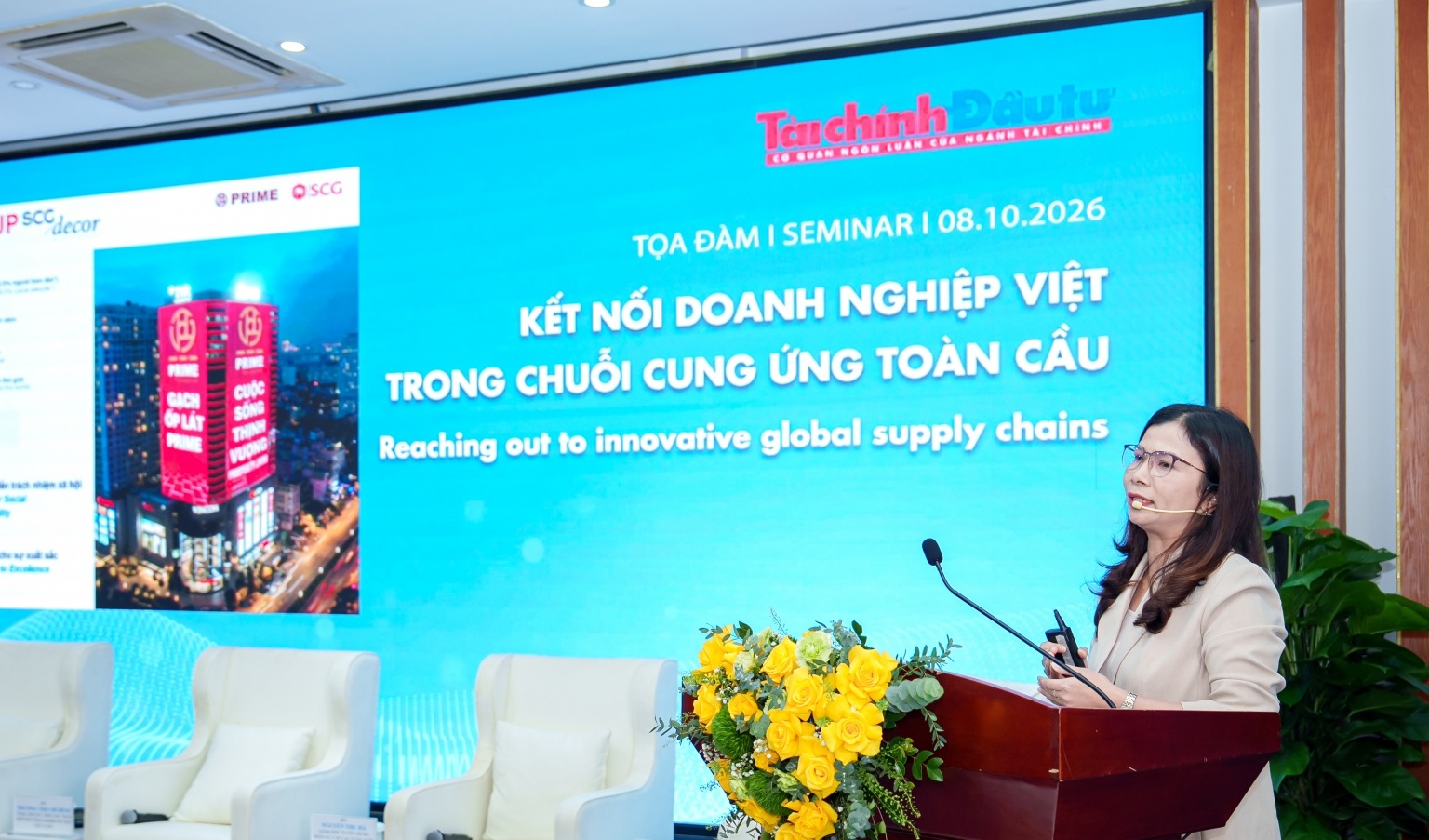
- SCG and Prime Group add value to the ecosystem (October 15, 2026 | 15:55)
- Project readiness key to unlocking green finance (October 15, 2026 | 12:35)
- Sovereign AI and human oversight key to secure digital government (October 15, 2026 | 12:32)
- MEXC Ventures partners with Corelia Academy: Bringing digital asset education closer to Vietnamese students (October 15, 2026 | 09:00)
- Global design expertise meets a more sophisticated Vietnam market (October 15, 2026 | 09:00)









 Mobile Version