
Sidecar passion drives Vietnamese motor enthusiasts wild

For many Vietnamese, the image of three-wheeled sidecars is tied to memories of war and hardship. Once appearing in films, military convoys, and on dusty old roads, these machines seem destined for oblivion. Yet, as society has transformed, sidecars have been revived in an entirely new guise, marking the return of a bygone glory.
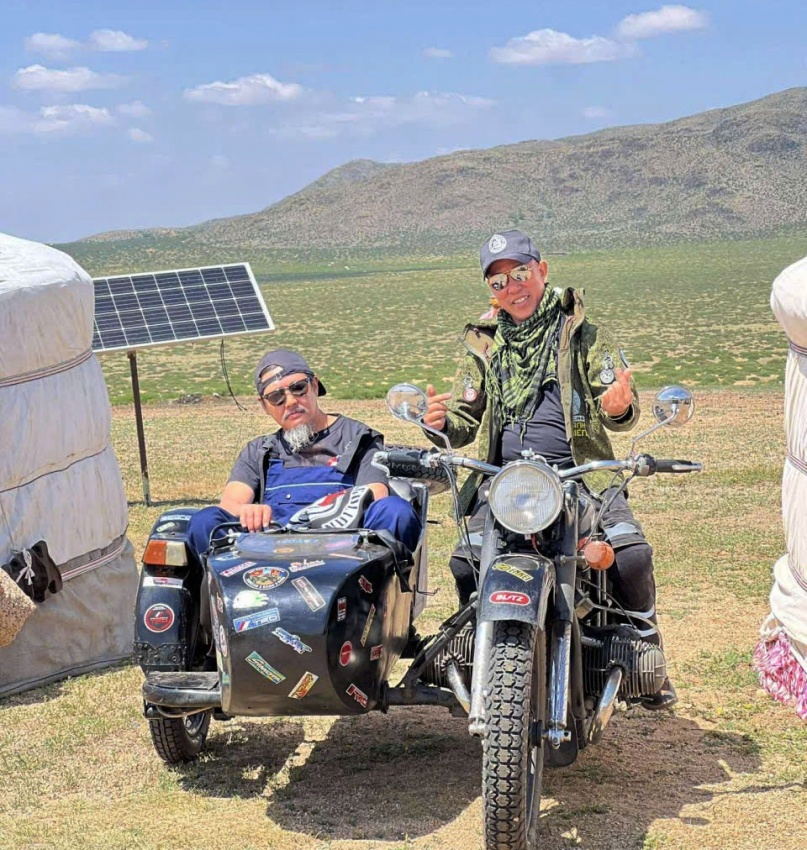 |
Sidecars differ from conventional large-displacement motorcycles. The addition of a side-mounted carriage creates a rugged, unconventional look that exudes both nostalgia and adventure. To sit behind the handlebars is not just to drive, but to steer a “piece of history,” a lifestyle where memory and individuality converge.
Over the past decade, Vietnam has witnessed the gradual rise of its sidecar community. Initially, only a handful of enthusiasts collected vintage models from the Soviet Union, Eastern Europe, or China, such as Ural, Dnepr, and Changjiang. Over time, the movement has expanded alongside motorcycle clubs, touring groups, and vintage vehicle collectors.
What makes sidecars captivating is their ability to combine retro charm with modern distinctiveness. At parades or gatherings, their presence always turns heads, reviving the rugged beauty of past decades.
Vietnamese enthusiasts often personalise their rides: some preserve the original design, while others add modern upgrades such as enhanced engines, braking systems, or artistic paintwork. This creativity has infused the community with vibrancy and diversity, making each machine a reflection of its owner's personality.
More than a machine – a way of life
Mastering a sidecar is no easy feat. Its unique handling requires special techniques: cornering is unlike that of two-wheelers, weight distribution demands care, and steering feels heavy. Yet, for enthusiasts, these challenges add to the thrill, testing skill and perseverance.
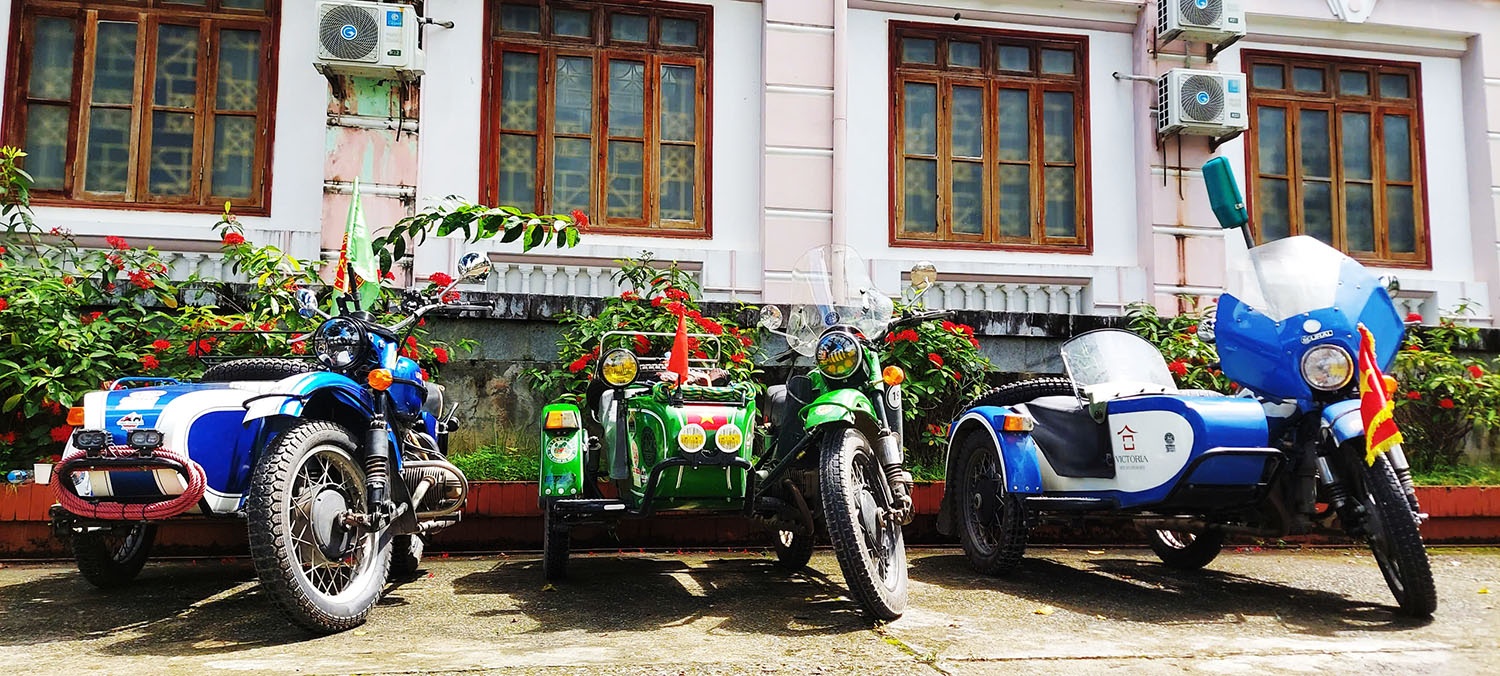 |
| Some travel companies even offer sidecar tours, allowing visitors to explore Hanoi's Old Quarter, Ho Chi Minh City, or scenic highlands and coastlines from the unique vantage of a sidecar seat |
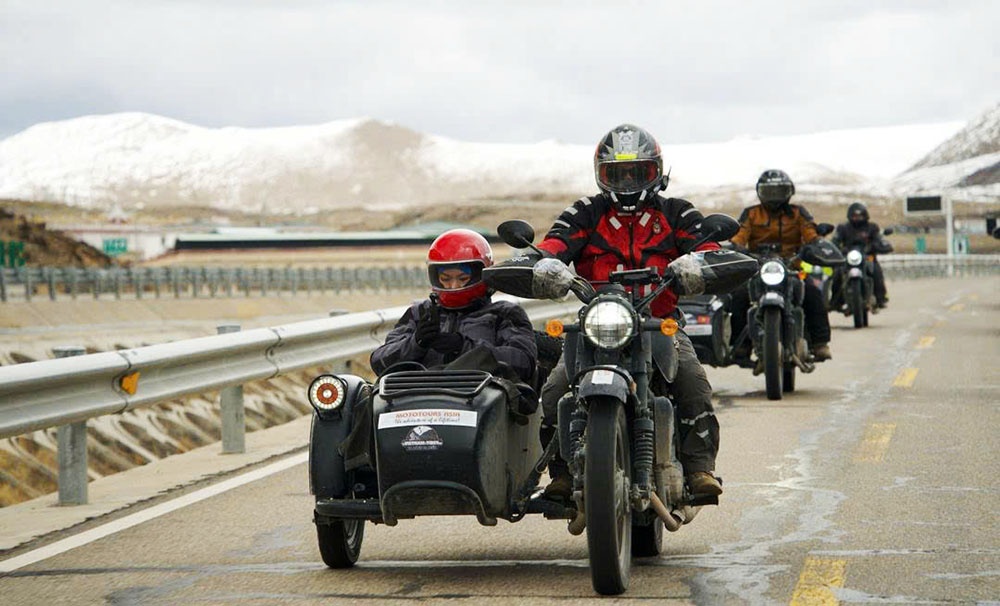
For many, a sidecar is more companion than vehicle. The carriage often carries friends, family, or luggage on cross-country journeys. Couples riding through mountain passes or along white-sand coastlines on weathered sidecars have become iconic images, inspiring photography, films, and a freer way of life.
Sidecars also embody a sense of pride in preservation. To maintain a vintage sidecar is to preserve a piece of history, a tangible reminder of an era now past. These machines are more than mechanical objects; they are testifying to a heroic time, revived through passion and dedication.
Despite its charm, the pursuit of sidecars comes with obstacles. Authentic models are rare in Vietnam, often requiring costly imports or painstaking restorations of old machines. Maintenance is demanding: outdated engines and scarce spare parts require both technical expertise and deep devotion.
Legal and regulatory barriers add to the difficulty. Not all sidecars are easily registered for road use, and navigating paperwork can be costly and time-consuming. Nevertheless, enthusiasm persists, driven by a passion that outweighs the challenges.
 |
Looking ahead
Sidecars currently have moved beyond nostalgia to claim a place in Vietnam's motor culture. Many cafes, studios, and homestays proudly display them as retro icons. Some travel companies even offer sidecar tours, allowing visitors to explore Hanoi's Old Quarter, Ho Chi Minh City, or scenic highlands and coastlines from the unique vantage of a sidecar seat.
Increasingly, sidecars are being recognised as cultural symbols: vintage yet free-spirited, nostalgic yet boldly individual. For those who love motorcycles, value distinctiveness, and seek freedom, sidecars remain an irreplaceable choice.
The sidecar passion in Vietnam is a rare blend of speed, history, and freedom. Quiet yet powerful, it offers a way for enthusiasts to express identity while honouring the past. Every sidecar rolling down Vietnam's roads carries not only its riders, but also a spirit of adventure, vitality, and cultural pride.
 | Used motorcycle trading platform OKXE raises $14.5 million in Series A funding OKXE, a Vietnam-based used motorcycle platform, in July successfully closed its Series A funding round, raising approximately $14.5 million. |
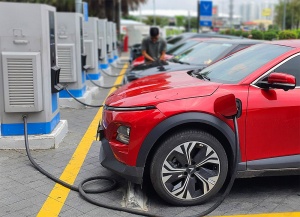 | E-bike players prepare for transition Vietnam's electric motorbike market is entering a period of fierce competition and policy-driven transition, as major players like Honda and Yamaha unveil new models in response to stricter urban emission controls and shifting consumer preferences. |
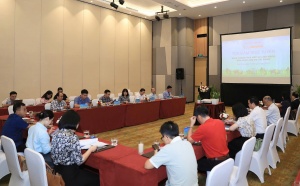 | Integrated and seamless transportation - the solution for green cities Policymakers, businesses, and experts have gathered in Hanoi to discuss integrated and seamless transportation solutions to develop green cities. |
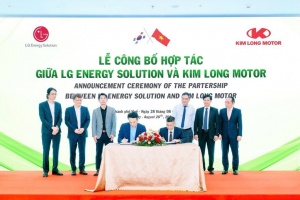 | Kim Long Motor inks battery supply deal with LG Energy Solution Kim Long Motor Hue JSC and LG Energy Solution, the world's leading battery company, signed an MoU on for supply of battery cells on August 28. |
 | Insurers struggle to keep pace with EV rapid adoption As electric vehicle adoption accelerates in Vietnam, insurers face rising claims and data shortages – raising urgent questions about pricing, policies, and market readiness. |
What the stars mean:
★ Poor ★ ★ Promising ★★★ Good ★★★★ Very good ★★★★★ Exceptional
 Tag:
Tag:Related Contents





Latest News

More News
- Russian and Indian tourists drive international arrivals (September 08, 2026 | 09:03)
- Beaches drive Vietnam’s domestic tourism boom (August 20, 2026 | 12:07)
- Spalba makes foray into Vietnamese market (August 20, 2026 | 09:41)
- CAAV signs deal with Turkey to strengthen aviation cooperation (August 10, 2026 | 15:15)
- Major Asian airlines survey Long Thanh International Airport (August 10, 2026 | 08:51)
- Vietnam ranks in top four Asian destinations for European tourists (August 07, 2026 | 08:00)
- Vietnam's commercial aircraft fleet expands to 251 planes (August 03, 2026 | 23:13)
- LOT Polish Airlines is set to launch Warsaw–Hanoi route (July 31, 2026 | 11:22)
- Vietnam tops Saudi tourists' summer holiday searches (July 30, 2026 | 12:41)
- Ninh Binh province steps up mission to acquire UNESCO landscape nomination (July 17, 2026 | 14:02)








 Mobile Version