
Lighting the path: how education fuels Vietnam’s climate resilience

Education is considered the engine of agency, the spark of innovation, and the source of enduring change for the youth during the process of adaptation to climate change.
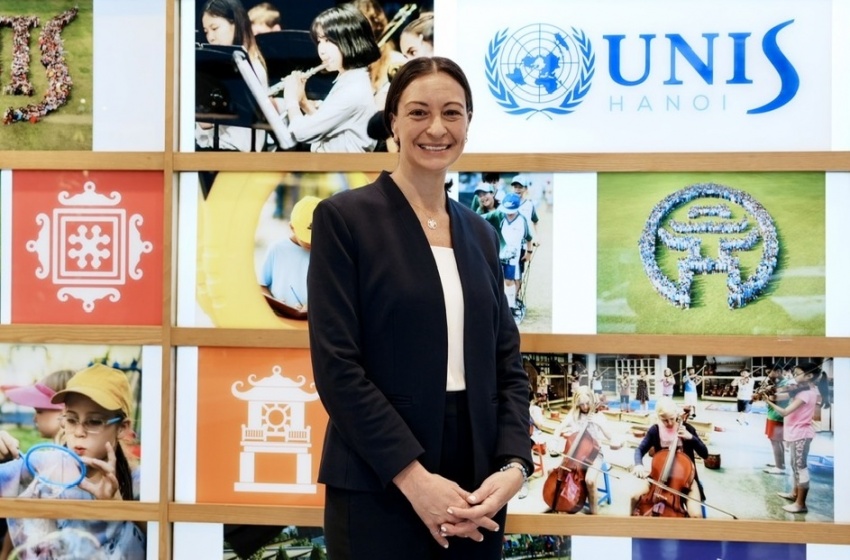 |
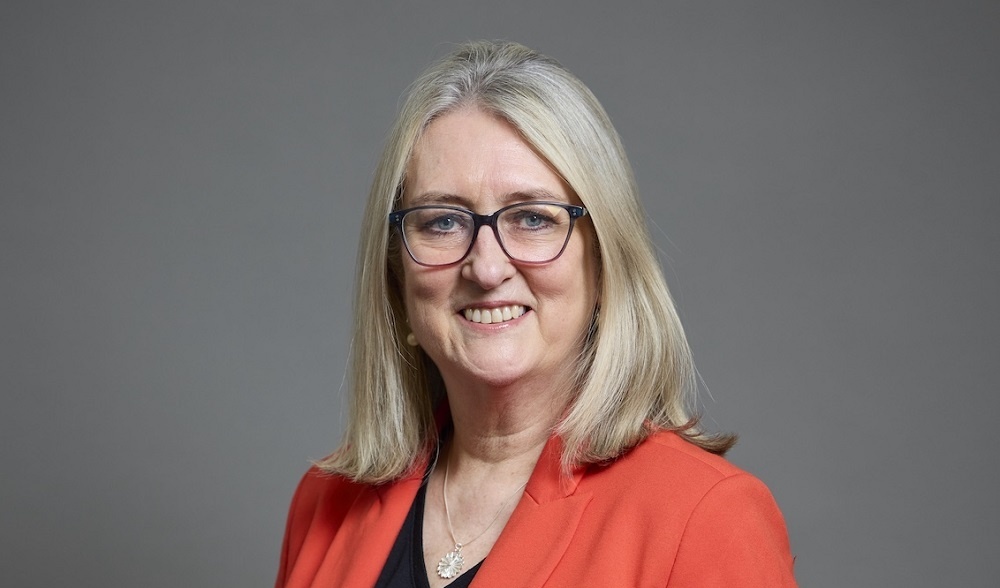
| Dr. Elizabeth Gale, head of school at UNIS Hanoi |
When I look at our students, I see a generation poised to inherit not only the challenges of a changing climate but also the profound opportunity to lead us towards a more sustainable future. Here in Vietnam, a nation of remarkable resilience and beauty, the realities of climate change are not a distant forecast; they are a present-day reality, shaping lives, livelihoods, and landscapes. Vietnam's journey on SDG 13: Climate Action is a story of bold ambition, and it strengthens a truth we hold dear: that education is the single most powerful catalyst for turning that ambition into lasting change.
Vietnam has firmly committed to a resilient, low-carbon future. The nation's pledge to achieve net-zero emissions by 2050 is not just a statement; it is a comprehensive strategy woven into the fabric of national development, from green growth initiatives to the landmark Power Development Plan VIII. Partnerships like the Just Energy Transition Partnership (JETP) signal a clear alignment with global expectations, channelling international support to accelerate Vietnam's clean energy transition.
These policy frameworks are the essential architecture of progress. Yet, we know that true transformation is not forged in policy documents alone. It is built on the ground, in our communities, and most importantly, in our classrooms. The real test lies in translating these national goals into local action, a complex task where the support of partners like the United Nations is indispensable.
This is where the power of education truly ignites.
Often considered a “soft tool” in climate action, education is, in fact, our most vital and foundational one. When we empower our young people with knowledge, we equip them to understand the world. When we provide them with opportunities for hands-on, experiential learning, we empower them to change the world. A recent United Nations Development Programme report confirms this, revealing that Vietnamese youth are not just hungry for information; they are demanding opportunities to lead through school projects, climate clubs, and community engagement.
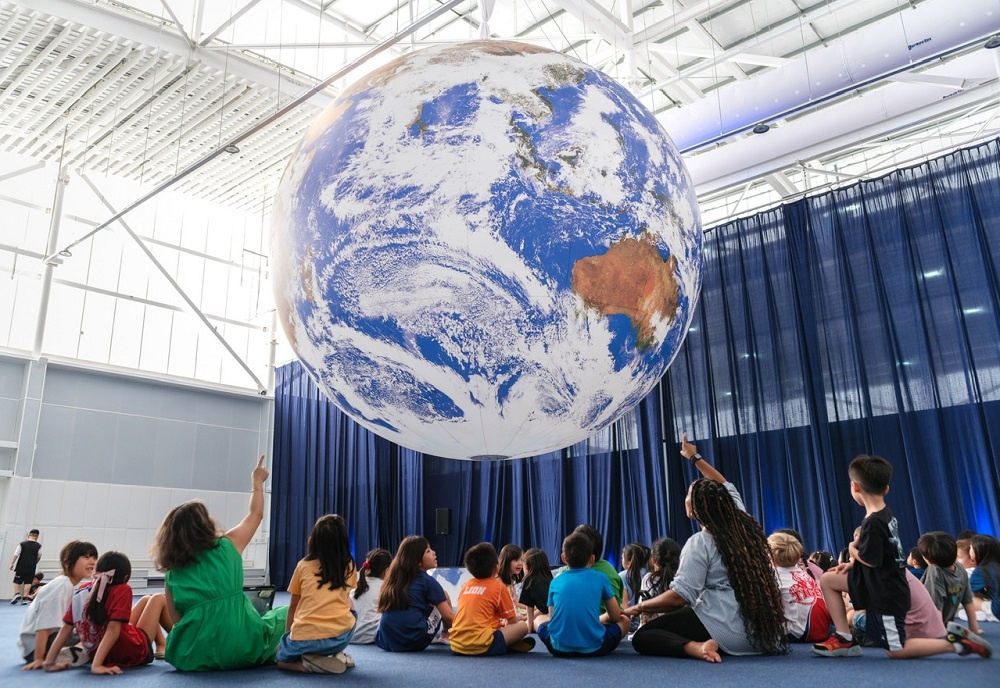 |
This is the philosophy that animates our work at UNIS Hanoi. It is why we felt a profound responsibility to bring Luke Jerram's awe-inspiring art installation, Gaia, to Vietnam in October for the very first time. Paired with our own student-led SDG Experience, Gaia became more than just an exhibition; it became an immersive classroom for thousands of children and adults across Hanoi.
While the scale of this three-week endeavour was remarkable, encompassing over 110 tours and 30 community events, our true purpose was never about the numbers. It was about creating a single, shared moment of reflection. Our goal was to spark a powerful and lasting catalyst for sustainability education, one that reminds us all of our profound interconnectedness and our shared responsibility to care for our one precious home.
This commitment extends beyond a single event. It is embodied by the student leaders of our Solar Panel Project, a bold initiative positioning our school to become one of Vietnam's largest fully solar-powered campuses. It is seen in the hands-on learning happening at our Sustainability Centre and in our student-led circular economy that has transformed our waste management. And it is celebrated in our Garden of Philanthropy, a living symbol of Vietnam's biodiversity, where each graduating class literally plants roots in the soil of this nation, leaving a legacy for future generations.
Climate resilience will not arrive all at once; it will be built step by step through informed choices and consistent practice. Vietnam's national direction is set. Our responsibility, as educators, families, and leaders, is to ensure every learner has the knowledge, confidence, and moral purpose to walk that path and widen it for others. That is the urgent mission of education now: to turn understanding into stewardship, and stewardship into impact that lasts.
 | Oxford deepens Vietnam partnerships in healthcare, education, aviation The University of Oxford has strengthened ties with Vietnam through new partnerships in healthcare, education, and sustainable aviation. |
 | Nestlé expands support for education and active lifestyles in Vietnam Nestlé Vietnam has launched a nutrition education scheme to encourage healthy lifestyles and support student development in primary schools. |
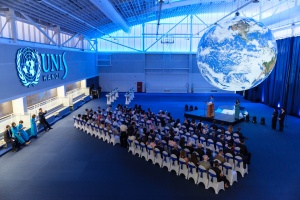 | World-famous Gaia Earth installation touches down at UNIS Hanoi The internationally acclaimed Gaia installation by British artist Luke Jerram will make its first school appearance in Asia when it is unveiled at the United Nations International School of Hanoi (UNIS Hanoi) on October 7. |
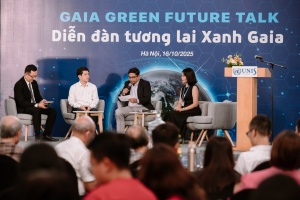 | UNIS Hanoi empowers youth to drive Vietnam's green transformation The Gaia Green Future Talk brought together, industry leaders, and young innovators to explore how Vietnam's next generation can drive the green transition through innovation and collaboration. |
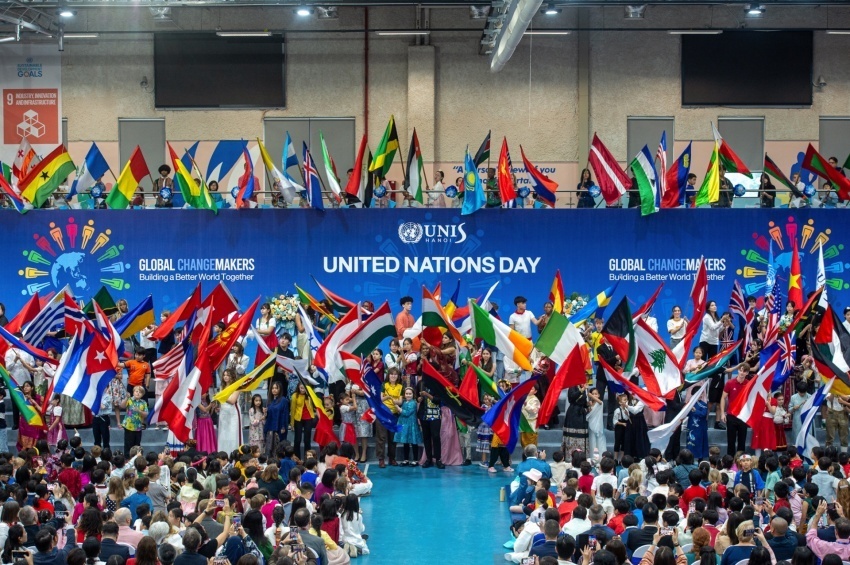
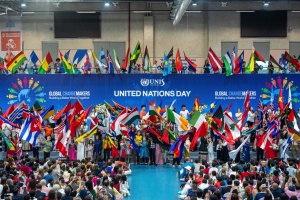 | UNIS Hanoi marks UN Day with 3,000-strong celebration The United Nations International School of Hanoi (UNIS Hanoi), one of only two UN-affiliated schools in the world, marked UN Day with a celebration reflecting peace, diversity, and partnerships. |
What the stars mean:
★ Poor ★ ★ Promising ★★★ Good ★★★★ Very good ★★★★★ Exceptional
 Tag:
Tag:Related Contents

Latest News


More News
- GreenYellow and Vina Paper partner on rooftop solar project (October 05, 2026 | 09:00)
- Consultation workshop refines Vietnam's clean hydrogen strategy (October 04, 2026 | 08:00)
- JBIC considers new financing options for Vietnam’s energy projects (October 03, 2026 | 08:00)
- Vestas to supply 16 turbines for two new Vietnam wind farms (October 01, 2026 | 07:00)
- Inter-sectoral cooperation on Montreal protocol (September 30, 2026 | 17:20)
- EV battery recycling rate proposed at 8 per cent from 2029 (September 29, 2026 | 16:00)
- Bankability remains hurdle for Vietnam's JETP projects (September 29, 2026 | 12:08)
- Binh Minh Plastics extends clean water project to border communities (September 29, 2026 | 10:57)
- Coca-Cola Vietnam expands packaging collection programme (September 25, 2026 | 08:15)
- Pacifico Energy secures sea survey licence for offshore wind project in Lam Dong (September 24, 2026 | 18:02)








 Mobile Version