
HORECA helps Vietnamese products enter high-quality supply chains

HORECA refers to the hotel, restaurant and catering sector, a distribution channel for a wide range of products, from furniture and technological equipment to cooking ingredients and alcoholic beverages.
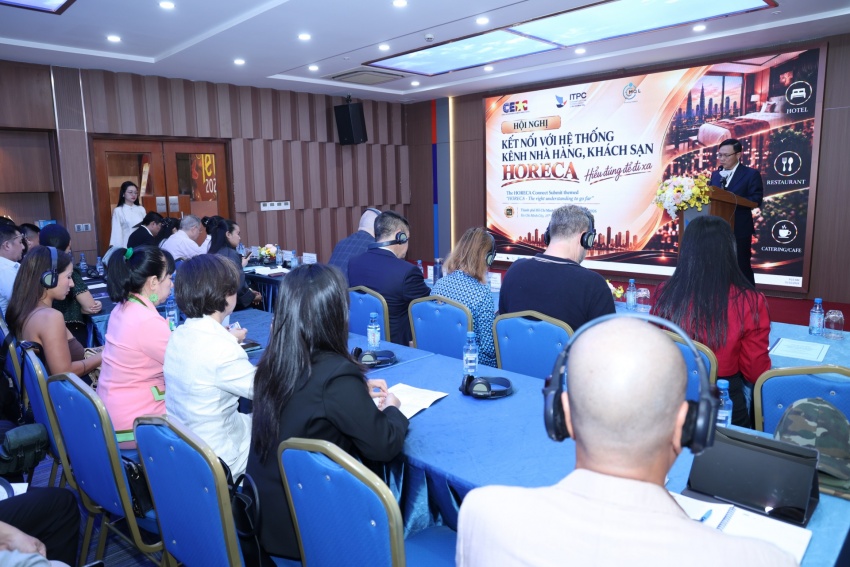 |
| “HORECA – Understanding the Market to Go Further” held on October 15 in Ho Chi Minh City. Photo: ITPC |
The conference aimed at helping businesses understand the standards required to enter high-quality supply chains, while enabling hotel and restaurant operators to identify suitable suppliers.
The recovery of tourism, the expansion of hotel, restaurant, café and food and beverage chains, and rising demand for higher-quality experiences are creating new opportunities for Vietnam’s HORECA market. The channel offers significant potential for domestic agricultural produce, processed foods, beverages, and consumer goods.
Le Anh Hoang, deputy director of the Investment and Trade Promotion Centre of Ho Chi Minh City (ITPC), said that, driven by tourism growth and the expansion of the middle class, HORECA was gradually emerging as an important distribution channel with significant potential, alongside traditional retail and e-commerce.
“This trend is expanding beyond major economic centres such as Ho Chi Minh City and Hanoi into localities with tourism advantages, creating more market access opportunities for domestic agricultural produce, processed foods, beverages, consumer goods, and operational services,” Hoang said.
However, Hoang also highlighted the practical requirements facing domestic producers, noting that offering good products alone was not enough to gain a stronger foothold in the HORECA channel.
“This segment demands high standards in product consistency, long-term supply reliability, dependable delivery capabilities, and professional after-sales services. Gaining access to and meeting the requirements of hotel networks, restaurants, and premium dining chains will be an important measure of Vietnamese small and medium-sized enterprises’ ability to meet increasingly stringent standards,” he said.
According to Miquel Angel, a hospitality industry expert and founder of MQL Sustainable Tourism Services, the role of public-private partnerships in bridging connectivity gaps across the sector in recent years was critical.
“Within the closely integrated value chain linking hotels, restaurants, cafés, and catering services with the broader supply chain, HORECA provides a favourable environment for Vietnamese businesses to strengthen their market position and raise brand awareness. In particular, the development of a modern HORECA ecosystem is not driven solely by commercial capabilities, but is also closely linked to sustainability standards, encouraging businesses to adopt waste management practices, conserve resources and protect the environment,” Angel said.
To maximise the benefits of the conference, Angel encouraged businesses to seize opportunities for direct networking and participate in B2B matchmaking sessions at the event.
“Alongside keeping up to date with emerging industry trends, a key factor in achieving tangible business benefits is the ability to translate the solutions and insights gained at the conference into practical action in operations and supply chain management,” he said.
Vo Phuong Vy, HORECA specialist sales manager of Passion Gourmet Food Asia, said HORECA was an ecosystem that created value and experiences for end customers, rather than simply a channel for selling goods.
“Suppliers need to understand the roles of different departments within hotel and restaurant operations. Chefs focus on quality and preparation efficiency; procurement teams prioritise pricing and commercial terms; cost control teams monitor ingredient usage and consumption standards, while management focuses on overall profit margins,” Vy said.
“Businesses therefore need to identify their partners’ specific needs, demonstrate their products’ practical benefits and offer solutions that fit existing operational processes. Simply sending product catalogues without explaining how the products can be applied in practice will limit their ability to persuade potential customers,” she said.
Drawing on her experience in the food-service industry, Vy also highlighted several common shortcomings among suppliers, including competing primarily on price, failing to provide solutions tailored to kitchen operations, lacking customer retention plans, and failing to balance sales growth with profitability and cash flow.
Nguyen Thi Mai Phuong, country director of Basilur Tea in Vietnam, said businesses needed to shift from selling products to providing solutions to capitalise on opportunities.
“Misconceptions that HORECA is reserved for large businesses, that low prices are the main competitive advantage, and that securing a contract automatically constitutes success can cause suppliers to miss opportunities. In reality, different hotel and restaurant segments have their own budgets and requirements, allowing businesses to target markets that match their capabilities,” Phuong said.
Phuong advised suppliers to understand each partner’s operating model rather than simply sending product catalogues and price lists. The requirements for serving tea at a luxury hotel, for example, may differ from those of a restaurant or a mid-sized service chain.
Conversely, procurement teams should share quality standards, budget plans and demand forecasts to help suppliers prepare their stock and ensure reliable supply. Transparency enables both sides to build more appropriate, stable and effective partnerships.
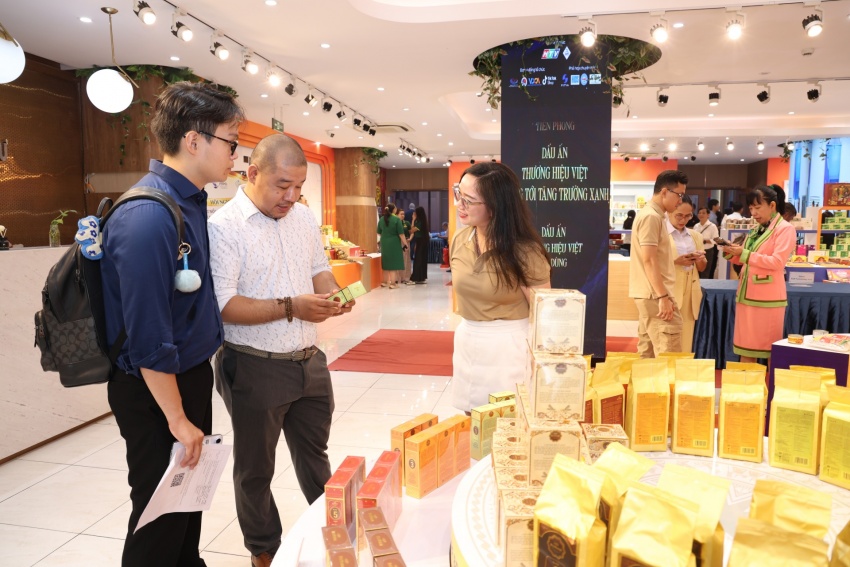 |
| Delegates view products at the event. Photo: ITPC |
 | Northern Ho Chi Minh City apartment market gains momentum in 2026 The apartment market in northern Ho Chi Minh City has gathered significant momentum in 2026, with a steady stream of new project launches, prices reaching new highs, and major developers joining an increasingly competitive market. |
 | Localities report breakthrough results in FDI in first nine months Many localities surpassed FDI full-year targets in just nine months thanks to administrative reforms and strong investment promotion. |
What the stars mean:
★ Poor ★ ★ Promising ★★★ Good ★★★★ Very good ★★★★★ Exceptional
 Tag:
Tag:Related Contents

Latest News
More News
- The Grand Ho Tram secures 'Best Integrated Resort' at TTG Travel Awards for the second consecutive year (October 06, 2026 | 12:07)
- Fusion expands Hanoi presence with LÈGACY wellness hotel (October 02, 2026 | 14:25)
- The Reverie Saigon unveils a new approach to MICE travel (September 24, 2026 | 18:00)
- Great American BBQ Festival brings US flavours to Hanoi (September 18, 2026 | 17:51)
- Angsana & Dhawa Ho Tram makes the case for 'slow travel' (September 17, 2026 | 16:01)
- National Day comes to the coast at Angsana & Dhawa Ho Tram (August 28, 2026 | 09:43)
- The perfect time to escape the city at Seahorse Resort & Spa (August 28, 2026 | 09:42)
- M Village founder raises $26 million (August 26, 2026 | 15:48)
- Eastin Grand Saigon puts Vietnamese twist on afternoon tea (August 17, 2026 | 11:03)
- Palladium Hotel Group launches Asia-Pacific HQ in Vietnam (August 17, 2026 | 10:33)




 Mobile Version