
Citi raises Vietnam’s 2026 GDP forecast to 8 per cent

The Vietnam Economic report was presented at Citi’s economic outlook seminars for clients held in Hanoi and Ho Chi Minh City on August 11 and 12, respectively.
Vietnam’s GDP growth accelerated to 8.5 per cent on-year in the second quarter, from 7.9 per cent in Q1. The stronger-than-expected performance prompted Citi to raise its full-year forecast back to around 8 per cent, after previously lowering it to the 7 per cent range following an energy-price shock in March.
 |
| Minh Ngo, Citi Vietnam’s country officer and banking head for Vietnam. Photo: Citi |
In light of the report, Vietnam’s export performance has remained more resilient than initially anticipated. The United States accounts for approximately 30 per cent of Vietnam’s exports, with electronics playing an increasingly important role amid strong global investment in AI and digital infrastructure.
Although growth in exports to the United States has moderated from its 2025 peak, it remains elevated.
Two-way trade with China has also strengthened. Vietnam’s exports of electronics and components to China have accelerated, while imports of electronic inputs, energy and chemical products from China have increased, reflecting the country’s deeper integration into regional manufacturing and electronics supply chains.
Domestic demand has helped cushion the external and energy-related headwinds. Real retail sales weakened in early Q2 as fuel prices rose, but recovered relatively quickly as prices stabilised. Public infrastructure investment has continued at a high level, while production of construction materials maintained double-digit growth despite some moderation from Q1. .
Inflationary pressure remains a key concern. Vietnam’s consumer price inflation stood at 4.7 per cent on-year in June. Citi believes inflation has probably passed its peak following the decline in oil prices and government measures to stabilise domestic fuel costs, although it may remain above the 4.5 per cent target in the near term.
Minh Ngo, Citi Vietnam’s country officer and banking head for Vietnam, said Vietnam continues to demonstrate impressive resilience in a volatile global environment.
"Its expanding trade relationships, deeper participation in global supply chains and sustained investment in infrastructure provide a strong foundation for long-term growth," Ngo said. “Through Citi’s global network and local capabilities, we remain committed to helping clients navigate changing market conditions, access international capital and capture new cross-border opportunities.”
Key downside risks to Vietnam’s economic outlook include renewed energy-price volatility, weaker global demand, changing international trade conditions, and possible disruption to hydropower generation associated with El Niño.
Nevertheless, Citi expects exports, investment and domestic demand to continue supporting Vietnam’s economic growth through the remainder of 2026.
 | Citi Vietnam named Best Sustainable Bank by FinanceAsia Citi Vietnam has been named Best Sustainable Bank in Vietnam at the FinanceAsia Awards 2026, reinforcing the bank’s role in supporting clients and the country’s long-term sustainable development agenda. The award ceremony took place in Hong Kong on June 25. |
 | Citi Vietnam marks Global Community Day 2026 in Phu Tho and Lam Dong Citi Vietnam marked Global Community Day 2026 with two meaningful community initiatives aimed at supporting local schools and creating better learning environments for children in Phu Tho and Lam Dong provinces. |
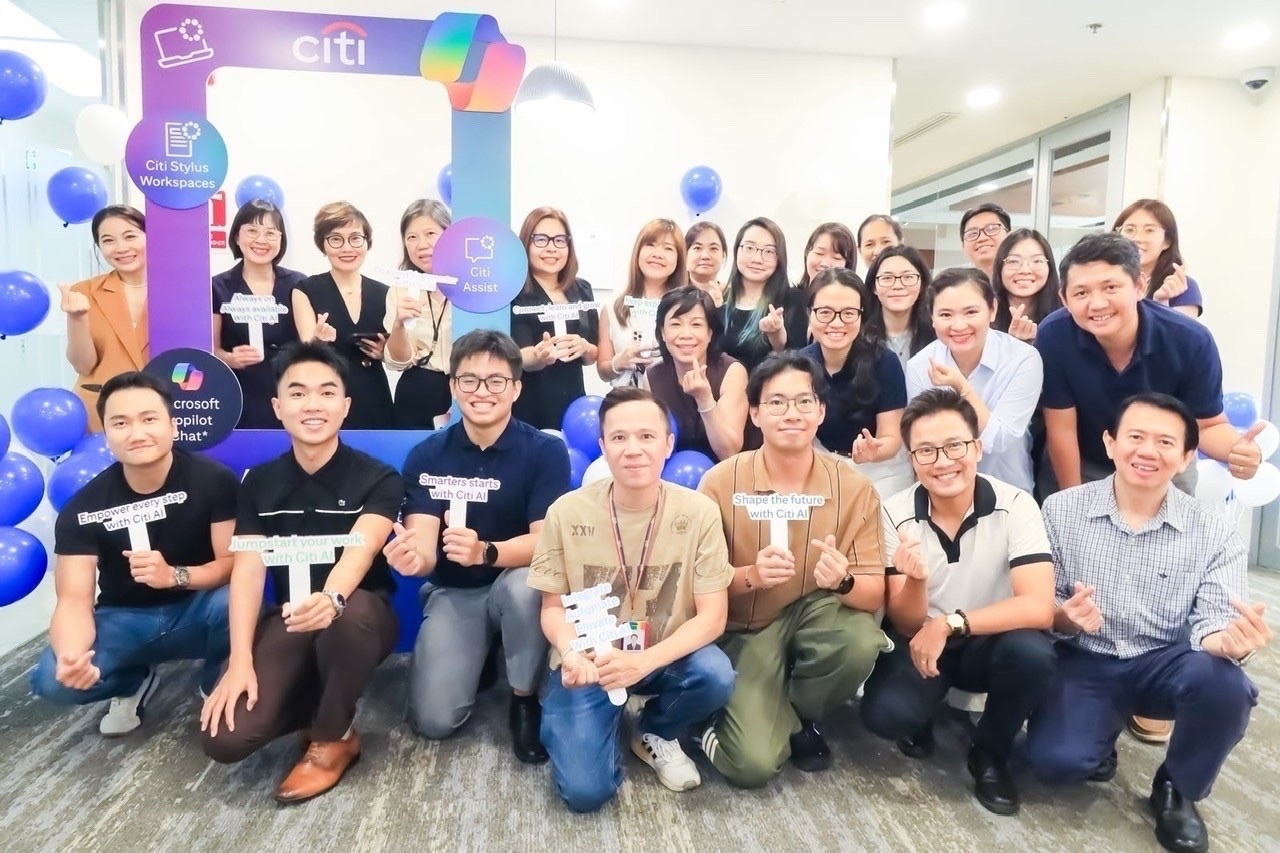
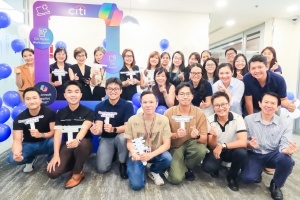 | Citi Vietnam hosts AI Day to equip staff with digital skills Citi Vietnam has hosted an AI Day to equip employees with practical skills for working in an increasingly AI-enabled environment. |
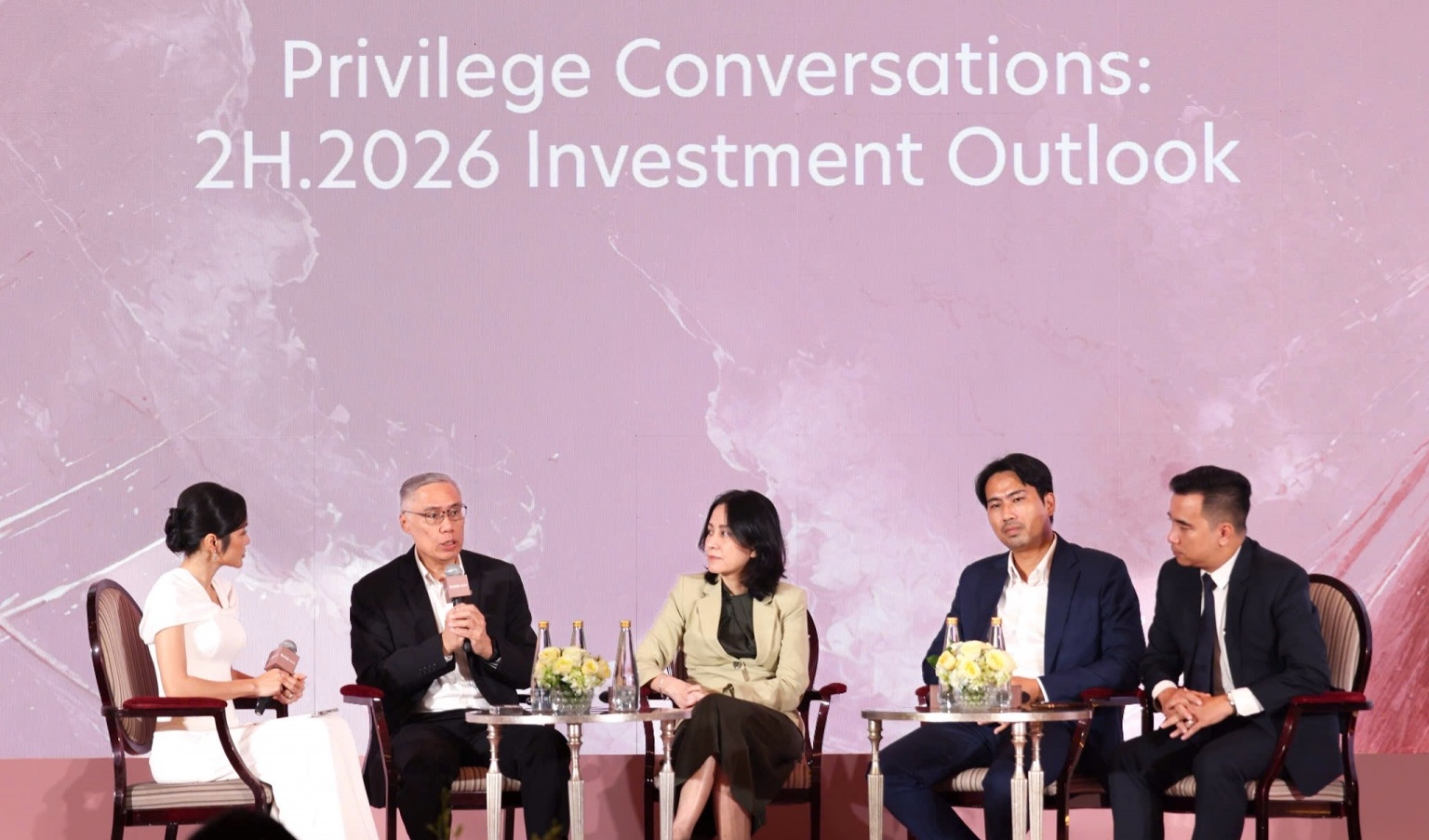
 | Citi: Vietnam’s economy remains resilient in 2026 Vietnam’s economy is expected to maintain solid momentum in the second half of 2026, according to Citi economists. |
What the stars mean:
★ Poor ★ ★ Promising ★★★ Good ★★★★ Very good ★★★★★ Exceptional
 Tag:
Tag:
Related Contents








Latest News



More News
- Eximbank to strengthen corporate governance structure (October 16, 2026 | 11:32)
- Citi honours 13 banks with 2025 STP Awards (October 15, 2026 | 16:01)
- Green transition requires realistic roadmap (October 14, 2026 | 17:31)
- VIR workshop explores credit policy and carbon market development (October 14, 2026 | 11:22)
- Stronger carbon market needed to unlock climate finance (October 14, 2026 | 11:00)
- Carbon market opens new avenues for green finance (October 14, 2026 | 10:00)
- VPBank and Western Union enhance digital remittance experience (October 13, 2026 | 15:44)
- Eximbank’s next chapter: Richa Goswami on purpose, relevance and trust (October 13, 2026 | 10:52)
- Vietnam and Luxembourg sign MoU to strengthen financial cooperation (October 13, 2026 | 10:20)
- Vietnam seeks stronger cooperation with Fitch Ratings to improve sovereign credit rating (October 13, 2026 | 10:07)



Latest News






 Mobile Version