
Vietnam to foster links between foreign and domestic sector

 |
| Vietnam will prioritise building an FDI ecosystem to foster links with the domestic sector |
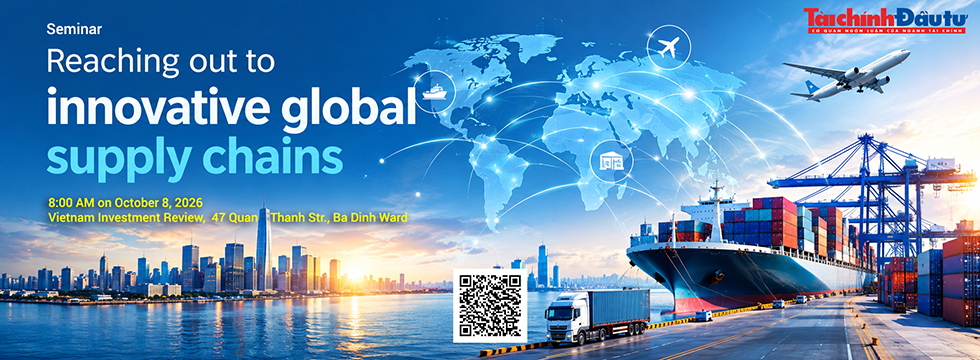
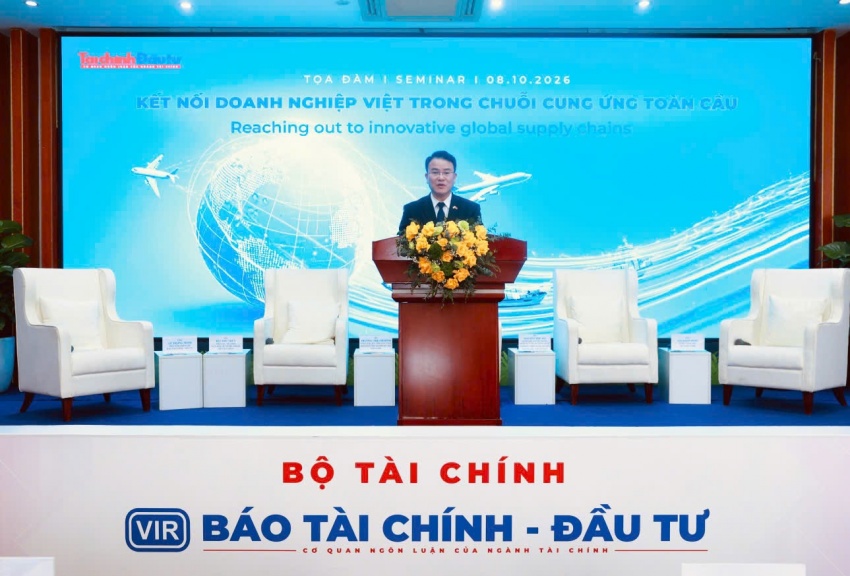
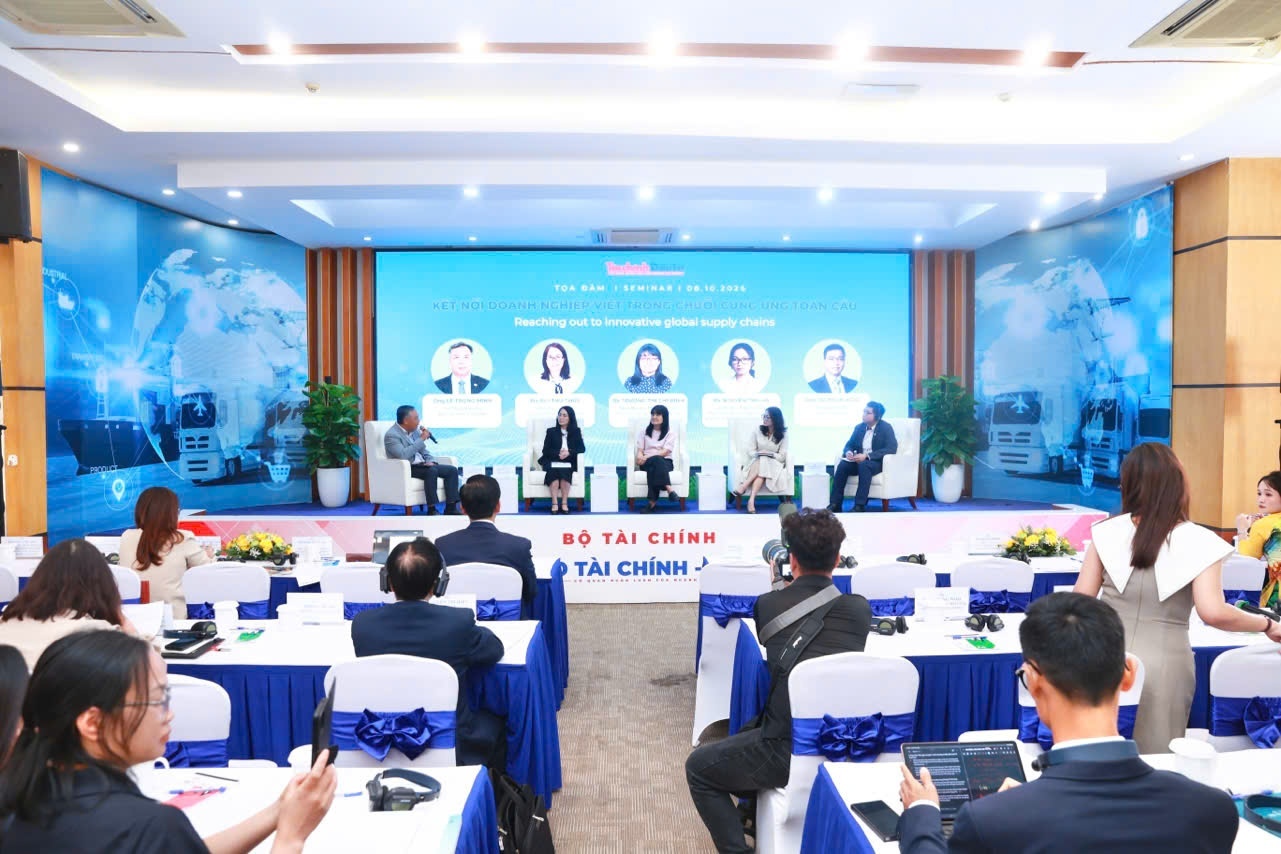
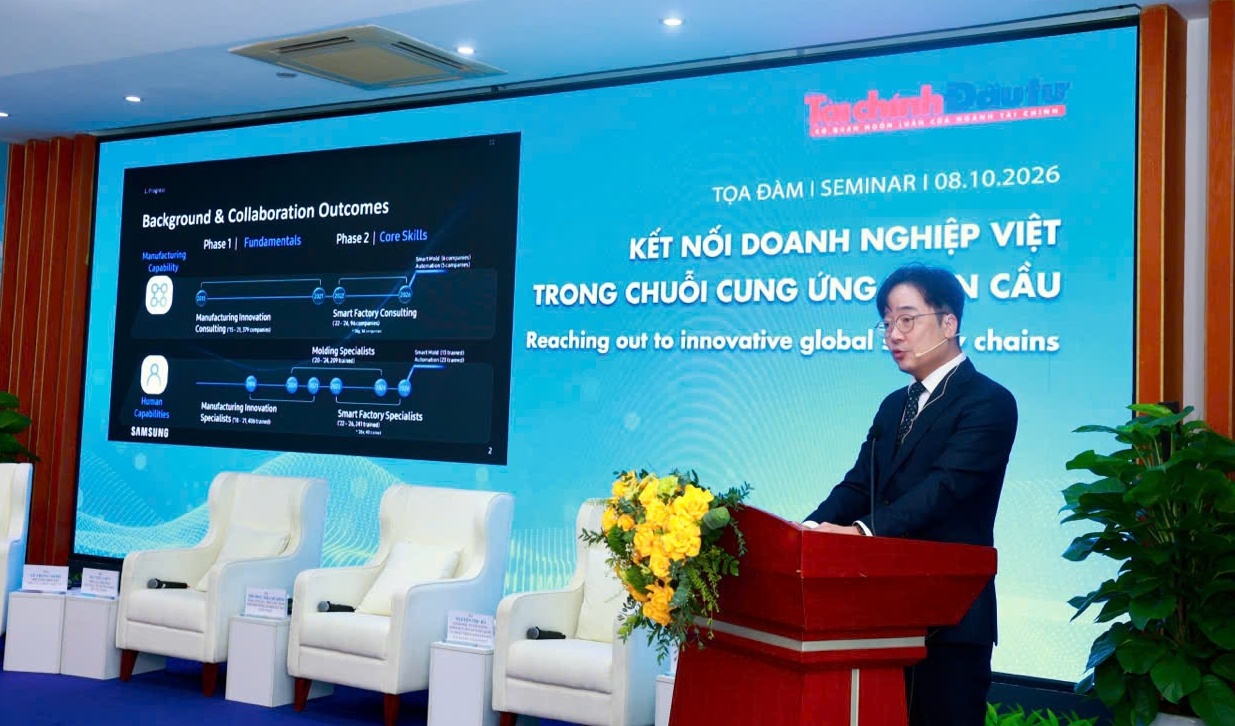
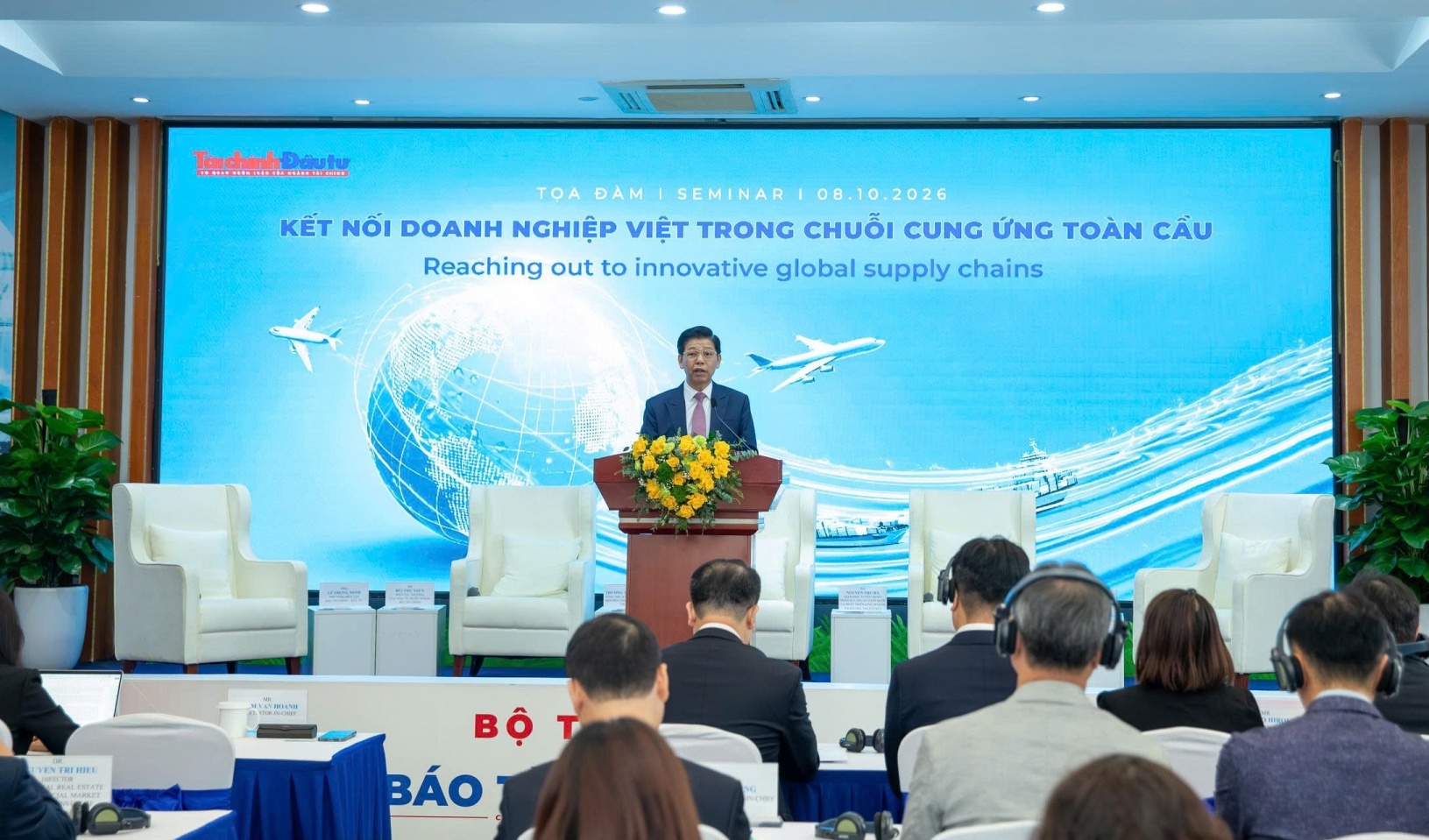
This was the opinion of Deputy Minister of Finance Tran Quoc Phuong at VIR's seminar, "Reaching out to innovative global supply chains" in Hanoi on October 8.
According to the National Statistics Office, in the third quarter and the first nine months, Vietnam's GDP growth is estimated at 9.95 per cent and 9.01 per cent, respectively, the highest in years.
Within this overall positive economic picture, attracting foreign investment is a bright spot. In the first nine months of 2026, total registered foreign investment in Vietnam reached $50.36 billion, up 76.4 per cent on-year, while disbursed capital reached $21.07 billion, a 12.1 per cent increase compared to the same period last year, the highest growth in the past five years.
The investment inflow increased in both quantity and quality. Many large-scale foreign-invested projects in the fields of electronics, semiconductors, digital transformation, and AI were invested in the country, affirming Vietnam's increasingly important role in the global semiconductor supply chain and high-tech manufacturing.
“However, the reality of nearly 40 years of attracting foreign direct investment (FDI) shows that the quality and effectiveness of attracting, managing, and utilising the capital inflow have not been commensurate with the potential and advantages, and have not met the development requirements of the country in its new phase. In particular, the linkages between the domestic and FDI sectors remain limited, and technology transfer, research, and development have not met expectations. The percentage of Vietnamese businesses participating in global supply chains is still low,” Deputy Minister Phuong said. “This is also one of the reasons why the Politburo decided to issue Resolution No.10-NQ/TW dated June 8, on the development of the foreign-invested economy, marking a strategic turning point and comprehensively changing the methods and thinking of attracting foreign investment in Vietnam.”
As per Resolution 10, attracting resources from outside will undergo major transformations. Instead of focusing solely on the number of projects and investment capital, Vietnam will prioritise creating a high-quality FDI ecosystem, valuing quality, efficiency, added value for the economy, and the ability to link with the domestic sector.
Vietnam will no longer attract FDI at all costs, but choose partners to enhance its position in the global value chain. The country will engage FDI not to replace domestic resources, but to strengthen them, to improve productivity, technological capacity, and competitiveness.
“The opportunities for Vietnam are immense. With a stable macroeconomic foundation, a safe political and social environment, and a wide network of free trade agreements, Vietnam has always been one of the safest and most attractive destinations for foreign investors,” the deputy minister said.
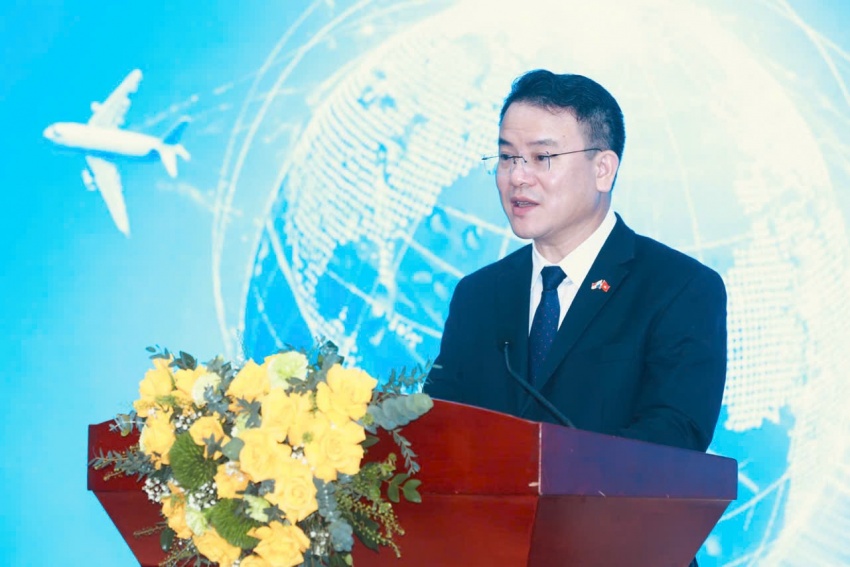 |
“Vietnam has also continuously improved its investment and business environment, improving institutions and policies. The amended and supplemented Law on Investment has also been passed by the National Assembly in August. Many procedures have been simplified, and green channels will be established to accelerate the progress of strategic technology projects such as semiconductors, AI, and data. These are necessary efforts for Vietnam to maintain its position as a priority destination, alongside the need for continued rapid improvement in electricity infrastructure, logistics, and high-quality workers," he said.
The strategic combination of Resolution 10 and Resolution No.68-NQ/TW on the development of the private economy, and Resolution No.79-NQ/TW on the development of the state-owned economy, aims to create a "three-legged stool" for the Vietnamese economy.
To realise the set goals, the government issued Resolution No.280/NQ-CP dated September 22 on the Action Plan to implement Resolution 10. Specific tasks and solutions have been assigned by the government to ministries, sectors, and localities. The Ministry of Finance (MoF) has also been assigned many important tasks.
“The ministry is in the process of institutionalising the policies outlined in Resolution 10, including continuing to improve institutions, enhancing the investment and business environment, building flexible incentive mechanisms for core projects, and boosting linkages between the domestic and FDI sectors. In addition, the MoF and other ministries and government agencies are also continuing to institutionalise these mechanisms,” Deputy Minister Phuong said.
 | Resolution 10 sets ambitious targets to increase localisation Resolution 10-NQ/TW sets ambitious targets to increase the localisation rate and strengthen domestic supply chains. Prof. Dr Andreas Stoffers, FOM University of Applied Sciences analyses the biggest barriers preventing Vietnam from achieving higher localisation compared to other ASEAN countries. |
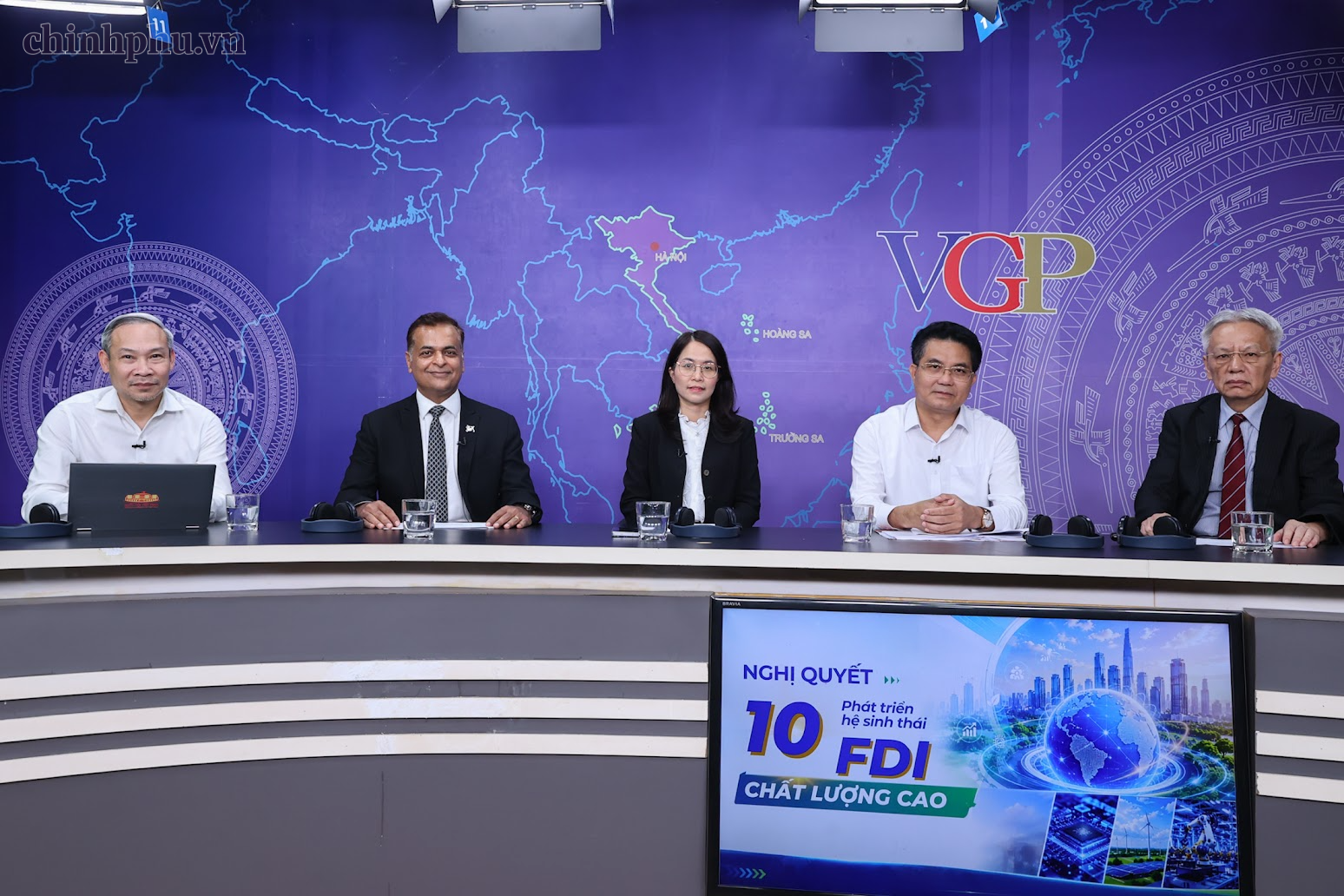 | Vietnam shifting to a stronger FDI ecosystem Vietnam is moving towards a new approach to foreign investment, with the focus shifting from attracting capital and individual projects to developing a foreign-invested economic sector that is more deeply integrated with the domestic economy. |
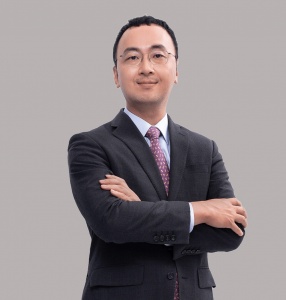 | Resolution 10 equals growth driven by strategic innovation A massive strategic overhaul is underway regarding Vietnam’s embrace of foreign investment. Il-Dong Kwon, managing director and partner at BCG Vietnam, spoke to VIR’s Bich Ngoc about improving the quality of foreign funding and related resolutions to boost high-tech sectors. |
 | Resolution 10 through a Nordic lens Resolution No.10-NQ/TW identifies the foreign-invested sector as an integral part of Vietnam’s national economy. David Tuan Anh Nguyen, executive director of Nordic Chamber of Commerce in Vietnam shares how the Nordic business community reads the Resolution, and what is happening on the ground. |
 | Vietnam shifting focus to building high-quality FDI ecosystem Vietnam is shifting its approach from simply attracting foreign direct investment to developing a foreign-invested economic sector and building a high-quality ecosystem for foreign investment, according to Pham Van Hoanh, VIR's editor-in-chief. |
What the stars mean:
★ Poor ★ ★ Promising ★★★ Good ★★★★ Very good ★★★★★ Exceptional
 Tag:
Tag:Related Contents
Latest News

More News
- Vietnam shifting focus to building high-quality FDI ecosystem (October 08, 2026 | 10:45)
- VIR seminar to explore innovative global supply chains in Hanoi (October 07, 2026 | 12:04)
- Vietnam’s registered FDI surpasses $50 billion in nine months (October 07, 2026 | 10:30)
- Samsung Electro-Mechanics to add $1.85 billion semiconductor investment in Thai Nguyen (October 06, 2026 | 18:23)
- LNG power plant projects risk falling behind schedule (October 03, 2026 | 09:00)
- Pandora opens world’s largest fine jewellery crafting facility (October 02, 2026 | 22:21)
- An Phat 5 Industrial Park positions for new wave of investment in northern Vietnam (October 02, 2026 | 09:00)
- Hanoi to launch portal to ease hurdles for tech businesses (October 01, 2026 | 09:00)
- Foreign investors to be widened for market access (September 30, 2026 | 17:54)
- Phu Quoc Airport planning adjusted to serve APEC 2027 (September 30, 2026 | 17:35)







 Mobile Version