
Vietnam seeks deeper role in emerging global value chains

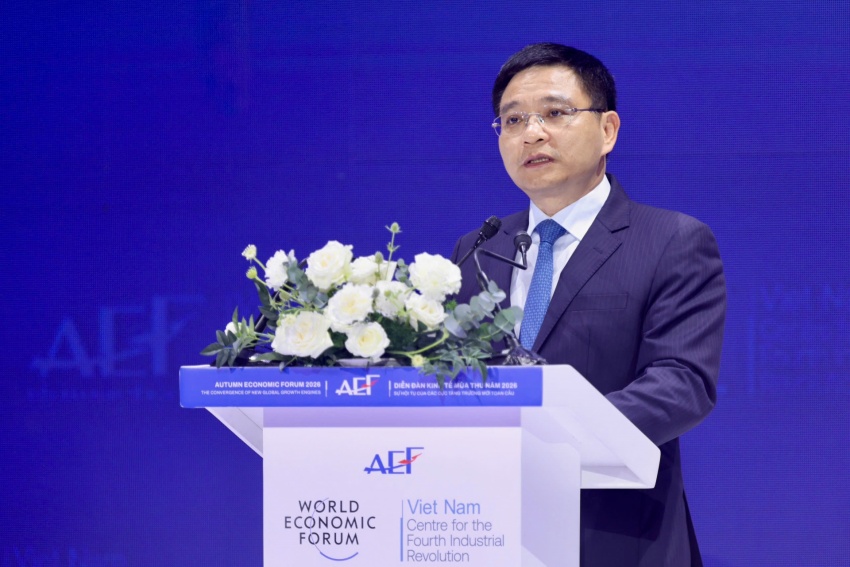 |
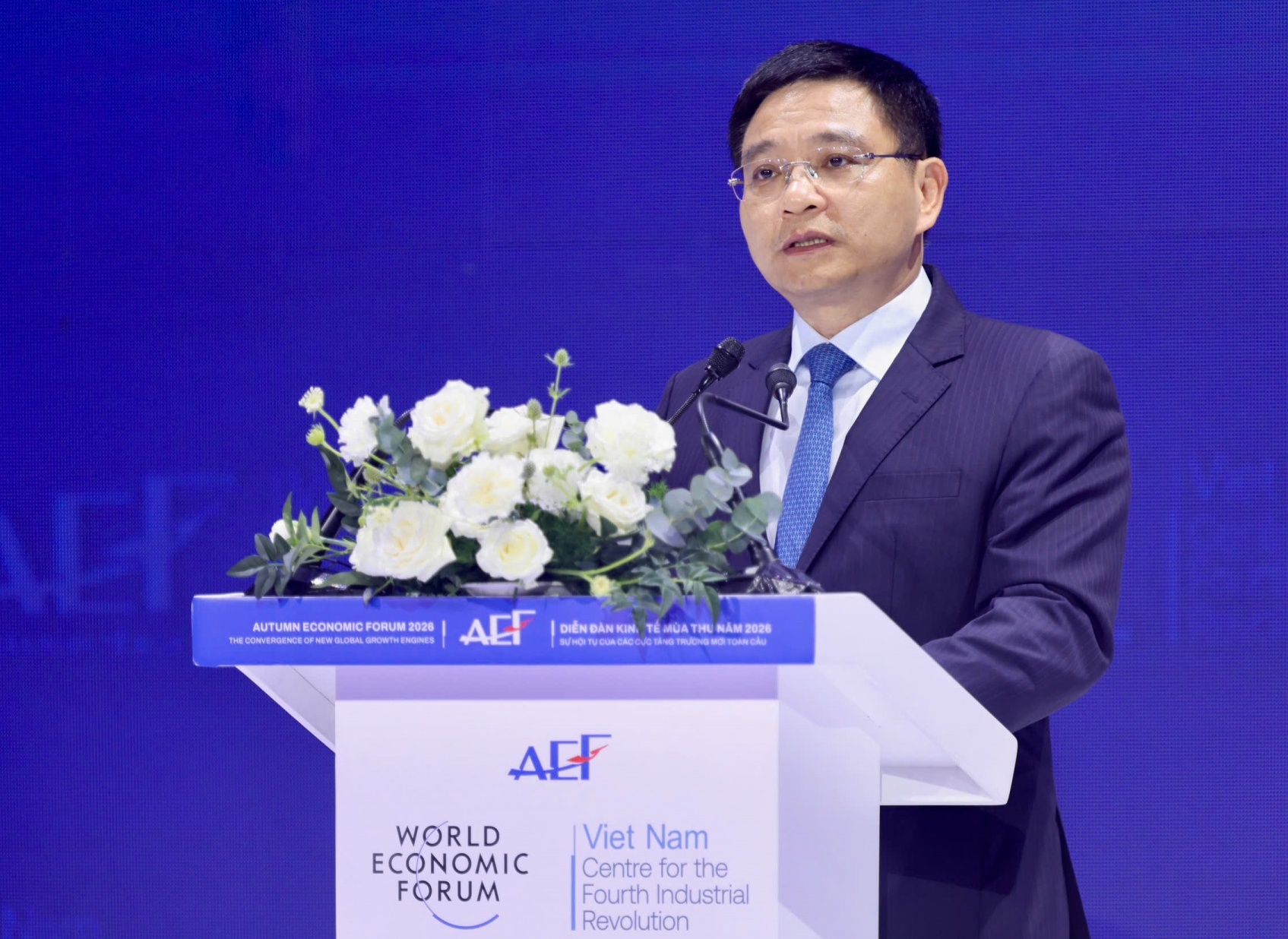
| Deputy Prime Minister Nguyen Van Thang at the dialogue session on October 28. Photo: Le Toan |
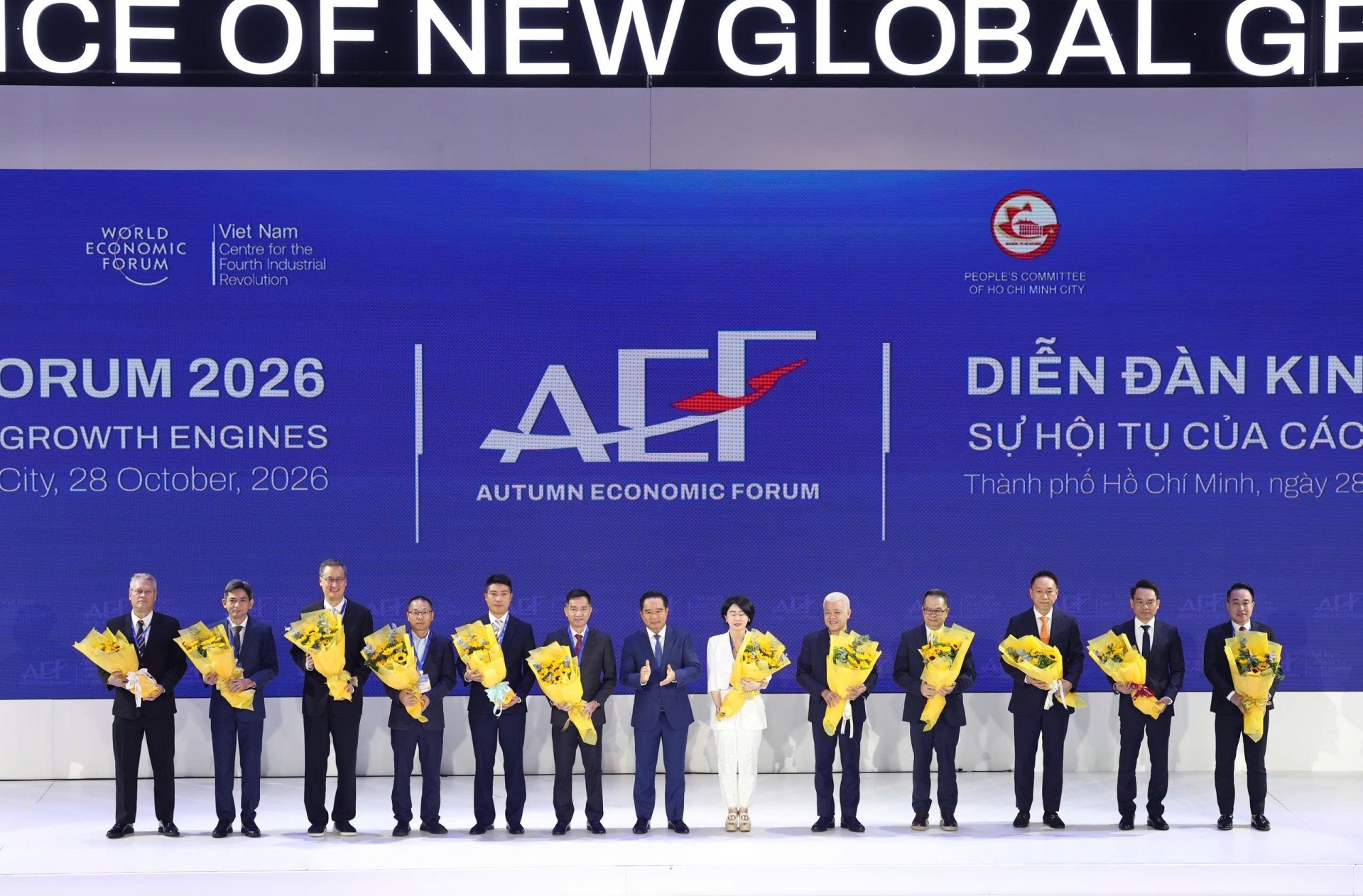
On the afternoon of October 28, delegates at the Autumn Economic Forum 2026 attended an in-depth discussion and dialogue session themed “Identifying New Growth Drivers” and “Cooperation Frameworks in a New Era.”
Speaking at the session, DPM Thang reaffirmed that the global economy was undergoing a period of profound transformation.
“The global economy is experiencing a far-reaching restructuring process, shaped by the interplay of geopolitical conflicts, technological breakthroughs and the dual transition. Growth centres are shifting significantly towards Asia, Africa and Latin America, while value chains and supply chains are being restructured towards greater diversification, regionalisation and resilience to volatility,” he said.
Investment location decisions are no longer driven solely by cost considerations, but increasingly hinge on safety, flexibility and long-term strategic linkages, he said.
Meanwhile, technological breakthroughs, the rapid expansion of AI and automation, and environmental, social and governance standards are increasingly becoming prerequisites for participation in global value chains, while fundamentally reshaping the competitive advantages of nations.
“These shifts are creating opportunities while also posing considerable challenges, intensifying competitive pressures and highlighting the need for dialogue platforms to build trust and boost cooperation among stakeholders,” the deputy prime minister stressed.
The DPM outlined three major trends that warrant focused discussion and clarification. The first is the twin transition, with digital transformation and the green transition interacting to reshape production methods, market standards and competitive advantages.
The second is the shift in growth centres towards Asia, Africa and Latin America, not only in terms of market size but also as hubs for manufacturing, innovation and South-South cooperation.
The third is the restructuring of supply chains towards greater diversification, balancing efficiency with security.
According to DPM Thang, these trends have a dual impact. For developing countries, including Vietnam, they offer opportunities to access new sources of capital, technologies and markets, while also creating pressure to strengthen technological absorption capacity, workforce quality and the ability to meet emerging standards.
“Opportunities can translate into growth only when each country has the capacity to seize them,” he stressed.
Amid profound shifts in the global economy, the deputy prime minister said the challenge facing each country was no longer whether to adapt passively or remain on the sidelines, but how to position itself actively and strengthen its domestic capabilities within global production networks.
For Vietnam, the urgent task is not merely to establish connections and integrate the economy into existing or emerging value chains. More importantly, the country must create the environment, mechanisms and capabilities to work more deeply and directly with international partners in generating and creating value across new value chains.
First, Vietnam needs to build its endogenous capabilities in human resources, technology and governance, while developing a stable, transparent and predictable institutional framework that provides room for experimentation and innovation.
In addition, the country needs to strengthen multilateral, regional and South-South cooperation, while effectively mobilising capital, green finance and technology, linked to domestic business partnerships and value chain upgrading.
DPM Thang said that as Vietnam’s leading economic hub and centre of innovation, Ho Chi Minh City was facing a historic opportunity to connect resources and translate them into frameworks for cooperation, innovation and new value creation.
“Beyond serving as a convergence point for regional capital, knowledge and technology flows, Ho Chi Minh City also aspires to become a credible and responsible growth pole, ready to integrate with international partners,” the deputy prime minister stressed.
However, turning this opportunity into reality requires Ho Chi Minh City and Vietnam to pursue sufficiently ambitious and substantive strategic directions in cooperation with other countries and international organisations.
“We are not here merely to engage in dialogue; more importantly, we are here to work towards a shared vision for action,” he said, adding that the overarching theme of this year’s AEF would only have real meaning if translated into concrete commitments, policy frameworks and cooperation projects among the parties involved.
 | Deeper ASEAN integration key to climbing global value chains At the Repositioning Vietnam and ASEAN in Global Value Chains discussion, held on October 27 as part of the Autumn Economic Forum 2026, experts and business representatives focused on how Vietnam and ASEAN can capture greater value in global supply chains. |
 | Prime Minister attends Autumn Economic Forum 2026 in Ho Chi Minh City Prime Minister Le Minh Hung has attended the high-level plenary session of the Autumn Economic Forum 2026 in Ho Chi Minh City, focused on the convergence of new global growth poles. |
What the stars mean:
★ Poor ★ ★ Promising ★★★ Good ★★★★ Very good ★★★★★ Exceptional
 Tag:
Related Contents




More News
- Keppel joins Vietnam International Financial Centre as inaugural member (October 29, 2026 | 11:10)
- Hung Yen boosts infrastructure to tap coastal growth potential (October 28, 2026 | 12:26)
- Prime Minister attends Autumn Economic Forum 2026 in Ho Chi Minh City (October 28, 2026 | 10:00)
- LS Eco Energy to invest $49 million in ultra-capacitor plant in Vietnam (October 27, 2026 | 17:42)
- UL Solutions opens expanded product testing facility in Vietnam (October 27, 2026 | 09:57)
- Ho Chi Minh City seeks to attract high-quality investment (October 27, 2026 | 09:45)
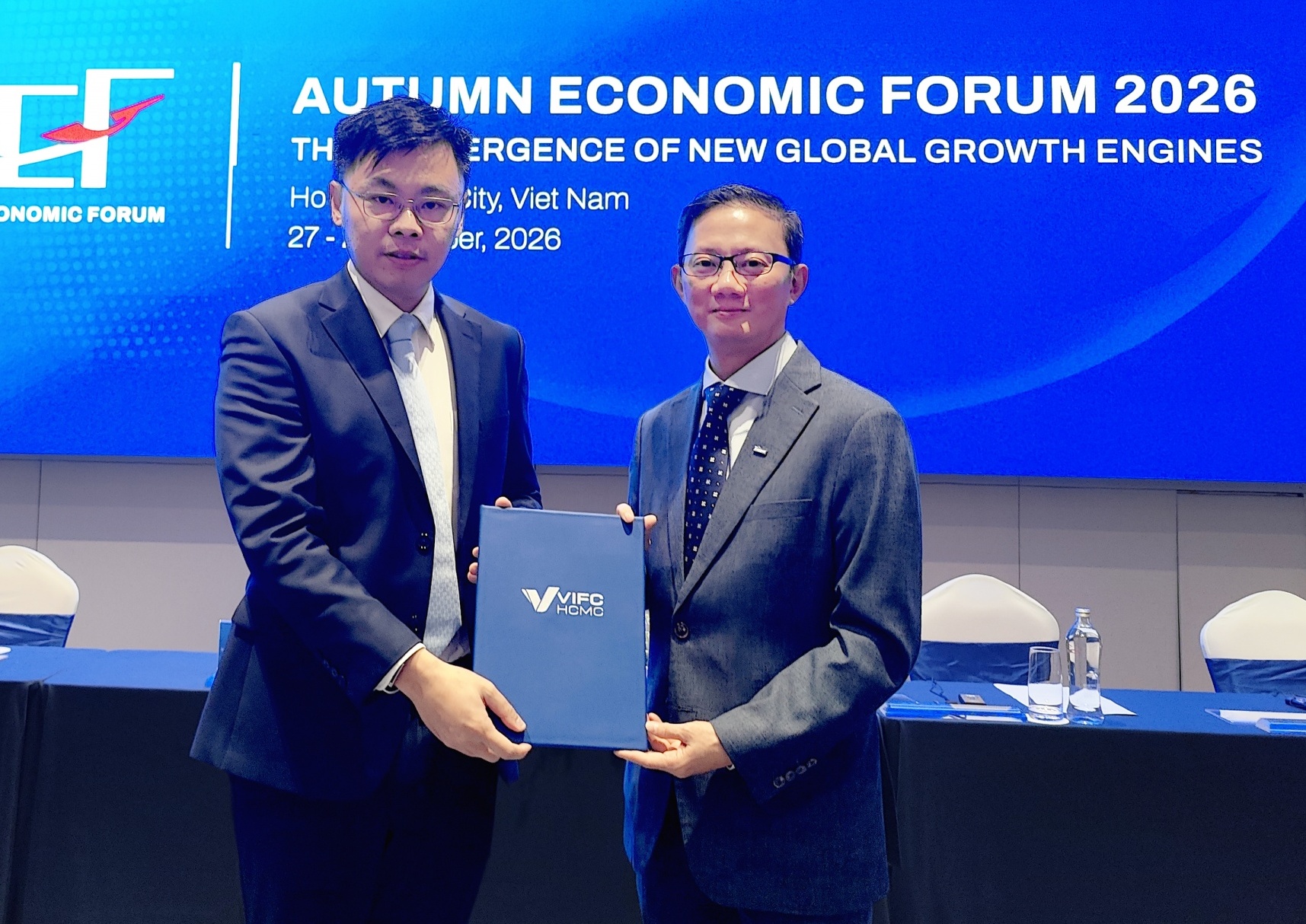
- VIFC-HCMC membership offers access to Vietnam's capital market (October 27, 2026 | 09:35)
- CEO 500 opens up cooperation opportunities in FDI and technology (October 26, 2026 | 17:03)
- Open Innovation Day 2026: Building the next-generation industrial city (October 26, 2026 | 15:06)
- Quandela and Quanova partner to deploy Vietnam’s first quantum computer (October 24, 2026 | 17:07)


 Mobile Version