
Skellefteå: epicentre of an extraordinary societal transformation

How do you see Society Expo contributing to global sustainability conversations?
Skellefteå can, through Society Expo 2026, play an important role by shifting the global sustainability conversation from ambition to implementation. You could say that we know the recipe for sustainability, but now it is up to us to make sure that we use this recipe and share what is working as well as what is not working. The challenge is how to turn ambitions into practical solutions that work in real communities.
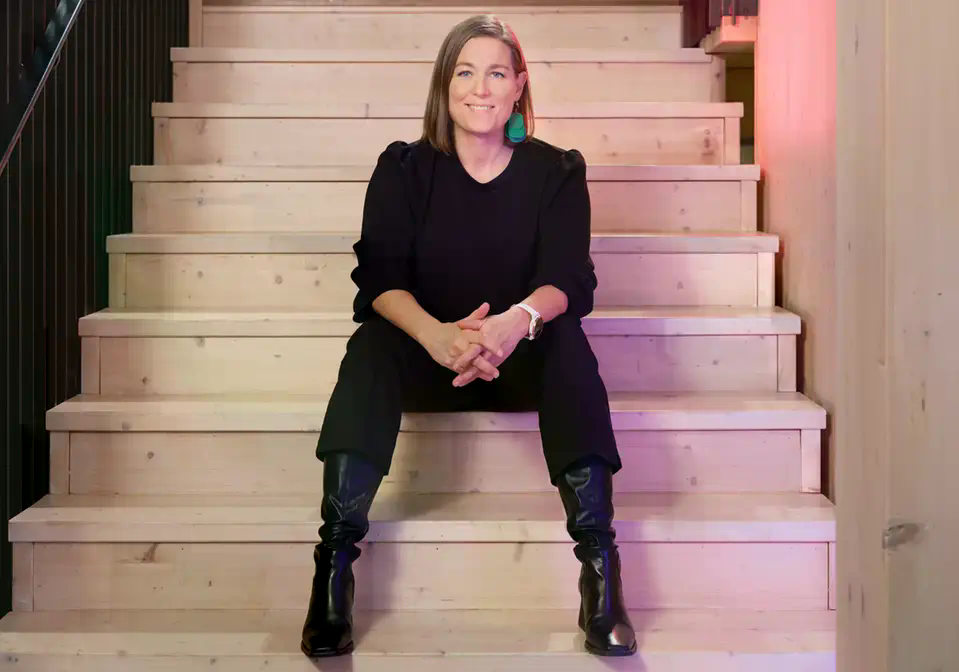 |
| Helena Renström, head of Society Expo 2026, Skellefteå municipality. Photo: skelleftea.se |
From Skellefteå's perspective, this is where local communities have a unique contribution to make. For example: when a large industry is established, the local municipality needs to deal with consequences and opportunities for handling both the growth of the industry and a possible downturn, even if the investment is important not only for the region, but also for Sweden and Europe (or even on a larger scale).
Our experience from the turbulence over the last years is that responsibilities are often “pushed down” in the system. The purpose of Society Expo is to learn from those types of processes and share our knowledge with the rest of the world.
One example is that we, through our newly established network “CITE – Cities in Transition Europe,” collaborate with medium-sized cities across Europe that are navigating industrial transformation, climate adaptation and demographic change.
We may not always attract the same attention as major global capitals, but we are perfect societies for testing innovation, refining processes and implementing them on a larger scale. One of the key lessons from our journey is the importance of creating partnerships between public organisations, business, government, academia and civil society. Because of the simple fact that a local municipality is not able to handle social transformation on its own.
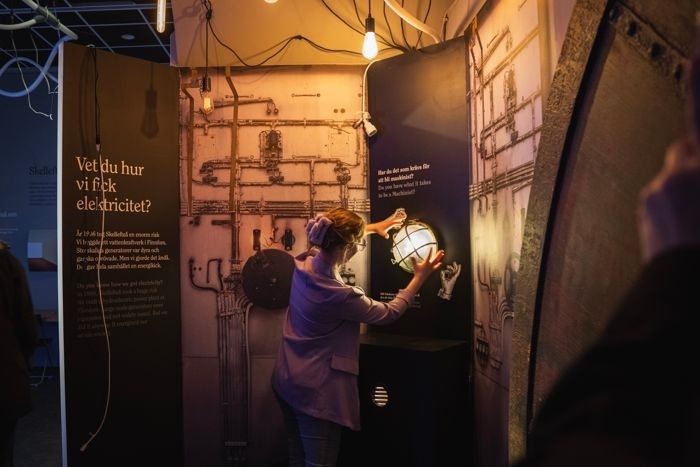 |
| Society Expo 2026 |
Skellefteå's experience with the green industrial transition has reinforced this lesson. Large investments and technological innovation are important, but lasting success depends on whether we can create attractive communities where people want to live, work and build their future. Housing, education, culture, social sustainability, mobility and quality of life are just as important as industrial and green development.
I believe Society Expo offers an opportunity to connect cities and regions facing similar challenges around the world. Ultimately, sustainable transformation is about people. Technology can enable change, but trust, participation and quality of life are what make change lasting.
Are there particular Swedish innovations or approaches that you believe deserve greater international attention?
When people think about Swedish innovation, they often focus on technology such as Spotify, Volvo or IKEA. While technology is important, I believe one of Sweden's greatest strengths is our ability to build trust-based collaboration between sectors as well as our high-trust society.
High-trust societies are especially excellent for getting things done. Many of Sweden's most successful innovations emerge from close cooperation between industry, government, academia and citizens. This collaborative culture makes it easier to move from ideas to implementation.
I also believe that the Swedish approach to sustainability deserves greater attention. We come from a rather “holistic thinking” society. Instead of treating sustainability as a separate policy area, we can see signs of our society increasingly viewing it as a driver of competitiveness, innovation and long-term prosperity. We do not see sustainability as “only” the environmental aspects, it must also include social sustainability as well as economic sustainability.
These approaches may not always be seen as innovations in the traditional sense, but they are increasingly important in a world where resilience and adaptability are becoming critical competitive advantages.
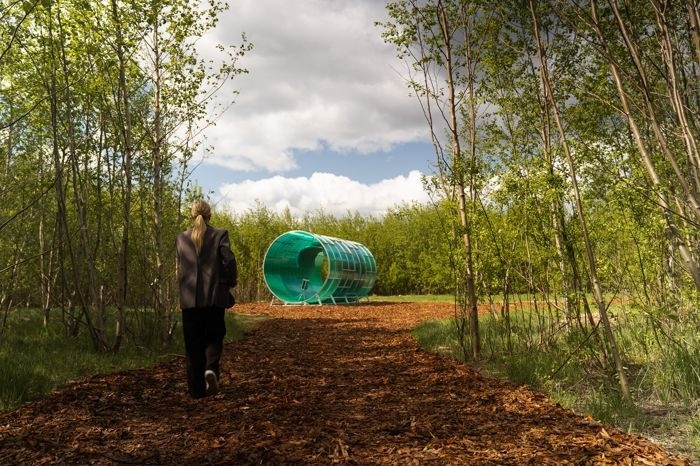 |
| Society Expo 2026 |
Northern Sweden is experiencing major industrial transformation. What lessons the world learn from sustainable developments in regions like Skellefteå?
The most important lesson is that industrial transformation and societal transformation must happen simultaneously. In Skellefteå, we have learned that attracting investments and creating jobs is only part of the equation.
If growth is to be sustainable, it must be matched by investments in housing, infrastructure, education, public services and attractive living environments. And the name - Society Expo 2026 – comes from our ambition to stress the need for a societal perspective.
Another lesson is the value of collaboration, and also the need to collaborate, especially during hard times. The complexity of today's challenges means that no single actor can succeed alone. Businesses, municipalities, universities and civil society need to work together around shared goals, even if it is hard to collaborate, we still need to do it.
The third lesson is that medium-sized cities can play a leading role in global transformation. They are often agile enough to test new approaches while still operating on a scale where successful solutions can be replicated elsewhere. As mentioned, the green transition is ultimately not a technology project. It is a societal project.
Looking ahead to 2035, what characteristics will define successful and resilient societies?
By 2035, I believe the most successful societies will be those that combine adaptability with social cohesion. We need, of course, to listen to our inhabitants. But at the same time look at what research says about successful societies. Sometimes this overlaps, but sometimes it doesn’t. This balance is delicate, and we need to be courageous enough to make the right long-term decisions and instil hope, even when challenges lie ahead. Successful societies will be able to continuously adapt to changing circumstances.
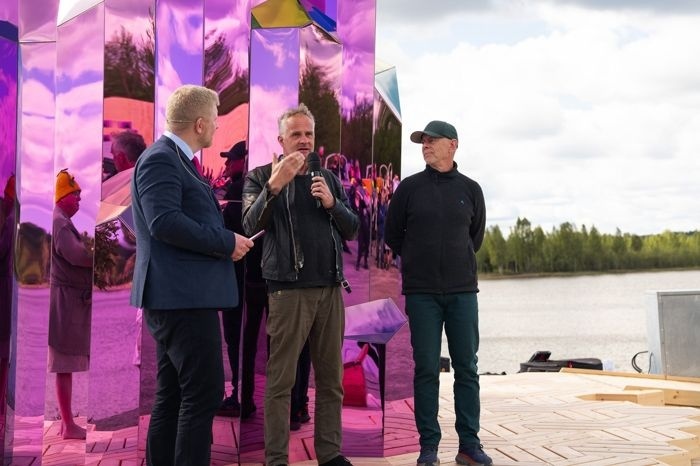 |
| Society Expo 2026 |
I also believe that quality of place will become increasingly important. People and companies are becoming more mobile, and communities that offer a strong sense of belonging, high quality of life and opportunities for participation will have a significant advantage.
Most importantly, resilient societies will understand that economic, environmental and social sustainability are interconnected. Long-term success depends on balancing all three.
 | Vietnam–Sweden economic ties more robust and diversified Prime Minister Pham Minh Chinh’s official visit to Sweden marks a significant milestone in the enduring diplomatic relationship between Vietnam and Sweden, which began in 1969 when Sweden became the first Western country to establish diplomatic ties with Vietnam. |
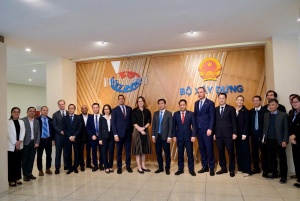 | Strengthening Swedish–Vietnamese innovation and trade ties Sweden is strengthening ties with Vietnam on sustainable development and green infrastructure through a high-level visit. |
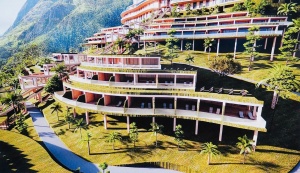 | Sweden’s Peak Education eyes $60 million eco-resort in Quang Ngai On June 8, Sweden-based Peak Education Limited has proposed the construction of a carbon-neutral eco-resort in Quang Ngai with a total investment of $60 million. |
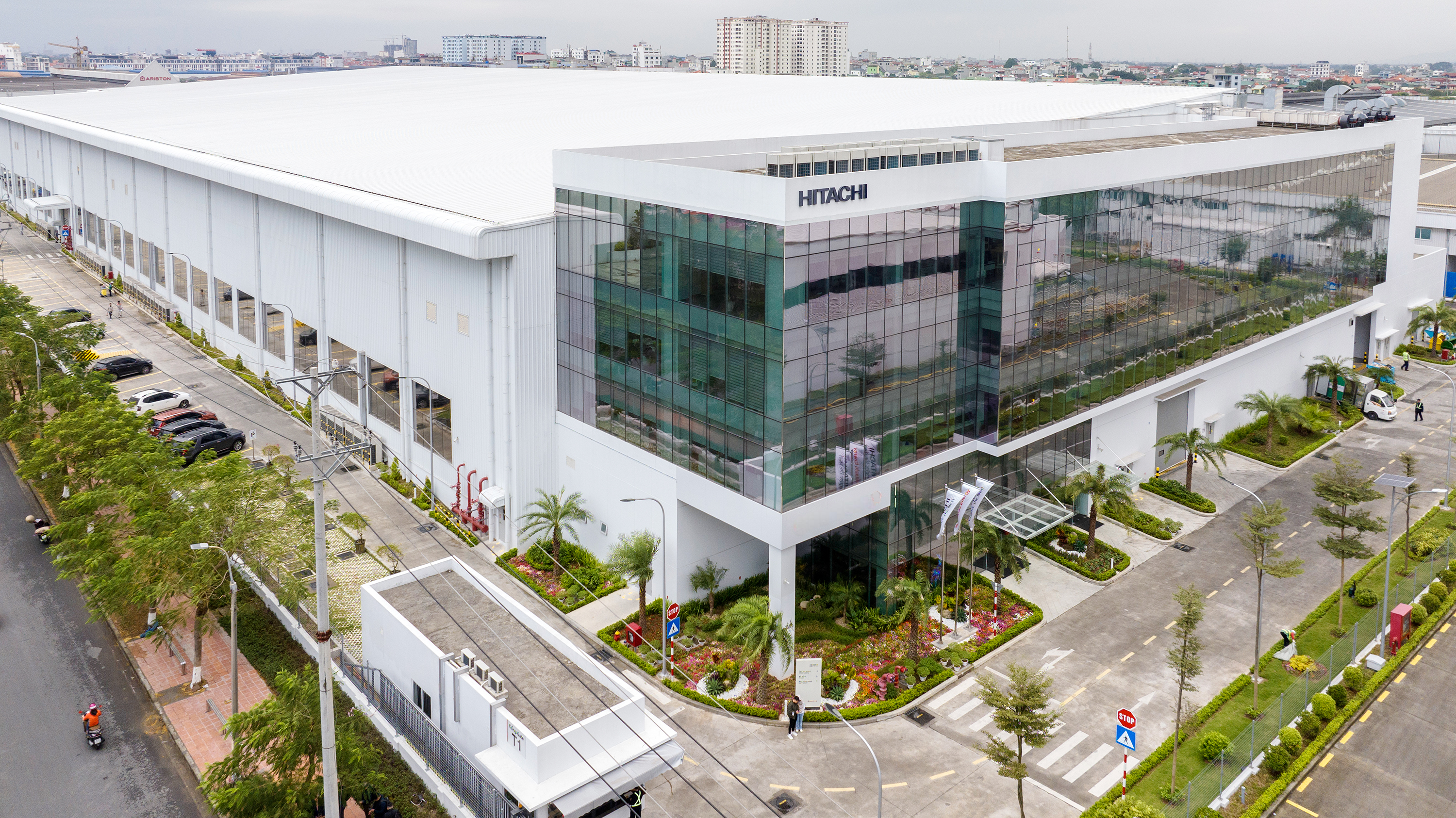 | Swedish companies deepen long-term commitment to Vietnam More than 55 years after Sweden became the first Western country to establish diplomatic relations with Vietnam, the relationship is entering a new chapter that is increasingly shaped by trade, investment, innovation and the green transition. |
What the stars mean:
★ Poor ★ ★ Promising ★★★ Good ★★★★ Very good ★★★★★ Exceptional
 Tag:
Tag:Themes: Towards Sustainability
- Hanoi launches low emission zones
- Skellefteå: epicentre of an extraordinary societal transformation
- Decree 112 sets legal framework for Vietnam's carbon market participation
- BII launches British Climate Partners to accelerate energy transition in Asian developing economies
- Ministry of Construction drafts criteria to assess urban climate resilience
Related Contents






Latest News


More News
- GreenYellow and Vina Paper partner on rooftop solar project (October 05, 2026 | 09:00)
- Consultation workshop refines Vietnam's clean hydrogen strategy (October 04, 2026 | 08:00)
- JBIC considers new financing options for Vietnam’s energy projects (October 03, 2026 | 08:00)
- Vestas to supply 16 turbines for two new Vietnam wind farms (October 01, 2026 | 07:00)
- Inter-sectoral cooperation on Montreal protocol (September 30, 2026 | 17:20)
- EV battery recycling rate proposed at 8 per cent from 2029 (September 29, 2026 | 16:00)
- Bankability remains hurdle for Vietnam's JETP projects (September 29, 2026 | 12:08)
- Binh Minh Plastics extends clean water project to border communities (September 29, 2026 | 10:57)
- Coca-Cola Vietnam expands packaging collection programme (September 25, 2026 | 08:15)
- Pacifico Energy secures sea survey licence for offshore wind project in Lam Dong (September 24, 2026 | 18:02)










 Mobile Version