
Siemens Healthineers’ end-to-end approach to comprehensive cancer care

Cancer is quickly becoming one of the most pressing health burdens in Vietnam and Southeast Asia, with rising incidence rates, healthcare systems are already strained and under pressure.
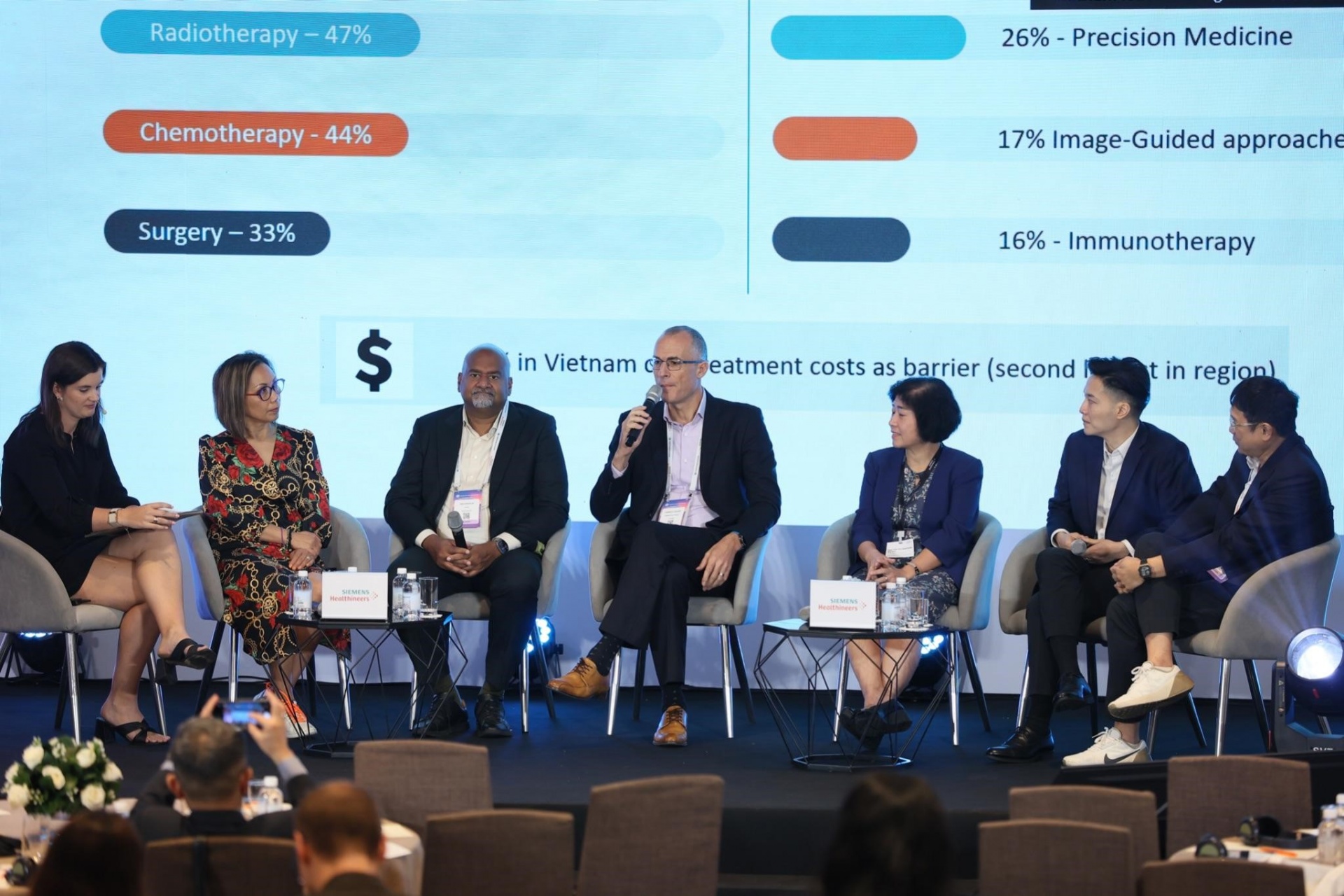 |
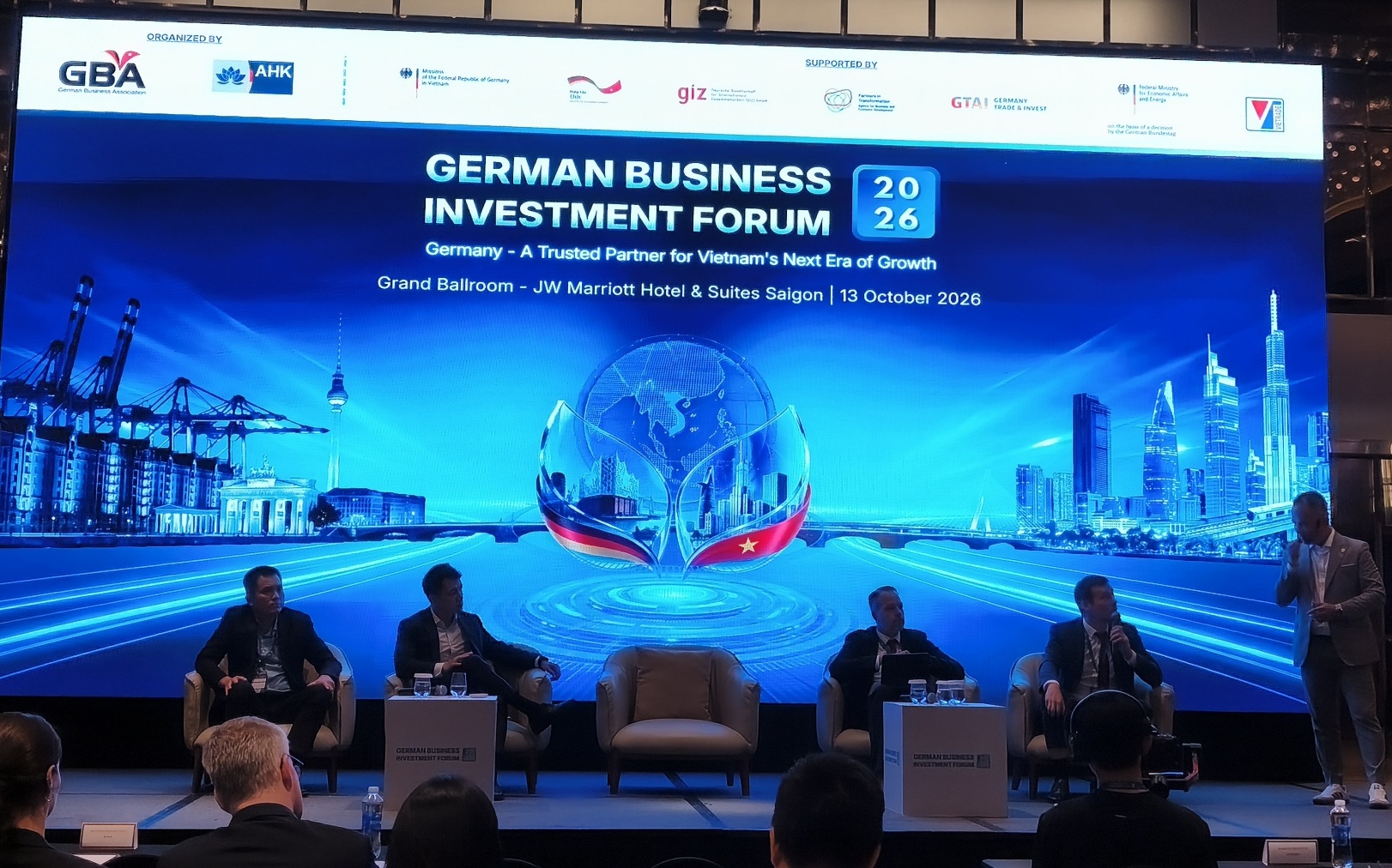
| Through the panel discussion, Siemens Healthineers brought together experts and stakeholders to review and analyse the survey findings |
To gauge awareness, Siemens Healthineers - part of German tech powerhouse Siemens AG - partnered with research firm YouGov in late July to survey more than 6,000 people across six Southeast Asian markets, including Vietnam.
The findings, released in early September, underscore the disconnect between perception and practice. While 84 per cent of respondents said early screening is critical, only 34 per cent undergo regular checks.
“In Vietnam, 35 per cent of participants said they skipped screening because they didn’t see the need, 22 per cent cited high costs, and another 22 per cent said they feared a diagnosis,” the report said.
The survey also found gaps in understanding post-treatment care. Although 74 per cent had heard of follow-up support, nearly half could not explain what it involves.
Awareness of therapies remains skewed towards conventional methods like radiotherapy (47 per cent), chemotherapy (44 per cent), and surgery (33 per cent), while familiarity with newer options such as immunotherapy (16 per cent), image-guided treatment (17 per cent), and personalised medicine (26 per cent) remains low.
From device supplier to strategic partner
The World Health Organization and the International Agency for Research on Cancer recorded 20 million new cases globally in 2022, a figure projected to rise 77 per cent by 2050 to more than 35 million annually.
In Vietnam, the surge reflects an ageing population, high pollution levels, smoking, alcohol consumption, and low participation in preventive health programmes. Cancer is now among the country’s leading causes of death.
In Southeast Asia, Siemens Healthineers is shifting its focus from selling medical devices to acting as a strategic partner in building integrated ecosystems for healthcare. The strategy reflects a rising demand for specialised treatment and the need for systemic reform.
“Getting the diagnosis right is the only way to get the treatment right,” said Fabrice Leguet, Siemens Healthineers’ managing director for Southeast Asia, at the Hospital Management Asia Conference in Ho Chi Minh City on September 10.
The company is deploying digital tools to create end-to-end solutions - from capturing health data to supporting accurate diagnoses and enabling tailored treatment plans. These platforms are designed to streamline care, cut costs, and boost survival rates.
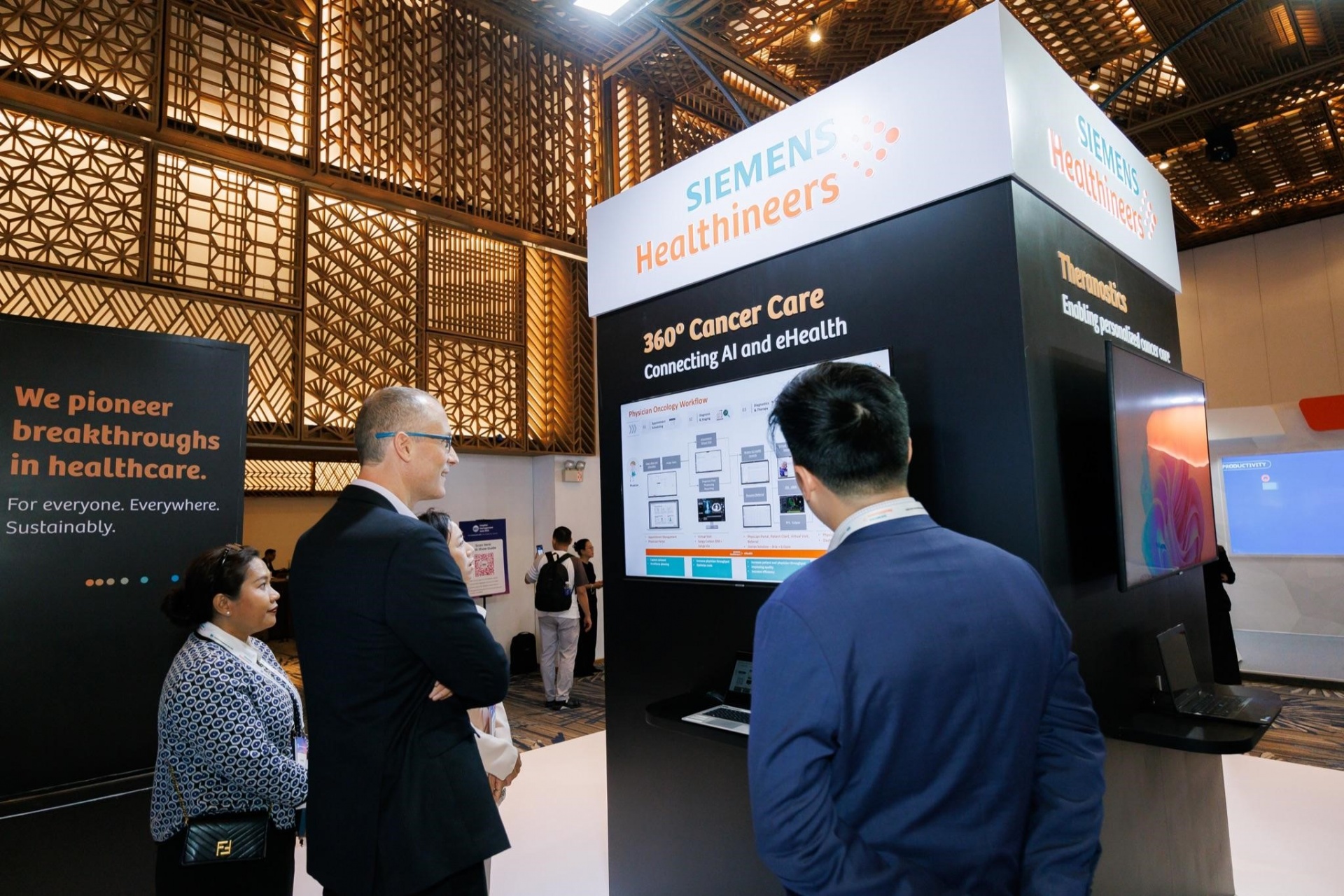 |
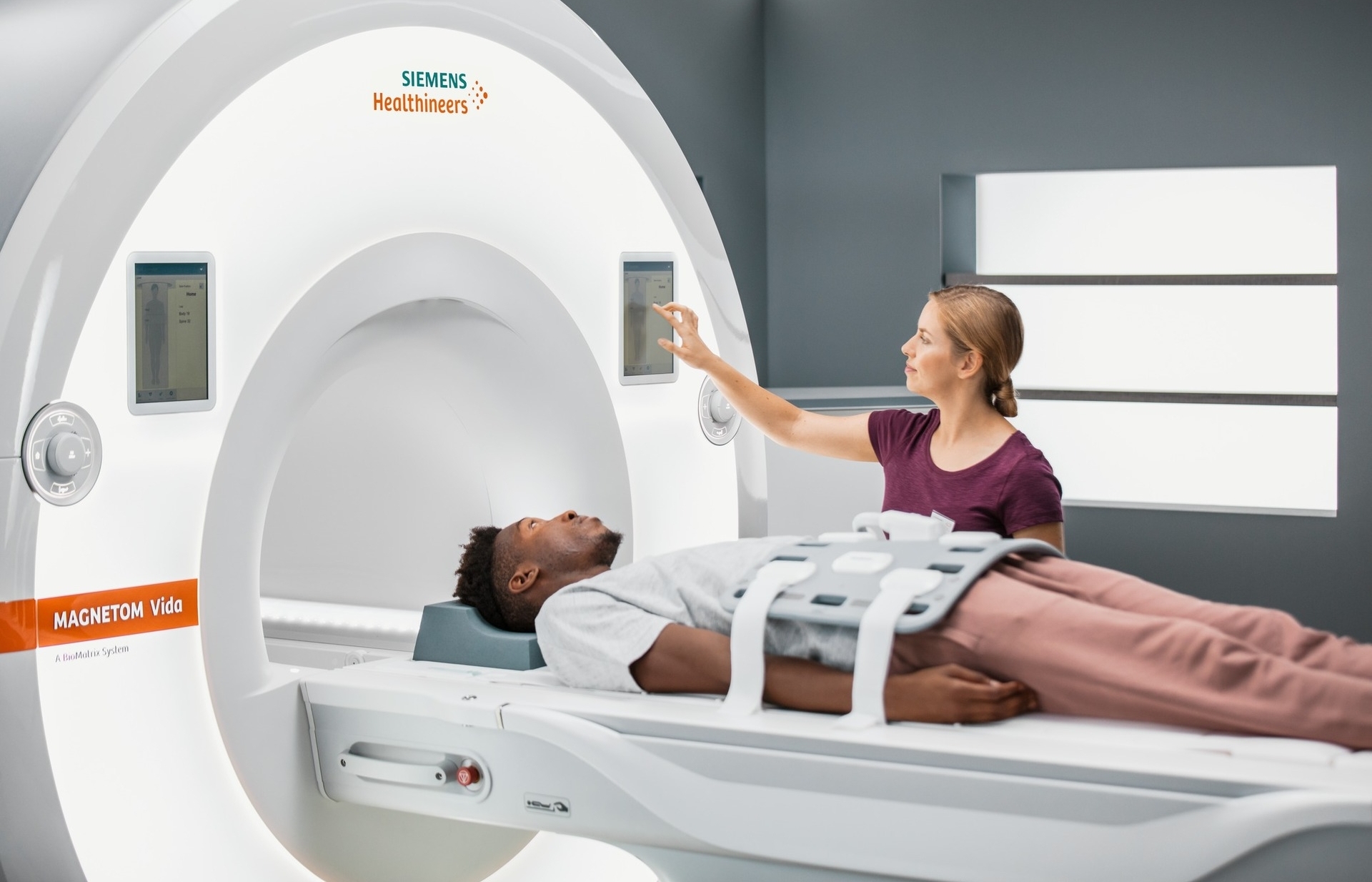
| Siemens Healthineers unveiled innovative healthcare solutions, reaffirming its pioneering role in medical technology |
Leguet predicted Vietnam’s hospital system will increasingly move towards specialised centres. He cited a cardiology facility in Can Tho where patients can be treated within six hours - the ‘golden window’ in emergency medicine - as a model that could be adapted for oncology.
Breast, lung, liver, stomach, colorectal, prostate, and skin cancers could each benefit from dedicated centres with focused workflows and expert doctors.
Yet access remains limited. Despite 90 per cent of Vietnamese being enrolled in public health insurance, many modern cancer therapies are not reimbursed, leaving families to shoulder steep costs.
Drug prices remain high relative to incomes, and national treatment guidelines lag international standards.
“We need the government to step in and negotiate lower drug prices while updating treatment protocols in line with global practices,” said Assoc. Prof. Tran Thi Thanh Huong, vice director of the Vietnam National Cancer Institute. “Technology and partnerships with companies like Siemens Healthineers are critical to improving patient access.”
Breaking barriers
Siemens Healthineers executives say Vietnam’s corporate health checkups are in good position because they are already mandatory compared to countries such as Germany or the US, but they should be expanded to include comprehensive testing such as advanced diagnostic screenings like mammography or even CT lung cancer screening in future.
“Unfortunately, given high pollution in some areas and smoking incidence, low dose chest CT scans can be vital for early lung cancer detection,” said Fabian Martin Singer, general manager of Siemens Healthineers in Vietnam.
Singer also highlighted the importance of public procurement policies. The system has traditionally placed strong emphasis on price, but it is encouraging to see recent steps towards enabling the purchase of high-end equipment, which will help ensure patients benefit from both advanced technology and strong clinical outcomes,” he said.
He noted that private hospitals are raising standards by investing in advanced equipment, and emphasised that with continued support and clear guidelines, public facilities - which serve the majority of patients - will be further empowered to provide access to quality equipment.
He offered to collaborate with the government to prioritise cancer care, channel resources into rural technology and training, and leverage international expertise. “Global collaboration is critical if Vietnam wants to build specialised cancer centres that truly deliver world-class care,” Singer said.
From his experience, Singer acknowledged that Vietnam’s hospitals, like those in Germany, are mostly general hospital facilities that treat every disease.
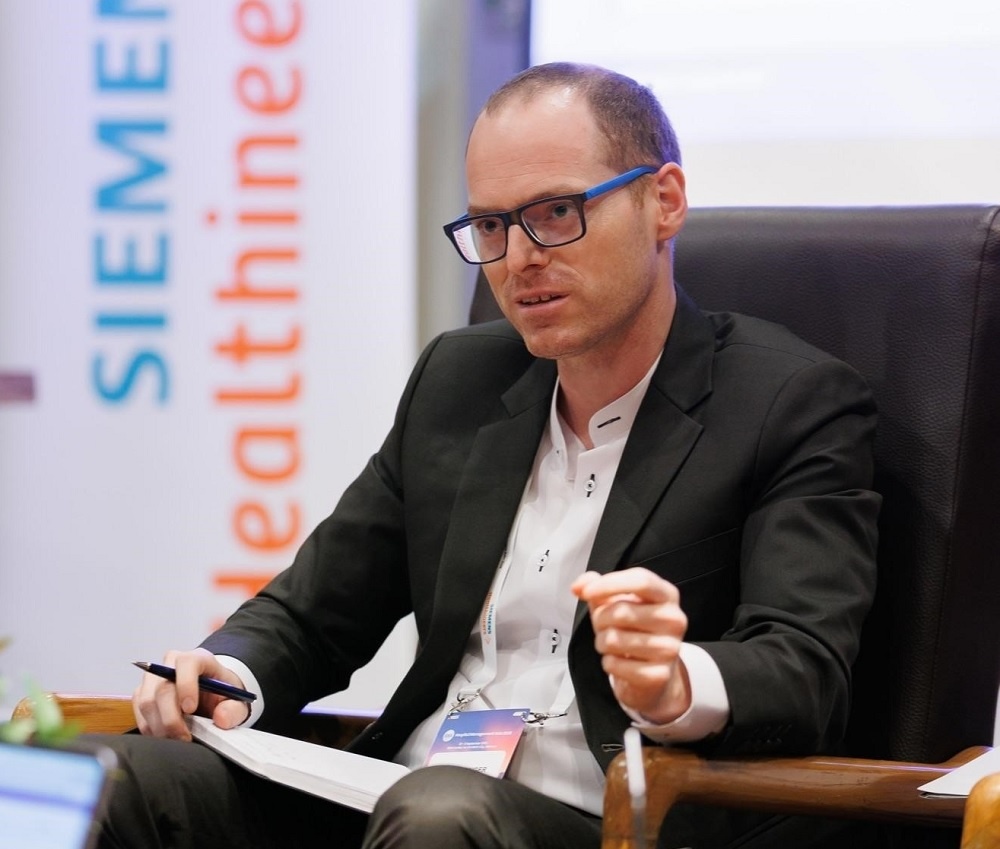 |
“But health systems worldwide are shifting to centres of excellence,” he said. “These are built around a few diseases, with specialised doctors, tailored workflows, and the right technology.”
He cited SIS stroke centre in Can Tho, where patients can arrive even by speedboat and receive imaging and treatment within six hours - the golden window for survival. “That’s the only way to secure good outcomes,” Singer said.
The same model, he argued, should guide cancer care. Vietnam should develop purpose-built oncology centres - even breast- or lung-cancer-specific facilities - rather than adding wards to general hospitals.
Siemens Healthineers, he added, will support that shift not only with technology but also with planning, education, and international collaboration. “We can connect Vietnamese doctors with global experts and help bring the latest knowledge into practice here,” Singer added.
On the other hand, technology and awareness campaigns are also part of the strategy. Siemens Healthineers partners with hospitals who use social media platforms such as Facebook and Zalo to spread accurate and novel health information.
For instance, Singer pointed to Family Medical Practice Vietnam’s breast cancer campaign, which highlighted the case of a Vietnamese woman who is a survivor diagnosed at an early stage through screening and AI confirmation. “She shared her story on Facebook, and it inspired many women to learn from her experience,” he said.
Corporate health programmes, Singer added, could become a cornerstone of Siemens Healthineers’ partnerships in Vietnam - not only to raise clinical standards but also to harness social media for education and early detection.
“Cancer should no longer be seen as a death sentence, but as a journey where patients need long-term support,” Singer said. “That requires connecting technology, expertise, and awareness - and putting patients at the centre.”
 | Siemens kicks off digital training About 1,400 apprentices and university students in work-study programmes have started their professional careers at 23 Siemens locations across Germany. |
 | Hanoi Medical University Hospital opens Breast Imaging Centre with Siemens Healthineers Hanoi Medical University Hospital (HMUH) has acquired the first MAMMOMAT Revelation system from Siemens Healthineers, marking a major advancement in breast cancer screening and diagnosis in Vietnam. |
 | Siemens Healthineers wins best office interior in Malaysia The award reflects the brand’s commitment to workplace innovation and wellbeing. |
What the stars mean:
★ Poor ★ ★ Promising ★★★ Good ★★★★ Very good ★★★★★ Exceptional
 Tag:
Tag:
Related Contents








Latest News




More News
- French experts share AI and digital governance insights in Hanoi (October 11, 2026 | 08:00)
- Digital government push focuses on data connectivity and AI (October 10, 2026 | 08:00)
- Ho Chi Minh City holds dialogue with businesses to address operational hurdles (October 09, 2026 | 17:27)
- AI beginning to reshape recruitment criteria (October 09, 2026 | 16:49)
- Electronics firms boost raw material reserves sevenfold amid supply concerns (October 09, 2026 | 08:00)
- NSRP navigates global energy supply volatility (October 08, 2026 | 16:59)
- Minitab launches campaign to combat illegal software use in Vietnam (October 08, 2026 | 15:54)
- Raising construction materials supply chain standards amid green transition (October 08, 2026 | 14:00)
- Samsung Vietnam to deepen cooperation with local manufacturers (October 08, 2026 | 12:00)
- Sojitz in Vietnam: 40 years from individual projects to a business cluster 'KATAMARI' (October 08, 2026 | 09:00)







 Mobile Version