

Music festivals drive tourism and economic growth in Vietnam

While still at an early stage, Vietnam is beginning to see the emergence of professionally organised events in major urban centres such as Hanoi and Ho Chi Minh City.
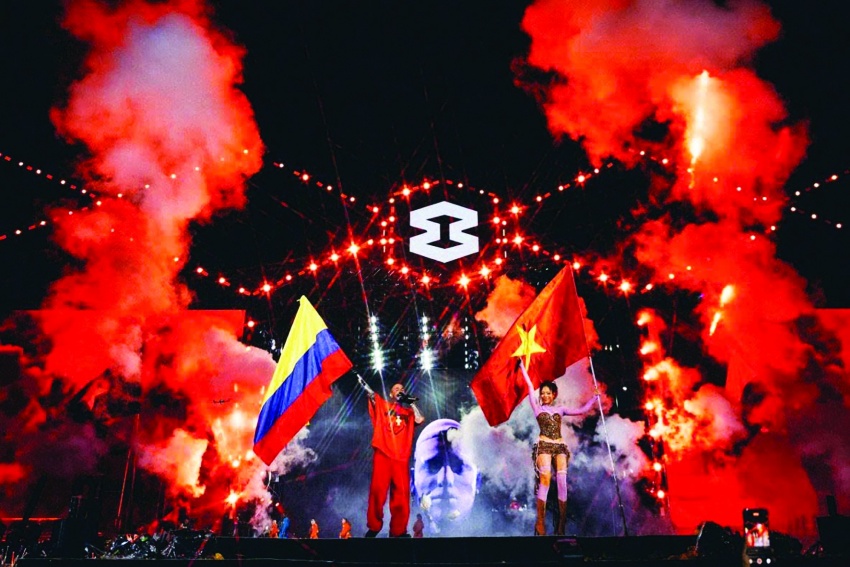 |
| Vietnam has signalled a stronger focus on developing cultural industries and experience-driven tourism. Photo: Viet Channel |
The recent large-scale music events such as the Ravolution Music Festival, held in mid-June in Ho Chi Minh City, was drawing increasing attention across Vietnam. Ravolution has in past years attracted thousands of attendees across multiple editions with international DJs and large-scale stage production.
Meanwhile, Dream Cities, with its latest edition in Hanoi in July, has expanded into a multi-city tour format targeting young audiences in major urban centres and tourist destinations. Both events form part of a broader line-up of music festivals scheduled across 2026, with more large-scale shows expected in the coming months.
Nguyen Dang Tuyet Ngan, a fourth-year student at Hanoi University, has attended Dream Cities for the past two years and is looking forward to its 2026 edition.
“Each year feels different in terms of atmosphere and line-up, so I’m quite excited to see how it develops this year,” she said. “I usually spend around $40-60 on tickets and other costs, which I think is reasonable for the experience. The crowd has also become larger and more diverse.”
She added that many attendees tend to go in groups and stay for the full event, turning it into a full-day experience rather than just a music performance.
These developments are contributing to broader economic activity across related sectors. According to Vietnam’s tourism authorities and statistical data, accommodation and food service revenue increased by around 14.6 per cent on-year in 2025. Festivals, by attracting large numbers of attendees, can support spending across transport, hospitality and food services.
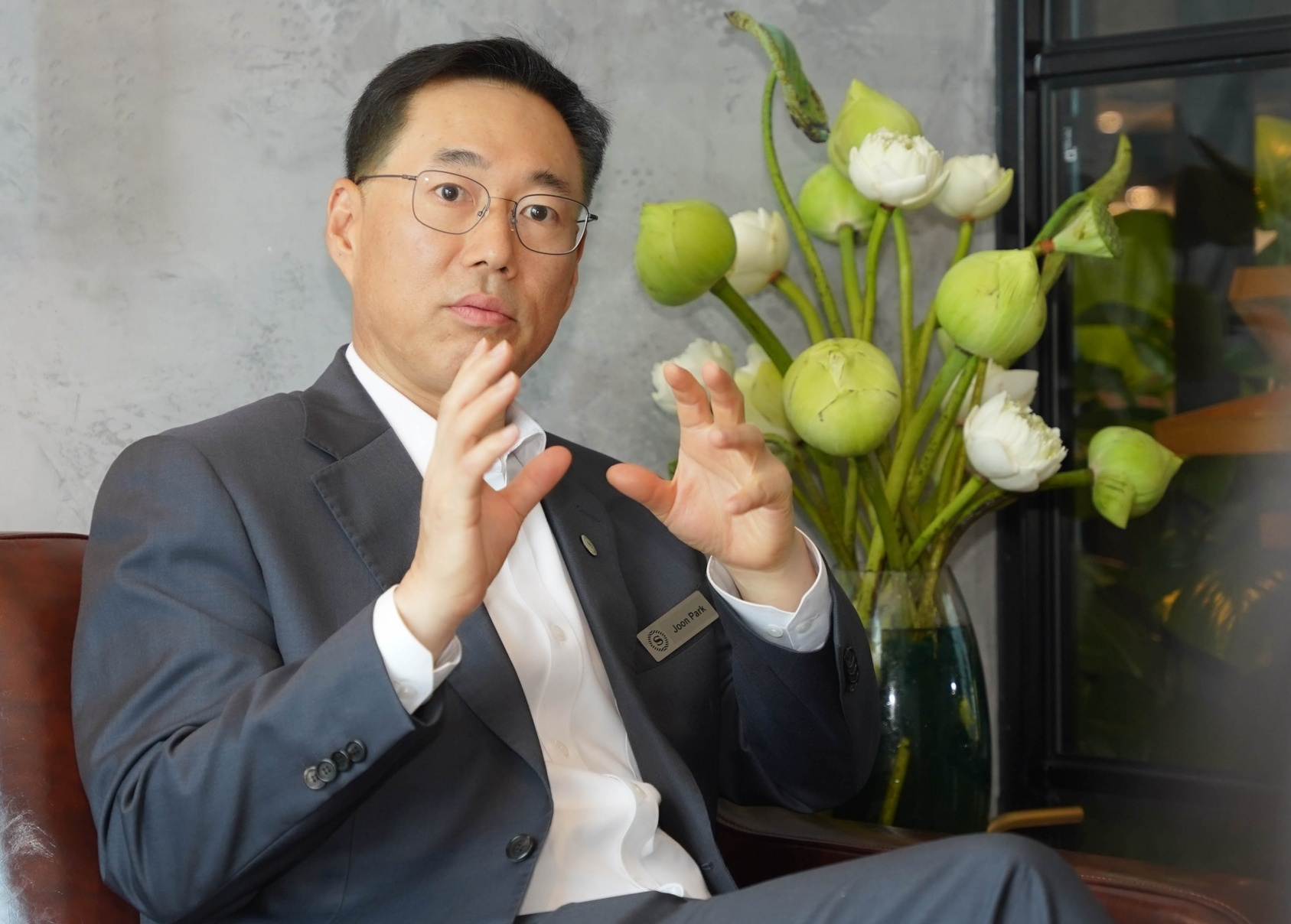
Joon Park, general manager at Sheraton Hanoi West, said concerts and large-scale entertainment events were increasingly generating spillover effects across hospitality and tourism services in Hanoi.
“The Vietnamese government has identified the cultural and event industry as a strategic pillar, recognising culture as a vital engine for economic growth,” Park said. “Every concert at My Dinh Stadium creates a ripple effect throughout the hospitality sector.”
According to Park, recent events featuring artists such as Blackpink, Westlife and Coldplay, alongside Vietnamese performers including Anh Trai Say Hi and Soobin, have contributed to rising hotel occupancy and stronger demand for integrated entertainment experiences.
“Guests are looking for more than just a place to stay. They want food and beverage services, transportation, pre- and post-event lounges, and memorable local activities,” Park said.
He added that Sheraton Hanoi West has coordinated with event organisers to prepare accommodation packages and fan-focused gatherings during concert periods.
Large-scale events hosted in integrated township developments such as Ocean Park are also contributing to rising visitor flows and short-term accommodation demand in suburban urban areas outside central Hanoi.
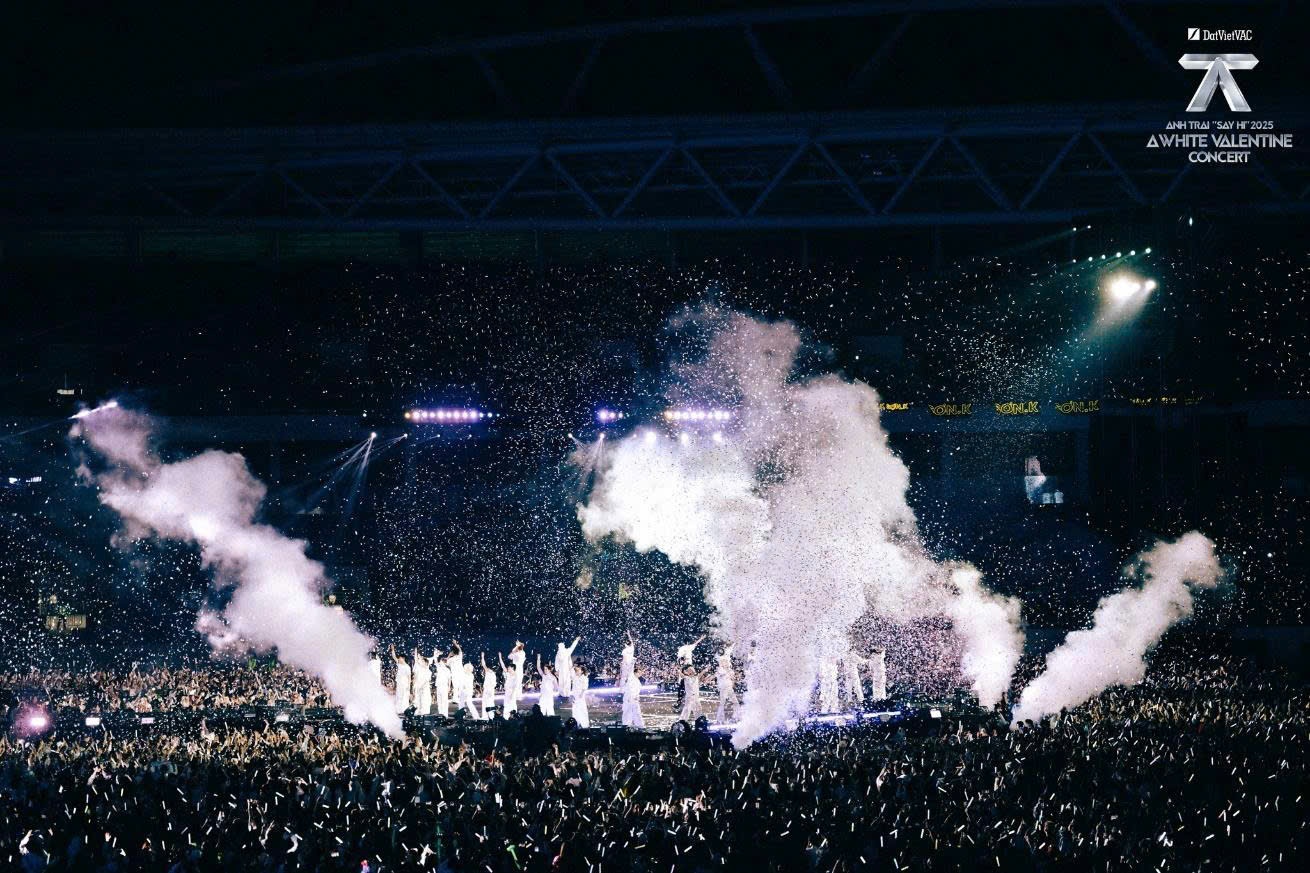 |
| Large-scale festivals are generating spillover effects across tourism and related service sectors. Photo: Viet Channel |
According to Vietnam Music Landscape 2025-2026, published in January by RMIT University Vietnam, the country’s music industry experienced rapid growth in 2025, with a significant increase in both the scale and frequency of live events, including around 800 music-related events recorded. Major concerts typically attracted between 25,000 and 30,000 attendees per night, some reaching up to 100,000 participants.
The report also highlights growing demand for live experiences, particularly among audiences aged 18-34, who represent the largest consumer segment. A significant proportion of respondents expressed willingness to pay for live events, signalling improving commercial viability for concerts and festivals.
Vietnam’s relatively young population, with around 68 per cent of the population in the working-age group according to the National Statistics Office of Vietnam, provides a substantial consumer base for live entertainment and experience-driven tourism.
At the event level, large-scale festivals are generating spillover effects across tourism and related service sectors. Events such as 8Wonder have attracted tens of thousands of attendees, with some drawing close to 100,000 participants, according to organisers. These events have also featured cross-border artistic collaborations, symbolised by the display of national flags during performances, highlighting their role in cultural exchange.
Similarly, domestically produced programmes such as Anh Trai Say Hi are expanding audience reach through digital platforms, recording millions of online interactions.
This growing interest in live experiences is taking place alongside a recovery in tourism demand. Data released in April by the Vietnam National Authority of Tourism show that the country welcomed approximately 6.76 million international visitors in the first quarter, up around 12 per cent on-year and marking the highest quarterly level on record. Tourism-related spending has also remained strong, providing a supportive backdrop for event-based tourism..
At the global level, according to the World Tourism Barometer, published in January by UN Tourism, Asia-Pacific remains one of the fastest-recovering regions. Within the region, recovery continues to gain traction, positioning Southeast Asia as an increasingly competitive destination cluster.
At the policy level, Vietnam has signalled a stronger focus on developing cultural industries and experience-driven tourism. Resolution No.80-NQ/TW, issued in January, sets out the objective of developing Vietnam into an attractive destination for regional and global cultural and artistic events by 2030, alongside boosting international integration in culture.
This development aligns with broader global tourism trends highlighted by UN Tourism. As demand for live experiences grows, music festivals are expected to play a larger role in linking cultural production with tourism and service sector expansion.
What the stars mean:
★ Poor ★ ★ Promising ★★★ Good ★★★★ Very good ★★★★★ Exceptional
 Tag:
Tag:
Related Contents



Latest News


More News
- MLA kicks off ‘Got Beef?’ campaign in Vietnam (August 11, 2026 | 08:00)
- Swan Lake production returns to Ho Chi Minh City (August 03, 2026 | 22:07)
- Coca-Cola launches football-inspired community initiative during World Cup (July 24, 2026 | 08:04)
- IMAX to upgrade three CGV cinemas in Vietnam with laser projection system (July 21, 2026 | 10:36)
- Plan approved for $420 million horse racing complex in Soc Son, Hanoi (July 08, 2026 | 13:37)
- Saigon Centre unveils vibrant world of Japanese culture (July 06, 2026 | 16:28)
- Allure of summer at InterContinental Phu Quoc (June 03, 2026 | 08:00)
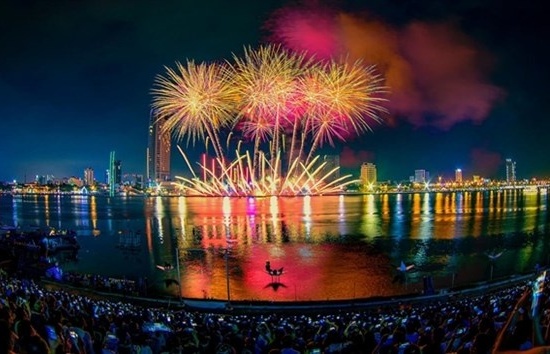
- Danang launches DIFF 2026 with world-class performances (May 31, 2026 | 08:00)
- HBO Max makes foray into Vietnamese market (May 13, 2026 | 17:59)
- Xoe Thai dance takes centre stage at Muong Thanh Tet 2026 (March 11, 2026 | 12:42)






 Mobile Version