

Hanoi pilots programme to phase out dog and cat meat trade

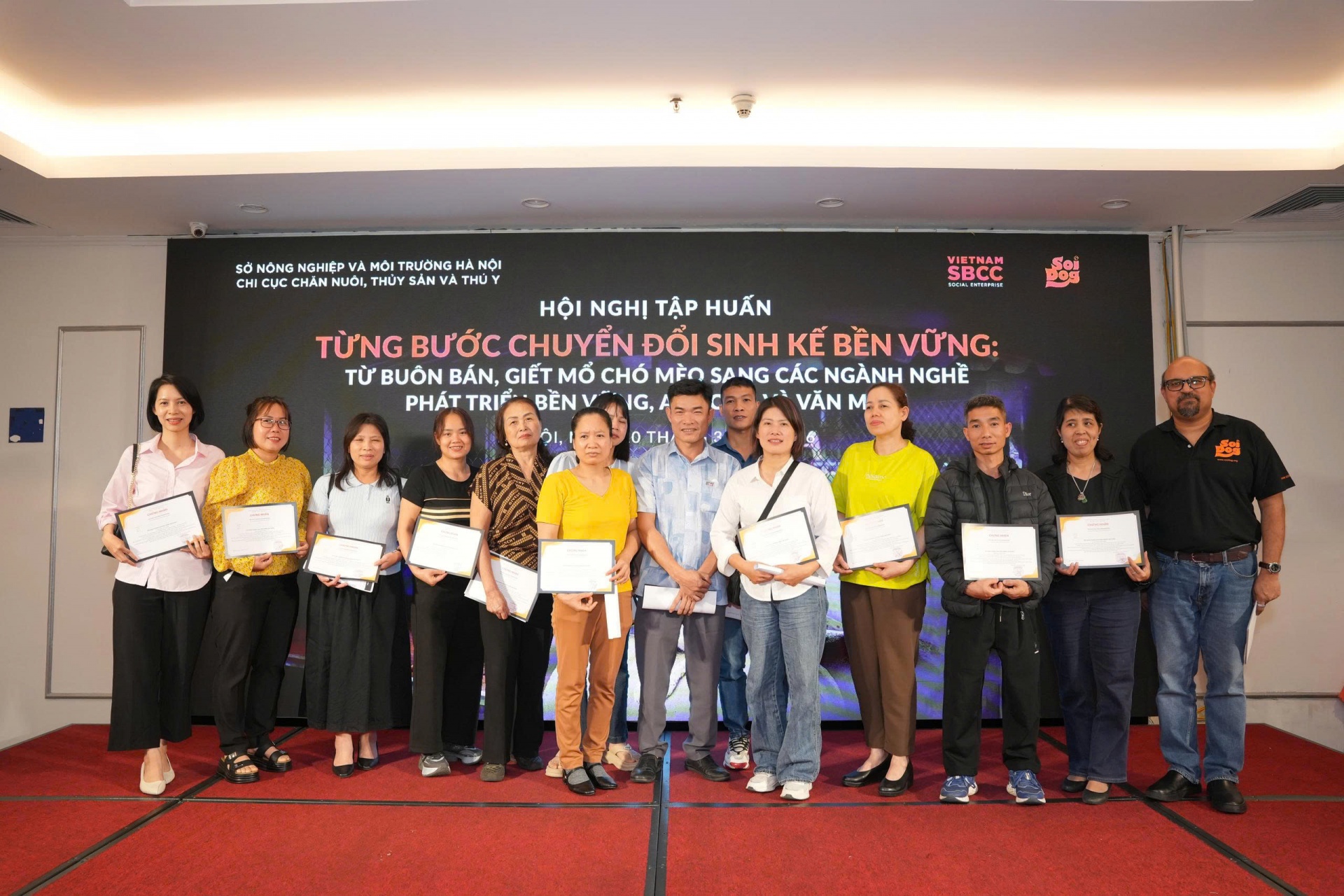 |
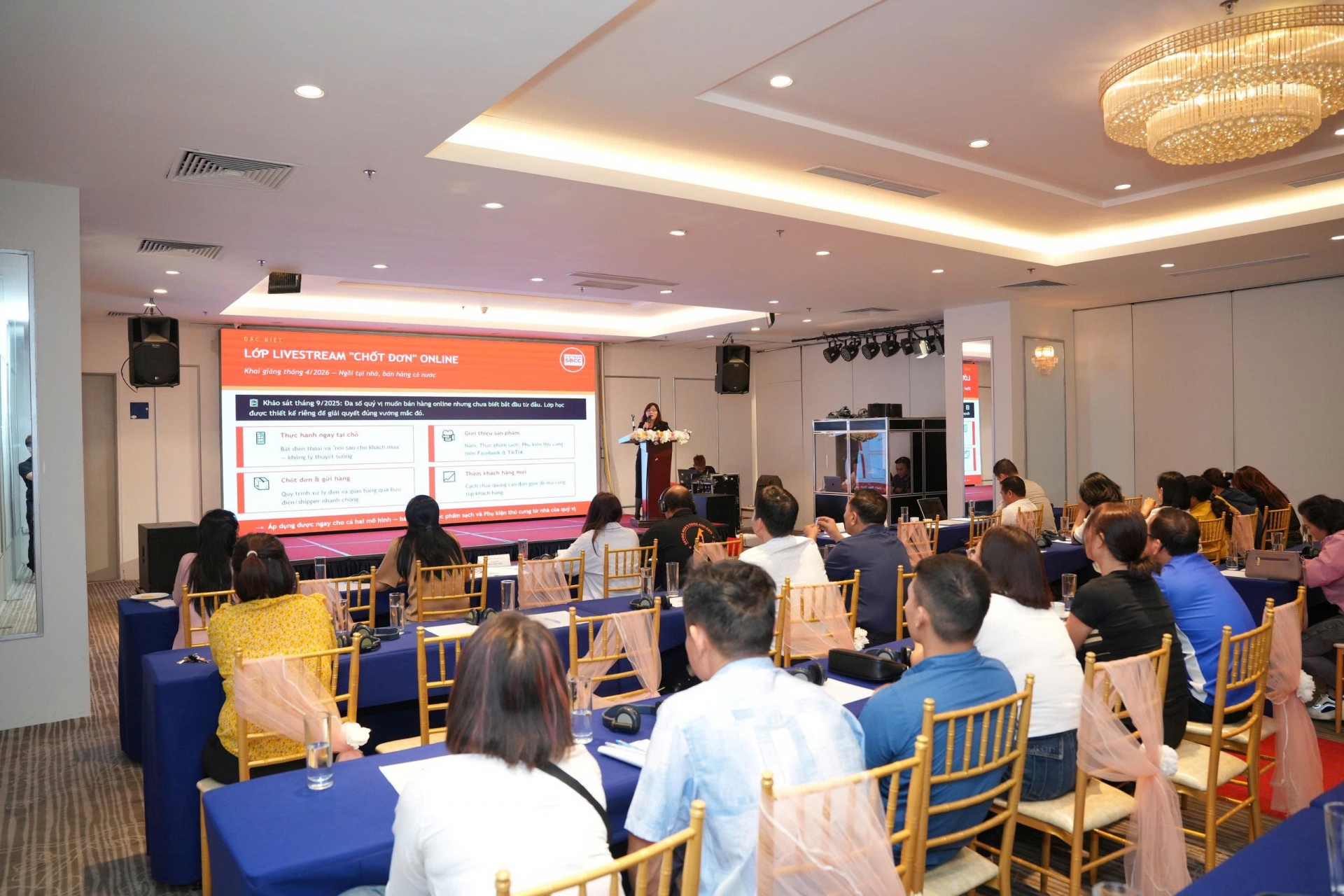
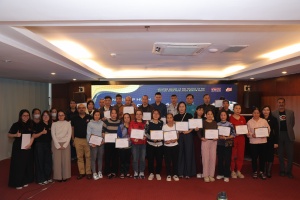
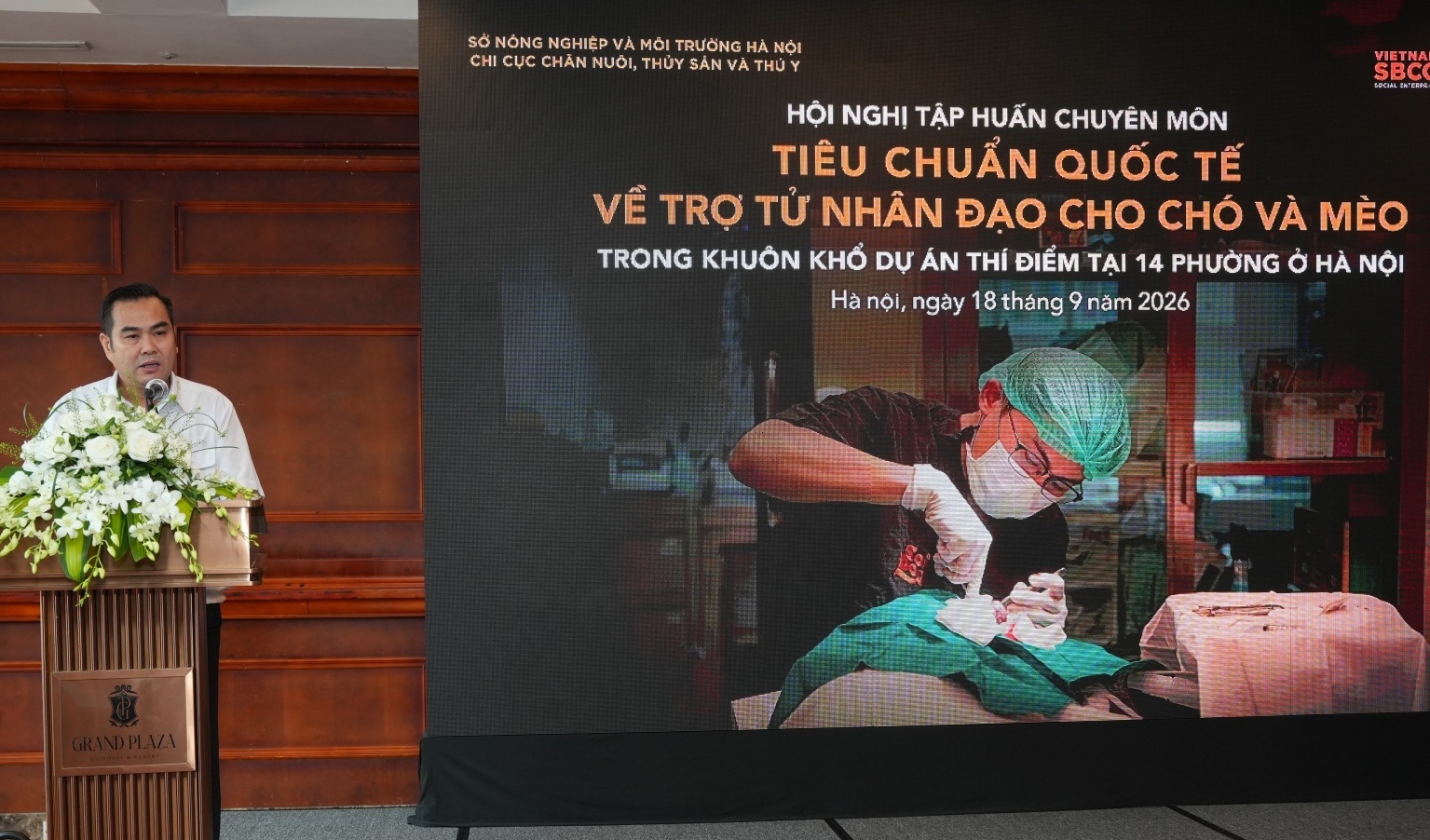
The event took place on March 20, organised by Hanoi Sub-Department of Animal Husbandry, Aquaculture, and Veterinary Medicine, in collaboration with Soi Dog Foundation and Vietnam Social and Behaviour Change Communication for Sustainable Development Company (SBCC Vietnam). The conference aimed to promote a phased transition to more sustainable and civilised occupations.
This marks the second training session in the programme series, a core activity of a project approved by the Hanoi People's Committee last July aimed at piloting a model for rabies prevention and the phased transition away from dog and cat meat trading in selected wards of the city. The scheme pursues two parallel objectives: contributing to the national goal of zero human rabies deaths by 2030, while strengthening disease management and control capacity and gradually applying animal welfare standards in line with international practices.
The initiative represents a significant step towards building a more civilised and safe urban environment, aligning with global trends in animal welfare. Through the project, the city is demonstrating a proactive commitment to supporting residents in a sustainable livelihood transition – a long-term direction being implemented systematically.
According to data from early 2026, Vietnam has recorded 10 suspected rabies cases and deaths across 10 provinces and cities. Hanoi has reported rabies outbreaks in three hamlets across two communes – Ha Lac and Ha Bang – resulting in the culling of 28 animals (27 dogs and one cat) and a significant number of people requiring post-exposure prophylaxis treatment. The figures reflect a persistent and complex disease situation, highlighting the need for more coordinated and decisive intervention measures.
At the conference, experts presented updates on the current situation and new 2026 regulations, highlighting the direct link between dog and cat slaughter and trading activities and the risk of rabies transmission – particularly in the context of Hanoi having just recorded two local outbreaks.
The city is tightening control over food traceability, eliminating street vending stalls and makeshift markets on pavements and roadways, and conducting multiple surprise and periodic inspections of business licences, invoices, and documentation proving product origin, and facility hygiene conditions throughout 2026.
Nguyen Dinh Dang, head of Hanoi Sub-Department of Animal Husbandry, Aquaculture and Veterinary Medicine, stated, "We commend the pioneering spirit of the nearly 10 business households who registered for transition after the first training session. They are seen as positive change catalysts – role models to inspire their communities. We wish to make one thing clear: the city is not here to create obstacles, but to accompany and genuinely support residents through this transition."
"The recent rabies outbreaks occurring within Hanoi itself serve as a stark warning that the rabies pathogen remains an active public health threat, necessitating the coordinated implementation of comprehensive prevention and control measures – including the regulation of the trade and slaughter of dogs and cats. The proper management of dog and cat meat processing and commercial activities contributes to upholding urban civility and public order, safeguarding the lives of residents, and advancing the vision of Hanoi as a civilised, modern, and disease-safe capital city," he added.
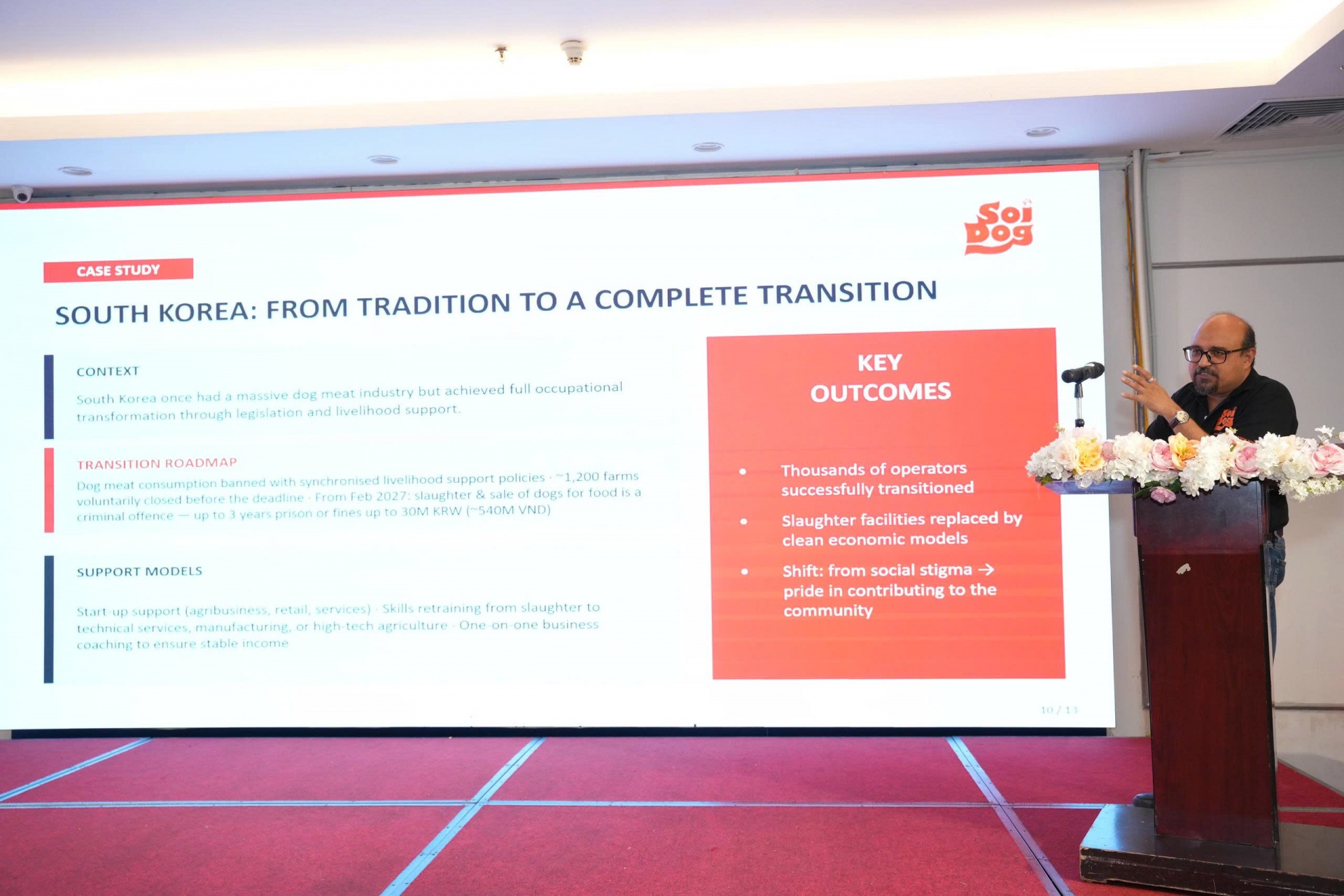 |
| Faizan Jalil, senior manager at Soi Dog Foundation |
According to Faizan Jalil, senior manager at Soi Dog Foundation,"Market data shows that Hanoi's pet services industry is growing strongly, creating numerous career opportunities with stable income and a more professional working environment."
"Drawing on our implementation experience in Thailand and other countries in the region, we can confirm that when people are provided with viable livelihood alternatives – with a concrete, step-by-step roadmap and meaningful accompanying support – the vast majority are willing and successful in transitioning to new, safer, and more sustainable occupations, with income equal to or even greater than before," he said.
"Soi Dog Foundation is committed to providing comprehensive support, from vocational skills training and startup assistance to market linkages and business partner networking," Jalil added.
Bui Thi Duyen, director of SBCC Vietnam, said, "We are delighted that nearly 10 households registered to join the transition after the first training session. This is testament to the spirit of daring to change for a better future. We hope more dog and cat slaughter and trading business owners will register after today's training."
"These trailblazers are finding a more sustainable path for themselves – their courage in leaving behind old habits will be a powerful inspiration for the broader community," she added. "We are committed to providing dedicated support to those who register early, so we have time to walk this journey together and make the most of available resources."
Tran Van Tuan, a dog meat business owner in Duong Noi ward who registered for the initiative, said, "Having worked in this trade for over a decade, I know its instability. The economy is declining, customers are few, and regulatory pressures keep tightening."
"Living amid unsanitary conditions with health risks constantly lurking, I know I cannot keep going down this road. When I learned there was a structured support programme, I saw this as a genuine opportunity to change. I want my children to see their father doing work they can be proud of," he added.
The scheme offers free support to dog and cat slaughter and trading establishment owners who voluntarily join, including vocational training, startup assistance, business consulting, market linkages, and legal support.
The conference marks a milestone in integrating disease prevention with sustainable development. Organisers hope the pioneers will become role models, motivating more to join the transition.
 |
 | Hanoi strengthens rabies control and supports transition of dog and cat meat trade A training conference was held in Hanoi on October 28 to discuss how to strengthen rabies control and facilitate the transition of the dog and cat meat trade. |
 | Conference focuses on switch from dog and cat meat trade to sustainable, safe jobs A training conference on "Sustainable Livelihood Phased-Transition: From Dog and Cat Meat Trade to Sustainable, Safe, and Civilised Occupations" took place in Hanoi on December 10. |
 | Hanoi steps up rabies prevention through public awareness A mass communications campaign on rabies prevention and animal welfare has been launched in Hanoi to raise public awareness and promote a safer, more civilised urban environment. |
What the stars mean:
★ Poor ★ ★ Promising ★★★ Good ★★★★ Very good ★★★★★ Exceptional
 Tag:
Tag:Related Contents





Latest News




More News
- HER2+ breast cancer carries $3.71 billion productivity burden in Vietnam (July 30, 2026 | 14:32)
- Party Resolution charts Vietnam’s development model through 2045 and beyond (July 30, 2026 | 12:29)
- STEM education evolves for AI era (July 21, 2026 | 09:38)
- Vietnam’s workforce ready for AI era (June 26, 2026 | 16:04)
- Why child online safety is now a business imperative (June 24, 2026 | 11:00)
- Hybrid work is reshaping Vietnam’s labour market (June 17, 2026 | 16:24)
- World's children exposed to at least three overlapping climate threats (June 17, 2026 | 15:54)
- Thai Nguyen event promotes safer food systems for World Food Safety Day (June 11, 2026 | 14:08)
- Vietnam emerges as rising hub for wealth creation (June 02, 2026 | 18:31)
- Danang launches DIFF 2026 with world-class performances (May 31, 2026 | 08:00)









 Mobile Version