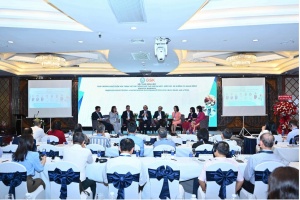
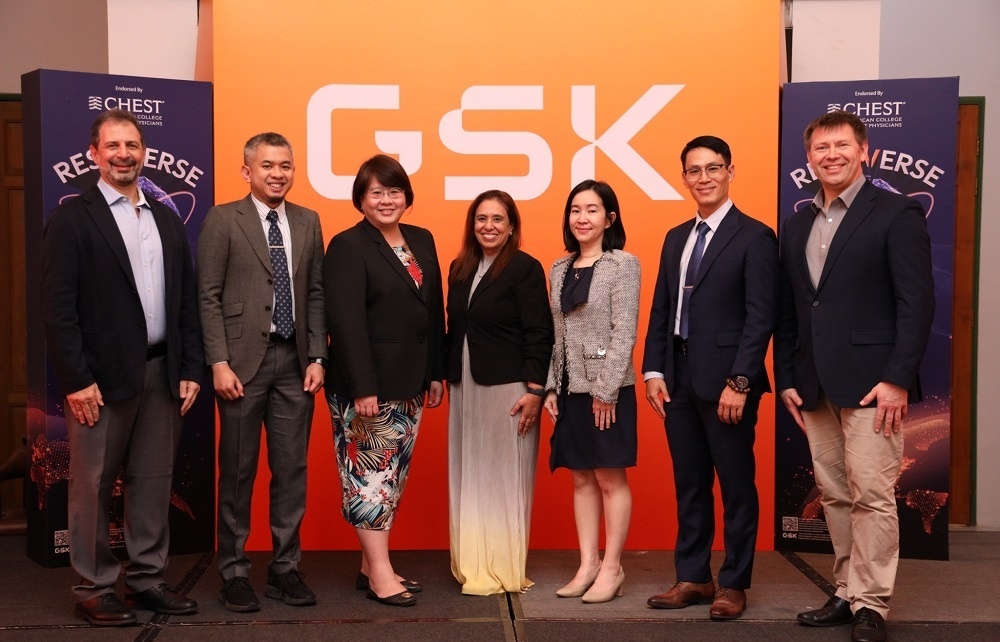
Ahead of World Antimicrobial Awareness Week (November 18–24), the Vietnam Respiratory Society hosted a symposium on antibiotic resistance and strategies for treating infections on October 25 in Hanoi and October 26 in Ho Chi Minh City. The event, organised in collaboration with GSK Vietnam, aimed to raise public and professional awareness, encourage responsible antibiotic use, and promote sustainable treatment strategies.
Antimicrobial resistance (AMR) is an urgent global public health threat, with the potential to cause at least 10 million deaths annually by 2050 – matching the mortality of cancer – if effective action is not taken. The World Health Organisation (WHO) warns that, beyond mortality and illness, AMR also carries substantial economic costs.
Vietnam is among the countries increasingly affected by AMR, largely due to the overuse or misuse of antibiotics over many years, including for non-bacterial infections. In treating community-acquired respiratory infections, some cases – particularly in children – require high-dose antibiotics. Alarmingly, resistance rates for Streptococcus pneumoniae and Haemophilus influenzae, the main pathogens behind pneumonia, otitis media, and sinusitis, have reached concerning levels.
In light of this situation, healthcare professionals gathered at the event explained the need for coordinated multidisciplinary action to control AMR, especially in the context of widespread antibiotic overuse for mild respiratory conditions.
Dinh Xuan Anh Tuan, former president of the University of Corsica, France, noted that in 2019, one in five deaths among children under five was linked to antimicrobial resistance. He explained that unnecessary antibiotic use destroys beneficial bacteria that protect the body, allowing resistant bacteria to grow, dominate, and even transfer resistance to other bacteria.
“Antibiotic overuse is accelerating this process, turning resistance into a global issue that threatens public health, hampers economic development, increases poverty, and worsens social inequalities,” Tuan said.
He added, “Even more concerning, the growing prevalence of antimicrobial resistance is making antibiotics less effective, raising the risk of death from infectious diseases and pushing medicine back to the 19th century, when many infections were considered incurable.”
According to data from the National Children’s Hospital, respiratory diseases have accounted for the highest hospitalisation rates from 2020 to 2024 and show an annual upward trend. The main bacteria causing community-acquired pneumonia in children in Northern Vietnam are Haemophilus influenzae, Streptococcus pneumoniae, and Moraxella catarrhalis. Most of these strains exhibit high resistance to commonly used beta-lactams and macrolides - the antibiotics most frequently prescribed today.
“Paediatric antibiotic stewardship strategies should follow the WHO classification framework, which divides antibiotics into three groups: Access, Watch, and Reserve, to ensure accurate and rational prescribing,” said Tran Minh Dien, president of the Vietnam Pediatric Association.
“Beyond adhering to these stewardship strategies, it is essential to use diagnostic tools to identify the causative pathogens. This enables correct and adequate antibiotic use while reducing unnecessary prescriptions for viral infections,” added Dien.
Pham Tuan Canh, vice president of the Vietnam Otorhinolaryngology Association, noted that ear, nose, and throat infections, as well as community-acquired pneumonia, are common respiratory conditions in adults. They contribute significantly to hospitalisations and mortality, particularly among older patients and those with underlying health conditions.
“Current data show that pneumococcal strains causing respiratory infections have markedly reduced susceptibility to second-generation cephalosporins and macrolides,” he said. “This is a warning sign of increasingly complex antibiotic resistance, requiring close coordination between microbiological testing and rational antibiotic selection in clinical practice.”
Citing the Ministry of Health’s antibiotic use regulations, Nguyen Hoang Anh, director of the National Centre for drug information and adverse drug reaction monitoring, said, “Understanding antibiotic classification, pharmacokinetics, and pharmacodynamics is fundamental to selecting the right antibiotic, with accurate and sufficient dosing to overcome bacterial resistance and ensure effective treatment from the initiation phase. The role of community pharmacists and pharmacies is to provide proper counselling, helping patients adhere to the full course of antibiotic therapy, thereby contributing to reducing antimicrobial resistance.”
Ngo Quy Chau, president of the Vietnam Respiratory Society, said controlling antimicrobial resistance requires a comprehensive approach, especially in respiratory, otorhinolaryngology, and paediatric care, where antibiotic use is most common.
“To build an effective infection management strategy, we must rely on up-to-date microbiological data from hospitals, research initiatives such as SOAR, and surveys on medication use. At the same time, harmonising treatment guidelines and implementing education and training for healthcare professionals at all levels are crucial to ensure the long-term efficacy of antibiotics,” Chau added.
 |
To combat AMR and support global healthcare efforts, GSK launched the Fleming Initiative in 2024, a global network bringing together expertise in science, clinical practice, policy, and community engagement to develop innovative solutions.
With more than 70 years in antibiotic research, production, and supply, GSK currently holds the largest AMR-focused research and development portfolio in the industry, including over 30 medicines and vaccines in development, 12 of which target pathogens classified as 'critical' or 'urgent' by the WHO and the US Centres for Disease Control and Prevention.
In Vietnam, GSK has contributed to AMR efforts for over three decades. Pham Thi My Lien, president of GSK Vietnam, said, “We are proud to work with health organisations, the British Embassy, medical associations, hospitals, pharmacies, and healthcare professionals to promote the rational use of antibiotics and expand vaccine coverage. Through these initiatives, we aim to preserve the effectiveness of antibiotics in treating community-acquired respiratory infections.”
 | Prevention the key to addressing respiratory health challenges Amid growing cases of pulmonary-related diseases, prevention is considered the key to addressing respiratory health challenges, according to experts. |
 | Nearly one in four adolescents carry invasive meningococcal disease without symptoms The Vietnam Association of Preventive Medicine in collaboration with GSK Vietnam have held a symposium on invasive meningococcal disease (IMD) to update the epidemiological situation and promote a proactive prevention strategy in Vietnam. |
 | University of Medicine and Pharmacy develops vaccinology postgrad course The University of Medicine and Pharmacy at Ho Chi Minh City held a seminar on strategic directions for its vaccinology postgraduate curriculum on November 10, in collaboration with GSK Vietnam. |




 Tag:
Tag:






















 Mobile Version