
DKSH’s blueprint for sustainable supply chain resilience amid climate change

How does DKSH incorporate climate risk into its overall supply chain strategy, and adapt its supplier engagement strategy to promote climate resilience and sustainability?
As a leading market expansion services provider in 36 markets, DKSH embeds climate considerations into its supply chain strategy to safeguard reliable and sustainable access to high-quality products. This commitment is reflected in our group-wide approach to climate resilience, anchored by a goal to achieve net-zero operations.
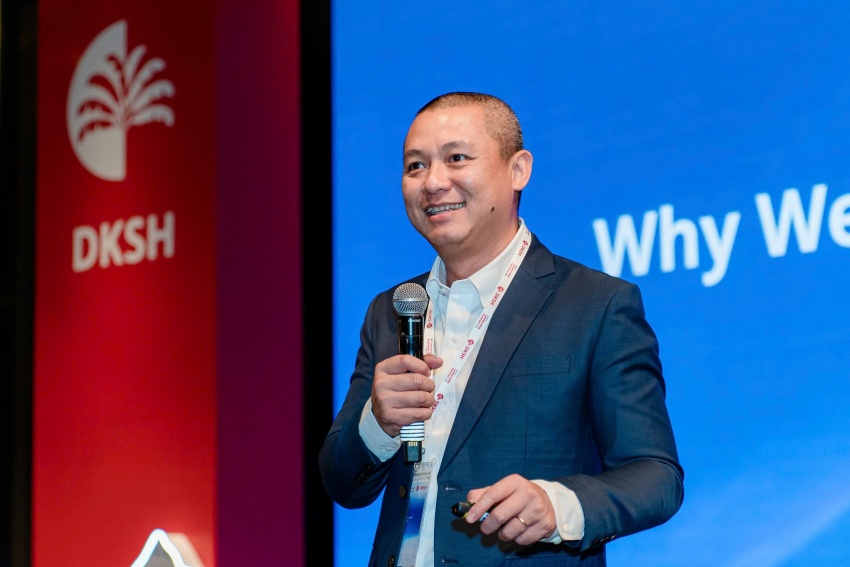 |
| Kim Le Huy, vice president of business unit consumer goods at DKSH Vietnam. Photo: DKSH |
Supporting this ambition is a 55 per cent reduction in Scope 1 and 2 emissions since 2020, driven by a comprehensive framework that integrates climate factors into logistics, infrastructure, and procurement planning.
In Vietnam, our distribution centres are strategically located to ensure constant access to essential products and minimise impacts in cases of climate disruptions such as flooding. We also invest in energy-efficient infrastructure, route optimisation, and digital inventory systems to reduce emissions and improve responsiveness.
Supplier engagement is equally critical. Through our Responsible Procurement Policy and structured supplier assessment roadmap, we actively collaborate with local and regional partners to ensure sustainable sourcing, ethical labour practices, and climate-smart operations.
By aligning our suppliers with DKSH’s sustainability goals, we are not only mitigating risk, we are building a resilient ecosystem that can thrive in a changing climate.
What are the most significant climate-related risks DKSH has identified in its supply chain, especially in Asia’s high-risk regions (e.g. flooding, drought, extreme heat)?
With a strong focus in Asia-Pacific, DKSH has been observing different climate-related challenges in the region like flooding, drought, extreme heat, cyclones, and wildfires. Each of these can disrupt supply chains by affecting transport infrastructure, cold chain operations, and warehouse integrity.
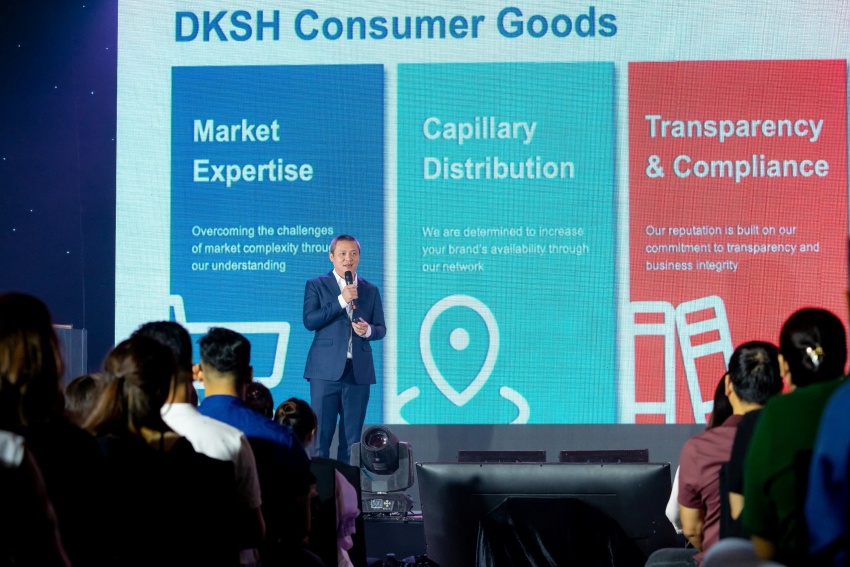 |
| Kim Le Huy, vice president of business unit consumer goods at DKSH Vietnam. Photo: DKSH |
However, the most critical risk we’ve identified is the potential disruption of essential healthcare and consumer goods. These are products people rely on daily, and any delay in delivery can have serious consequences for public health and wellbeing.
To address this, we’ve embedded climate resilience into our supply chain strategy and business continuity planning. This includes reinforcing warehouse structures to withstand extreme conditions, securing cold chain facilities against power outages, and designing flexible logistics routes that can adapt to seasonal disruptions.
We also manage broader risks such as hazardous goods handling, waste disposal, and ethical sourcing through robust policies and supplier engagement.
Our goal is clear, to ensure uninterrupted access to vital products, no matter the conditions. For DKSH, climate resilience is not just a safeguard but a strategic commitment to our partners and the communities we serve.
How does DKSH ensure supply chain continuity in the face of extreme weather events or natural disasters linked to climate change?
Our strategy for ensuring supply chain continuity against extreme weather events is multi-layered, combining robust risk management, infrastructure investment, and sustainable logistics to create a system that adapts quickly and operates safely under such conditions.
At the foundational level, we operate under Business Continuity and Crisis Management Policy. This policy provides detailed guidelines for business recovery to minimise operational downtime and ensure the supply of essential products for consumers and patients. BCP is regularly updated to reflect evolving climate realities and lessons learned.
Secondly, we are strengthening our resilience through sustainable and decentralised infrastructure. DKSH operates a broad logistics network, which includes multiple major distribution centres. This geographical diversification helps us reroute shipments swiftly through alternative hubs and transport corridors if a typhoon or flood affects one area.
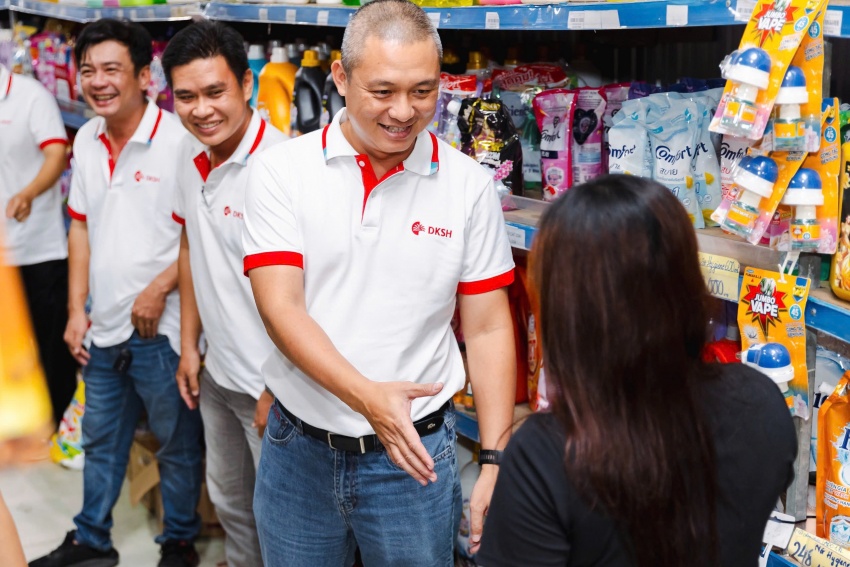 |
| Photo: DKSH |
We are also investing in energy-efficient equipment and renewable energy solutions, such as solar panels, to improve self-sufficiency and maintain operations even during energy interruptions.
Thirdly, we employ optimised logistics and transportation practices to balance efficiency and environmental responsibility. Our transport management solutions allow improving end-to-end visibility, facilitating order consolidation, and optimising delivery routes. Besides, initiatives like the Minimum Order Value programme consolidate shipments and reduce unnecessary trips.
What role does digitalisation or data analytics play in improving DKSH’s ability to respond to climate-related supply chain disruptions?
Digitalisation and data analytics are important to DKSH’s strategy for building resilient and future-ready supply chains, especially in the face of climate-related challenges. As extreme weather events and environmental shifts increasingly impact global logistics, our ability to anticipate and adapt becomes critical.
At DKSH, we leverage AI-powered tools to analyse vast datasets across our sourcing, production, and logistics networks. This enables us to identify potential disruptions early, such as those caused by floods, droughts, or typhoons and make proactive, data-driven decisions to mitigate their impact, ensuring continuity in the flow of goods and services.
Moreover, digitalisation enhances transparency and collaboration across our supply chain ecosystem. By integrating real-time data from suppliers, partners, and customers, we improve end-to-end visibility and agility. This is especially vital in Vietnam, where diverse geography and climate variability demand localised, responsive strategies.
Ultimately, digital transformation empowers our teams to build supply chains that are not only more efficient but also more sustainable and adaptive to the evolving climate landscape.
What are the biggest climate-related challenges DKSH expects for its supply chains in the next 5-10 years? How is DKSH positioning itself to remain competitive while enhancing the climate resilience of its operations?
We expect that over the next decade, climate change will continue to challenge supply chain resilience across Asia. We have identified some challenges.
Drought stress threatens the availability of raw materials for clients in the food, healthcare, and performance materials industries.
Heat stress increasingly impacts workforce safety and productivity, driving absenteeism and talent shortages.
Rising sea levels and extreme weather disrupt logistics and energy infrastructure, causing delivery delays, higher costs, and operational interruptions.
To remain competitive and climate-resilient, DKSH has long embedded sustainability into our core business strategy. We are committed to reducing total Scope 1 and 2 market-based greenhouse gas emissions by 65per cent in 2025 and 70 per cent by 2027 (from a 2020 baseline), with a net-zero target in our operations.
We are investing in renewable infrastructure and low-carbon logistics. By 2030, 30 per cent of our fleet will be electric or hybrid, and solar PV systems will be standard for all new distribution centers. Initiatives such as TMS and MOV continue to enhance efficiency while reducing emissions.
In parallel, DKSH is expanding ISO 14001 and ISO 45001 certifications for its distribution centers, strengthening our commitment to environmental management and workplace safety. Vietnam, and other markets such as Thailand and Hong Kong, achieved certification in 2024, with DKSH Vietnam recognised among the Top 50 Corporate Sustainability Awards in the market.
By turning climate risk into strategic advantage, DKSH continues to build resilient, sustainable supply chains, reinforcing our position as the trusted market expansion services partner for long-term growth in Vietnam and beyond.
What the stars mean:
★ Poor ★ ★ Promising ★★★ Good ★★★★ Very good ★★★★★ Exceptional
 Tag:
Tag:Related Contents







Latest News




More News
- DKSH's blueprint for resilient supply chains (September 14, 2026 | 14:00)
- Vietnam’s challenge to turn market reform into long-term capital (September 08, 2026 | 09:16)
- Smarter infrastructure design key to Vietnam’s AI ambitions (August 24, 2026 | 16:27)
- Strategic vision key to high-speed rail success in Vietnam (August 07, 2026 | 10:03)
- DSV backs Vietnam's push for more sustainable logistics (August 04, 2026 | 17:10)
- Roche Pharma Vietnam appoints new general manager, reinforcing commitment to Vietnam healthcare (July 23, 2026 | 15:41)
- Constant Energy on Vietnam solar power and policy hurdles (July 22, 2026 | 08:00)
- Key points when drafting a company charter to reduce disputes in Vietnam (July 20, 2026 | 08:00)
- AkzoNobel executive on sustainability as a manufacturing growth driver (July 10, 2026 | 14:53)
- LivWell expands holistic health ecosystem for businesses and communities in Vietnam (July 09, 2026 | 16:43)









 Mobile Version