
Building a culture of long-term investing in Vietnam

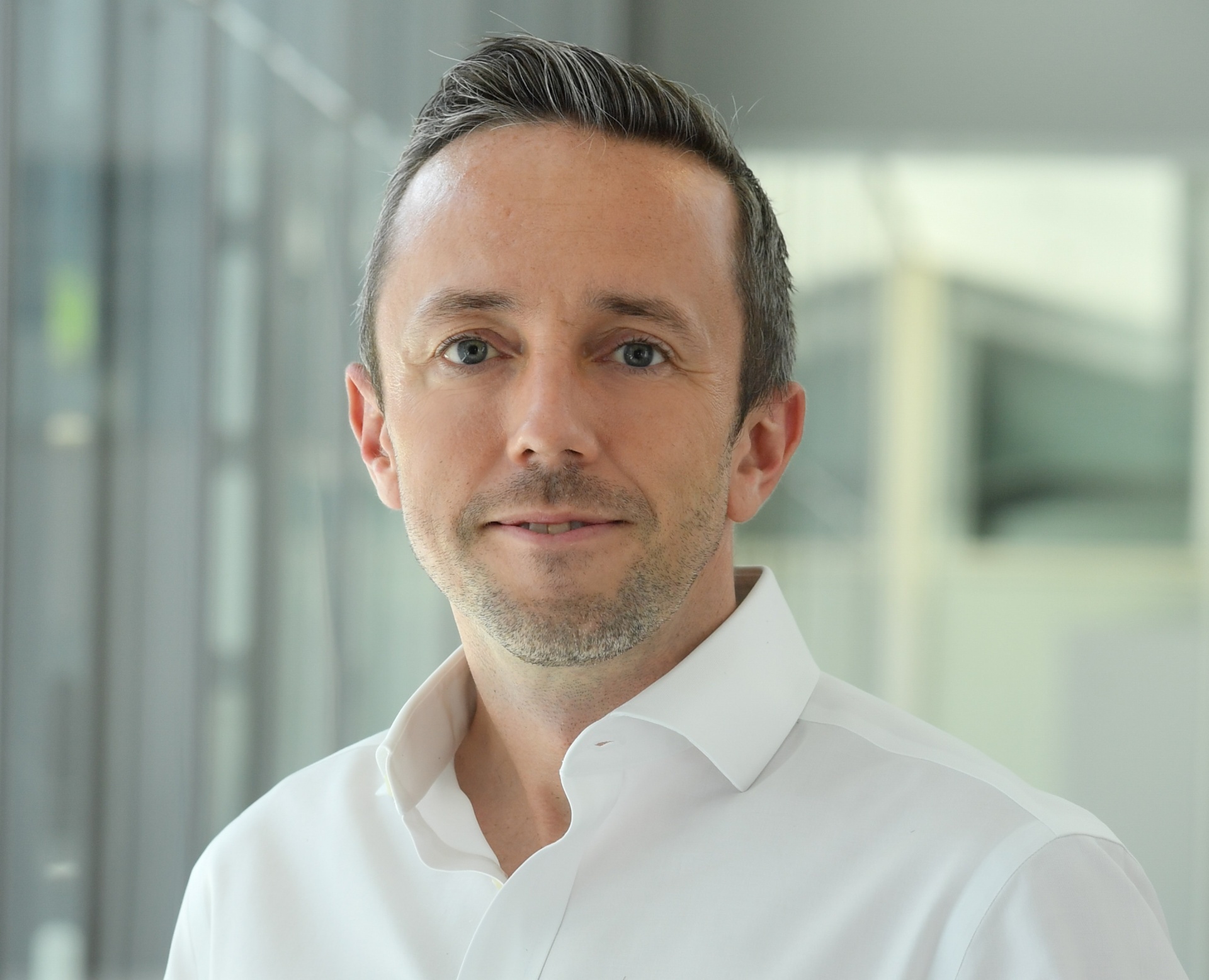 |
| Photo: HSBC |
Vietnam’s capital markets have advanced in recent years, with reforms improving market access and strengthening infrastructure. The next phase is not just about attracting capital, but also about helping more Vietnamese savers participate in the country’s growth through long-term investment.
Developing the domestic fund sector is an important part of that transition. It can broaden the choices available to households while supporting a more diverse investor base and the financing needs of the economy.
The Ministry of Finance’s Decision No.3168/QD-BTC, issued in September 2025, approves the scheme to restructure the investor base and develop the securities investment fund industry. It encourages individuals to invest through funds, alongside greater institutional participation, growth in fund assets and stronger supervision. These priorities complement reforms aimed at widening access for foreign investors.
Retail investors remain central to Vietnam’s equity market. VSDC figures reported in July 2024 showed individuals held more than 99 per cent of trading accounts. That demonstrates broad participation, but account numbers alone do not tell us how people invest. The opportunity is to make professionally managed funds a more familiar option alongside direct stock ownership.
For households, funds pool investors’ money into portfolios managed by professionals. Broadly diversified funds can reduce dependence on the fortunes of a few companies and offer a practical route to long-term investing. They can also make portfolio management more accessible to people who lack the time or expertise to research individual stocks.
The economic case is complementary. Capital markets help connect savings with businesses seeking finance. A larger domestic fund sector could broaden the pool of investors available to support companies’ long-term funding needs. Fund managers can also engage with companies on governance and disclosure, helping improve the information available to both local and foreign investors. These are potential contributions, rather than outcomes guaranteed by fund growth alone.
Vietnam has a substantial household savings base. The State Bank of Vietnam reported household deposits of VND11.22 quadrillion ($431 billion) at the end of July 2026. This illustrates the scale of savings, not the amount available or suitable for investment in funds. Deposits serve important needs, while funds may form part of a longer-term strategy for savers willing and able to accept investment risk. The aim is wider choice, not wholesale replacement of deposits.
Product availability alone will not create a fund-investing culture. Trust, education and ease of access matter too. India offers a useful example: the Association of Mutual Funds in India launched its multilingual 'Mutual Funds Sahi Hai' campaign in March 2017 under the securities regulator’s guidance. Television, digital and other media explained funds and regular investing through systematic investment plans. The lesson is the value of sustained, accessible education, not that a campaign alone caused industry growth.
Education should explain both diversification and its limits. Bessembinder and colleagues’ study of more than 64,000 global stocks over 1990–2020 found that a small minority of companies accounted for net stock market wealth creation. This supports the case for broad exposure rather than reliance on identifying a few winners; it does not establish that mutual funds outperform other investments. Fund values can fall, fees affect returns, and suitability depends on the portfolio and the investor’s circumstances.
For Vietnam, clear explanations of costs, risks, governance and how to invest will be essential. Digital enrolment and wider distribution could make funds easier to access, broadening distribution alongside securities companies and fund managers. Accessibility should mean helping savers make informed choices, rather than presenting funds as an automatic default. Confidence in investor protection and transparent information is as important as a straightforward application process.
A deeper domestic fund sector can complement foreign inflows and direct retail participation. A broader mix of investors with different investment horizons may make the market less dependent on a single source of capital. It should not, however, be presented as a guarantee of stability: local funds also respond to market conditions and investor withdrawals.
This is not about discouraging direct equity investment or assuming all retail trading is speculative. Individuals will remain an important part of Vietnam’s market. The objective is to ensure that those seeking a professionally managed, longer-term approach can find understandable products and participate with confidence. Direct stock ownership and collective investment can coexist within a more balanced investment culture.
That aligns with Vietnam’s ambition to develop deeper financial markets capable of supporting long-term economic growth. Success is not just about market size or classification, but also about informed participation, diverse sources of capital, and a financial system that serves households and businesses effectively.
As an international bank with a long-standing presence in Vietnam, HSBC welcomes the Ministry of Finance’s plans to develop the fund sector and broaden the investor base. Better access, financial education, and strong market safeguards can help translate those ambitions into meaningful choices for Vietnamese savers.
Vietnam’s next market milestone may be less visible than an index upgrade, but equally important: making long-term investing through funds a familiar option. With trust, transparent products, and informed investors, a stronger domestic fund sector could help connect household financial goals with the country’s wider development ambitions.
 | FX pressures to persist but remain manageable in H2: HSBC Ngo Dang Khoa, country head of Markets and Securities Services at HSBC Vietnam, spoke with VIR’s Hong Dung about the outlook for Vietnam’s FX market, the USD/VND exchange rate, and key risks shaping market expectations in the second half. |
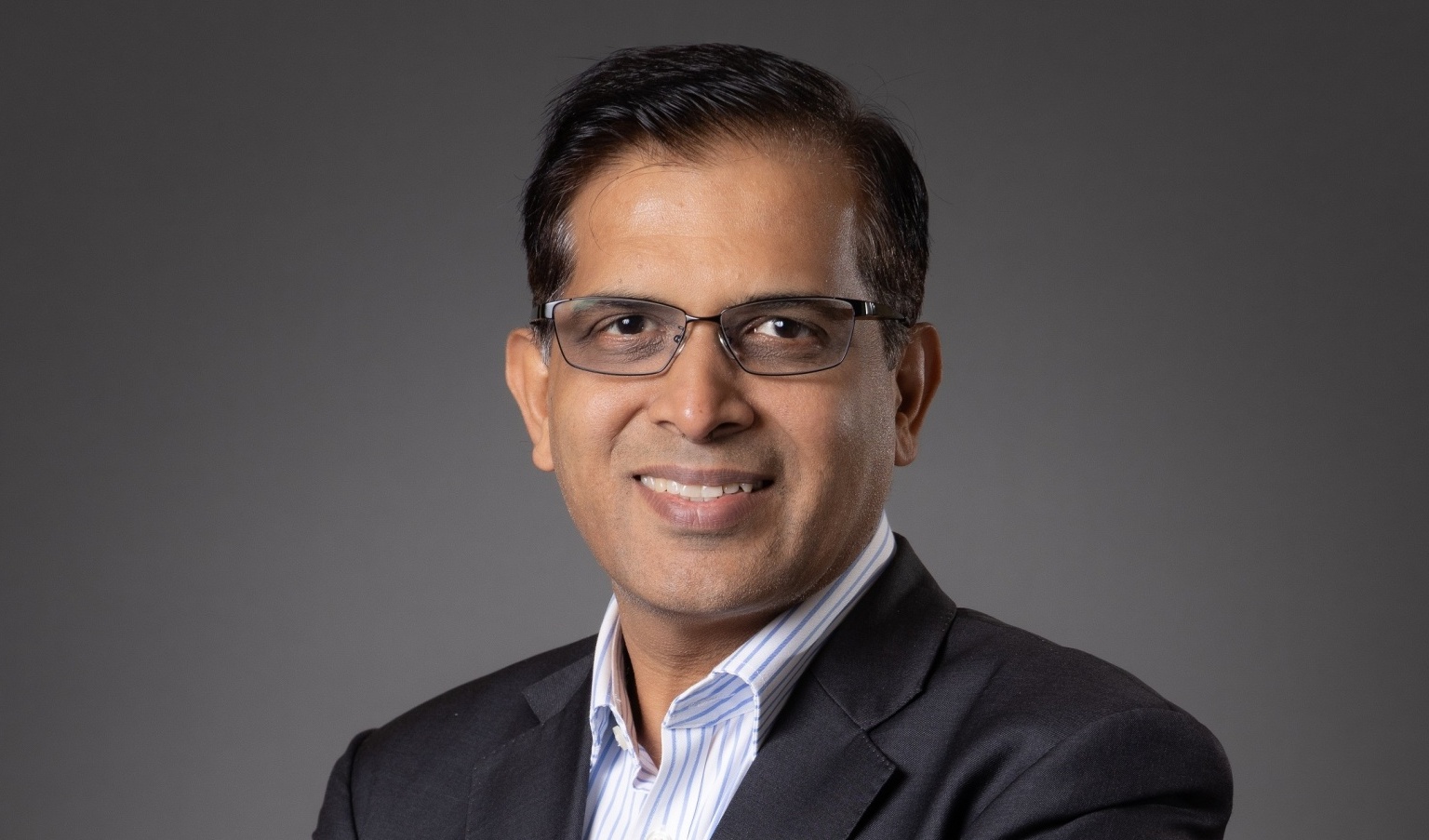
 | Corporate treasury on the cusp of AI transformation Manoj Dugar, head of Global Payments Solutions, Asia ex Greater China, HSBC, explores how AI is transforming treasury operations. |
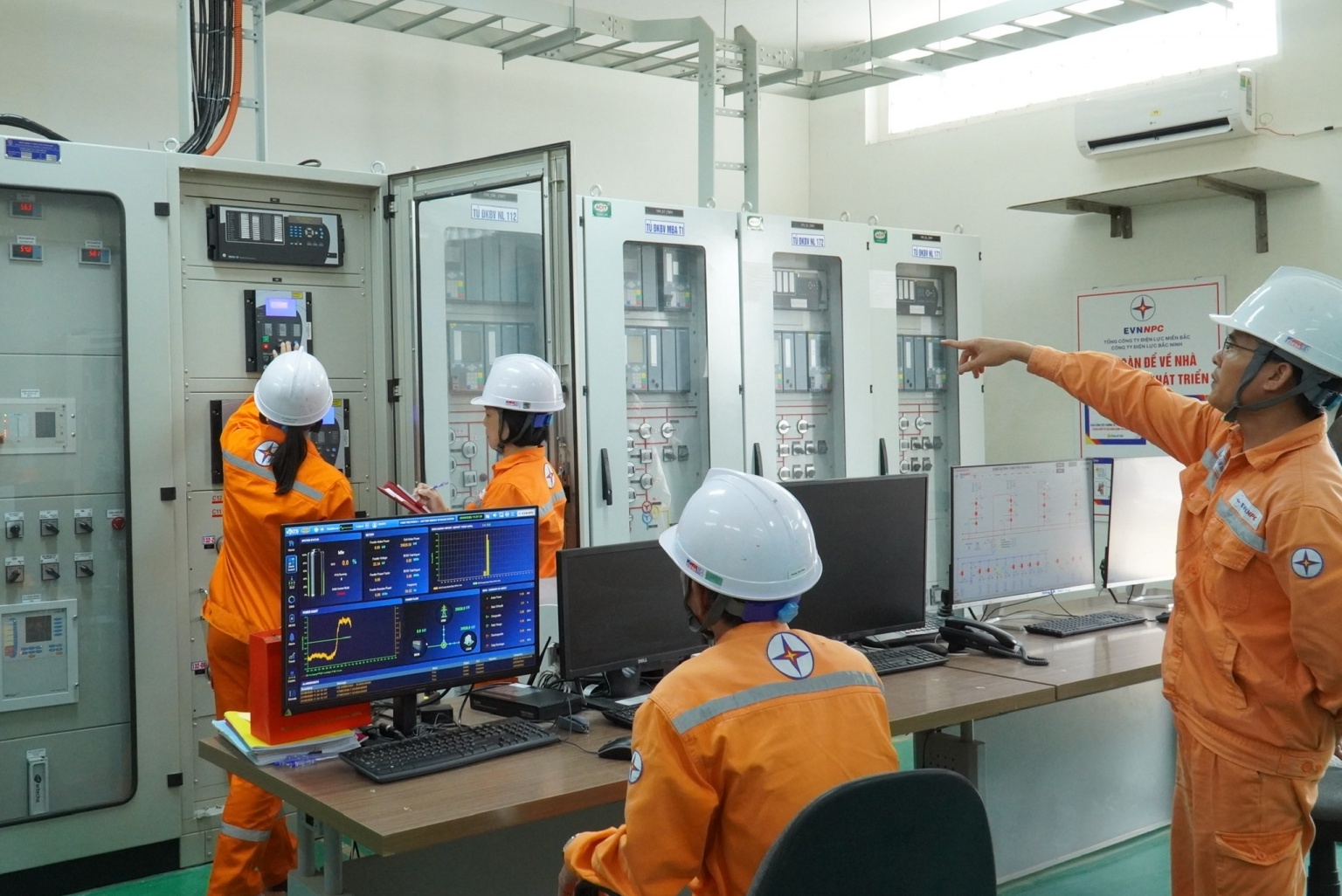
 | HSBC arranges EVNNPC's debut $105 million green loan HSBC Vietnam on October 27 announced it has successfully arranged Northern Power Corporation’s debut offshore $105 million syndicated green term loan facility. |
What the stars mean:
★ Poor ★ ★ Promising ★★★ Good ★★★★ Very good ★★★★★ Exceptional
 Tag:
Related Contents




Latest News
More News
- AEON expands northern Vietnam footprint (November 09, 2026 | 15:07)
- South Korean firms stay put in Vietnam despite rising costs (November 09, 2026 | 15:00)
- Hyundai mulls investment in Posco battery anode plant in Vietnam (November 06, 2026 | 15:29)
- Ho Chi Minh City seeks South Korean investment in major projects (November 06, 2026 | 10:16)
- National Assembly to consider investment plans for three expressway projects (November 05, 2026 | 17:00)
- Data centre growth sharpens focus on power supply (November 05, 2026 | 12:09)
- SCG highlights Vietnam's higher-value manufacturing role (November 05, 2026 | 12:06)
- Vietnam's FDI inflows hit highest level since 2009 (November 05, 2026 | 12:00)
- IIP grows 12.4 per cent in 10 months, highest since 2019 (November 05, 2026 | 11:59)
- Russia and Vietnam expand cooperation on nuclear energy (November 04, 2026 | 17:20)








 Mobile Version