
Vietnam’s street food adored by all

For many international visitors, experiencing these humble yet flavourful local delicacies is far more than just a matter of taste – Vietnamese cuisine becomes an integral part of the journey itself. Linh Vy asked some travellers which food gave them the most unique pleasure on their trip.
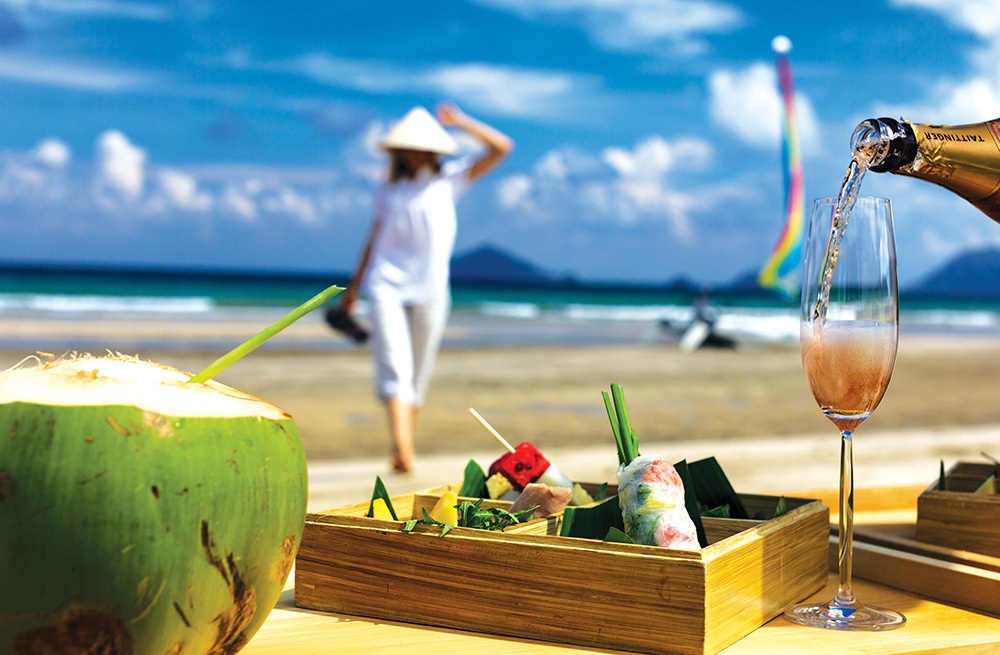 |
| Vietnam’s street food adored by all |
‘Bun cha’ is the champion - Li Wei Chinese tourist
I’m from Chengdu, a city known for bold, spicy food, so I wasn’t sure what to expect when I visited Hanoi. But Vietnamese street food really surprised me. It felt both familiar and different at the same time.
One of my favourite dishes was bun cha. The grilled pork was juicy with a smoky flavour, and it came with a pile of fresh herbs and noodles, all dipped into a sweet and sour fish sauce. It wasn’t too heavy, just the right balance. I ate it on a tiny plastic stool, surrounded by locals who were chatting and laughing. No one rushed. People were really enjoying their food, and that relaxed atmosphere made it even better.
Walking through Hanoi’s Old Quarter was like walking through a food market that never ends. Every street had a different smell: grilled meats, fried pancakes, fresh herbs. I tried banh xeo, these crispy pancakes filled with pork, prawn, and bean sprouts. You wrap them in lettuce and dip them in sauce. I’d never eaten anything quite like it.
What really stood out to me was the harmony in the food. In China, our flavours can be bold and intense. In Vietnam, everything is more balanced, nothing overpowers the dish. There’s sweetness, sourness, crunchiness, and freshness in every bite. And everything is made with so much care.
The experience of eating in Hanoi wasn’t just about filling my stomach. I learnt a lot just by sitting there and observing. Hanoi’s street food is something I’ll remember for a long time.
I love ‘Banh cuon’ - Min-Ji Park South Korean tourist
I’ve always loved the rhythm of eating out in Seoul. When I arrived in Hanoi, I was curious to see how the city’s street food culture compared. What I found was something completely different, yet just as alive.
Hanoi’s food scene isn’t loud or fiery, but it’s deeply expressive. Dishes like banh cuon, those delicate rice rolls filled with wood ear mushrooms and pork, were made right in front of me, steam rising from the cloth as the batter turned into thin sheets. It felt more like watching an artisan than a street vendor. Each plate was served with quiet pride and a dipping sauce that pulled all the flavours together, sweet, salty, and a little bit sour.
One morning, I stumbled upon a woman selling yellow sticky rice near Hoan Kiem Lake. It was nothing fancy, just sticky rice, mung bean paste, crispy shallots, and a bit of oil, but it tasted like comfort. It reminded me of the way South Korean food often connects you to your roots. That simple dish became my favourite breakfast in Hanoi.
I also noticed how much care and patience goes into everything. While Seoul street food is often fast and spicy, Vietnam’s felt slower, more reflective. People sat quietly on small stools, no one in a rush, just enjoying the moment. For me, Vietnam’s street food isn’t just delicious, it reflects a culture that values subtlety, freshness, and community.
‘Bun Rieu cua’ is my favourite dish Devon Ray Smith British tourist
As a food lover, I arrived in Hanoi with high expectations. Vietnamese street food is famous worldwide, but tasting it in the city itself was a unique experience.
My first bowl of bun rieu cua (crab noodle soup) on a cool morning in the Old Quarter was simple but full of flavour and warmth.
My favourite was cha ca La Vong, grilled fish with turmeric and dill, served with rice noodles and fresh herbs. I still remember the smoky aroma and the sound of the fish sizzling on the grill.
What stood out to me was the connection between vendors and customers. Sitting on small plastic stools by the street, with no menu or prices displayed, felt personal and genuine. It showed a level of trust and comfort that’s rare in many places.
I also tried egg coffee, one of the most renowned drinks everyone recommends when travelling to Vietnam. At first, I thought coffee with egg would be strange, but it was creamy and delicious, like a dessert and coffee combined.
Back home, I’ve tried many popular food trucks, but Hanoi’s street food is different. It’s part of everyday life, cheap, quick, but never rushed. It brings people together, and I have great respect for the cooks who feed the city, one bowl at a time.
‘Com tam’ for the win Simon Parker Australian tourist
One of the first dishes I tried was com tam, broken rice served with grilled pork, a fried egg, and pickled vegetables. Unlike any rice I had tasted before, the grains were soft yet textured, perfectly absorbing the smoky char of the pork and the sharp tang of the pickles. The dish’s simplicity belied its remarkable balance of flavours and textures, leaving a lasting impression.
What stood out most was how food in Hanoi is seamlessly integrated into everyday life. From early morning vendors selling sticky rice to late-night stalls grilling marinated beef skewers, the city’s streets buzz with activity around the clock.
One afternoon, I discovered a modest local spot known mainly to residents, where I enjoyed a bowl of chao suon, a comforting rice porridge with pork ribs.
The warmth of the broth, the softness of the rice, and the subtle aroma of fresh herbs combined to create the ultimate comfort food, especially welcome on a humid Hanoi day. Humble in presentation but unforgettable in taste.
I also ordered green lemon iced tea while taking in the view of St. Joseph’s Cathedral. This refreshing, locally cherished drink is best enjoyed seated on a small plastic stool, embodying the authentic Hanoi coffee culture. The location, directly opposite the cathedral, offers a perfect vantage point to appreciate this iconic landmark.
What truly impressed me was the generosity behind each meal. Vendors serve with genuine smiles, welcoming all like old friends. Coupled with extremely reasonable prices, this hospitality makes it easy to explore Hanoi’s culinary landscape without hesitation.
Fresh and joyful ‘Banh mi’ Julien Moreau French tourist
As a French person, food is woven into my cultural identity. We value balance, freshness, and the subtle art of simplicity. So imagine my surprise when I found Hanoi’s street food reflecting those same values, yet in a way entirely its own.
My very first bite was of banh mi, that iconic Vietnamese sandwich often compared to our own baguette traditions. But this was something else. The bread was crisp yet light, with a delicate crunch that gave way to tender, flavour-packed fillings: savoury pate, juicy grilled pork, tangy pickled carrots, fresh coriander, and a whisper of chilli heat that awakened my senses. It was a perfect balance of textures and flavours, simple, yet utterly unforgettable.
Then I tried bun rieu cua, a crab noodle soup bursting with bright, comforting flavours. Each spoonful was a dance of tangy tomatoes, sweet crab meat, and fragrant herbs, warming me on a cool Hanoi morning. The freshness was palpable, the kind of food that feels both nourishing and joyful.
What moved me most was the soulfulness behind the food culture here. Street vendors work from dawn, setting up humble stalls where the city’s pulse can be felt, people gathering, chatting, and sharing more than just a meal. There’s no rush, no pretence. You sit on tiny plastic stools, surrounded by the clatter of pots and sizzling sounds, the aroma weaving through the air like a promise.
I also discovered nuoc mia - fresh sugarcane juice, served ice-cold and impossibly sweet. It was a simple pleasure, a burst of sunshine on a bustling street corner, refreshing me like no fancy drink could.
 | Vietnam among top five in the world for street food (infographics) Ho Chi Minh City of Vietnam ranks fourth among the world's 50 best cities for street food, according to a new survey by US business magazine CEOWorld. |
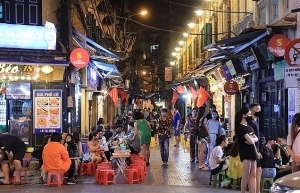 | Street food vendors required to wear face masks Street food vendors will have to wear face masks from now on while preparing food and drinks for customers and maintain a distance of at least one metre from customers, Hà Nội’s Department of Health has said. |
What the stars mean:
★ Poor ★ ★ Promising ★★★ Good ★★★★ Very good ★★★★★ Exceptional
 Tag:
Tag:Related Contents





Latest News

More News
- Beaches drive Vietnam’s domestic tourism boom (August 20, 2026 | 12:07)
- Spalba makes foray into Vietnamese market (August 20, 2026 | 09:41)
- CAAV signs deal with Turkey to strengthen aviation cooperation (August 10, 2026 | 15:15)
- Major Asian airlines survey Long Thanh International Airport (August 10, 2026 | 08:51)
- Vietnam ranks in top four Asian destinations for European tourists (August 07, 2026 | 08:00)
- Vietnam's commercial aircraft fleet expands to 251 planes (August 03, 2026 | 23:13)
- LOT Polish Airlines is set to launch Warsaw–Hanoi route (July 31, 2026 | 11:22)
- Vietnam tops Saudi tourists' summer holiday searches (July 30, 2026 | 12:41)
- Ninh Binh province steps up mission to acquire UNESCO landscape nomination (July 17, 2026 | 14:02)
- Vietnamese tourists gain easier access to Dubai (July 13, 2026 | 14:59)


Latest News




 Mobile Version