
Vietnam must build resilience, says UNDP

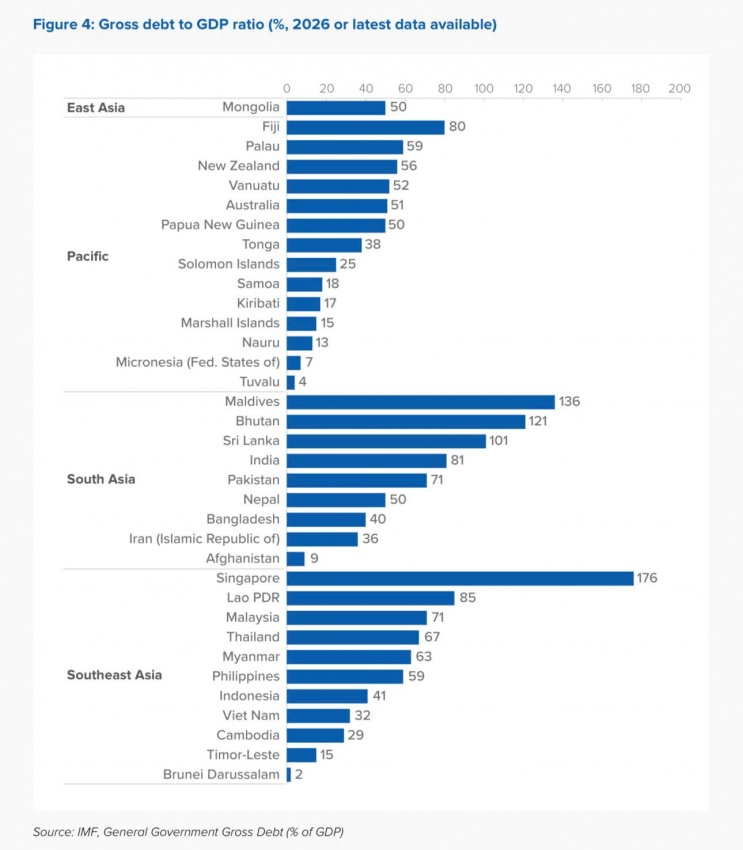 |
| Gross debt to GDP ratio |
Years of human development gains across Asia-Pacific are under pressure as the impacts of the recent military escalation in the Middle East ripple through economies and households, despite a temporary ceasefire.
As the situation remains fluid, a current preliminary analysis by the UNDP examines how heightened volatility, transmitted through energy, trade, and labour markets, is straining incomes, consumption, jobs and social protection across the region. Low-income households, informal workers, migrants, and small enterprises are among the most at risk. Women are the most vulnerable across these categories.
The report, “Military Escalation in the Middle East: Human Development Impact Across Asia and the Pacific,” released in April, synthesises impact and needs assessments covering 36 countries, complemented by macroeconomic simulations, and provides a regionwide outlook as well as how different countries are currently responding to these pressures.
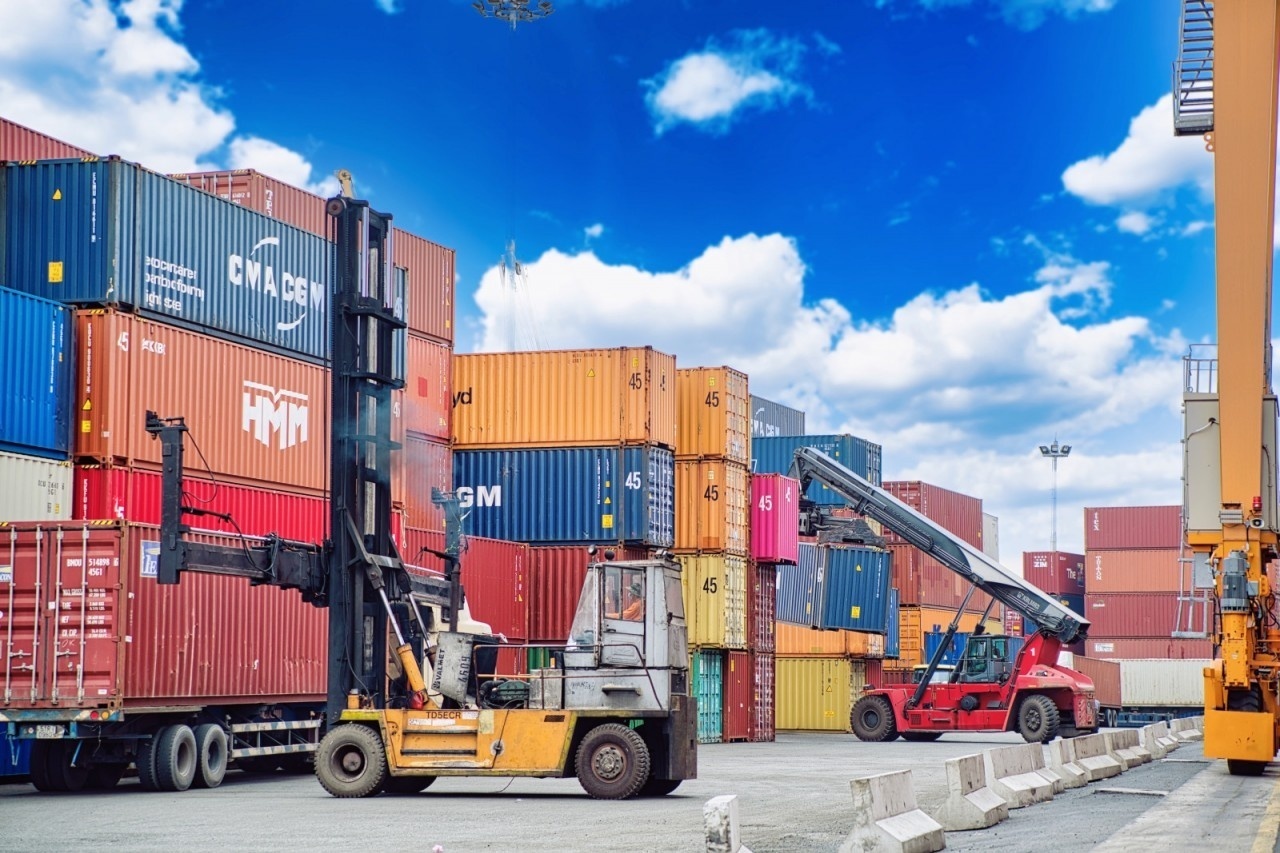
Rising fuel and freight costs are the most immediate pressure point. With over 80 per cent of crude and liquefied natural gas transiting the Strait of Hormuz destined for Asian markets, the region is experiencing rapid pass through of higher pricing on transport, electricity, food and fertiliser.
For an export-oriented economy like Vietnam, these fluctuations in global shipping and energy costs present a direct challenge to maintaining stable growth and protecting the purchasing power of citizens.
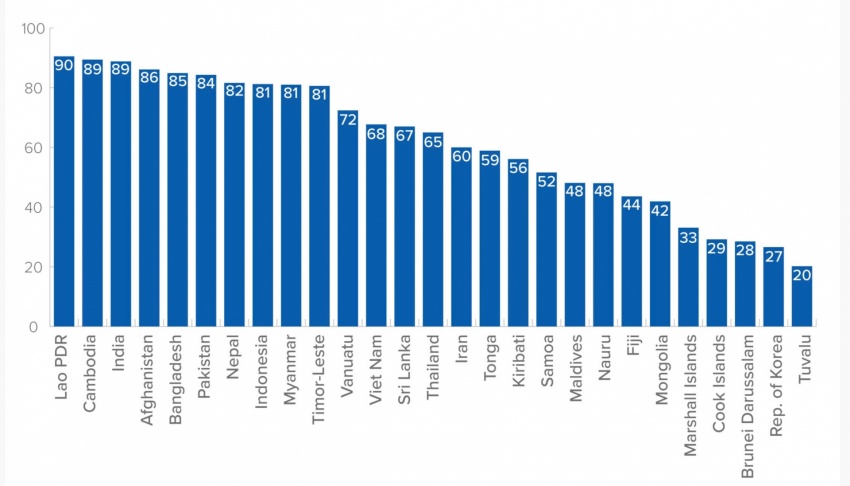 |
| Informal employment in Asia and the Pacific, per cent of total employment, population aged 15+ |
The report estimates that 8.8 million people across the region are at risk of falling into poverty. Output losses could range from $97 billion to $299 billion, equivalent to between 0.3 and 0.8 per cent of regional GDP.
Governments across the region, including Vietnam, have responded rapidly to cushion the domestic shocks through fuel price stabilisation, targeted subsidies, and early adaptive measures such as diversifying energy supply and improving energy efficiency.
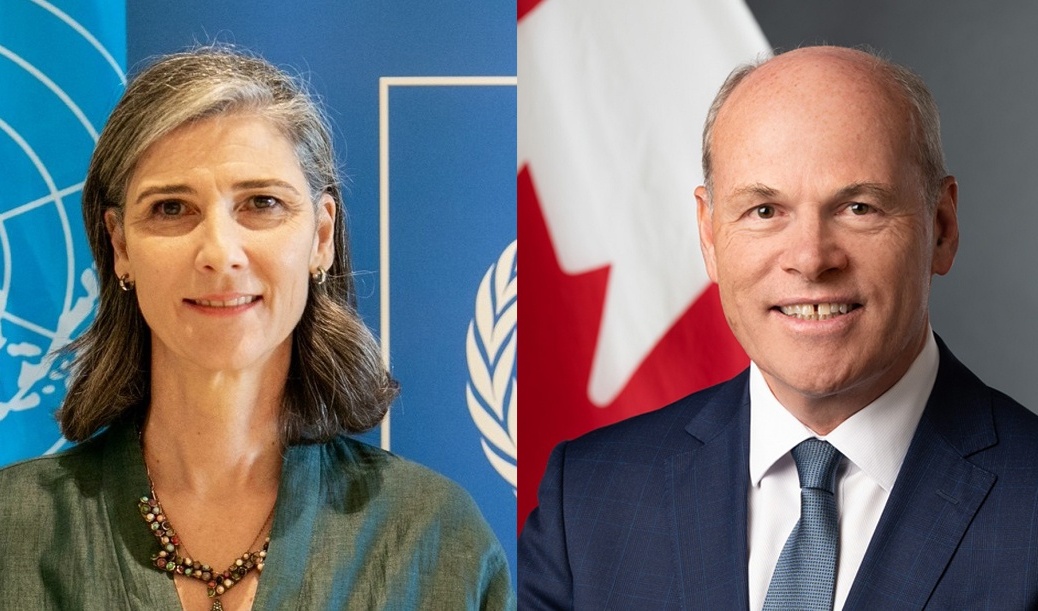
“The UNDP welcomes Vietnam timely response through emergency fiscal measures and pricing support to stabilise the economy,” said Ramla Khalidi, the UNDP's resident representative in Vietnam. “At the same time, we remain mindful of international experience that shows that prolonged fossil fuel support measures risk reversing the country’s energy transition goals. Accelerating the just energy transition is essential for Vietnam long-term energy security and to build resilience against global shocks”.
In other countries, human development losses under a short‑duration scenario range from weeks to months of foregone development progress. While Southeast Asia experiences comparatively smaller setbacks than South Asia, the report warns that disruptions could escalate significantly if they persist.
“The strain this war is placing across Asia-Pacific is already visible. It is reaching households faster than policy can adjust,” said Kanni Wignaraja, UN assistant secretary‑general and UNDP regional director for Asia-Pacific. “The resulting prolonged volatility in global markets is imposing increasingly difficult tradeoffs between stabilising prices, supporting vulnerable households, and maintaining essential public services and market investments. At the same time, we see important opportunities for countries to accelerate long‑term resilience through adaptive social protection, stronger local and regional value chains, and diversified energy and food systems.”
The report is part of a series of socioeconomic analyses produced by the UNDP to support policymakers to unpack the human development consequences of the current conflict, and identify options for a development response as a first line of defence.
 | Resilient Vietnam economy faces Middle East headwinds Despite escalating tensions in the Middle East, Vietnam's economy remains resilient with strong growth prospects, according to Nguyen Dieu Huyen, deputy head of the National Accounts System Department at the National Statistics Office. |
 | WWF, Dong Thap launch second phase of climate resilience project WWF-Vietnam has launched the second phase of a climate resilience project in the Mekong Delta, aiming to restore freshwater ecosystems and secure sustainable livelihoods. |
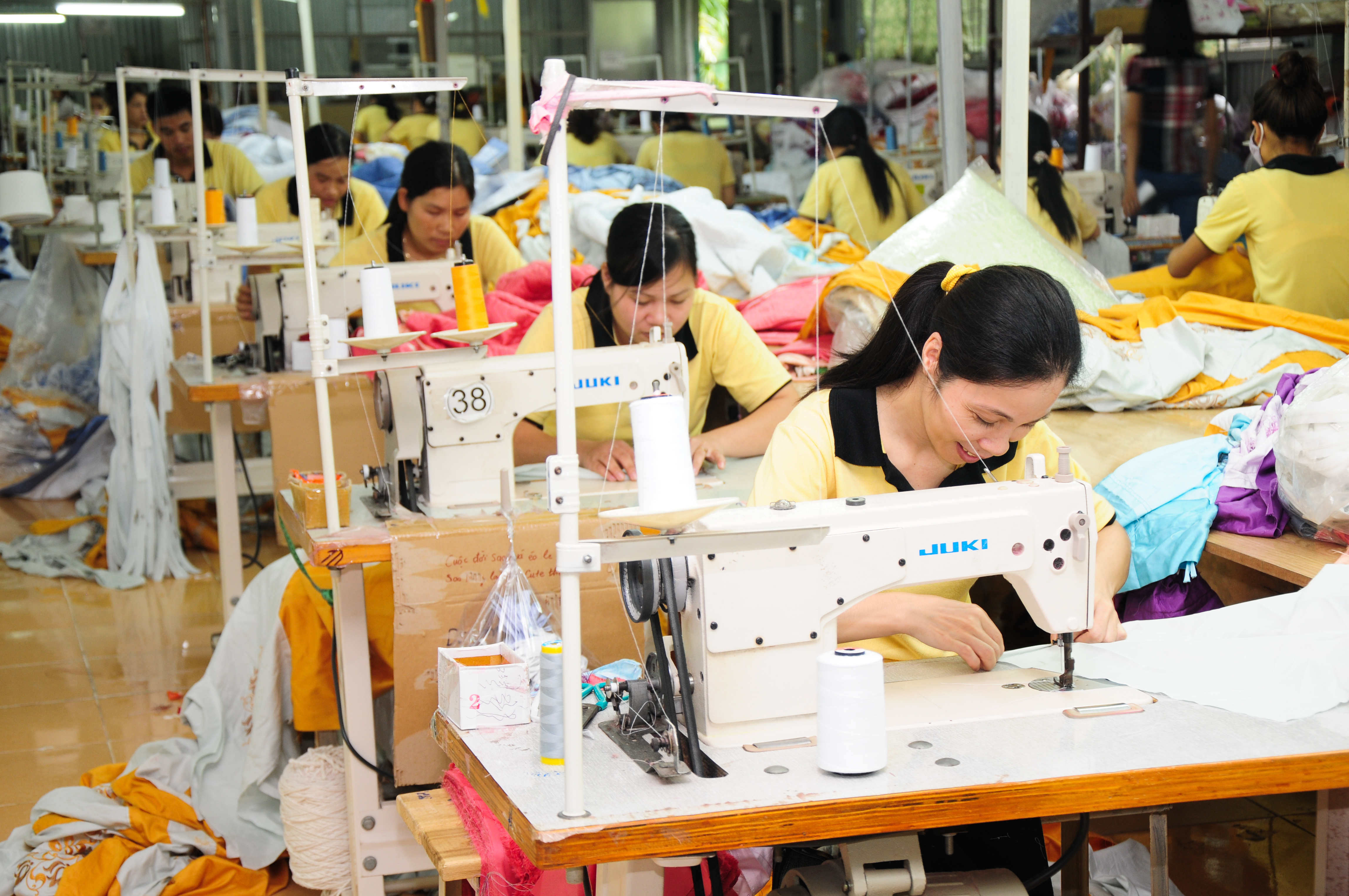
 | Vietnam’s garment sector shows resilience despite headwinds Vietnam’s garments and textiles industry posted a resilient performance in the first quarter of 2026, with export turnover exceeding $8.8 billion. However, geopolitical uncertainties are posing significant challenges to the industry’s full-year target of nearly $50 billion. |
 | Ministry of Construction drafts criteria to assess urban climate resilience The Ministry of Construction is drafting a circular to guide criteria for assessing climate change resilience in cities, as part of efforts to boost urban sustainable development. |
What the stars mean:
★ Poor ★ ★ Promising ★★★ Good ★★★★ Very good ★★★★★ Exceptional
 Tag:
Tag:
Related Contents





Latest News



More News
- MoF minister outlines priorities for international integration to support growth (August 03, 2026 | 23:24)
- AI adoption reshapes marketing across Southeast Asia (July 16, 2026 | 16:37)
- Vietnam leads region in using AI in academia (July 15, 2026 | 15:51)
- ADB maintains Vietnam's growth outlook amid Southeast Asia downgrades (July 10, 2026 | 14:48)
- ASEAN steps up digital push for agriculture MSMEs to boost competitiveness (July 08, 2026 | 12:00)
- Slovak Embassy directs applicants to VFS after alternate provider suspension (July 06, 2026 | 16:22)
- CPHI South East Asia 2026 to drive pharma partnerships across ASEAN (July 05, 2026 | 18:22)
- Vietnam, Singapore aim to shape ASEAN's future through AI and green growth (June 26, 2026 | 16:26)
- Skellefteå: A magnet for global talent (June 25, 2026 | 15:35)
- SunAsia Energy, VinEnergo launch Solar on Water portfolio in the Philippines (June 24, 2026 | 08:37)


Latest News




 Mobile Version