
Vietnam logistics costs account for 16 per cent of GDP

 |
| Photo: Thoi bao tai chinh |
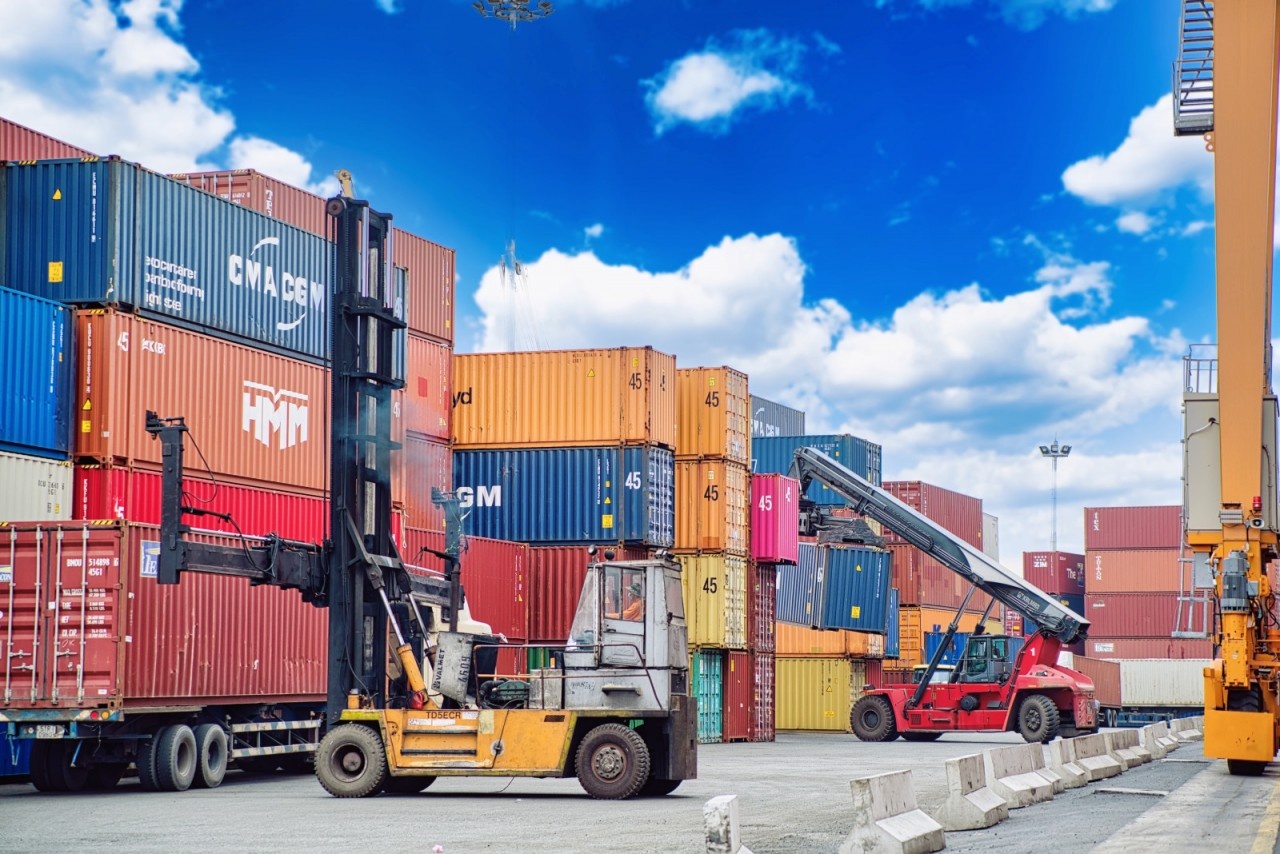
Speaking at a logistics conference on August 26, Ho Thi Quyen, deputy director of the Ho Chi Minh City Investment and Trade Promotion Centre, said that Vietnam is now home to more than 34,000 logistics companies, with the sector contributing around 4.5-5 per cent of GDP.
However, logistics costs remain high at approximately 16 per cent of GDP. Digital transformation is therefore seen as a key solution to reducing costs while improving connectivity and efficiency across the logistics supply chain.
“Under the development strategy for the 2025-2035 period, digital transformation has been identified as one of the key directions for improving productivity and bringing logistics costs down to around 12-15 per cent of GDP,” Quyen said.
According to Ngo Khac Le, deputy secretary-general of the Vietnam Logistics Business Association, digital transformation is also creating a widening gap between logistics companies. While larger enterprises have made relatively widespread use of electronic documentation, small- and medium-sized enterprises continue to face constraints in terms of financial resources and technology.
“If we do not move quickly enough to keep pace, we will not be able to become part of the regional and global logistics services supply chain,” Le said.
To narrow this gap, he said that state agencies should continue upgrading digital platforms and improving interoperability between different systems. This would enable businesses to reduce their reliance on paper documentation, shorten processing times, and lower costs.
Beyond digital connectivity, the logistics sector also needs to strengthen links between localities as cargo volumes continue to expand.
Nguyen Duy Hung, standing vice chairman of the Dong Nai Logistics Association, said that stronger logistics connectivity was needed between Ho Chi Minh City and the neighbouring provinces of Dong Nai and Tay Ninh, as well as the Mekong Delta, to expand the sector's development space and improve the efficiency of cargo transportation.
“The closer the connections, the greater the momentum and driving force for development across localities,” Hung said.
He proposed closer coordination between authorities, associations, and businesses in logistics planning and infrastructure development. He also suggested considering sandbox mechanisms to allow the controlled testing of new models, helping policies keep pace with the rapid development of the sector.
These demands are becoming increasingly pressing as manufacturers continue to expand their investments in Vietnam, increase production capacity, and raise output for export.
At Nestlé Vietnam, for example, the Nestlé Tri An factory has received nearly $600 million in investment over the past five years, almost tripling its production capacity. The factory recently began operating a new production line for instant coffee packaged in glass jars, with a capacity of 350,000 jars per day for export to 11 countries.
In the high-tech sector, Intel Products Vietnam has shipped more than 4 billion products over the past two decades, contributing over $110 billion to Vietnam's export value. In 2025 alone, the company contributed approximately $11.67 billion in export value.
Intel has increased its total investment in Vietnam to $4.1 billion and continues to expand production of high-tech products, including processors for personal computers and products serving AI applications.
The expansion of manufacturing and export production is also reflected in Vietnam's growing trade figures. According to the Customs Department, total goods import-export turnover in the first half of August 2026 reached approximately $52.33 billion, up 1.54 per cent compared with the first half of July. As of August 15, Vietnam's total goods trade had reached $712.72 billion, up 28.3 per cent on-year.




What the stars mean:
★ Poor ★ ★ Promising ★★★ Good ★★★★ Very good ★★★★★ Exceptional
 Tag:
Tag:Related Contents



Latest News




More News
- Minitab launches campaign to combat illegal software use in Vietnam (October 08, 2026 | 15:54)
- Raising construction materials supply chain standards amid green transition (October 08, 2026 | 14:00)
- Samsung Vietnam to deepen cooperation with local manufacturers (October 08, 2026 | 12:00)
- Sojitz in Vietnam: 40 years from individual projects to a business cluster 'KATAMARI' (October 08, 2026 | 09:00)
- Coteccons targets 'Quality Growth' with 25 per cent dividend plan (October 07, 2026 | 13:00)
- Vietnam Education Forum opens UK Education Mission's Hanoi visit (October 07, 2026 | 12:27)
- Tax authorities deactivate TINs of nearly 180,000 businesses (October 07, 2026 | 12:08)
- World Bank raises Vietnam's 2026 GDP growth forecast to 7.4 per cent (October 07, 2026 | 11:41)
- Vietstock 2026 to spotlight livestock innovation and green transition (October 07, 2026 | 09:00)
- Vietnam’s GDP grows over 9 per cent in first nine months (October 05, 2026 | 18:45)








 Mobile Version