
Vietnam emerging as an industrial location of choice

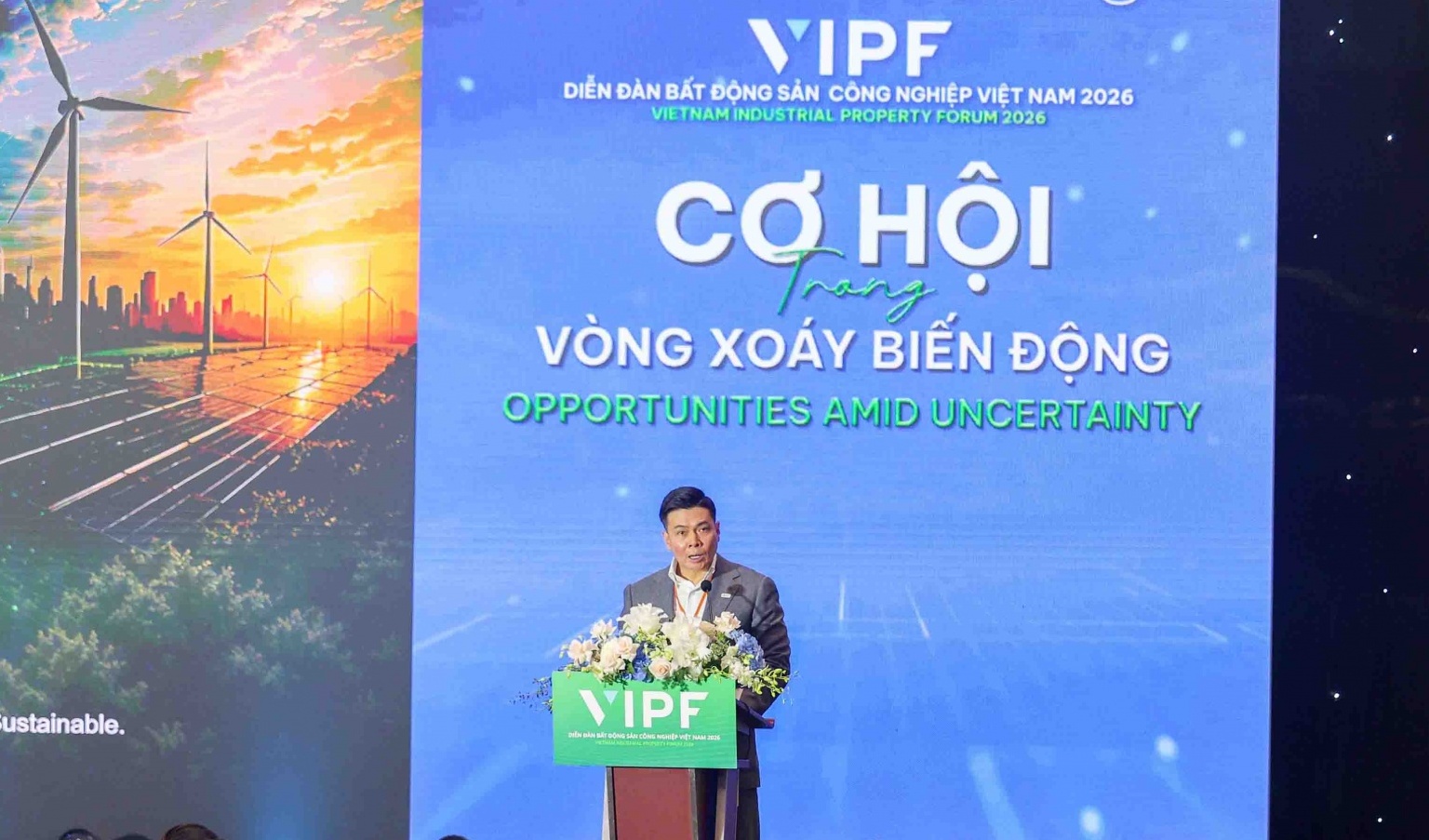
Pham Van Hoanh, editor-in-chief of VIR and head of the forum’s Organising Board, said that the global economy continues to navigate a cycle of rapid and unpredictable change.
“Geopolitical competition, trade protectionism, shifts in tariff policies, supply chain security requirements, and the race for technological advancement are having an increasingly direct impact on investment decisions and production strategies among global businesses,” Hoanh said.
“Factors once considered traditional advantages of an investment destination are now being weighed alongside new requirements for infrastructure, energy, logistics, human resources, technology, and project implementation speed,” he added.
Domestically, alongside efforts to achieve double-digit economic growth in 2026 and subsequent years, the drive to improve the quality and efficiency of foreign investment is reshaping both demand and the way Vietnam prepares its capacity to attract investment and organise production space.
According to data from the National Statistics Office under the Ministry of Finance, total registered foreign direct investment (FDI) in Vietnam reached $40.63 billion in the first eight months, up 55.4 per cent on-year.
Newly registered capital reached $21.71 billion, up 96.8 per cent. Manufacturing and processing remained the leading sector, attracting $12.15 billion in newly registered capital, accounting for 55.9 per cent of the total.
Disbursed FDI also delivered a notable signal. In the first eight months, disbursed FDI reached $17.25 billion, up 12 per cent on-year and the highest level recorded for the same period in five years. Manufacturing and processing alone accounted for $14.24 billion, or 82.6 per cent of total disbursed FDI.
The figures indicate that investment continues to flow into manufacturing, generating real demand for industrial land, ready-built factories, logistics, and supporting services.
However, competition is increasingly about infrastructure quality, development speed, and operational capabilities. This is also the time to revisit the concept of the next-generation industrial park (IP), the forum heard.
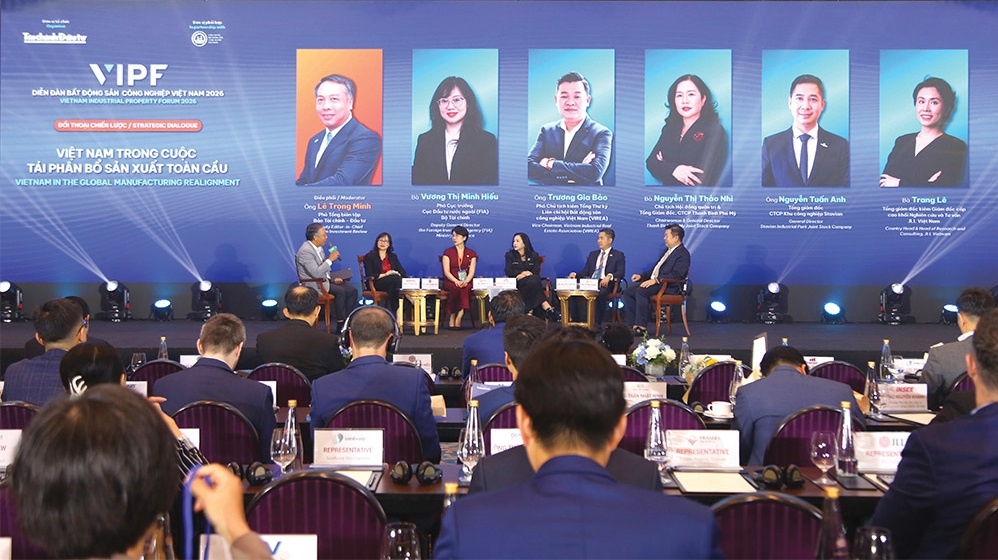 |
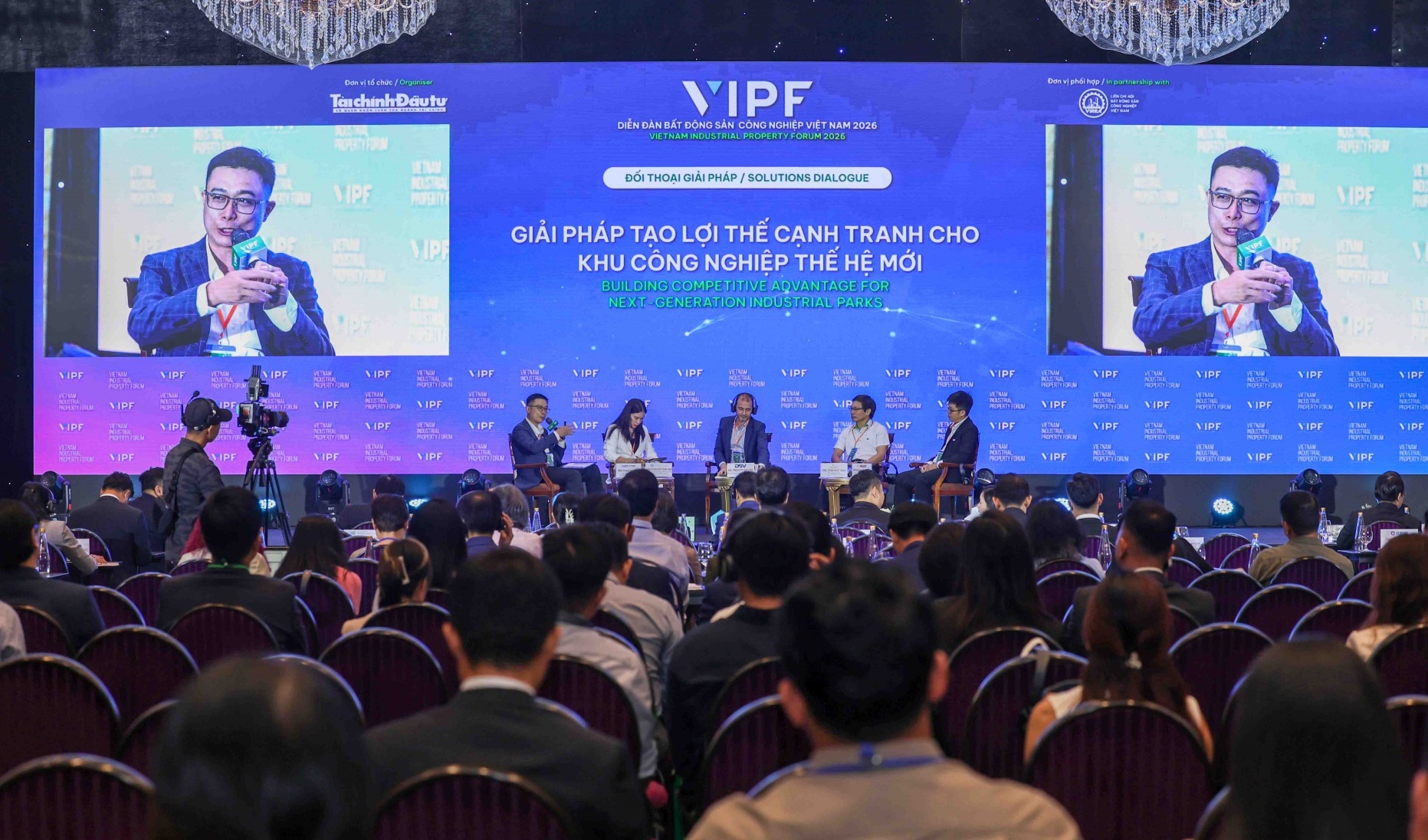
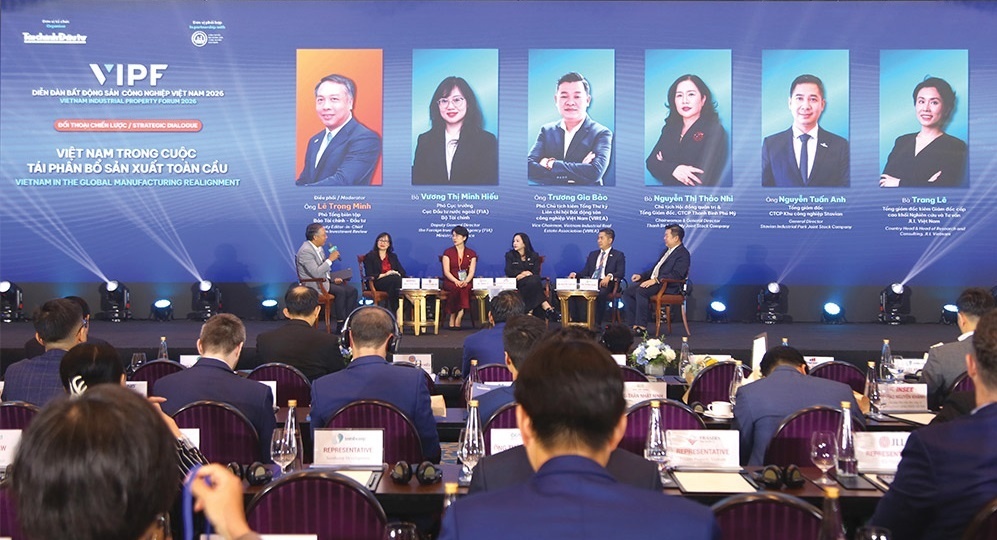
| Policies and directions were discussed at the major event in Ho Chi Minh City, Photo: Le Toan |
Dr. Nguyen Tram Anh, national project manager for the Global Eco-Industrial Parks Programme in Vietnam under the UN Industrial Development Organization, said that a next-generation IP can be understood as a production ecosystem focused on circular economy principles, resource efficiency, and cleaner production.
“It also seeks to strengthen the resilience of the ecosystem to external pressures while integrating innovation, big data, AI, and digital transformation,” said Anh.
To achieve this, Anh said, several elements need to be integrated from the initial planning stage, including energy transition infrastructure; infrastructure supporting industrial symbiosis and the circular economy; carbon emissions monitoring and management systems; and integrated logistics infrastructure.
According to Anh, Vietnam has moved from piloting and laying the groundwork to scaling up and institutionalising the eco-IP model, with the aim of enabling developers to proactively implement and replicate the model nationwide.
The legal framework for eco-IP has been gradually strengthened via various pieces of legislation that set targets of 10 per cent of IPs nationwide to become eco-IPs by 2030, while providing a basis for supporting green and circular projects.
Meanwhile, many localities, including Dong Nai, Ho Chi Minh City, Haiphong, and Bac Ninh, have incorporated eco-IPs and green transformation into their development plans.
“Going forward, policies for implementing eco-IPs need to be further refined, including support for industrial symbiosis solutions and incentives for eco-IPs, such as tax incentives, preferential lease terms, and concessional financing for eco-IP solutions,” Anh told VIR.
It is also necessary to continue strengthening awareness and domestic technical capacity, enabling IP developers, businesses, and service providers to independently assess and implement eco-IP solutions while gradually reducing their reliance on international technical assistance.
Experts share their insights
Vuong Thi Minh Hieu, deputy director Foreign Investment Agency Ministry of Finance
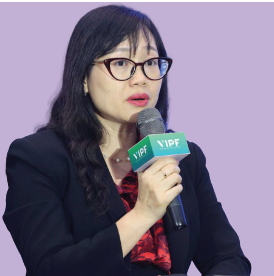 |
Under forthcoming amendments to the Investment Law, the drafting agency is proposing mechanisms to remove obstacles for large-scale projects, including negotiations with major investors and comprehensive investment incentive packages that combine multiple policy measures. If approved, the government would have the authority to decide on these packages without having to seek approval from higher levels.
Vietnam has set a target for 10 per cent of IPs in localities to be developed towards an eco-industrial model. This will require coordinated solutions covering institutions, policy, financing, transition costs and cooperation between central and local authorities.
The Ministry of Finance is proposing several measures to support IP infrastructure developers, including longer operating periods, preferential interest-rate support and allowing eligible costs to be deducted for corporate income tax purposes. These measures are intended to provide more concrete support for the transition towards eco-IPs.
On decentralisation and administrative procedures, Ho Chi Minh City, Dong Nai and Bac Ninh are among the localities attracting substantial investment and have made progress in procedures. However, more consistent implementation requires a comprehensive approach.
Administrative reform must go together with stronger decentralisation to local authorities. The government will continue to push this forward, including for new economic models.
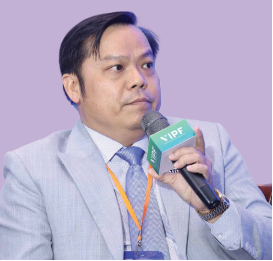
Nguyen Thanh Chuong, CEO, Thanh Thanh Cong Industrial Real Estate Corporation
 |
For more than three years, we have consistently pursued a strategy centred on circular and eco-friendly IPs. These standards serve as a passport that enables secondary investors within our IPs to export their products more easily to demanding markets such as the US and Europe.
A practical example is our 215-hectare dedicated textile and dyeing IPs, where we have invested in a specialised wastewater treatment system with a capacity of 27,000 cubic metres per day, combined with rooftop solar power and water recycling.
By providing safe infrastructure that meets environmental standards, we enable investors to operate with greater confidence and facilitate smoother exports. This, in our view, is the most tangible form of economic efficiency.
Our strategy is to develop a next-generation IP project in the Mekong Delta covering approximately 7,000 hectares. The project aims to bring a high-quality product to the market while supporting long-term investment.
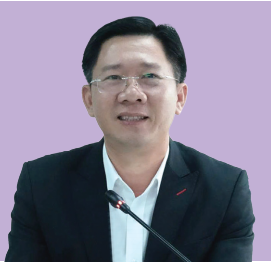
Nguyen Van Lang, general director Becamex Binh Dinh
 |
The competitiveness of an IP in the coming period will depend not only on land availability and rental rates, but also to a large extent on the quality, reliability, and scalability of infrastructure serving production activities.
Becamex VSIP Binh Dinh continues to develop an integrated infrastructure system covering electricity, water supply, drainage, wastewater treatment, telecommunications, and digital infrastructure. The water supply system is planned with a capacity of approximately 45,900 cubic metres per day, alongside a wastewater treatment system that meets environmental requirements.
At the same time, the company is gradually studying and implementing solutions for renewable energy, energy management, and centralised operational monitoring systems.
Logistics is another critical factor. In addition to its connectivity to seaports and inter-regional transport routes, the company plans to develop an inland container depot within the project area to enhance logistics connectivity and support enterprises’ import and export activities.
Nguyen Thi Thao Nhi, chairwoman and CEO Thanh Binh Phu My
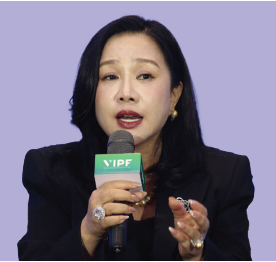 |
Under the traditional model, developers focused on site clearance, land preparation and infrastructure development in phases, helping to reduce costs and keep rents competitive.
New-generation IPs, by contrast, require integrated investment from the outset in infrastructure, environmental systems, energy and sustainability standards before attracting investors. The higher upfront capital and financing costs can push industrial land rents above those in neighbouring markets. When rents are higher, the services provided must also be better.
Another issue is labour. As the cost of developing IPs rises, manufacturers need sufficiently high productivity to offset those costs. Labour productivity in Vietnam remains lower than in China, putting additional pressure on the competitiveness of manufacturers.
Project implementation time is also an important consideration for foreign investors. New-generation IPs can proactively provide integrated power, water and wastewater treatment infrastructure up to the factory boundary, allowing investors to focus on building plants and installing equipment and bring projects into operation more quickly.
However, the actual timeline can still be extended by licensing procedures. For example, fire prevention and fighting approval can take at least 45 days, while environmental permits also require at least 45 days, with basic design procedures potentially taking another 25-30 days.
Truong Gia Bao, vice chairman, Vietnam Industrial Real Estate Association
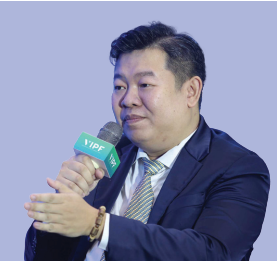 |
Previously, investors looking at Vietnam were familiar mainly with places such as Hanoi, Ho Chi Minh City, and Danang. Today, they have a much broader understanding of local markets and are increasingly aware of the distinctive advantages of individual provinces and cities. This shows that our investment strategy has become more deeply rooted at the local level. The next step is connectivity. Each locality has its own advantages, policies and investment focus.
At the same time, investment decisions must work both ways. Vietnam needs to identify the types of investors it wants to attract, as European, US, Chinese, and Taiwanese investors have different decision-making processes and investment preferences.
Policy will continue to support investment, but government mechanisms inevitably take time to develop and respond. Businesses and infrastructure developers therefore have an important role in identifying and capturing opportunities. The industrial real estate market has never been as well positioned as it is today.
Major players from manufacturing, residential real estate and finance have entered the industrial real estate market. Infrastructure developers in both northern and southern Vietnam have also reached a more mature stage, creating increasingly comprehensive industrial ecosystems.
Lee Ark Boon, CEO, Sembcorp Development
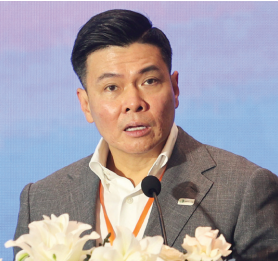 |
Last year, Vietnam attracted the highest level of realised foreign direct investment in five years. Manufacturing remained at the heart of this growth, reinforcing Vietnam’s role in Asia.
Electronics exports exceeded $100 billion in the first eight months of this year alone – the largest share of Vietnam’s exports. In semiconductors, more than 170 foreign-invested projects have been established, with nearly $12 billion in committed capital – evidence that investors see Vietnam as part of the next phase of manufacturing.
The question now is whether Vietnam can build on this momentum and become the place where the next generation of industrial ecosystems are built.
Fundamentally, eco-IPs attract higher-value funding. They support advanced manufacturing, strengthen resilience, and enhance competitiveness. But achieving scale takes more. It requires coordinated action: clear policy signals from government, patient capital from investors, execution capability from developers, and demand commitment from tenants. These challenges are real, but the direction is clear.
Sustainable eco-IPs are therefore a crucial element of a nation’s competitiveness. But competitiveness is not built on sustainable infrastructure alone. It also depends on the people who make growth possible.
People are an essential part of the equation. Businesses increasingly compete for talent as much as they compete for capital. Industrial ecosystems must thus provide environments where people can live, work, learn, and play.
Nguyen Tuan Anh, general director, Stavian IP
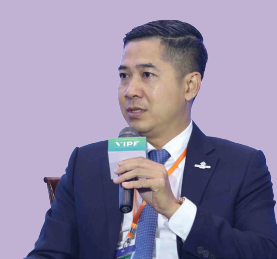 |
Vietnamese personnel are highly capable and able to handle high-tech work. The challenge lies in how to train them and create an environment where they can fully realise their potential.
Indeed, numerous foreign companies, especially those from Europe, have yet to select Vietnam because of the workforce quality and the ability to meet their requirements.
Besides workforce, foreign companies also place high requirements on ESG, so IPs also need to meet the environment, energy, and clean production standards. Stavian is selecting specific sites to develop into eco-IPs.
We aim to be more proactive in energy by utilising clean power, rooftop solar, and energy solutions that meet tenants’ requirements.
Stavian IP has been operating in the IP infrastructure sector for only about five years, making us a relatively young player in this field. However, drawing on our experience as a manufacturing enterprise, we aim to develop IPs with a relatively comprehensive ecosystem. It includes utilities such as water, electricity, and gas alongside services tailored to manufacturing enterprises.
Thus, businesses can utilise them immediately upon arrival instead of developing each utility separately.
Dr. Nguyen Tram Anh, national project manager for Vietnam, Global Eco-Industrial Parks Programme, UNIDO
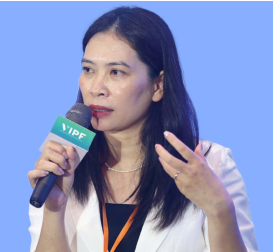 |
Eco-IPs have been institutionalised in law, and there is a target for eco-IPs to account for 10 per cent of the country’s total IPs by 2030. There has also been a further basis and financial support mechanisms provided for green and circular projects, including eco-IPs and industrial symbiosis initiatives.
In terms of model development, the programme has been implemented in 10 IPs and around 160 enterprises, with more than 1,200 solutions put in place. These measures have helped save approximately 200,000MWh of electricity and nearly one million cubic metres of water annually, while reducing more than 340,000 tonnes of CO2 emissions.
More than $42 million has been invested, generating annual savings of nearly $10 million. The programme has also organised numerous training and capacity-building activities, attracting thousands of participants.
More importantly, the programme has helped change the awareness and approach of IP developers, shifting the focus from land leasing towards developing IPs as ecosystems that provide supporting services to businesses, promote resource efficiency, shared infrastructure, and industrial symbiosis, thereby reducing emissions and contributing to local communities and ecosystems.
Nguyen Tuan Anh, deputy general director KN Holdings
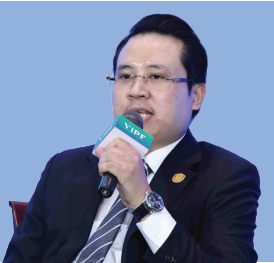 |
The transition towards a next-generation IP model is becoming essential, but the key question is how this transition can be carried out in the most effective way.
The next phase requires an integrated ecosystem with clearly defined roles, rather than a situation in which every IP attempts to incorporate every possible feature, resulting in scattered resources and a failure to maximise each location’s distinctive advantages.
For IPs targeting high-tech and semiconductor industries, the focus should be placed squarely on large-capacity, highly reliable power supplies and stringent wastewater treatment systems.
For IPs targeting food processing and light manufacturing, locations should be optimised around proximity to raw material supply chains and logistics infrastructure.
At the regional planning level, Ho Chi Minh City has strengths in high technology and services, while Phu My is well positioned for heavy industry and deep-sea port operations. Tay Ninh and the Mekong Delta, meanwhile, can focus on processing industries and river- and sea-based logistics supply chains.
Prescott Gaylord, head, Sustainability for Contract Logistics in Asia-Pacific, DSV
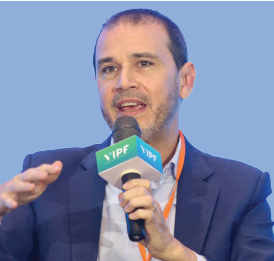 |
The competitive advantage of an IP is not infrastructure. The competitive advantage is adaptability. Power, water, logistics, and data are important. But the IP that wins is the one that can evolve.
From a contract logistics perspective, the most successful IPs are often not those optimised for a single industry or business model, but those designed to adapt as technologies, supply chains, and customer requirements evolve. Manufacturers increasingly value connectivity and flexibility alongside traditional considerations such as cost and reliability.
Sustainability is increasingly an operational capability. Many sustainability requirements are becoming business requirements. Access to renewable energy, resource efficiency, circular-economy infrastructure, and decarbonisation capabilities are increasingly linked to operational resilience, customer expectations, and long-term competitiveness.
IPs are long-lived assets. The most competitive IPs of the future will be those that create lasting value not only for tenants, but also for the surrounding communities. This includes integrating industry, logistics, ecology, and community development into a system that remains attractive for investment over decades.
Trang Le, country head, JLL Vietnam
 |
Vietnam remains among the world’s top investment destinations, but competition from other countries is increasingly evident in the data.
During the first two to three decades of foreign funding development, investment largely followed market movements, with investors and localities gradually finding their own directions. After years of development, however, distinct regional industrial ecosystems have emerged.
Northern Vietnam has developed a strong advantage in attracting investment in electronics and related components. With 13,000 hectares of industrial land across more than 75 IPs, the region is strengthening its position as the country’s fastest-growing high-tech manufacturing hub. The tenant mix is shifting from traditional manufacturing towards electronics, electrical equipment, and precision engineering.
Southern Vietnam, meanwhile, serves as a hub for supply chains and logistics, supporting both the domestic market and inter-regional connectivity.
Dao Nguyen Khanh, head of Sustainability and Corporate Communications INSEE Vietnam
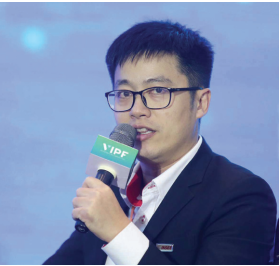 |
To promote genuine industrial symbiosis, I have two recommendations regarding infrastructure planning.
First, planners need to understand the value chains connecting different industries so that factories can be located close to one another. A practical example from INSEE is our cement plant in the Thi Vai area of Ba Ria-Vung Tau. Previously, we had to import steel slag from Japan or source it from Hoa Phat in Quang Ngai province.
Second, material recovery facilities should be developed within or in areas bordering two or three IPs. These would serve as a central hub for sorting industrial waste and residues. If such facilities are not incorporated into planning from the outset, factories that have already been located will face significant logistics costs when trying to establish circular connections later.
Over the next 12 months, I propose that IPs and businesses jointly set a target of 100 per cent ESG assessments and codes of conduct for service providers and suppliers.
Ngwe Zaw, country head for Vietnam Soilbuild Group
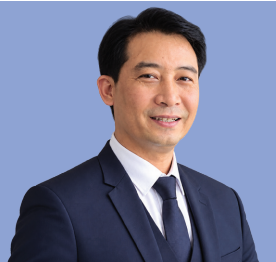 |
One of the key things we have learnt from Singapore is that industrial facilities need to evolve together with the industries they serve. As Singapore moved from being a conventional contract manufacturing hub towards higher-value manufacturing and logistics, we saw how requirements became more sophisticated.
We are applying that experience in Vietnam by focusing on quality, flexibility, and efficiency. This includes modern ready-built factories, flexible unit sizes, high floor heights and layouts that can support different industries, automation, ease of operations, and future expansion.
Sustainability is also a core consideration. In Singapore, we have developed several Green Mark-certified projects, including Tai Seng Exchange. We bring the same mindset into our Spectrum properties in Vietnam, incorporating features such as energy-efficient design, natural lighting and ventilation, solar readiness, and electric vehicle charging, as well as pursuing recognised green-building standards such as LEED.
Tran Nhat Ninh, deputy general director Tien Phong Plastic
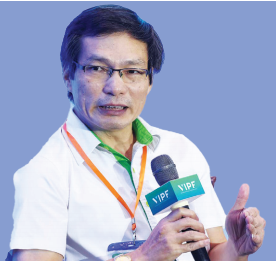 |
Since early 2026, we have accelerated the adoption of ESG standards in our governance, operations, and manufacturing, focusing on energy efficiency, resource optimisation, and greater responsibility towards employees, communities, and the environment.
The company identifies ESG as one of the pillars of its long-term development strategy, with the aim of expanding international integration and becoming a brand with $1 billion in revenue by 2035.
From the perspective of a manufacturer and a solution provider for IPs, we see that an integrated model can help optimise long-term operating costs. This can reduce maintenance, servicing, and additional investment costs for standalone infrastructure systems, allowing companies to allocate more resources to their production and business activities.
Based on our operational experience, a mechanism should be established for sharing resource information among businesses within IPs. When data on raw materials, by-products, water, and other material flows are fully shared, companies can identify more opportunities.
John Campbell, director and head Industrial Services, Savills Vietnam
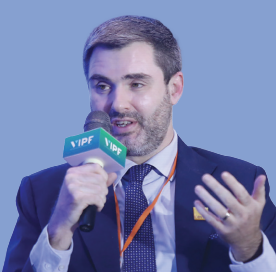 |
Today, end-users such as Coca-Cola, Tetra Pak, and Kingspan, as well as industrial developers including SLP, Soilbuild, and KCN Vietnam, are increasingly adopting LEED-certified facilities in Vietnam.
For landlords, this means they must evolve into integrated industrial platforms. For tenants, ESG directly reduces costs, saves time, and supports day-to-day operations.
A truly next-generation IP requires sophisticated master planning, moving beyond the traditional 300-500-hectare mono-functional model to integrate manufacturing, research and development, commercial services, worker accommodation, and data centre space.
Critical infrastructure is equally important, particularly reliable water supply, advanced wastewater treatment, and guaranteed power capacity, as high-tech, semiconductor, and data centre operations require significantly more power than traditional factories.
What the stars mean:
★ Poor ★ ★ Promising ★★★ Good ★★★★ Very good ★★★★★ Exceptional
 Tag:
Tag:
Related Contents

Latest News
More News
- Investors interest amid ongoing reshuffling of global manufacturing (October 02, 2026 | 22:10)
- LŌ-GOI Group sets up industrial estate venture with three Asia-based institutional investors (October 02, 2026 | 16:00)
- Stavian IP accelerates its modern expansion (October 02, 2026 | 14:00)
- ESG for future-ready industrial success (October 02, 2026 | 09:00)
- Green Future Awards honour five leading industrial park developers (October 01, 2026 | 22:20)
- Green transition leaders honoured at Green Future Awards 2026 (October 01, 2026 | 22:10)
- Six developers honoured as Emerging Green Industrial Property Developers (October 01, 2026 | 22:00)
- Why logistics will define the next phase of growth (October 01, 2026 | 09:00)
- KNIC honoured for third consecutive year at Green Future Awards (September 30, 2026 | 21:45)
- Vinhomes Ha Tinh IP increases capital by $380 million (September 30, 2026 | 17:33)







 Mobile Version