
Stavian IP accelerates its modern expansion

How is Stavian Industrial Park (IP) implementing its investment strategy in Vietnam’s industrial real estate market?
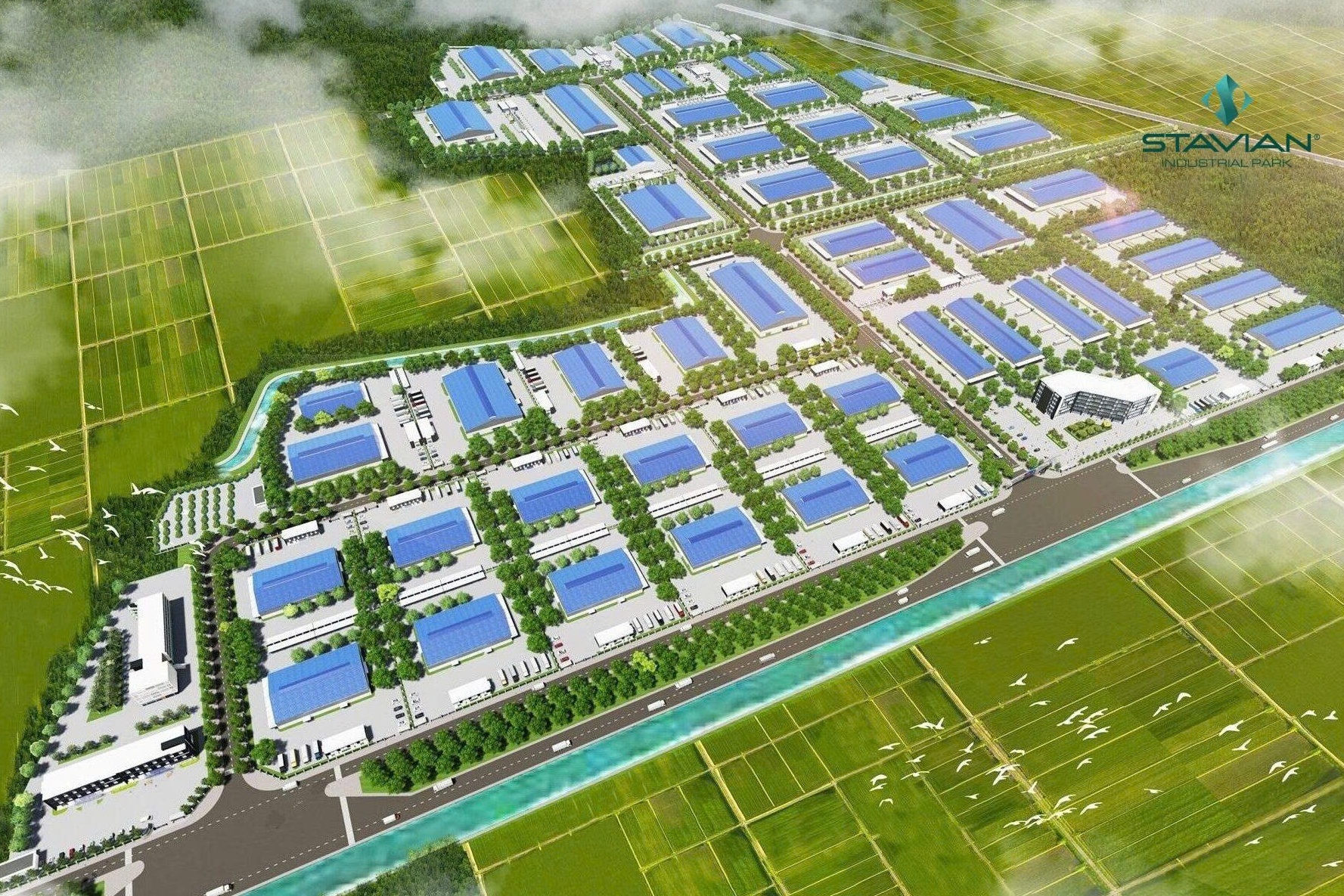
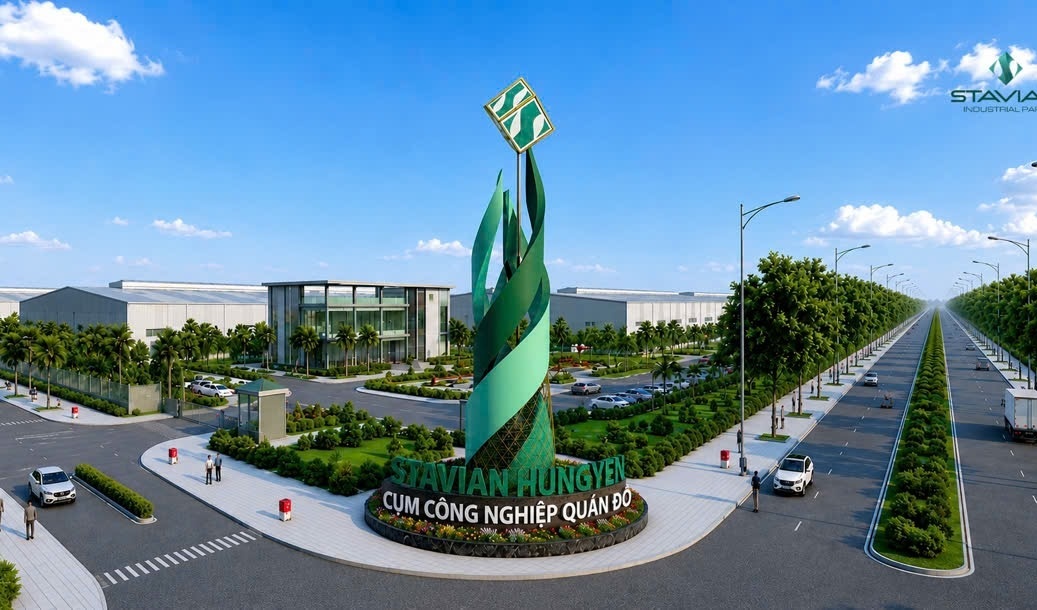
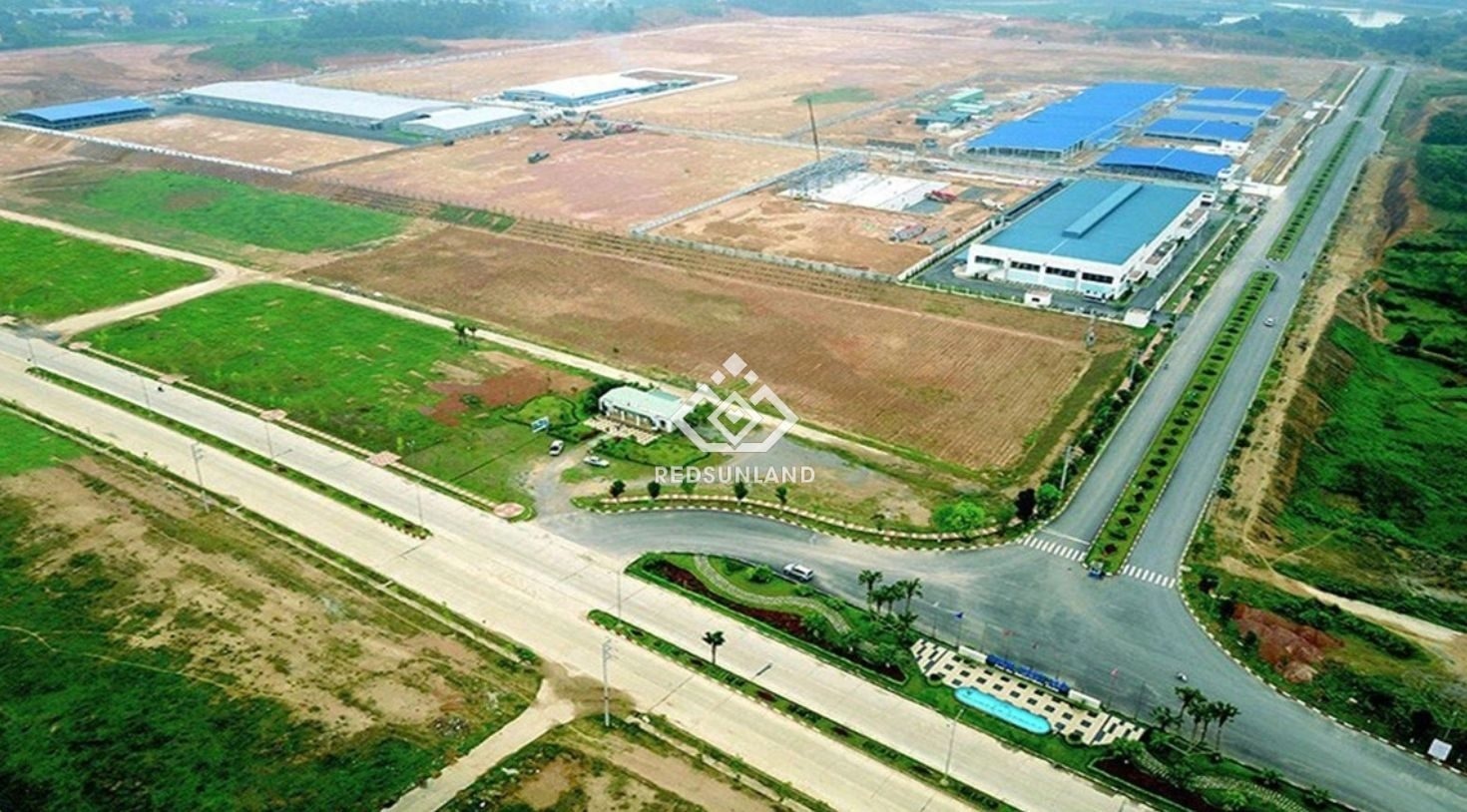
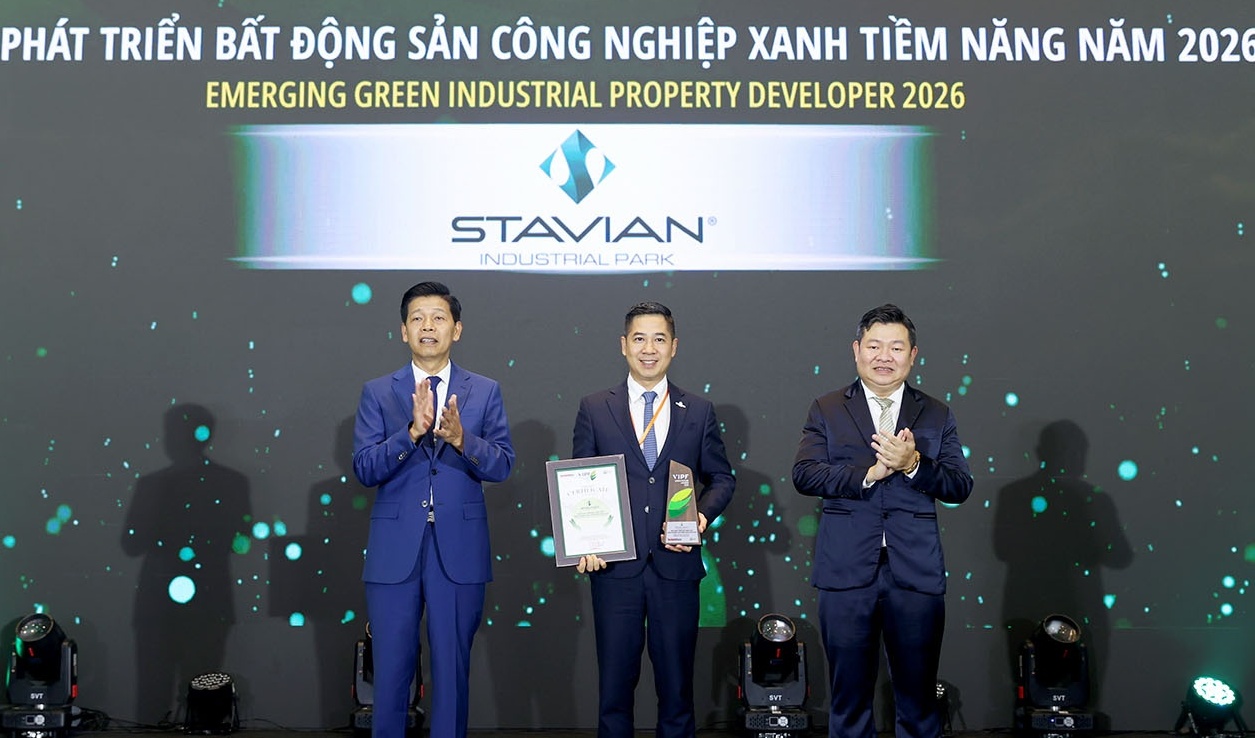
Established in 2018, Stavian IP has steadily reinforced its position in Vietnam’s industrial real estate market. To date, Stavian Hung Yen industrial cluster and Stavian Phu Tho IP have been put into operation and achieved positive business results.
 |
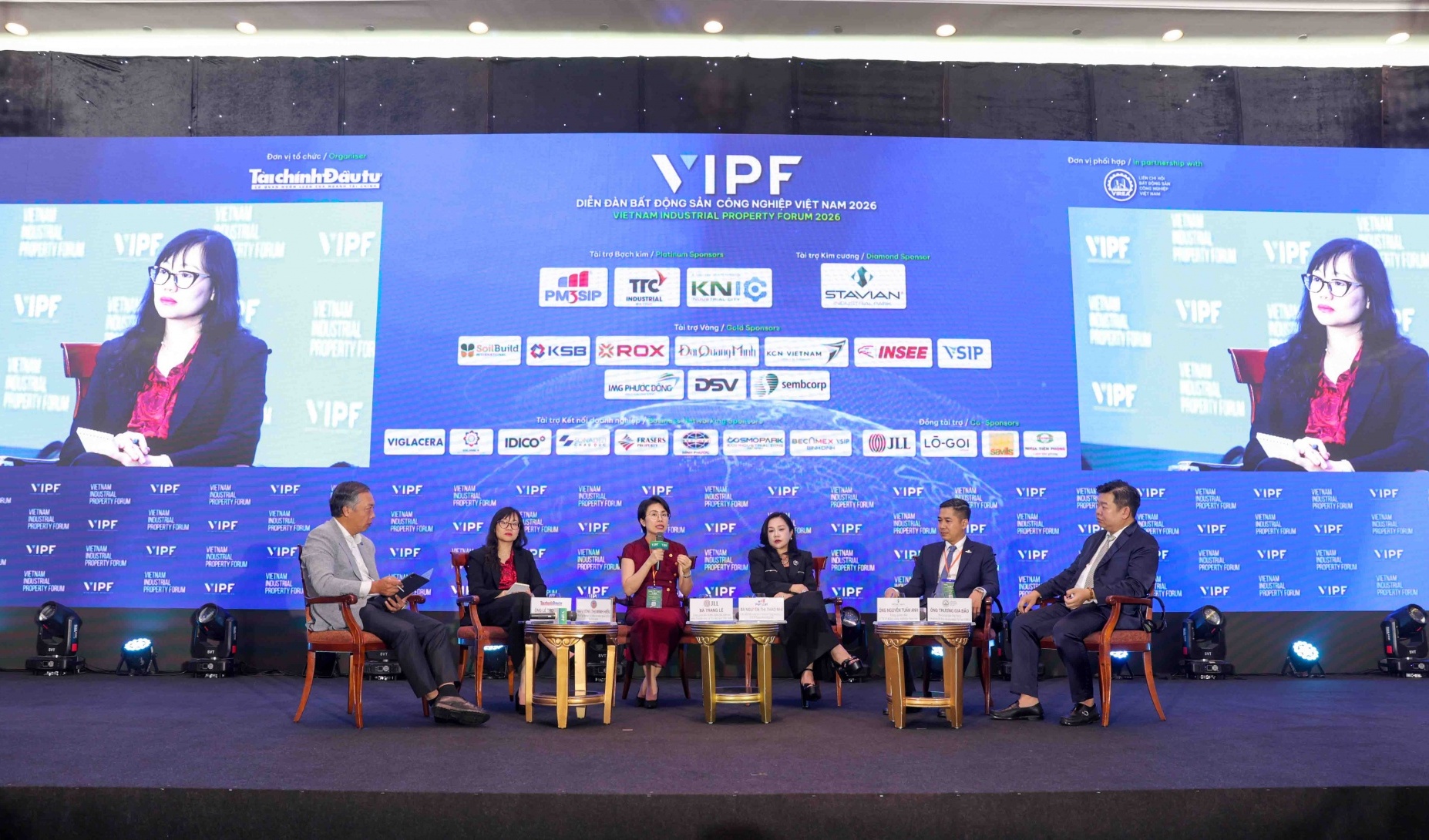
| Nguyen Tuan Anh, CEO of Stavian Industrial Park |
Meanwhile, our Thai Nguyen and Khanh Hoa IPs are undergoing site clearance and infrastructure investment.
These parks and clusters are located in localities with advantages in infrastructure, logistics, and investment attraction. With a selective development strategy, the company prioritises ventures that create long-term value for investors, the business community, and the locality.
Between 2026 and 2030, Stavian IP aims to develop approximately 5,000ha of land, with proposed initiatives in Ho Chi Minh City, Hung Yen, Phu Tho, and Can Tho, as well as other ventures under study in Hanoi, Thanh Hoa, Nghe An, Dong Nai, and Tay Ninh. With a focus on developing modern and integrated IPs, Stavian provides high-quality technical infrastructure while building a transparent and favourable investment environment, better meeting the requirements of global investors.
What are the top criteria when the company selects investment locations?
Stavian IP focuses on three key criteria when selecting locations for project development. First is strategic location and infrastructure connectivity. A successful IP requires not only suitable land but also convenient and seamless connectivity with transport networks, seaports, airports, logistics centres, and key economic zones.
Second is the long-term development potential of the locality, including planning orientation, investment attraction policies, workforce quality, and the support of local authorities.
Third is the potential to form an efficient industrial ecosystem that meets investors’ growing demands for technical infrastructure, supporting services, green production environments, and sustainable development standards.
We believe that choosing an investment location is a long-term decision, as an IP should provide a solid foundation to support businesses and the locality for decades to come.
As a member of Stavian Group, how does Stavian IP benefit from the group’s network and ecosystem?
It draws on Stavian Group’s modern governance platform, global partner network, and multi-industry ecosystem. The group currently has more than 30 international offices, nearly 20 manufacturing facilities, more than 40 logistics hubs worldwide, a handful of IPs and digital parks, and more than 10 gas supply centers.
The group provides products and services to over 20,000 customers and partners across more than 100 countries and territories. This is an important foundation for Stavian IP to expand connections with local and foreign investors, access global supply chains, and grasp the demands of target industries.
Leveraging close connection with the group’s spearhead industries like industrial manufacturing, chemicals, logistics, energy, and international trade, Stavian IP can develop modern and integrated IPs with high linkage between infrastructure, services, and the production ecosystem. This creates added value for secondary investors while enhancing the competitiveness of IPs developed by Stavian IP.
That said, we regard the group’s advantages as an important supporting foundation. The core factors underpinning our prestige are infrastructure quality, service quality, execution capability, and the ability to accompany investors long-term.
Why does Stavian IP choose to develop modern, integrated, and sustainable complexes?
The wave of supply chain restructuring and changing global trade policies are reshaping investment flows. As Vietnam increasingly becomes an attractive destination for international investors, modern, integrated, and sustainable IPs will play an increasingly important role in attracting high-quality foreign investment.
This trend is also reflected at Stavian IP, as many of our clients come from developed industrial economies such as Japan, South Korea, China, and many other countries in the region. Besides factors like location, incentives, and labour costs, investors are placing higher requirements for modern, integrated, and sustainable IP infrastructure.
Therefore, we focus on developing ventures in line with this orientation to meet the demands of investors and the development trends of the market.
At Stavian IP, we are not simply developing IPs but also aim to build a green industrial infrastructure ecosystem that connects Vietnamese businesses with global supply chains and investment flows.
How do you assess the impact of the company’s IPs on investment attraction and local development?
Our IP ventures have generated positive results in both attracting investment and contributing to local socioeconomic development. To date, Stavian Hung Yen cluster has attracted 20 investment ventures with a total registered capital of approximately $134.5 million. The project is estimated to generate around 3,800 jobs.
Meanwhile, Stavian Phu Tho IP has attracted 16 investors with total capital of approximately $163.5 million and is expected to create around 5,000 jobs.
To attract new investment capital and develop local industrial, services, and logistics ecosystems, Stavian IP aims to develop green and smart IPs. The company gives priority to attracting ventures that feature advanced technologies, efficient energy use, environmentally friendly operations, and the ability to deeply participate in global supply chains. Key focus areas include supporting industries, high-tech manufacturing, new materials, logistics, renewable energy, and green industries.
What the stars mean:
★ Poor ★ ★ Promising ★★★ Good ★★★★ Very good ★★★★★ Exceptional
 Tag:
Tag:Related Contents
Latest News
More News
- Enterprises honoured for sustainability in industrial parks (October 06, 2026 | 11:49)
- Honouring businesses in Vietnam’s industrial property development (October 05, 2026 | 18:31)
- Soilbuild wins three awards at Green Future Awards 2026 (October 05, 2026 | 18:23)
- Vietnam emerging as an industrial location of choice (October 05, 2026 | 16:21)
- Investors interest amid ongoing reshuffling of global manufacturing (October 02, 2026 | 22:10)
- LŌ-GOI Group sets up industrial estate venture with three Asia-based institutional investors (October 02, 2026 | 16:00)
- ESG for future-ready industrial success (October 02, 2026 | 09:00)
- Green Future Awards honour five leading industrial park developers (October 01, 2026 | 22:20)
- Green transition leaders honoured at Green Future Awards 2026 (October 01, 2026 | 22:10)
- Six developers honoured as Emerging Green Industrial Property Developers (October 01, 2026 | 22:00)









 Mobile Version