
Private funding offer opens new path for Vietnam's rail sector

Talking to VIR on September 21, Duong Viet Roan, general director of My Thuy International Port JSC, said, “We have just received a document from the Ministry of Construction (MoC) regarding the study of the My Thuy–Lao Bao railway and will soon mobilise consulting firms to carry out the next steps.”
Earlier, on September 18, the Ministry issued Official Letter No.14826/BXD-KHTC to Quang Tri People's Committee in response to the province’s proposal for support in studying the My Thuy–Lao Bao railway.
Under the Railway Network Plan for the 2021–2030 period, with a vision to 2050, the My Thuy–Lao Bao railway is planned to run approximately 114km, use the standard 1,435mm gauge, and be invested in after 2030.
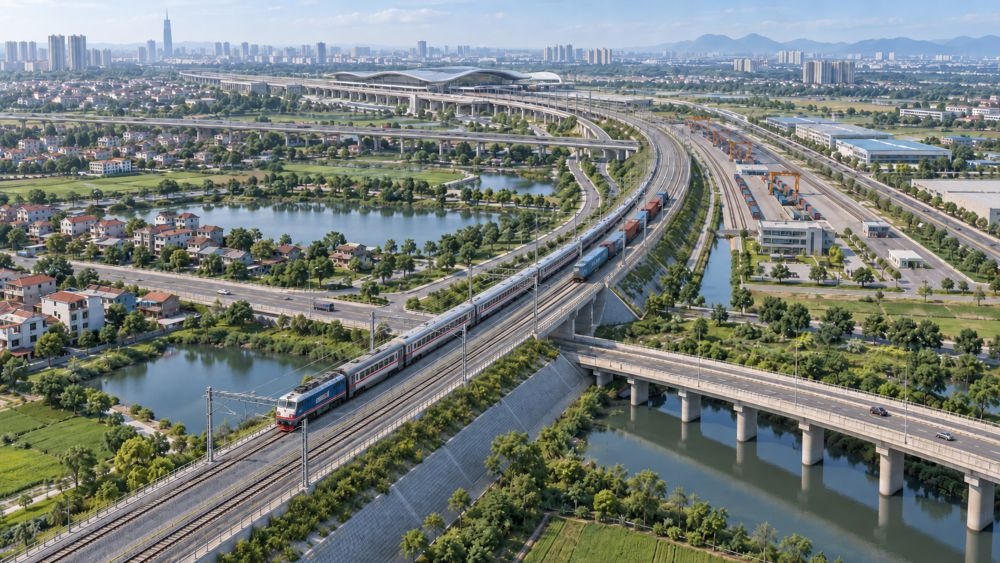 |
| Photo: baodautu.vn |
The MoC is the competent authority responsible for organising the preparation, appraisal, and approval of the detailed planning for the My Thuy–Lao Bao railway, while Quang Tri People's Committee takes the lead in preparing, appraising and approving planning for transit-oriented development (TOD) areas associated with the railway.
In the same document, the Ministry welcomed the voluntary offer by My Thuy International Port JSC to provide funding for the planning of the railway, in line with the policy of encouraging organisations and individuals to contribute resources to planning activities.
“Quang Tri People's Committee is requested to direct its specialised agencies to coordinate with My Thuy International Port JSC in preparing a dossier proposing support for the railway planning. The dossier should include comprehensive information on the progress of railway network planning on the Lao side, particularly in the Lao Bao border area, and be submitted to the Ministry of Construction for consideration and decision as a basis for carrying out the next steps,” the document stated.
There is currently little specific information available about the My Thuy–Lao Bao railway, although the line has been included in the national railway network plan for years.
Therefore, if the study goes ahead, My Thuy International Port JSC shall have to clarify a range of important issues, including the selection of an economically and technically optimal alignment; railway gauge and technology; preliminary total investment costs; a capital recovery plan; and plans to link and connect the railway with Laos’ rail network, including the Savannakhet (Laos)–Khon Kaen (Thailand) line.
The findings of the study would provide a basis for the company to take a further step towards mobilising domestic and foreign funding for the railway connecting to My Thuy seaport, which is capable of handling vessels of up to 100,000DWT, has a 17-metre-deep navigation channel, deemed as serving as a maritime gateway for the East–West Economic Corridor.
Unlike the aviation, seaport, and road infrastructure sectors, which have consistently attracted the attention of domestic and foreign investors, infrastructure projects on the national railway network have long been developed primarily with state budget funding, including funding for research and investment preparation.
Previously, the then Ministry of Transport (now the MoC) issued a list of projects calling for foreign investment for the 2021–2025 period, including six railway infrastructure projects with a combined estimated capital requirement of more than $10 billion.
However, except for the Mu Gia–Vung Ang railway, which is currently drawing interest from an investor consortium for research and project proposal preparation, the remaining projects have yet to attract investors.
One of the main reasons for the limited progress in turning the list into concrete projects is that railway infrastructure projects typically require considerable amounts of capital, while having long payback periods and low financial returns.
In addition, the mechanisms for investment under the public-private partnership (PPP) model and risk-sharing during this period have yet to prove sufficiently attractive to international investors.
A particularly noteworthy point is that, of the 176 projects included by the Ministry of Finance in the draft national list of projects calling for foreign investment for the 2026-2030 period, four were proposed by the Ministry of Construction.
All four projects are in the railway sector: the Bien Hoa–Vung Tau railway; the Ho Chi Minh City–Can Tho–Ca Mau railway; the Vung Ang–Mu Gia railway; and the Thap Cham–Dalat railway.
Although the list is relatively short, all four railway infrastructure projects proposed for foreign investment in the 2026-2030 period under the PPP model are capital-intensive, with estimated investment of at least $1 billion each.
According to the Ministry of Construction, recent innovations in mechanisms for mobilising private capital have improved the feasibility of these four projects, opening up greater opportunities to attract funding, technology and management expertise from foreign investors.
The breakthroughs stem mainly from the revised Railway Law of 2025, amendments to the PPP Law, and the issuance of Politburo Resolution 68-NQ/TW that same year – which promotes greater private-sector participation in major infrastructure projects.
This, in turn, is expected to contribute to the development goals for transport infrastructure and the railway sector during the 2026–2030 period and beyond.
The selection of railway projects for priority investment promotion also stems from the need to develop a modern railway system with greater transport capacity, helping reduce logistics costs while strengthening interregional connectivity and links between economic centres and seaports, international border gates, and logistics hubs.
From this perspective, the decision by a private company to proactively fund research into the My Thuy–Lao Bao railway can be seen as a positive signal.
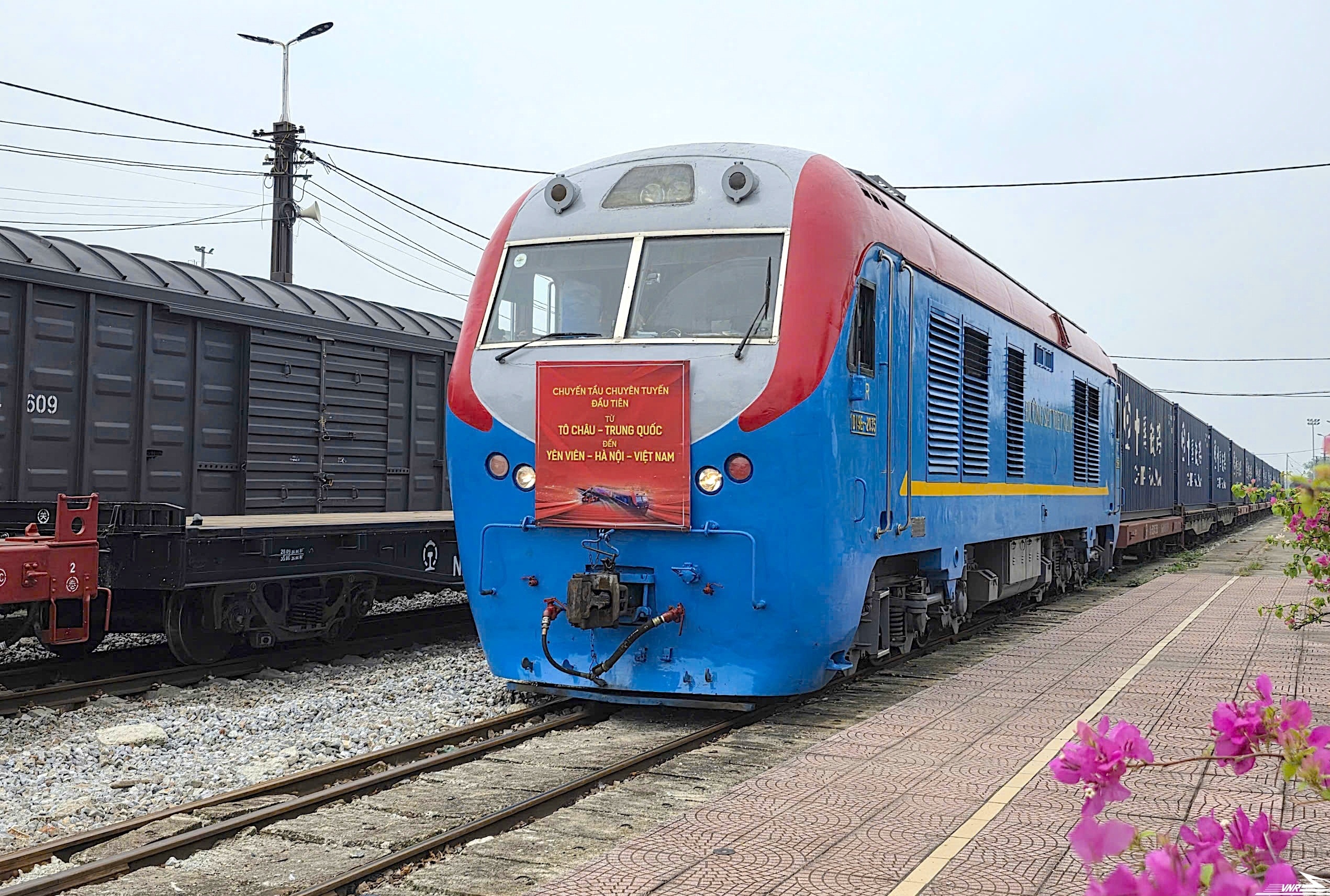
 | Investment opportunities abound in railway infrastructure Efforts are underway to promote the railway sector for investment, as two new national railway lines are scheduled for investment sooner than planned, with more to follow. |
 | Strategic vision key to high-speed rail success in Vietnam Vietnam's north–south high-speed railway presents a once-in-a-generation opportunity to reshape national connectivity. Drawing on Arup's review of the project's pre-feasibility study, Asia-Pacific managing director TC Chew outlines the strategic, financial, and governance considerations critical to delivering long-term national value. |
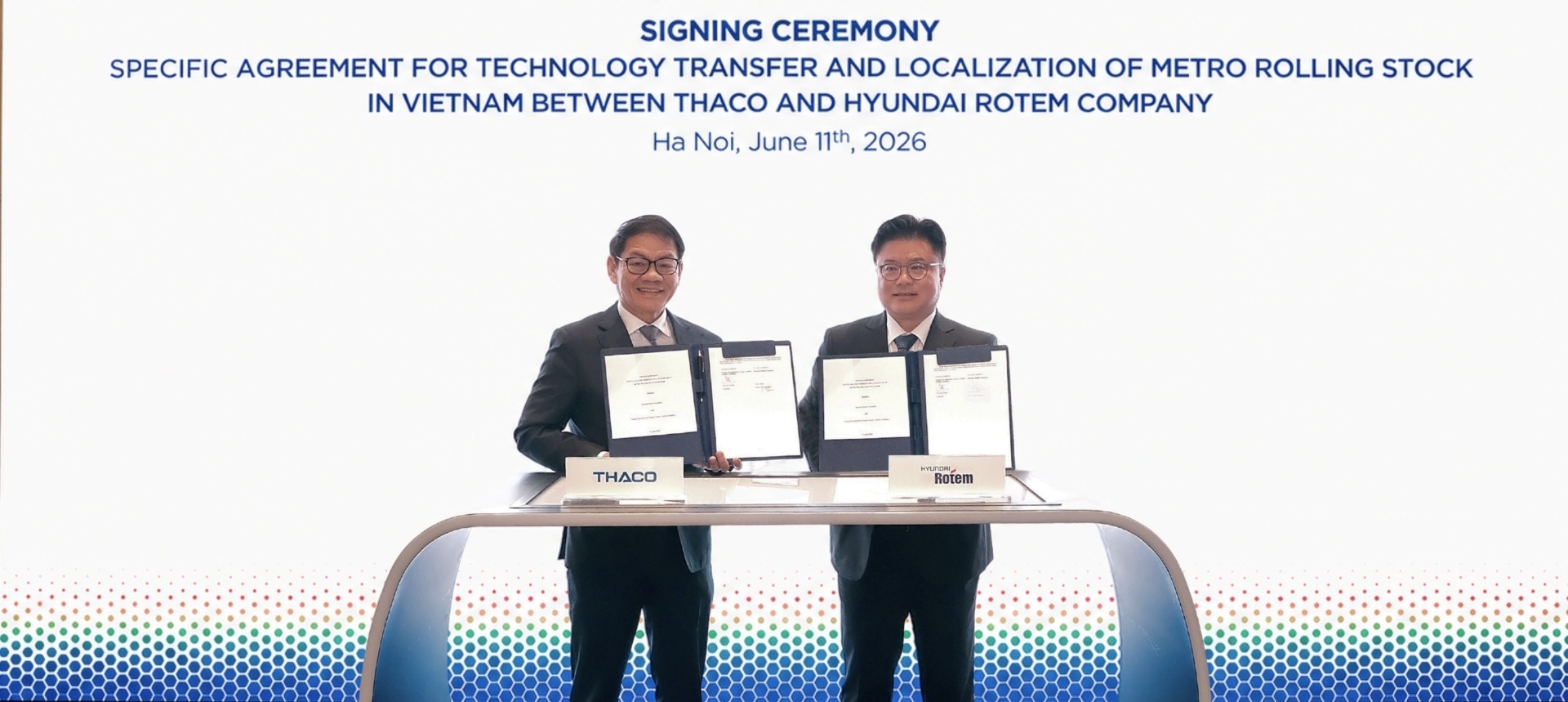
 | Specific financial mechanism proposed for Vietnam Railways The Ministry of Finance is drafting a decree on the operational and financial management mechanism for Vietnam Railways to create a legal basis for state capital investment and management. |
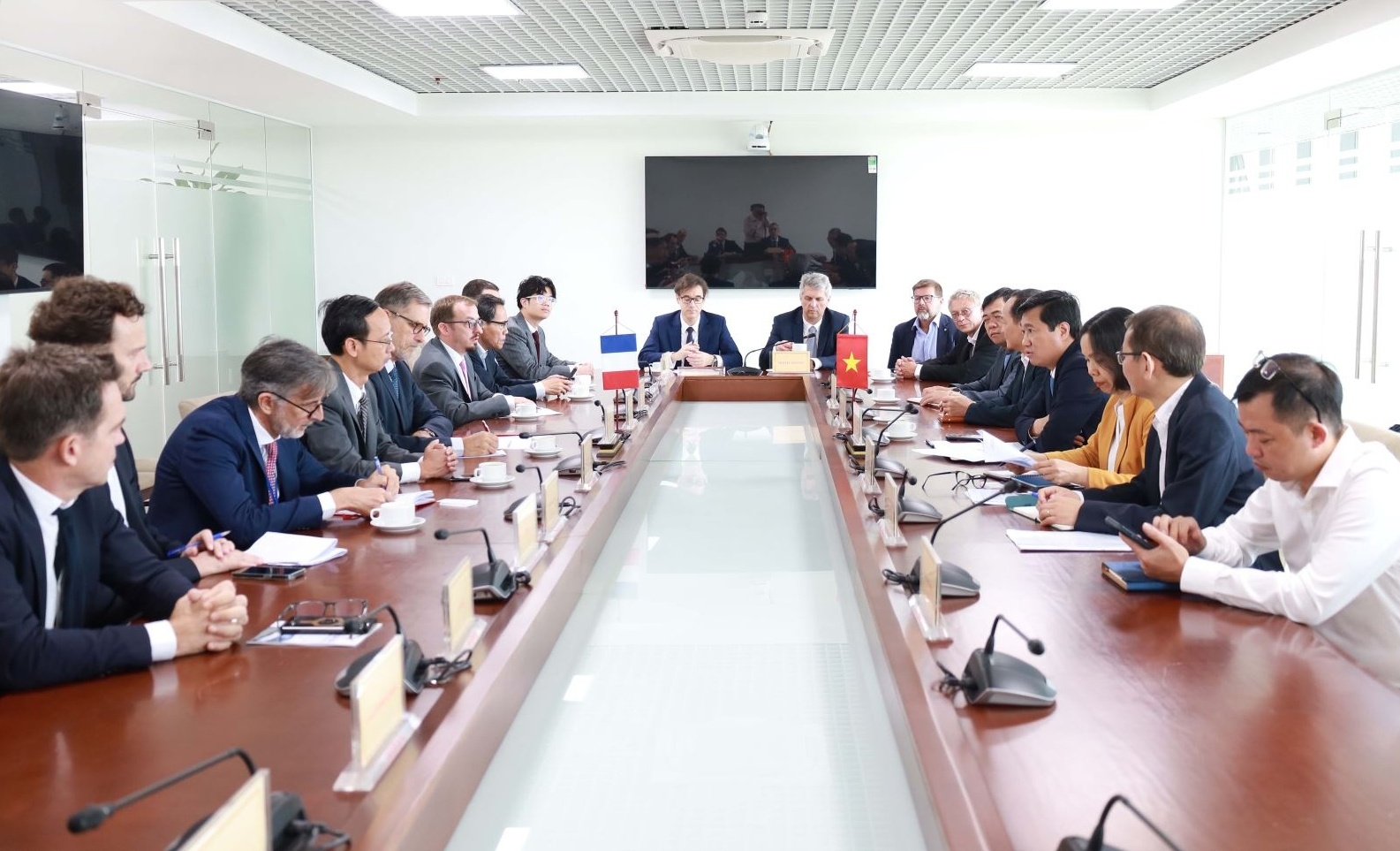
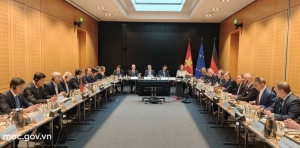 | Vietnam seeks railway partners at InnoTrans 2026 in Berlin A delegation from the Ministry of Construction, led by Deputy Minister Bui Xuan Dung, attended InnoTrans 2026 in Berlin to promote cooperation and technology transfer for the North-South high-speed railway project. |
What the stars mean:
★ Poor ★ ★ Promising ★★★ Good ★★★★ Very good ★★★★★ Exceptional
 Tag:
Tag:
Related Contents




Latest News

More News
- Quang Tri province to tighten delayed power projects (October 13, 2026 | 10:34)
- $600 million Ho Chi Minh City - Long Thanh expressway expansion under pressure (October 09, 2026 | 16:00)
- Hung Yen’s regional GDP beats expectations (October 09, 2026 | 15:25)
- VIR seminar focuses on taking domestic suppliers into global supply chains (October 08, 2026 | 14:50)
- Building Vietnam’s next chapter of FDI growth (October 08, 2026 | 12:15)
- Vietnam to foster links between foreign and domestic sector (October 08, 2026 | 11:00)
- Vietnam shifting focus to building high-quality FDI ecosystem (October 08, 2026 | 10:45)
- VIR seminar to explore innovative global supply chains in Hanoi (October 07, 2026 | 12:04)
- Vietnam’s registered FDI surpasses $50 billion in nine months (October 07, 2026 | 10:30)
- Samsung Electro-Mechanics to add $1.85 billion semiconductor investment in Thai Nguyen (October 06, 2026 | 18:23)








 Mobile Version