
Strategic vision key to high-speed rail success in Vietnam

 |
Vietnam is approaching a defining infrastructure decision. The proposed north–south high-speed railway is a test of how the country wants to grow over the next several decades: how it connects its major cities, how it opens up new economic corridors, and how it supports a more efficient and lower-carbon model of development. If delivered well, it could reshape national mobility and become one of the country’s most important long-term growth platforms.
But projects of this scale do not succeed on ambition alone. Based on Arup’s international experience on projects such as the California High-Speed Rail, and High Speed 1 in the United Kingdom, we see that high-speed rail works best when it is treated not as a prestige project, but as a long-term national development strategy.
That means being realistic about funding, disciplined about delivery and clear about how rail investment will shape cities, communities and the wider economy. For Vietnam, the question is not only whether high-speed rail is worth pursuing. It is whether the right foundations are being put in place now to make the project effective, affordable and valuable over time.
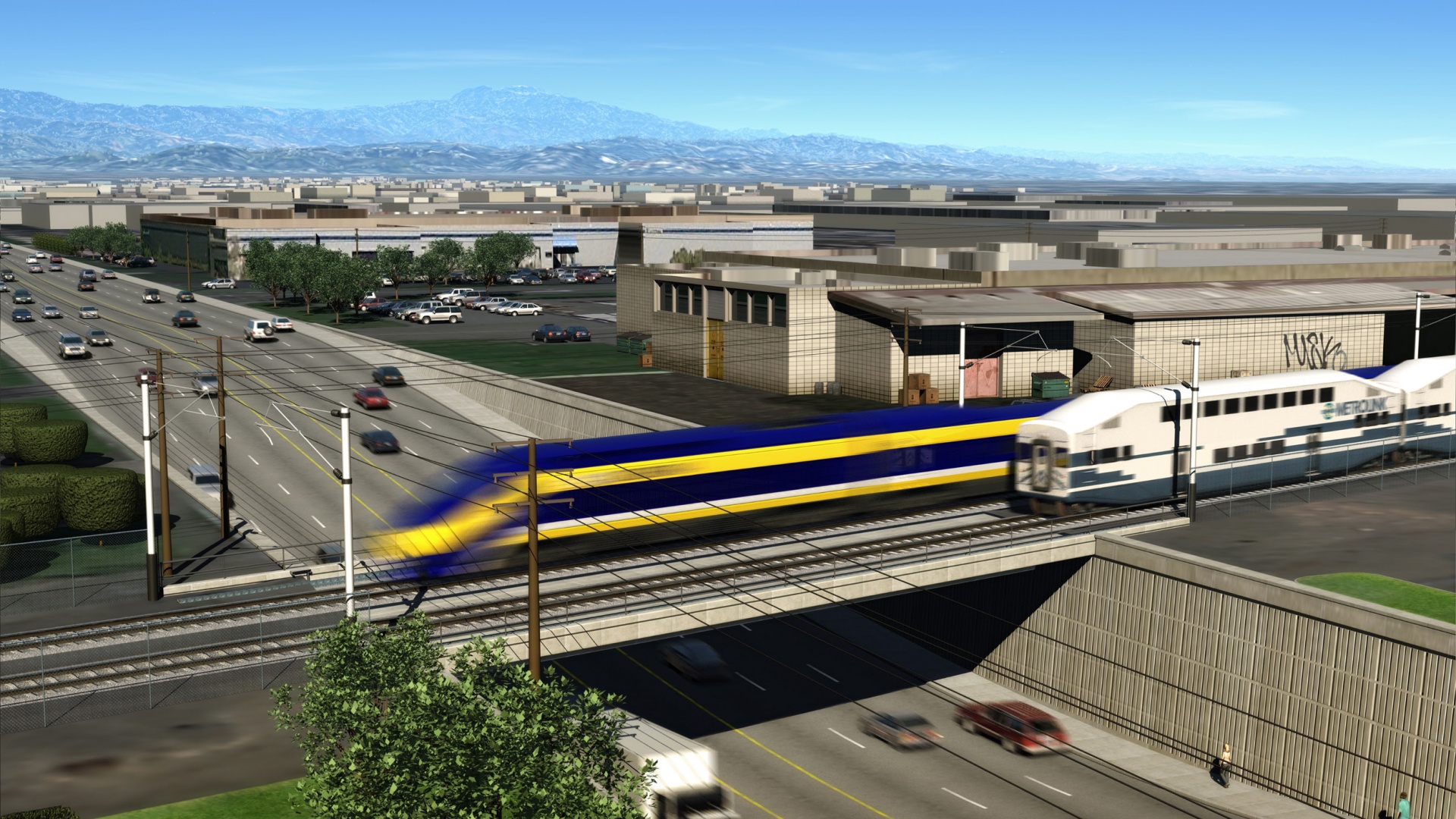 |
| The California High-Speed Rail project illustrates how high-speed rail succeeds as a long-term national strategy |
As a starting point in making decisions about major infrastructure, it’s important to be clear about the problem that it is meant to solve. The case for high-speed rail goes beyond faster journey times. A line linking Hanoi and Ho Chi Minh City through key provincial centres has the potential to improve access to jobs, bolster tourism, reduce travel friction across the nation, and support a more balanced pattern of development.
For Vietnam, this matters because transport infrastructure influences business investment, population growth, and how economic opportunity is shared across regions. The success of Vietnam’s rail ambitions will depend less on speed, and more on how cities grow around it.
That wider strategic case should also shape how funding is discussed. The upfront cost will be significant, but the long-term value of high-speed rail cannot be judged by ticket revenue alone. As economic drivers, these projects can lift land values, attract investment, reshape station districts and widen access to employment and services.
That is why transit-oriented development should be planned from the beginning with stations designed as vibrant hubs where housing, commerce, public space and mobility come together. Done well, this can improve both project economics and urban quality. Done badly, it can fuel speculation without delivering public benefit.
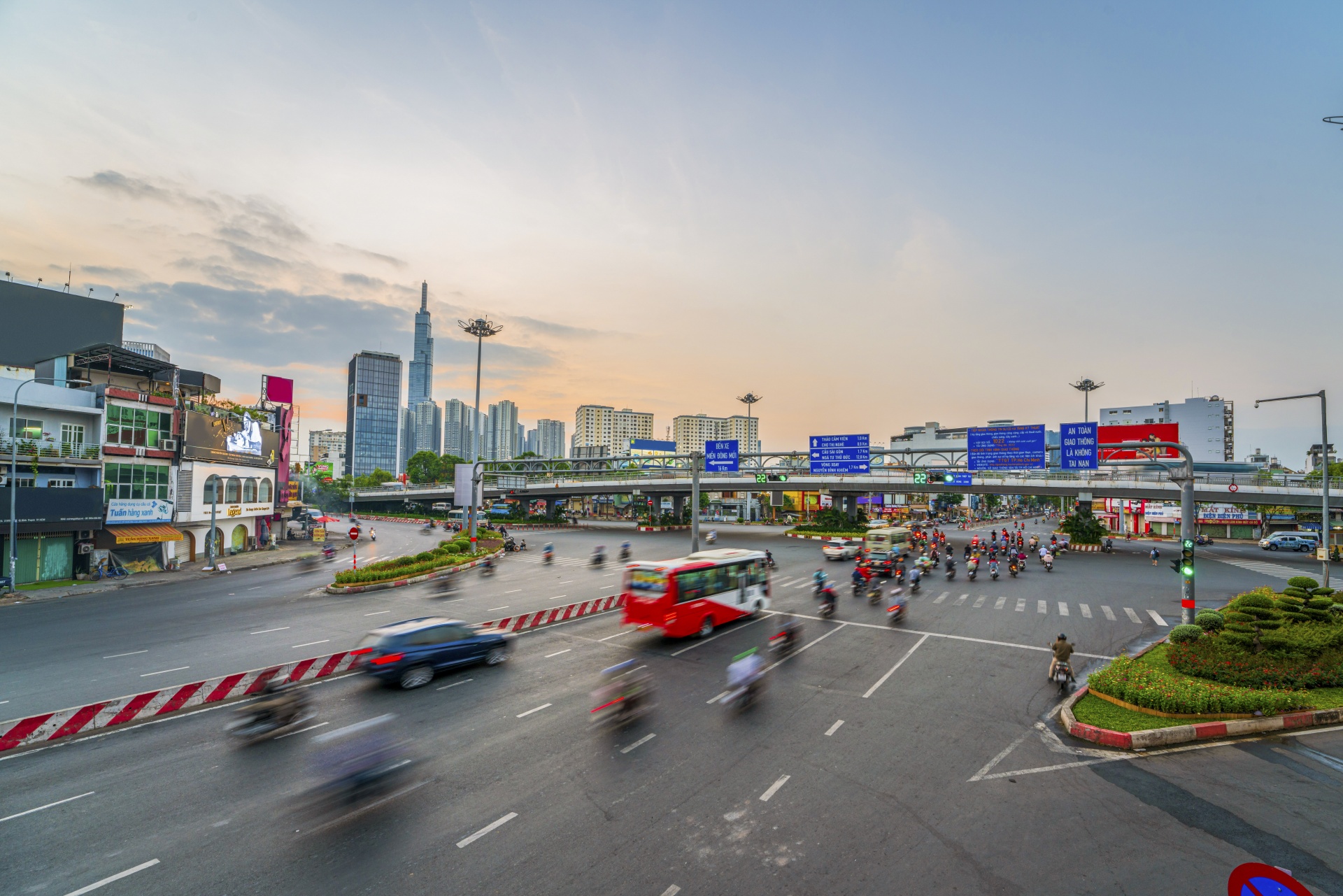 |
| Transit-oriented development is considered a key factor in improving a project's financial performance, enhancing urban quality, and strengthening connectivity |
A high-speed rail line is only as useful as the journeys it connects to, so integration needs to be factored into precinct planning. If passengers arrive at stations and then face congestion, weak public transport links or long last-mile travel times, much of the benefit is lost.
This is particularly relevant in fast-growing cities, where transport systems are still catching up with urban expansion. In Vietnam, station planning should be closely tied to metro networks, buses, airports and surrounding precinct development. The goal should be a seamless end-to-end journey, not simply a faster trip between two major cities.
Achieving this requires delivery capability as much as engineering ambition. Large rail programmes depend on governance, procurement and execution. Decisions on packaging, risk allocation, approvals and sequencing will shape whether the project can be delivered efficiently over many years.
Vietnam is pursuing a broader wave of infrastructure expansion, which makes institutional capability even more important. A successful high-speed rail programme will need a clear delivery model, realistic phasing and strong coordination across agencies and local authorities. Early contractor involvement, leveraging international expertise early, can also yield benefits by improving cost certainty and optimising sequencing, methodology, and enabling innovation in design.
Interestingly, major infrastructure projects also enable nations to build up domestic capability. High-speed rail can help strengthen engineering capability, digital systems knowledge, operations management, specialist construction skills and local supply chains, and that requires long-term workforce planning, partnerships with universities and industry, and contracts that genuinely support knowledge transfer. If approached this way, infrastructure projects can help build a stronger national transport and infrastructure ecosystem, in addition to creating a valuable asset for the country.
None of this will be easy without public confidence. Projects of this scale extend over many years and need consistent public support. That means being transparent about route choices, land acquisition, resettlement, cost, timing and expected benefits. People need to understand not just what is being built, but how it will improve mobility, access and economic opportunity. Clear communication and credible governance are essential to building the trust required for delivery.
Vietnam has a major opportunity in front of it. A well-planned high-speed rail programme could improve national connectivity, support more balanced regional growth, and strengthen the country’s long-term competitiveness. It could also offer a model for how Southeast Asian countries think about large-scale rail investment: not just as a way to move faster, but as a way to build better-connected, more resilient and more productive places.
High-speed rail should not be pursued for symbolism, but when the strategic case is strong, the delivery model is credible, and the wider public value is clear. If Vietnam can align those fundamentals, high-speed rail could become a transformative piece of infrastructure and a platform for long-term national development.
 | Arup honoured with multiple awards at HKIE 50th Anniversary Arup, has been recognised with eight awards at The Hong Kong Institution of Engineers (HKIE) 50th Anniversary Legacy Award, including five Grand Awards and three Merit Awards. |
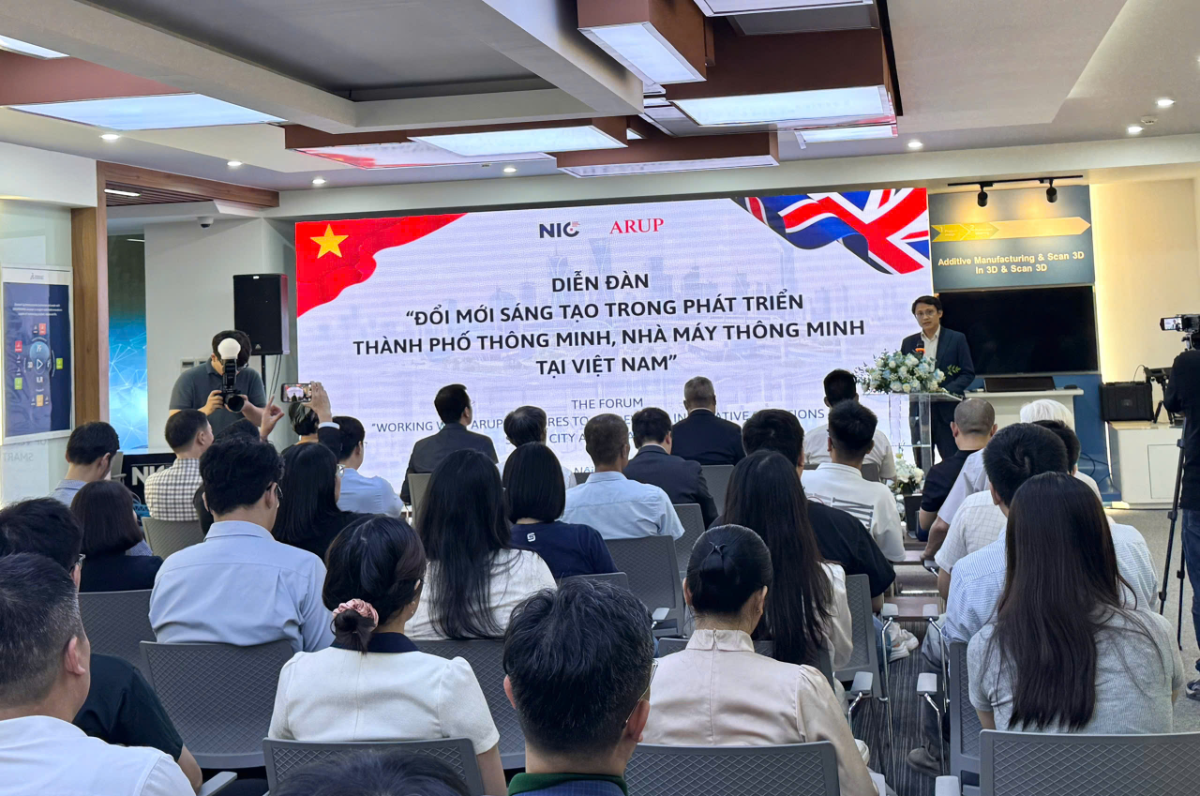 | Smart cities, factories critical to national competitiveness Smart cities and smart factories are emerging as critical foundations for national competitiveness as global competition increasingly hinges on control of data, digital infrastructure, and core technologies. |
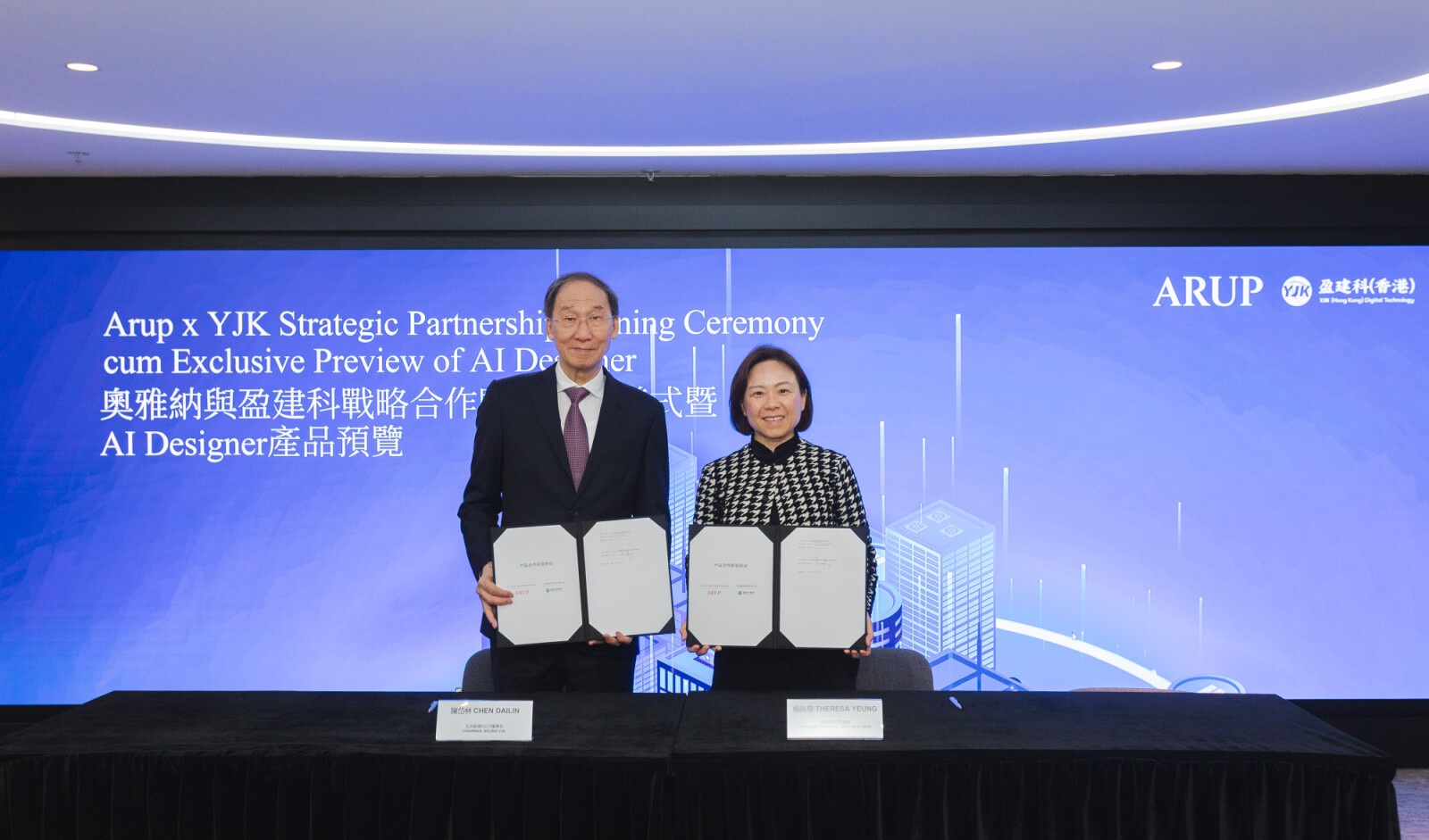
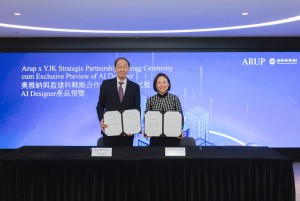 | Arup and YJK launch AI Designer for structural engineering Arup and YJK, a leading engineering software solutions company in mainland China, launched AI Designer in Hong Kong, integrating design optimisation and artificial intelligence to improve engineering efficiency and decarbonisation. |
What the stars mean:
★ Poor ★ ★ Promising ★★★ Good ★★★★ Very good ★★★★★ Exceptional
 Tag:
Tag:
Related Contents



Latest News




More News
- DKSH's blueprint for resilient supply chains (September 14, 2026 | 14:00)
- Vietnam’s challenge to turn market reform into long-term capital (September 08, 2026 | 09:16)
- Smarter infrastructure design key to Vietnam’s AI ambitions (August 24, 2026 | 16:27)
- DSV backs Vietnam's push for more sustainable logistics (August 04, 2026 | 17:10)
- Roche Pharma Vietnam appoints new general manager, reinforcing commitment to Vietnam healthcare (July 23, 2026 | 15:41)
- Constant Energy on Vietnam solar power and policy hurdles (July 22, 2026 | 08:00)
- Key points when drafting a company charter to reduce disputes in Vietnam (July 20, 2026 | 08:00)
- AkzoNobel executive on sustainability as a manufacturing growth driver (July 10, 2026 | 14:53)
- LivWell expands holistic health ecosystem for businesses and communities in Vietnam (July 09, 2026 | 16:43)
- Thai beverage group sees Vietnam as long-term growth partner (July 02, 2026 | 08:30)








 Mobile Version